
Can I Marry Two People? Exploring the Reality of Polyamorous Relationships
If you’ve ever wondered, “Can I marry two people?” you’re not alone. Many people are curious about the legal and social aspects of marrying multiple partners.
In the United States, laws against bigamy prohibit being married to two people simultaneously. This means you cannot be legally married to more than one person at a time.
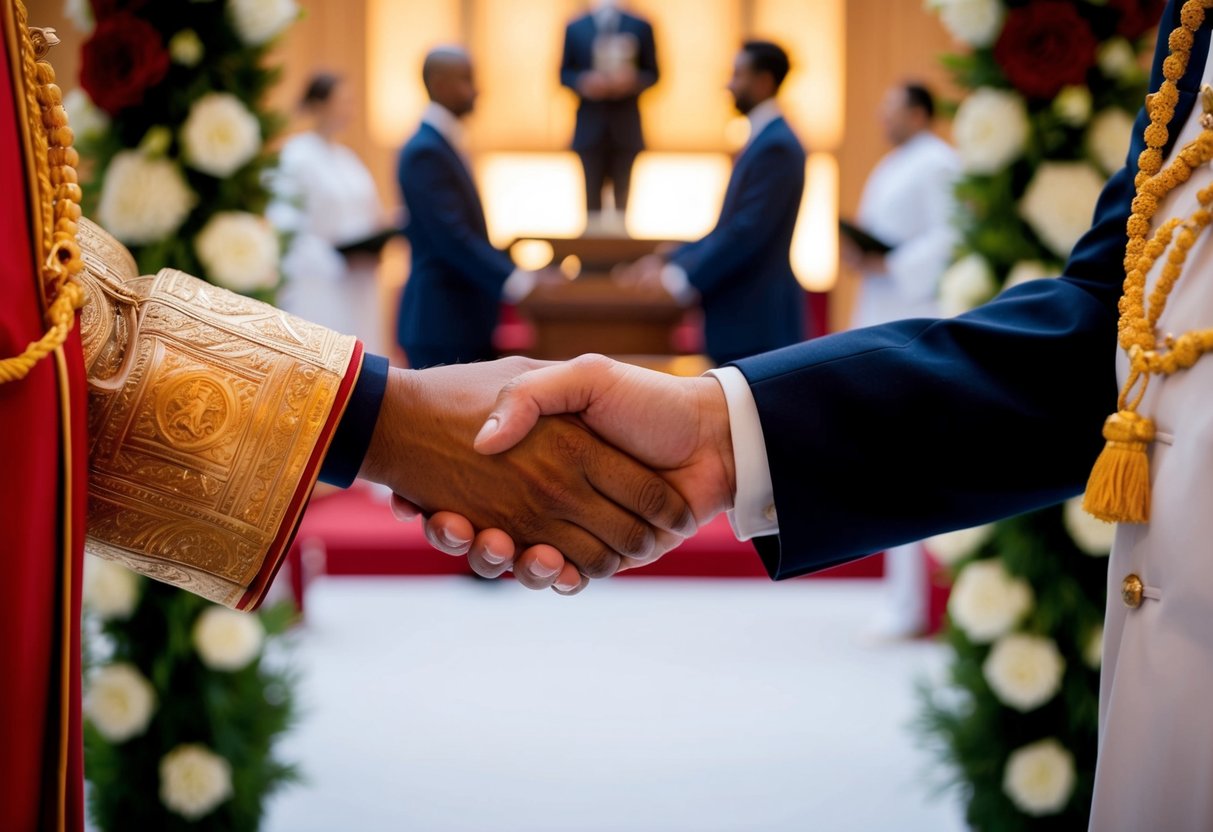
While polygamy, the practice of marrying multiple people, is accepted in some cultures and religions, it’s not recognized legally in most countries, including the U.S. This means that if you were to try to marry again without ending your first marriage, that second marriage would not have legal standing.
Many people pursue alternatives to traditional marriage, like open relationships or civil agreements, to explore their love for more than one person without breaking the law.
Polygamy and the Law

Polygamy involves being married to more than one person at the same time and is viewed differently around the world. Understanding its legal status is crucial. This section outlines the definitions, laws, federal implications, and potential penalties related to polygamous marriages.
Understanding Polygamy and Bigamy
Polygamy refers to marrying multiple spouses. Within this, there are two main types: polygyny (one man with multiple wives) and polyandry (one woman with multiple husbands). On the other hand, bigamy means being simultaneously married to two people.
In many places, polygamy and bigamy are not legally recognized. This means if you marry someone while still married to another, it can lead to serious legal trouble. For clarity, it’s essential to differentiate these terms when discussing marriage laws.
Legal Status of Polygamy in Different Jurisdictions
In the United States, polygamy remains illegal. All states prohibit marriages involving more than two parties. The Edmunds Act of 1882 specifically made polygamy a federal offense, leading to fines and imprisonment.
Outside the U.S., the laws differ. In many African and Middle Eastern countries, polygamy is legal and culturally accepted. Certain regions allow men to marry multiple wives under specific conditions. Therefore, if you’re considering this, it’s vital to check the local laws and cultural practices.
Federal Laws and Supreme Court Decisions
Federal law in the U.S. strictly prohibits polygamy. The Edmunds Act criminalizes the act, stating that those entering into polygamous marriages can face legal consequences.
Historically, the Supreme Court has upheld this stance. In cases relating to polygamy, the court ruled that states have the right to regulate marriage. This means states can enforce laws against polygamous relationships, reinforcing the prohibition on multiple marriages.
Penalties and Prosecution for Multiple Marriages
If you’re involved in a polygamous marriage in the U.S., you could face severe penalties. These can include heavy fines, imprisonment, and annulment of the illegal marriages.
Each state has its own regulations regarding prosecution, so penalties may vary. You might also experience social stigma or community backlash.
Social and Religious Perspectives
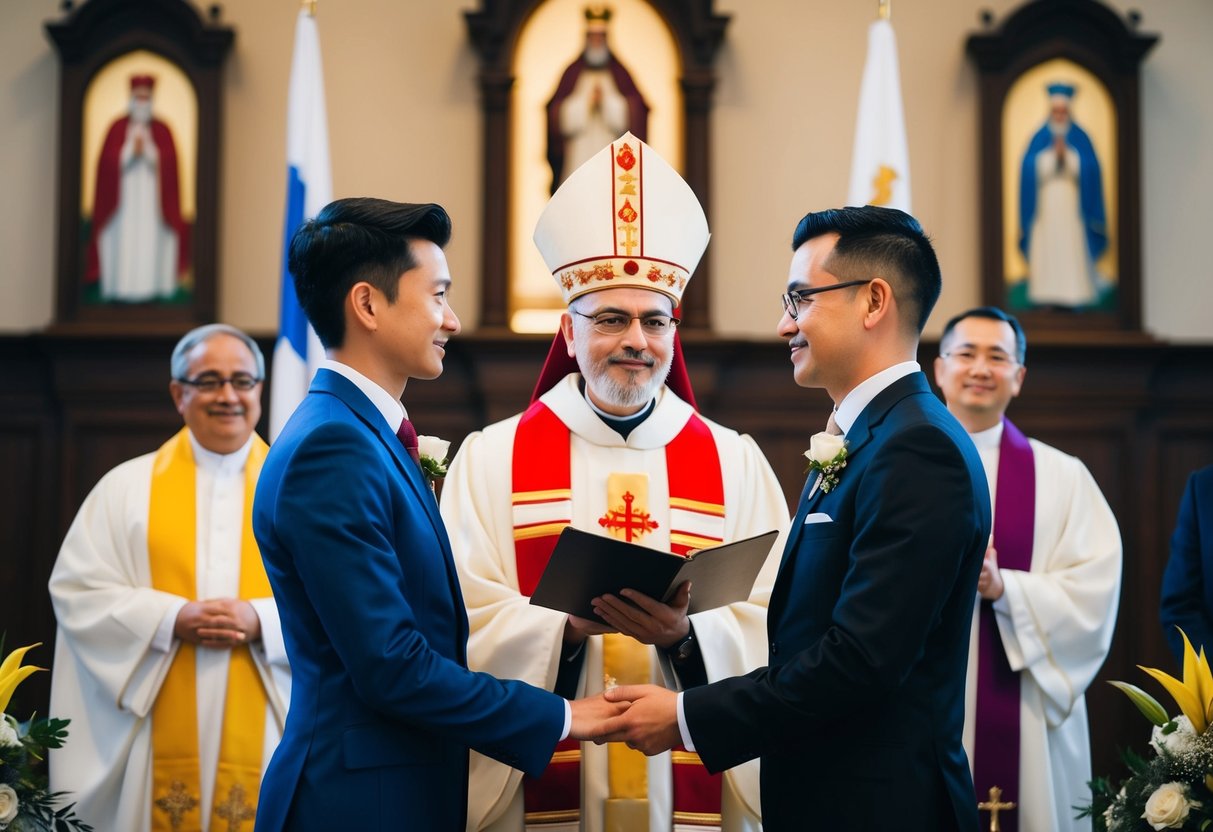
When considering marriage to more than one person, it’s important to look at social and religious views. Different groups have unique beliefs about the structure and norms surrounding marriage.
The Church of Jesus Christ of Latter-day Saints’ Stance
The Church of Jesus Christ of Latter-day Saints (LDS) historically supported polygamy, known as plural marriage. Early church leaders, including Joseph Smith and Brigham Young, practiced and advocated for this form of marriage in the 19th century.
Today, the LDS Church no longer permits polygamy. Members who engage in such relationships can face excommunication. The church emphasizes monogamous marriages as the standard. Yet, some splinter groups still practice polygamy and consider it a continuation of their faith.
Variations of Polygamy: Polygyny, Polyandry, and Group Marriage
Polygamy comes in several forms. Polygyny is the most common, where one man marries multiple women. This practice has been seen in various cultures.
Polyandry, on the other hand, is when one woman marries multiple men. This is less common but exists in certain societies.
Group marriage is another approach. In this arrangement, multiple people marry each other, forming a family unit. Each form raises different social dynamics and legal questions, reflecting the diverse views on marriage.
Public Concerns and Misconceptions
Many people worry about polygamous relationships due to societal norms. Concerns often center around issues such as fairness, jealousy, and emotional challenges.
Misconceptions abound about polygamy, including views that it leads to abuse or exploitation. In reality, some polygamous families maintain healthy, supportive dynamics.
It’s also important to note that in places where polygamy is illegal, individuals may choose common law marriage instead. This allows for cohabitation without formal marriage, often avoiding legal repercussions while still forming lasting relationships.
Ethical and Social Considerations
When discussing the possibility of marrying more than one person, it’s important to think about consent, personal choice, and the impact on everyone involved. The following points delve into key issues related to polygamous relationships.
Consent and Personal Choice in Polygamous Relationships
Consent is the foundation of any healthy relationship. In a polygamous setup, every person involved must agree to the arrangement willingly.
You need to actively discuss feelings, expectations, and boundaries. Mutual respect and clear communication are key to ensuring that all parties feel heard and valued.
You should also make sure that no one feels pressured into the relationship. This helps prevent misunderstandings that could lead to resentment.
The ability to choose your partner(s) should never come from coercion. When everyone genuinely consents, the relationship can thrive on trust and openness, fostering a supportive environment for all.
Issues of Child Abuse and Domestic Abuse
In any relationship structure, including polygamous ones, concerns about child abuse and domestic abuse can arise. These issues are serious and must be handled with care.
You should be vigilant about the dynamics within the group. Power imbalances can sometimes lead to situations where individuals, especially children, may be at risk.
Adequate support and protective measures are important for ensuring safety. Legal protections against abuse should always be a priority. If a relationship fosters harmful behavior, it’s crucial to seek help. Support systems like counseling and legal resources are essential for those facing these challenges.
Protecting the Rights and Well-being of All Parties
In polygamous relationships, we must protect the rights of each individual. You need to ensure that everyone has legal protections in place. These protections should address issues like inheritance, custody, and health care.
Understanding local laws about marriage helps you navigate potential challenges. Discussing these matters openly can prevent future conflicts.
Creating legal agreements to clarify everyone’s rights and obligations is also beneficial. Regular check-ins can help ensure that all parties feel valued and secure. Prioritizing well-being and fairness helps create a harmonious atmosphere in mixed family structures.