
Can I Stack a Wedding Cake the Night Before? Tips for a Stress-Free Preparation
Stacking a wedding cake can be a bit tricky, especially when you’re trying to find the best time to do it. If you’re wondering about whether it’s wise to stack your beautiful tiered cake the night before the big day, you’re not alone.
Many bakers prefer to stack their cakes ahead of time to minimize stress on the wedding day. By doing this, you can focus on other important tasks, like dressing up or enjoying time with loved ones. However, it’s essential to make sure that your icing has adequately dried before stacking. This helps prevent any mishaps that could ruin your stunning creation.
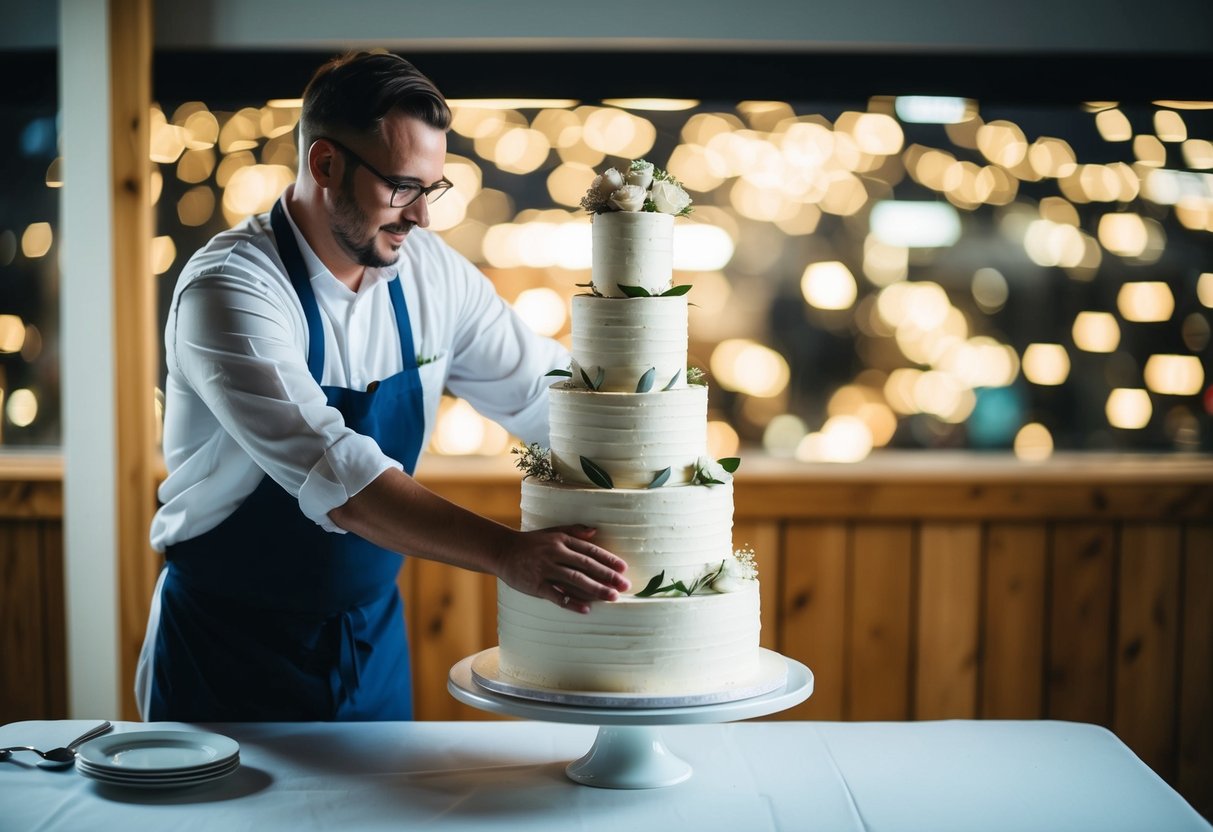
Consider factors like the weight of your tiers and the conditions on the wedding day. If it’s warm or humid, stacking the cake the night before can help your cake settle and provide extra stability. This way, you can be confident that when guests arrive, they’ll see a flawless tiered cake ready to be enjoyed.
Preparing the Cake Tiers
Creating perfect cake tiers requires careful attention to detail. From baking high-quality cake layers to frosting and chilling, each step helps ensure that your wedding cake will look and taste amazing.
Baking Quality Cakes
Start with your favorite recipe to bake quality cake layers. Use fresh, quality ingredients like high-grade flour, real butter, and pure vanilla extract. These ingredients greatly affect taste and texture.
Make sure to measure your ingredients accurately. Follow the recipe closely. This is especially important for the perfect rise and crumb.
Consider using cake flour for lighter, fluffier layers. If you’re making fruitcake, it might need longer baking times. Always check for doneness by inserting a toothpick. If it comes out clean, your cake is ready!
Applying the Crumb Coat and Frosting
Once your cakes cool, it’s time to apply the crumb coat. This thin layer of frosting helps seal in crumbs, which is especially helpful when using delicate buttercream. A crumb coat ensures a smooth finish when you add the final layer of frosting.
After the crumb coat sets, apply your main frosting. You can use buttercream or ganache, depending on your preference. Make sure to spread it evenly. Use a spatula or a cake scraper for a polished look.
If you want to add decorations, royal icing can be a beautiful choice. It dries hard, allowing for intricate designs. Keep your work area clean to avoid any unwanted crumbs getting into your frosting.
Chilling for Optimal Stability
Chilling your cake layers is crucial for stability. After frosting, place your cake in the fridge for at least 30 minutes. This will help the frosting set and make it easier to stack.
The chill time helps the buttercream firm up, reducing the chances of sliding. If you are making a multi-tier cake, you may want to chill each tier separately.
Cover your cake loosely with plastic wrap to prevent it from drying out. This is essential if you’re stacking the cake the night before the event. A well-chilled cake is easier to handle and results in cleaner cuts and neater layers.
Stacking Essentials for a Wedding Cake
When it comes to stacking your wedding cake, using the right techniques and materials is crucial for a smooth assembly. Here are some key elements to ensure your cake is stable and beautiful.
Dowels and Support Structures
Using dowels is essential for stabilizing your cake layers. Wooden dowels are common and should be cut to the height of your cake tiers. Place them evenly under each tier to support the weight and prevent collapse.
Consider using a center dowel for extra stability, especially with multiple tiers. This long dowel runs through the center of the cake, securing all layers together. For added support, use cake stackers designed to hold heavier cakes. They offer a reliable structure and can keep the cake looking perfect.
Don’t forget cake boards between the tiers. A sturdy cardboard cake board not only makes it easier to lift each layer but also reinforces the overall structure. Ensure that your cake boards match the size of the tiers for a neat appearance.
Assembling the Cake Tiers
To stack the cake, start with the largest tier on a flat, secure surface. Apply a layer of icing on top of the bottom tier. This acts as glue, helping the next tier stick better.
Carefully place the next tier on top, aligning it with the bottom tier. If you’re stacking multiple tiers, continue this process while ensuring each layer is level. If you’re making a more intricate design, stacking at the venue may provide more flexibility for adjustments.
Once all tiers are in place, use the icing to smooth any gaps and add decorative touches. This not only enhances the cake’s look but also helps to reinforce the connection between the layers.
Securing the Cake for Transportation
Transportation can be tricky, so securing your stacked cake correctly is vital. Make sure the cake is assembled as close to the delivery time as possible to minimize movement.
Use a sturdy base for the cake and ensure it is on a level surface in your vehicle. You can also secure the cake with non-slip material to prevent it from sliding. If possible, transport the cake in a cool environment to keep the icing intact.
Before arrival, check that the cake hasn’t shifted. Once at the venue, carefully inspect the tiers and make any minor adjustments. A well-secured cake will not only impress your guests but also hold up beautifully throughout the event.
Decoration and Detailing
When decorating a wedding cake, it’s important to use the right techniques to achieve a beautiful finish. You will focus on applying the final layer of icing and adding decorative elements that create a stunning presentation.
Applying the Final Layer of Icing
Start by smoothing out any imperfections on your cake with a layer of buttercream or fondant. If using buttercream, let it crust for a bit before adding your final layer. Make sure the cake tiers are stacked correctly and level to avoid uneven surfaces.
Use a bench scraper or offset spatula to apply a thin layer of icing. This is called a crumb coat and helps seal in crumbs. After the crumb coat is firm, add your final layer of frosting. Aim for a smooth finish, and if working with fondant, roll it out evenly to cover your cake without any air bubbles.
Adding Decorative Elements
Now it’s time to get creative! Think about using fresh flowers, intricate piping, or edible glitter to make your cake special.
Fresh flowers can add a natural touch, while piping designs can showcase your skills.
Consider using royal icing for added detail, as it dries hard and holds its shape well. You might also want to include personalized cake toppers or themed decorations that match the wedding’s color scheme.
If your cake is multi-tiered, ensure that decorations are proportionate to the tiers for balance.
The goal is to create a visually appealing cake that reflects your style. Take your time and enjoy the decorating process; it’s a key part of making your cake unique!