
Can I Use a White Bed Sheet as a Backdrop? Tips for Perfect Photography!
Using a white bed sheet as a backdrop for your photography can be a great idea. A white bed sheet can effectively serve as a photo backdrop, providing a clean and simple background for your subjects. Whether you are capturing portraits, product shots, or creative images, a bed sheet can help those details stand out.
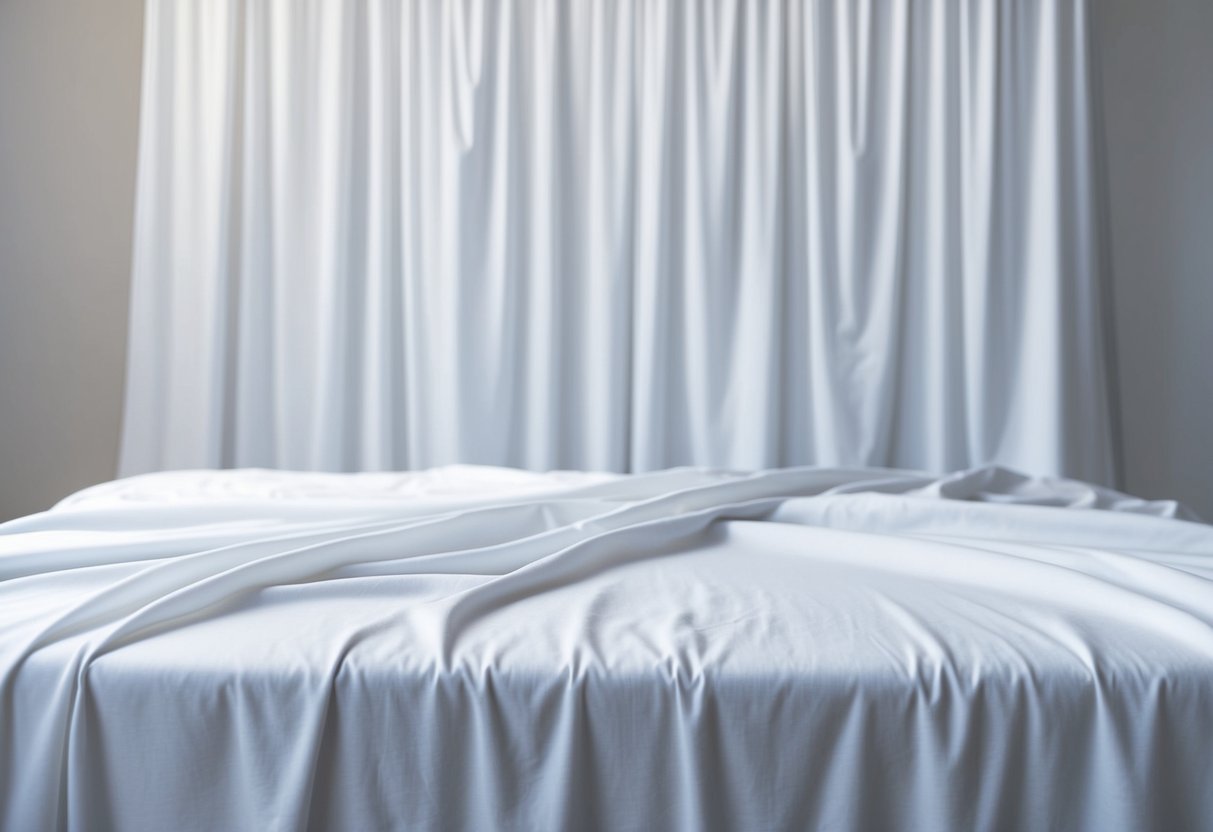
Not only are bed sheets affordable and accessible, but they also allow for easy setup and storage. With a little creativity and smart placement, you can create stunning photos without the need for expensive equipment.
Imagine transforming your living space into a mini studio with just a soft white sheet!
Experimenting with lighting and angles can further enhance your shots. You may find that the light passes through the sheet nicely, creating appealing effects. So, grab that old sheet and start shooting!
Choosing the Right Material for Your Backdrop
When picking a backdrop, the material is key. Different fabrics can have a big impact on your photos. Here’s a look at common fabric types and the pros and cons of using white bed sheets.
Comparing Fabric Types
There are several materials you can use for backdrops. Here are a few popular options:
-
Muslin: This is a lightweight and versatile fabric. It’s easy to manipulate and can be washed, making it a great choice for repeated use.
-
Canvas: Strong and durable, canvas can create a rich texture. It holds colors well but may add weight, making it harder to hang.
-
Cotton-Polyester Blend: This offers the softness of cotton with the durability of polyester. It’s less prone to wrinkling, making it easier to maintain.
-
Fleece-Like Matte Fabric: This fabric provides a soft look. It absorbs light well, which reduces glare in your photographs.
Choosing the right material depends on your specific needs and the look you want for your photos.
Pros and Cons of White Bed Sheets
Using a white bed sheet as a backdrop has its advantages and disadvantages.
Pros:
- Affordability: Bed sheets are often inexpensive and easily found in stores.
- Easy Maintenance: They can be machine washed and ironed if needed.
- Versatile Color: White provides a clean background, making it suitable for many types of photography.
Cons:
- Wrinkles: Bed sheets can wrinkle easily, which might affect the appearance in your shots.
- Lighting Issues: A white sheet can reflect too much light, which might cause glare or loss of detail.
- Thickness Variations: Depending on the sheet’s fabric, some might be too sheer, which can show imperfections behind the backdrop.
Considering these factors will help you decide if a white bed sheet is right for your photography needs.
Setting Up Your White Sheet Backdrop
Setting up your white sheet backdrop can be a straightforward process that elevates your photography. You’ll want to focus on creating a seamless look, managing any wrinkles, and securing the sheet effectively to achieve the best results.
Creating a Seamless Background
To create a seamless backdrop, start by selecting a flat white bed sheet. Ideally, it should be clean and free from patterns.
Hang the sheet from a backdrop stand or using a curtain rod for stability. Make sure the sheet is wide enough to cover your entire shooting area. If your budget allows, you can even use two sheets sewn together. This simple DIY photo backdrop will give you that professional look you desire.
Consider lighting as you set up. Properly positioned lights can enhance the seamless appearance, making your subject stand out more.
Managing Wrinkles and Creases
Wrinkles can distract from your photos, so it’s important to manage them effectively. If your sheet has wrinkles, you can use a steam iron to smooth it out. Be careful to set the iron to the appropriate setting to avoid damaging the fabric.
Alternatively, hang the sheet up a few days before use. Gravity will help reduce some of the creases over time. If you’re in a rush, consider using a wrinkle-release spray for quick fixes.
When arranging your setup, make sure the sheet is taut. This will help to minimize any unwanted folds that might disrupt the seamless background you’re aiming for.
Securing the Bed Sheet Properly
Properly securing your sheet is crucial for a stable setup. Use clips or clamps to hold the sheet in place on the backdrop stand. This will prevent it from slipping or falling during your shoot.
If needed, you can also add weights at the bottom of the sheet to keep it from moving. Ensure that it is stretched out and flat against the background.
Take some time to check your setup from the camera’s perspective. Make adjustments as needed to ensure everything looks perfect. A well-secured sheet will provide a sturdy backdrop for your photo studio work.
Lighting Techniques for White Sheet Backdrops
When using a white bed sheet as a backdrop, lighting is crucial for achieving the best results. Proper lighting techniques can help you avoid unwanted shadows and enhance your images. Here are some important methods to consider.
Avoiding Unwanted Shadows
To prevent dark shadows on your white backdrop, position your lights carefully. Aim for three-point lighting if possible. This setup includes a main light for your subject and two additional lights for the backdrop. The backdrop lights should be slightly angled to evenly illuminate the sheet.
Tips:
- Use softboxes or diffusers to soften your light, which helps minimize harsh shadows.
- Keep your subject at least a few feet away from the backdrop. This distance reduces shadow impact and allows the backdrop to glow more evenly.
Also, try to avoid direct overhead lighting, as it can create unflattering shadows on your subject. Instead, consider using lights positioned at a 45-degree angle.
Using Reflective Surfaces
Using reflective surfaces can enhance your lighting and reduce shadows. Position reflectors to bounce light onto both your subject and the white sheet. This technique brightens up the entire scene and eliminates dark areas.
Reflector options:
- Simple white boards can work well.
- Although shiny surfaces like aluminum foil may create strong highlights, use them with caution, as they can create hotspots.
You might also consider the angle of your lights and reflectors. Experimenting with their positions helps find the best mix. Softening the light through diffusion materials will produce a more flattering effect on your portraits.
Tips for Taking Impressive Photos
When using a white bed sheet as a backdrop, there are ways to enhance your photography. Focus on achieving a unique look and mastering product photography to make your images stand out.
Achieving a Unique Look
To create a distinctive style, consider adding textures or patterns to your backdrop. While a white sheet is versatile, you can enhance it with items like curtains or drapes.
Using props or accessories helps to create interest. A well-placed piece can focus attention on your subject. Lighting also plays a key role. Use natural light to add softness or position a lamp for dramatic effects.
Don’t forget the angle. Try shooting from different perspectives to find what works best for your subject. A creative angle can turn an ordinary shot into something special.
Focusing on Product Photography
When photographing products, make sure the white bed sheet is clean and wrinkle-free for a polished look. The sheet serves as a blank canvas that highlights your items.
Use a light source to create even lighting. Avoid harsh shadows that can distract from the product. If needed, use reflectors—like extra sheets or boards—to bounce light back onto the subject.
For close-up shots, use a steady hand or tripod to maintain focus. Zoom in on details to showcase quality. For a clean display, keep any clutter out of the frame.
With these tips, you can utilize a simple bed sheet as a backdrop to take impressive photos that capture attention.