
Can I Wear a White Wedding Dress If I’m Not a Virgin? Exploring Your Options and Choices
Choosing a wedding dress is one of the most exciting parts of planning your big day. If you’re wondering whether you can wear a white wedding dress as a non-virgin, the answer is a resounding yes! Traditions around wedding attire have evolved over time, and the color white no longer strictly represents purity.
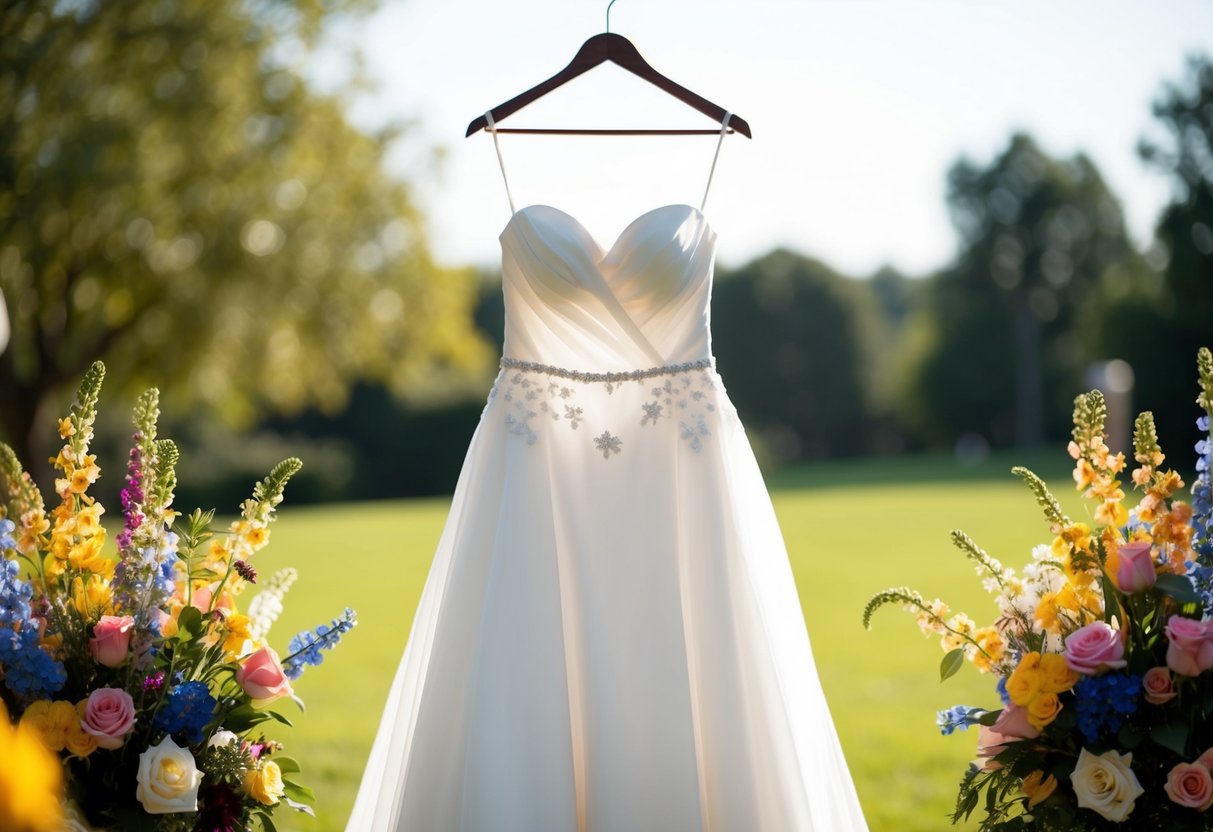
Many brides today embrace the symbolism of white for love and celebration, regardless of their past. You should feel free to express yourself in a way that feels right for you. The choice to wear a white dress is personal and should reflect your unique style and feelings on your special day.
History and Significance of White Wedding Dresses

The tradition of wearing white wedding dresses holds a unique place in modern culture. It is often linked to ideas of purity and innocence, but it has a rich history that goes back centuries. Understanding its origins can help you appreciate this symbol more deeply.
Origin of the White Gown Tradition
The white wedding dress tradition began with Queen Victoria of the United Kingdom. In 1840, she wore a white lace gown for her marriage to Prince Albert. Prior to this, brides chose dresses in various colors, often based on what was practical.
Queen Victoria’s choice marked a significant change. The white gown quickly became a symbol of purity and innocence. As more brides opted for white dresses, this color gained deeper meaning, eventually becoming the standard choice for weddings in Western cultures. Today, even those who may not fit the traditional view of virginity wear white, reflecting personal choice over societal norms.
White Wedding Dress and Its Cultural Impact
Wearing a white dress has influenced many beliefs and traditions in wedding culture. The color white is often seen as a symbol of purity, but its meaning has broadened over time.
For many, the white wedding dress now represents a fresh start or a new beginning rather than just virginity. Many brides embrace this symbolism, expressing their individuality. As styles evolve, some choose to wear color or mix elements in their wedding attire, showcasing a shift towards personal expression.
This cultural evolution emphasizes that your wedding day is about your unique story and joy. Wearing white, or choosing not to, reflects your values and personal journey.
Modern Interpretations of Wedding Dress Color
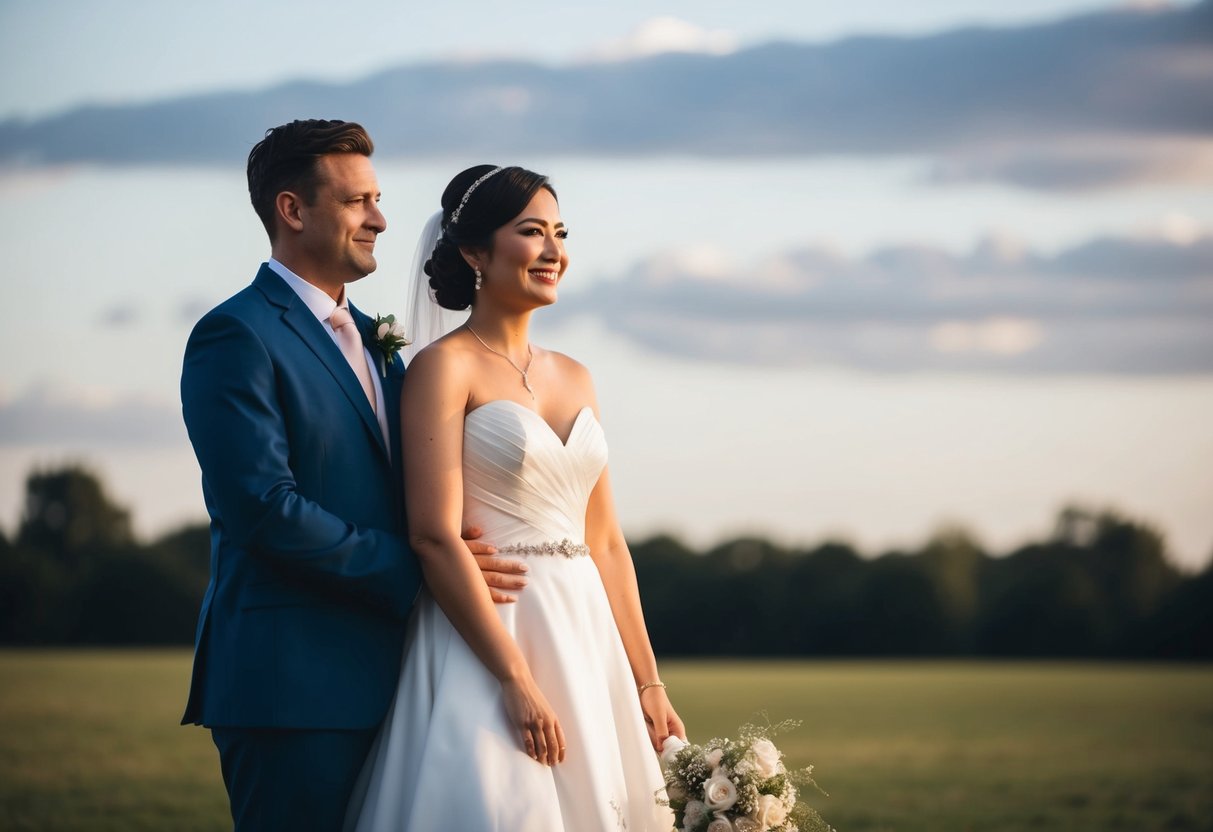
Choosing your wedding dress color today can be a personal and meaningful decision. Many modern brides embrace their unique styles and the significance behind their color choices. This section explores current trends and the meanings of different wedding dress colors.
Color Trends and Personal Choices
In recent years, wedding dress colors have expanded beyond traditional pure white. Many brides now choose shades that reflect their personality and style. Options like ivory, champagne, and soft pastels have become popular.
These colors can symbolize different aspects of love and joy. For example, a champagne dress can offer a warm and romantic feel, while an ivory wedding dress adds a classic touch. You have the freedom to express yourself through color.
Brides today often prioritize their feelings over conventional norms. This allows for a joyful experience on your wedding day beyond simply following tradition.
Meaning Behind Different Wedding Dress Colors
Understanding the meaning behind various wedding dress colors can be helpful. Each color can represent different qualities and emotions.
- Pure White: Often symbolizes innocence and purity, but it doesn’t have to define you.
- Ivory: A softer alternative that conveys elegance and tradition.
- Champagne: Reflects warmth and sophistication, perfect for modern brides.
- Colored Dresses: Vibrant shades can represent personal style and individuality.
Choosing your wedding dress color allows you to celebrate your love story uniquely. Whether you opt for classic white or embrace a bold color, your choice is about celebrating your happiness and commitment.
Choosing Your Wedding Dress

Selecting your wedding dress is an exciting part of planning your special day. You have many options and your choices can reflect your personality, style, and commitment to love, regardless of past experiences.
Factors to Consider for Your Perfect Dress
When choosing your wedding gown, think about your body shape and skin tone. Different styles complement different figures.
For example, A-line gowns are flattering on many body types, while fitted styles enhance curves.
Next, consider the dress code for your celebration. If your wedding is formal, a traditional bridal gown may be ideal. For a casual ceremony, a simpler style may be more suitable.
Don’t forget comfort! You will want to enjoy your day without worrying about your dress. Try on various fabrics and silhouettes to see what feels best. Involve a wedding planner if you need help navigating styles and options.
Inclusive Attire Decisions for Every Bride
It’s important to remember that every bride deserves to feel beautiful in her dress choice. If it’s your second marriage, wearing white is completely acceptable. Many brides embrace traditional white gowns regardless of their past.
You can also explore color options that suit your personal style. Soft pastels or bold hues can make a lovely statement.
Additionally, consider the traditions you want to honor. Some cultures have specific attire preferences. Choosing attire that reflects your background can add special meaning to your day.
Whatever you choose, make sure it represents you and the love you are celebrating. Your wedding is about your unique journey, so embrace every aspect of it!
Cultural and Global Perspectives on Bridal Wear
Bridal wear varies widely around the world, reflecting different cultures, traditions, and beliefs. Understanding these perspectives can help you appreciate the significance behind different choices, including wearing white or choosing other colors.
Wedding Attire in Different Cultures
In many Western cultures, brides typically wear white to symbolize purity and new beginnings. This custom became popular in the 19th century thanks to Queen Victoria. Nonetheless, other cultures embrace unique colors and styles.
For example, in Eastern cultures, a red wedding dress is often favored. Red symbolizes luck and prosperity, making it a popular choice for brides in countries like China and India.
Brides may also choose traditional wedding dresses that reflect their heritage. These dresses highlight rich cultural histories and can vary significantly between regions. Understanding these differences adds depth to your own choices.
Adaptation of Traditional Attire in Contemporary Weddings
Many couples blend traditional and modern styles in their weddings. This changes how wedding attire is perceived and worn. For example, some brides might wear a white gown for the ceremony and then change into a colorful dress for the reception. This mix allows you to honor both tradition and personal preference.
Bridal fashion today is more inclusive than ever. Brides are free to express their individuality through their choices. This changes the meaning of wearing white or any other color. It emphasizes that your attire reflects who you are, not just cultural expectations. You have the freedom to choose a dress that resonates with your journey, regardless of past experiences.