
Can I Write Mr. and Mrs. with Both Names? Understanding Proper Usage
When addressing a couple, you might wonder if you can use Mr. and Mrs. with both names. Yes, you absolutely can write Mr. and Mrs. with both names, especially if you want to include a personal touch.
This option allows for a more casual or inclusive way to acknowledge both partners, which can be especially meaningful in today’s diverse relationships.
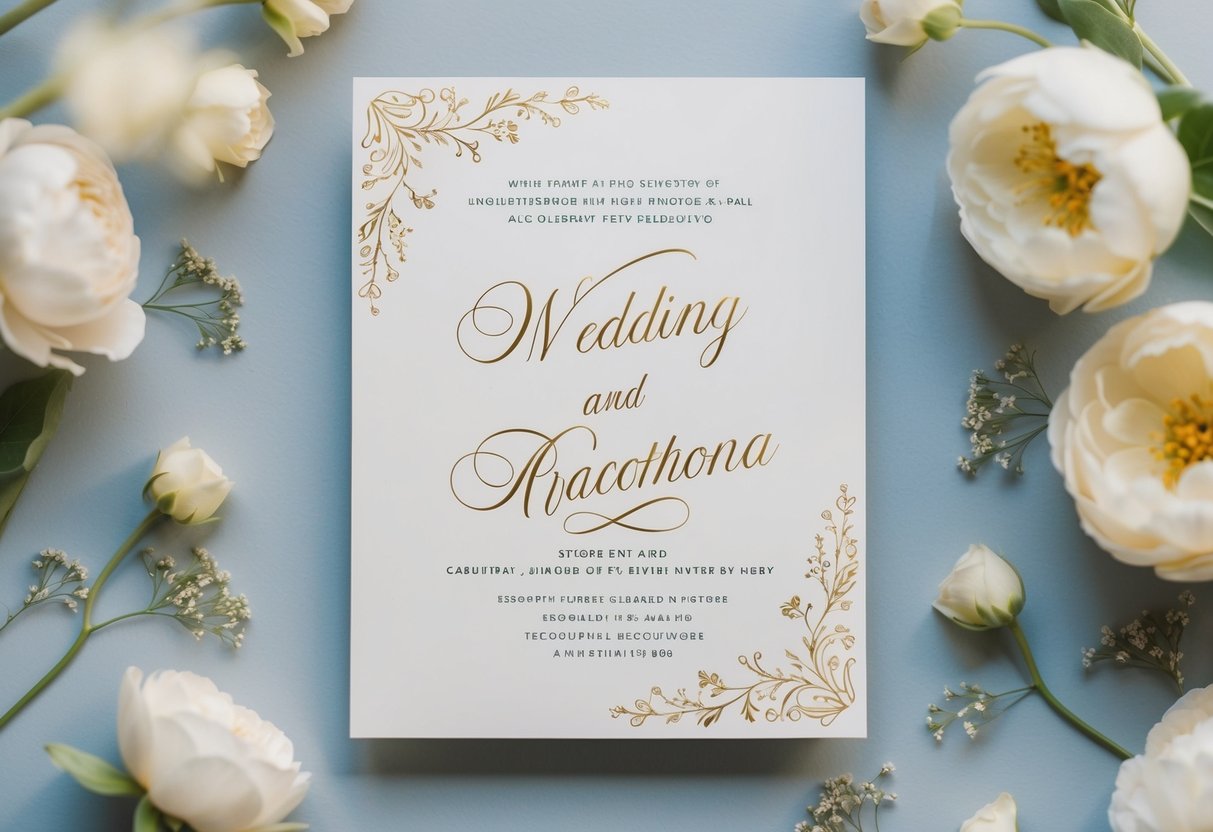
For formal invitations or announcements, tradition often favors using the husband’s name only, like Mr. and Mrs. John Smith. However, many people prefer the approach of listing both first names, such as Mr. John and Mrs. Jane Smith, which fosters a warm and personal connection.
Ultimately, how you choose to address a couple depends on your relationship with them and their preferences. It’s all about showing respect and consideration, so don’t hesitate to ask if you’re unsure!
Understanding the Tradition of Addressing Couples

When addressing couples, there are traditional and modern practices to consider. Understanding these methods can help you choose the right form of address for your cards and invitations.
History of ‘Mr. and Mrs.’ in Formal Invitations
The salutation “Mr. and Mrs.” has been a long-standing tradition in addressing married couples. This format dates back to a time when the husband’s name would often precede the wife’s, emphasizing the husband’s role in the partnership.
Using “Mr. and Mrs.” is seen as formal and respectful. For instance, you might write “Mr. and Mrs. John Doe.” This approach highlights the shared last name, which is fundamental in traditional etiquette.
Though this style is widely accepted, its popularity has shifted, especially with changing views on gender roles. People now often discuss how to address couples fairly, leading to the exploration of other forms of address.
Forms of Address for Married and Unmarried Couples
When addressing married couples, there are several options beyond the classic “Mr. and Mrs.” You can include both first names, such as “John and Jane Doe.” This approach adds a personal touch and reflects a more contemporary view.
For unmarried couples, it’s respectful to use both names, typically in alphabetical order. For example, “Ms. Jane Smith and Mr. John Doe” is appropriate. This format avoids assumptions about marital status while still recognizing both individuals.
Same-sex married couples often prefer using both names, similar to heterosexual couples. Addressing them as “Mr. Alex and Mr. Jamie” or “Mrs. Sarah and Mrs. Kelly” maintains respect and equality.
Choosing the right address shows consideration for the couple’s relationship and preferences.
Crafting the Perfect Wedding Invitation
Creating the perfect wedding invitation involves careful attention to detail, especially when addressing envelopes. It’s important to follow proper etiquette and add a personal touch to make your invite memorable.
Addressing Envelopes with Etiquette
When addressing your wedding invitation envelopes, start with the couple’s names. For a traditional approach, use Mr. and Mrs. followed by the husband’s full name. For example, “Mr. John Smith and Mrs. Jane Smith” is one option.
For same-gender couples or when using both first names, you might say “Ms. Jane Smith and Ms. Mary Johnson.” Another choice is to address them as “Mr. John and Mrs. Jane Smith” for a more modern feel.
Always ensure the envelope address is clear and legible. Use formal titles like Mr., Mrs., or Ms. to show respect. Avoid using abbreviations unless they’re commonly accepted.
Adding a Personal Touch to Invitations
Incorporating a personal touch enhances the uniqueness of your wedding invitation. You can start with a short phrase that reflects your relationship, such as “together with their families.”
Consider using your own handwriting for addressing the envelopes. This adds warmth and authenticity to your invitations. You might also choose a special font or color that represents your wedding theme.
Additionally, including a small design element, like a floral motif or your monogram, can personalize the look. Don’t forget to express your excitement with a heartfelt note inside your invitation. This small addition can make your guests feel extra special and involved in your big day.
Other Considerations in Addressing Correspondence
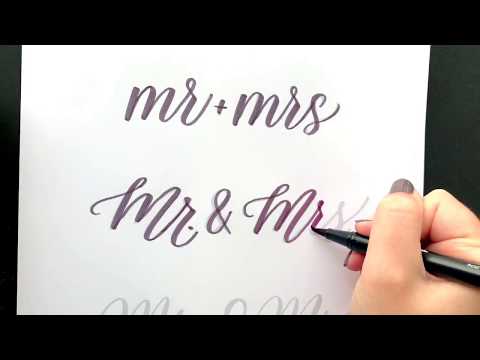
When addressing correspondence, you want to ensure that your salutation and return address are clear and respectful. This enhances both the formality and clarity of your message, whether it’s a formal letter or a holiday card.
Salutations for Formal Letters and Holiday Cards
Choosing the right salutation is important for any formal letter. Use Mr. and Mrs. followed by the husband’s full name for traditional couples. For example, write “Mr. and Mrs. John Smith.”
If both partners have different last names, it’s best to list them with their titles. A common format is “Ms. Jane Doe and Mr. John Smith.” This respects both identities and adds a personal touch.
For holiday cards, you can be more casual. A friendly “Dear Jane and John” works well if you know the couple personally. If unsure, stick to formal titles. This ensures that you show respect while maintaining a friendly tone.
The Importance of Accurate Return Addresses
Accurate return addresses are crucial for any correspondence. Your full name, street address, city, postal code, and any apartment numbers should be included. This information ensures that your recipients can easily reply.
For addressing wedding invitations, being exact is essential. Mistakes can cause confusion, especially for events inviting many guests. Make sure to use both names and accurate addresses.
If you’re part of a same-sex couple, use names in alphabetical order to show equality. Listing both partners clearly in your return address helps avoid assumptions and respects everyone involved. Keep your return address neat and easy to read.