
Can I Zoom a Wedding? Tips for Virtual Celebrations and Online Guests
If you’re wondering whether you can zoom a wedding, the answer is yes! A Zoom wedding, or virtual wedding, allows you to celebrate your special day with friends and family from anywhere in the world. This option has become popular, especially for those wanting to include loved ones who can’t attend in person.
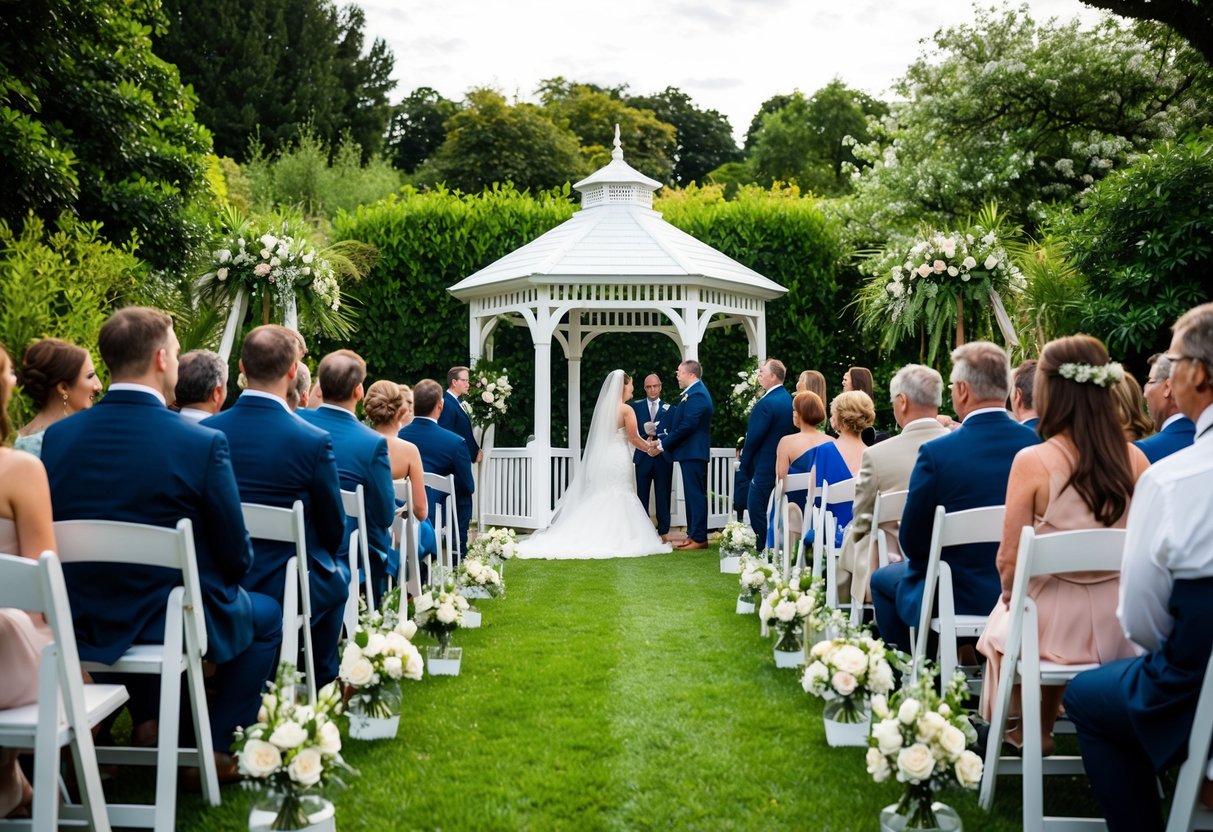
Planning a Zoom wedding can be both simple and fun. You can still include many of the traditional elements you love, like vows, cake cutting, and toasts, while using video calls to connect everyone.
With the right planning, your special day can be memorable, even in a virtual setting.
Getting started is easier than you might think. By choosing the right platform and setting the scene, you’ll create an inviting space for your guests. Just imagine sharing this unique experience with everyone you care about, no matter where they are!
Planning Your Zoom Wedding

Planning a Zoom wedding involves unique details that need your attention. From choosing the date to creating engaging digital invitations, each step is vital to ensure your virtual ceremony flows smoothly.
Selecting the Right Date and Time
When choosing a date and time for your Zoom wedding, consider the availability of your wedding guests.
Weekends and evenings are popular choices, as many people can attend. Check time zones if your loved ones are in different regions.
Also, think about significant dates like anniversaries. After deciding on the date, be sure to send out invitations early. This gives everyone enough time to mark their calendars and set reminders.
Setting Up Your Zoom Account
Before your wedding day, create a Zoom account if you haven’t already. A free account allows for 40-minute calls with up to 100 participants, which may be suitable for small weddings.
If you expect more guests or want extended time, consider upgrading to a paid subscription. This gives you access to features like larger participant limits and unlimited meeting durations, ensuring your ceremony can run without interruptions.
Creating a Guest List for Virtual Attendance
Making a guest list is crucial for your Zoom wedding. Start by deciding who you want to invite. Include close friends, family, and anyone else special to you.
Once you have your list, reach out to guests via email or social media. Using a wedding planner can help manage this process. Compile their email addresses for easy access when sending out invites. Remember to ask for any virtual attendance needs, like special accommodations.
Designing Digital Wedding Invitations
Your digital invitations should reflect your wedding style. Use templates available online or design one that matches your theme. Tools like Canva or Adobe Spark make it easy to create beautiful invitations.
Keep the invitation clear and concise. Include important details like the date, time, and the Zoom link. You might want to mention any dress codes or special instructions for the guests. Sending out invitations via email ensures they are received quickly.
Creating engaging digital invitations can set the tone and excite your guests for the big day.
Technical Aspects of a Live-Streamed Ceremony

When planning a live-streamed wedding ceremony, pay attention to several key technical aspects. These include ensuring a stable internet connection, choosing the best streaming service, optimizing camera and sound quality, and preparing for any technical issues that may arise.
Ensuring a Stable Internet Connection
A strong and reliable internet connection is crucial for a smooth live stream. This means having a minimum upload speed of at least 3 Mbps, but faster is better. You can check your speed using websites like speedtest.net.
Try to connect your device to the router using an Ethernet cable for the best results. Always avoid relying on Wi-Fi alone, as interference can cause interruptions.
You may also want to limit the number of devices connected to the same network during the stream.
Consider having a backup connection, like a mobile hotspot. This way, you can switch if issues arise. Slow connections can turn a joyful event into a frustrating experience, so be prepared.
Choosing the Best Streaming Service
Selecting the right streaming service can make a big difference in your experience.
Zoom is a popular choice for live-streamed weddings, as it allows two-way engagement with guests. This means they can see and hear each other, adding a personal touch to your ceremony.
Other options like YouTube Live or Facebook Live are also available. Each has its pros and cons regarding features and accessibility.
Research these platforms to find the one that best suits your needs. Make sure to test the chosen platform before the big day to familiarize yourself with its features. You should also have a clear plan to share the live stream link with your guests ahead of time.
Optimizing Camera and Sound Quality
Great visuals and sound are essential for keeping your virtual guests engaged.
Use a high-quality camera, such as a DSLR or a good webcam. Position the camera at eye level for the best angle and framing.
Invest in an external microphone to enhance sound quality. Built-in microphones often pick up unwanted noise.
Test the audio levels before the event to make sure your vows are clear and audible.
If you are using multiple cameras, practice switching between them to keep the view dynamic. Good lighting is also important, so try to find a location with natural light or set up soft lights. This will help create a warm, inviting atmosphere for your guests.
Preparing for Technical Issues
Despite the best planning, technical issues can happen. To be ready, have a tech support person on standby. This could be a tech-savvy friend or family member who can troubleshoot problems quickly.
Create a checklist of potential issues like camera errors or sound lapses and practice solutions. A rehearsal with all tech in place can help you identify any weak spots.
Have backup devices ready, such as an extra laptop or phone, in case of failure. Make sure the live stream links work on different devices to avoid any surprises for your guests.
Legal Considerations and Documentation
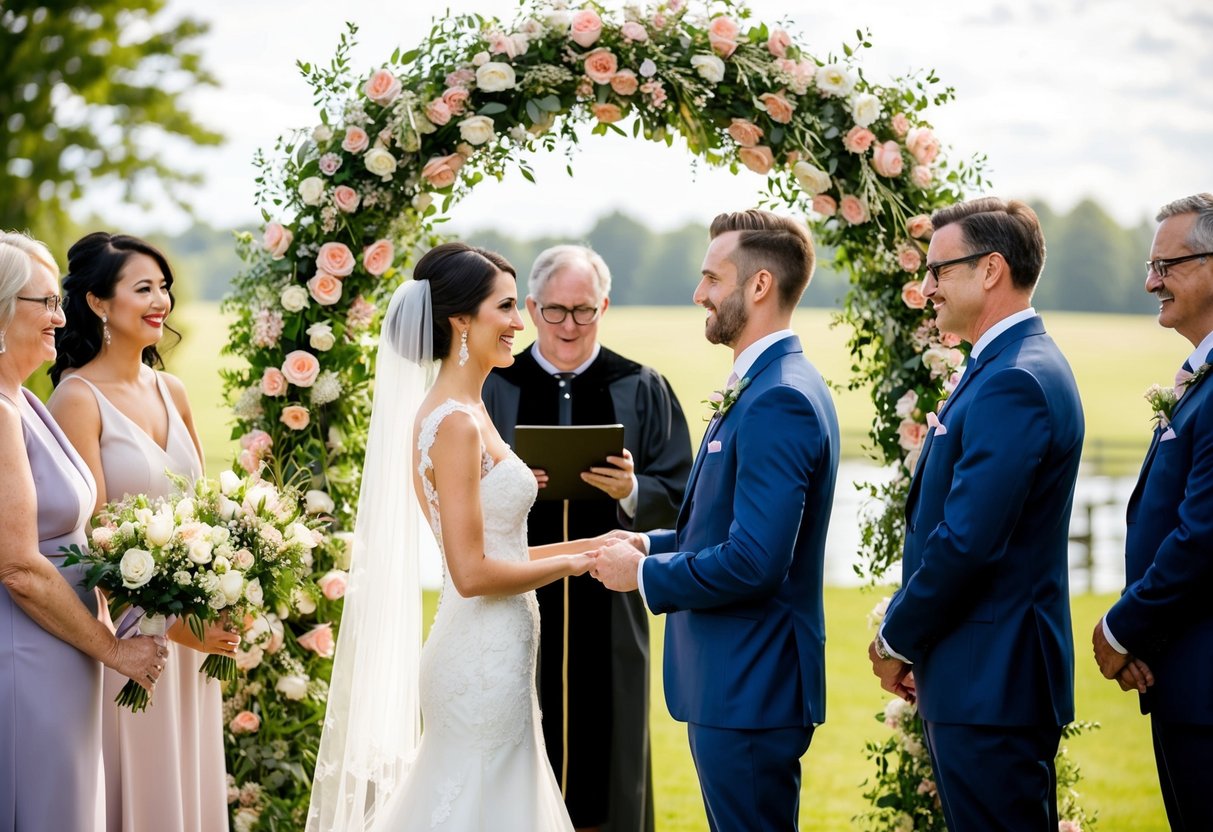
When planning a virtual wedding, it’s crucial to understand the legal aspects involved. This includes knowing the marriage laws in your state, how to obtain the necessary documents, and working with an officiant who is qualified to conduct online ceremonies.
Understanding Online Marriage Laws
Marriage laws vary from state to state. Some states allow virtual weddings while others do not. It’s essential to check if your state offers online marriage options.
You can find this information by visiting your local government’s website or looking at reliable sources. Many states now have adapted their laws to include remote ceremonies due to recent changes in legal practices.
Always verify that the laws are current, as these rules can change.
Obtaining a Marriage License and Certificate
To have a legal Zoom wedding, you must first get a marriage license. This license is typically issued by your county or state government.
Steps to obtain a marriage license:
- Check Location Requirements: Some states require in-person applications.
- Fill Out the Application: Provide necessary information such as identification and residency.
- Pay the Fee: Be prepared to pay a small fee for processing.
After the ceremony, you will need to obtain your marriage certificate. This document serves as proof of your marriage.
Ensure that you follow your state’s guidelines for filing this certificate after your virtual wedding.
Working with an Officiant for Virtual Ceremonies
Choosing the right officiant is key for your virtual ceremony. Not all officiants may be qualified to perform online weddings.
Here are some tips for finding an officiant:
- Research: Look for officiants who specialize in virtual ceremonies.
- Check Credentials: Ensure they are licensed and know the laws in your state.
- Discuss Logistics: Talk about how the ceremony will be conducted online.
Once you find the right officiant, work with them to create a meaningful ceremony. They will guide you through the legal requirements and help make your virtual wedding special.
Personalizing Your Virtual Wedding Experience
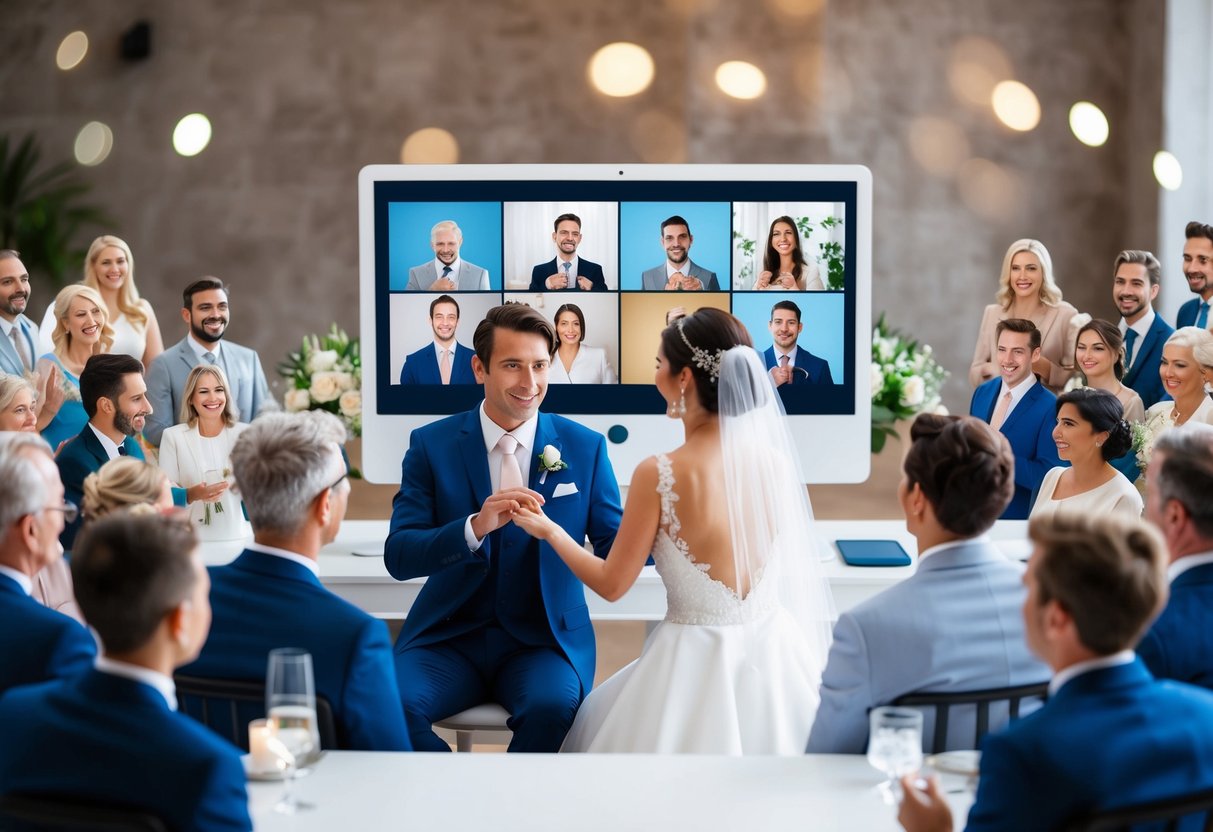
Personalizing your virtual wedding can create a more engaging and memorable experience for you and your guests. Consider adding interactive elements, choosing unique virtual background, setting up a virtual reception, and curating a special wedding music playlist. Each of these details can take your live-streamed wedding to the next level.
Incorporating Interactive Elements for Guests
Interactive elements can bring your virtual wedding to life. Think about including polls or quizzes for your guests during the ceremony. These can be fun and accessible, keeping everyone engaged.
You can also encourage your guests to share their own special moments via video messages. You might ask them to share a favorite memory of you and your partner. This adds a personal touch and makes everyone feel included.
Consider sending out props like confetti or bubbles for guests to use during the ceremony. You can let them know when to use the props to create a lively atmosphere. This little gesture can make your virtual wedding feel more festive.
Choosing a Virtual Background
Selecting a virtual background is an easy way to enhance your wedding’s aesthetic. You can choose a simple, elegant design or a themed background that matches your wedding colors.
If you’re feeling creative, personalize your background with images of places you love, like a favorite vacation spot or your hometown. This can make your virtual setting feel more intimate.
Make sure your background is not too distracting. The focus should remain on you and your partner. A serene, beautiful backdrop can set the right tone for your wedding.
Providing a Virtual Reception Experience
A virtual reception offers a unique way to celebrate with your guests. After the ceremony, consider hosting smaller breakout rooms for different groups.
Think about sending out virtual invites for these sessions where family and friends can chat. You can have themed rooms, such as games, dance parties, or a cocktail hour.
Don’t forget about the food! You might arrange for a meal delivery service to send snacks or desserts to your guests. Sharing a meal together, even online, creates a connection that resonates.
Creating a Memorable Wedding Music Playlist
Your wedding music playlist sets the mood for your special day. Start by including your favorite songs, as well as tracks that hold special meanings for you and your partner.
Consider asking your guests for song requests ahead of time. This can help you create a diverse mix that includes something for everyone.
Sharing the playlist with your guests can make them feel more involved.
You might also hire a DJ who can play music live during your virtual reception. This adds a professional touch, turning your wedding into a true celebration.
Your playlist can make your virtual wedding feel dynamic and memorable.