
Can Registrars Marry You Anywhere? Exploring the Flexibility of Marriage Ceremonies
If you’re planning a wedding, you might wonder about the role of a registrar in your ceremony. Many couples envision saying “I do” in a place that means something special to them. Unfortunately, registrars cannot marry you anywhere you choose. Instead, they can only perform ceremonies in licensed venues.
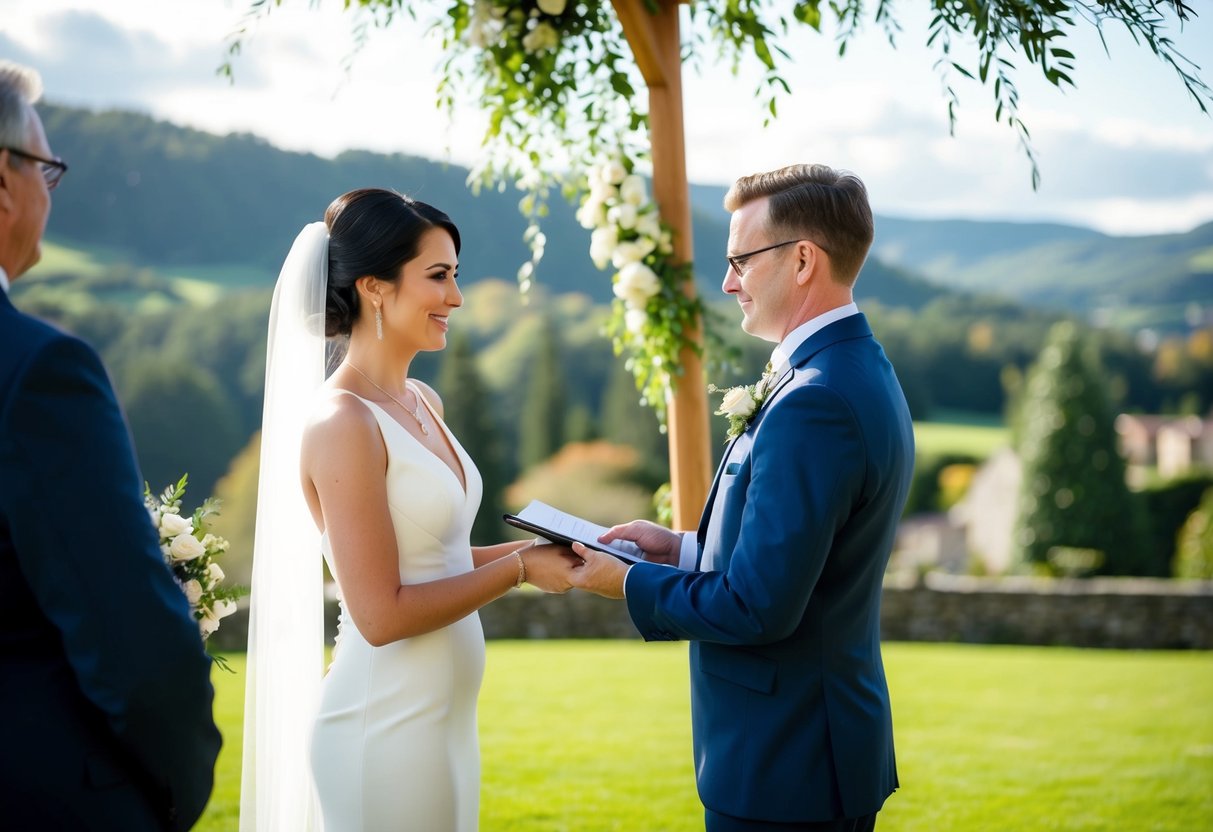
This means that if you want to have your wedding in a beautiful garden or a cozy home, you may need to consider other options. Celebrants offer more flexibility and can hold ceremonies in various locations, unlike registrars who are restricted by licensing regulations.
Understanding these restrictions can help you make better choices for your wedding. Knowing where registrars can legally perform marriages will guide you in your planning and ensure your special day goes smoothly.
Understanding the Role of Registrars in Marriages
When planning your wedding, understanding the role of registrars is essential. They ensure your marriage is legally binding, guiding you through the necessary legal paperwork. This section will explore the differences between registrars and celebrants and the legal duties of registrars.
Registrar vs. Celebrant
A registrar is an official who can legally marry you and your partner. Their role is vital for a civil marriage. If you prefer having a wedding that follows specific legal requirements, a registrar is your best choice.
In contrast, a celebrant offers more flexibility in how your ceremony looks and feels. While celebrants can personalize your ceremony, they cannot legally register your marriage without a registrar present.
You often have to choose a licensed venue for a registrar-led wedding. This limits where you can say “I do.” However, celebrants can conduct ceremonies in more unique locations.
Legal Duties of a Registrar
The primary duty of a registrar is to ensure that your marriage is legally recognized. They handle all necessary legal paperwork, which includes issuing your marriage license. This license is crucial for legal registration of your marriage.
When you choose to marry in a registry office, the registrar will guide you through the process. They verify that you meet all legal requirements and witness your vows.
After the ceremony, registrars also prepare your marriage certificate. This document serves as official proof of your marriage and may be required for various purposes, including name changes or legal documentation.
In short, registrars play an essential role in making your marriage official and binding through legal means.
The Legalities of Marriage Ceremonies
When planning your marriage ceremony, it’s essential to understand the legal requirements and options available. This section covers the necessary documentation, differences between civil partnerships and marriages, and where you can hold a legal ceremony.
Marriage Schedule and Documentation
Before your wedding, you need to book a marriage schedule. This is a formal document that allows you to get married legally. You will need to give notice of your intention to marry at your local registry office.
This notice usually has to be given at least 28 days before the ceremony. During this time, the registrar will check if there are any legal reasons preventing your marriage. It’s crucial to have proper identification, like a passport or birth certificate.
Additionally, you must have two witnesses present at your ceremony. They need to be at least 16 years old. Make sure they are reliable and understand what’s involved in being a witness.
Civil Partnership vs. Civil Marriage
A civil partnership and a civil marriage have similar legal standings, but there are key differences. A civil partnership is designed for same-sex couples and provides legal rights and responsibilities.
On the other hand, a civil marriage is available regardless of gender. Both require you to follow legal procedures. This includes giving notice and holding a ceremony in front of an approved officiant.
Civil ceremonies may appeal to those wanting a simple, no-frills approach to marriage. They can be quick and don’t require religious elements.
Approved Premises for Legal Ceremonies
If you’re wondering where you can get married, it’s vital to know about approved premises. These are venues lawfully recognized for holding marriage ceremonies. You can choose from a variety of locations like hotels, stately homes, or dedicated wedding venues.
To hold your ceremony at an approved premise, it must be licensed for marriages. You should contact the venue ahead of time to ensure it meets all legal requirements. Don’t forget to plan for your witnesses to be there!
Always check local laws, as they may vary depending on where you live. Knowing where you can marry is an important part of your planning process.
Planning Your Wedding with a Registrar
Planning your wedding with a registrar is an exciting journey. You can choose a unique venue, add personal touches to your ceremony, and ensure you meet all legal requirements.
Selecting a Venue
Choosing the right venue is key to your celebration. Registrars can legally marry you at various locations, from beautiful parks to chic hotels.
Here are some points to consider:
- Licensed Venues: Make sure your chosen venue is licensed for civil ceremonies. This ensures that your wedding will be legally recognized.
- Outdoor Options: Many couples opt for stunning outdoor settings. Just check with the registrar about any regulations for outdoor ceremonies.
- Capacity: Think about how many guests you want. Some venues accommodate large groups, while others are perfect for intimate gatherings.
Don’t forget to visit potential venues to see how they fit your vision!
Personalizing Your Ceremony
A registrar offers flexibility to make your ceremony special. You can include personal vows, special readings, or even music that reflects your relationship.
Consider these ideas:
- Personal Vows: Writing your own vows adds a personal touch. Speak from the heart about what your partner means to you.
- Flowers: Choose floral arrangements that match your wedding theme. Fresh flowers can enhance the beauty of your ceremony.
- Music: Select songs that are meaningful to you as a couple. Music can set the tone for this important moment.
Remember, your ceremony should feel authentic to you both!
Legal Requirements and Paperwork
It’s crucial to handle all legal requirements to ensure your marriage is valid. Start by booking an appointment with your local registrar.
Keep these points in mind:
- Identity Verification: Bring necessary documents like your birth certificate and valid ID. This proves your identity and eligibility to marry.
- Giving Notice: You must give notice of your marriage at least 29 days before the ceremony. This involves signing a legal statement at your local registry office.
- Costs: Be aware that there may be fees involved, such as the cost to give notice, which is usually around £35 each.
Being prepared with the right paperwork will make your wedding day smoother!
Adding Personal Touches to Your Ceremony
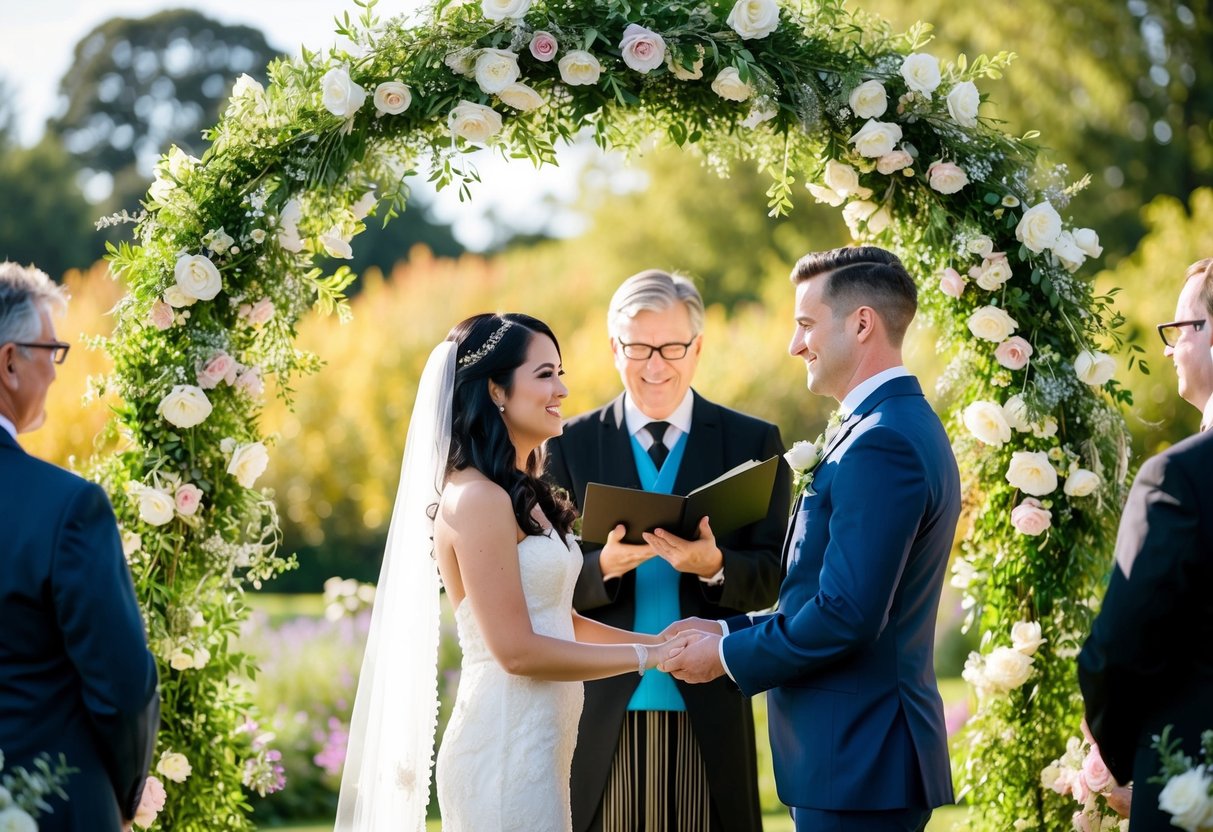
Creating a meaningful ceremony is all about adding elements that reflect your personality and beliefs. You can make your wedding unique by including spiritual or cultural traditions and planning celebrations that extend beyond the official ceremony.
Incorporating Spiritual or Cultural Elements
If you want to celebrate your heritage or beliefs, consider incorporating spiritual content into your ceremony. This can include readings from sacred texts, blessings, or rituals that hold significance for you and your partner.
You might also choose a celebrant-led ceremony where the officiant includes elements that resonate with both of you. This could be as simple as lighting a unity candle or more elaborate like a sand ceremony.
Involving your loved ones, such as best men and bridesmaids, can deepen the experience. You could have them participate in specific rituals that celebrate your roots, making everyone feel included.
Celebrations Beyond the Official Ceremony
The fun doesn’t have to stop at the ceremony. You can host various celebrations that reflect your joy and personality.
Consider live entertainment options like a band or DJ that fits your style to keep your guests engaged.
Additionally, organize fun activities that encourage guest interaction.
You might set up games or photo booths with props related to your story.
Location matters too. Hosting events in beautiful spots like the Cotswolds can add a special touch to your celebrations.
They provide a stunning backdrop and create lasting memories.