
Can the Bride and Groom Sit Alone at the Reception? Exploring Table Etiquette for Newlyweds
As you plan your wedding reception, you may wonder about the best seating arrangement for you and your partner. Many couples choose this option for a more intimate experience, allowing them to enjoy private moments together during the celebration.
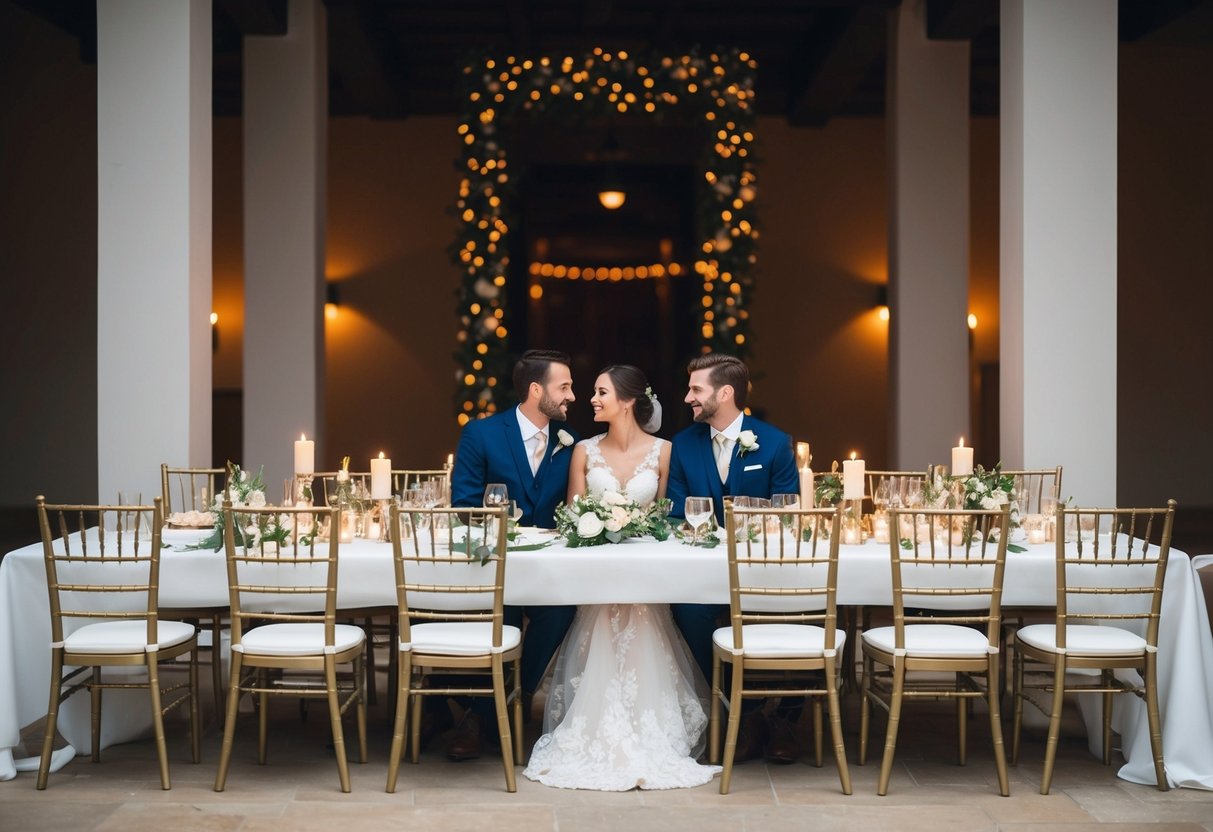
Sitting alone at a sweetheart table gives you a chance to connect amidst the festivities. It can also offer a wonderful view of your guests, letting you appreciate everyone who came to celebrate your special day. By being solo at your table, you can create a unique atmosphere that feels cozy and personal.
If you feel that being apart from your friends and family might be isolating, consider other seating options as well. Whether you opt for a sweetheart table or a head table with your wedding party, the goal is to create a comfortable space that reflects your style and allows you to enjoy your big day fully.
Reception Seating Basics
When planning a wedding reception, understanding seating arrangements is crucial. You want to create a comfortable atmosphere for your guests while ensuring everyone feels included. Here’s what you need to know about seating etiquette and the essentials for your seating plan.
Seating Etiquette
Seating etiquette plays a big role in how your guests enjoy the reception. Traditionally, the bride and groom can choose to sit alone at a sweetheart table or with their wedding party at a head table. If you decide on a sweetheart table, it allows for intimacy and a chance to reflect on the day together.
If you opt for a head table, it typically includes the bridal party and maybe close family. It’s good practice to seat the bride to the groom’s left. Make sure that each seat at your wedding seating chart reflects relationships, so guests feel comfortable with their companions.
Seating Plan Essentials
Creating a seating plan can sometimes feel like a puzzle. Start by gathering information on your guests to understand their relationships. You can create a wedding seating chart that groups family and friends together.
Consider assigned seating to avoid confusion. This can be outlined in a simple seating chart displayed at the entrance of the reception. Labels can help guests find their tables easily.
Be mindful of guests who may need special arrangements, like those with dietary restrictions. Including a space at the table for them can make a big difference. Planning well can ensure everyone has an enjoyable experience.
Exploring Bridal Table Options
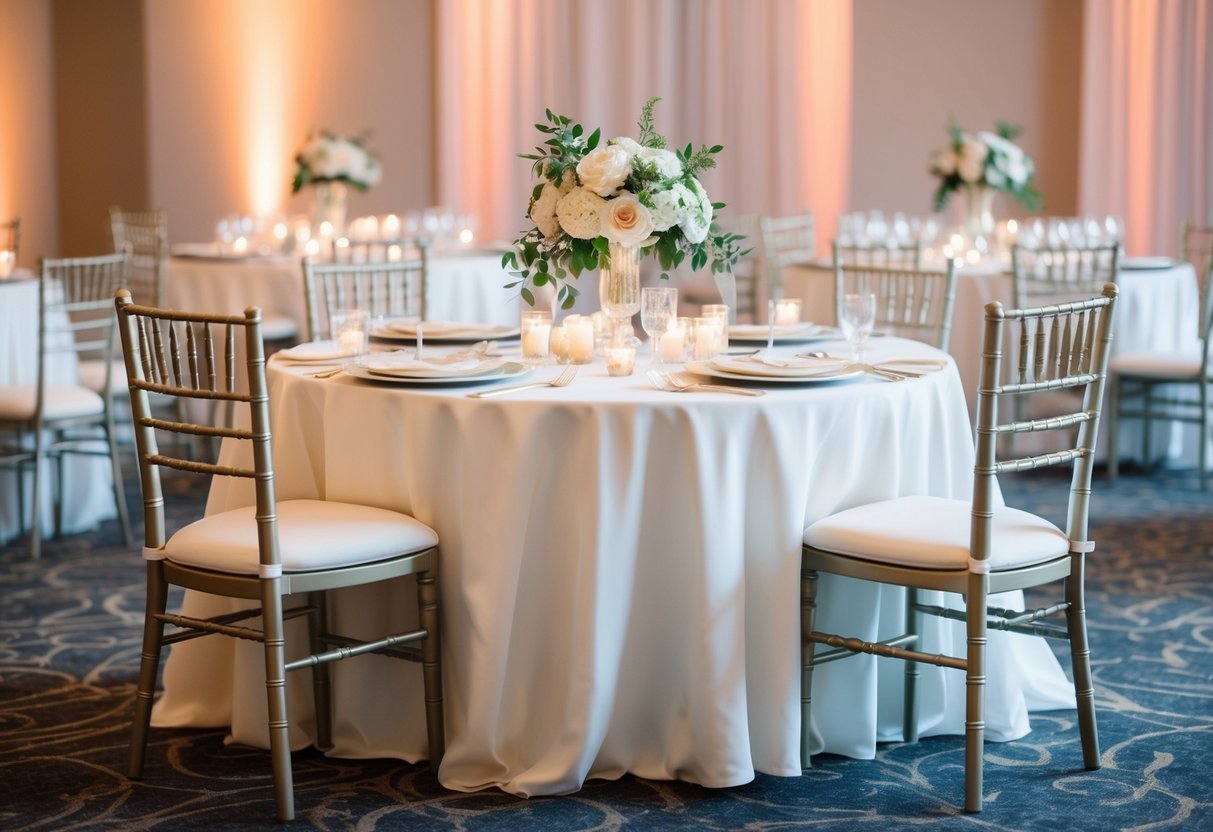
When planning your wedding reception, you’ll need to consider the different table options for you and your partner. Two common choices are the head table and the sweetheart table. Each has its own benefits and can shape the atmosphere of your celebration.
Head Table Considerations
The head table is a popular choice for many couples. It allows you to sit with your bridal party, creating a lively and supportive environment. Typically, you can choose to arrange the table with bridesmaids on one side and groomsmen on the other, or mix them up for a more casual feel.
Some couples include family members at the head table, giving everyone a chance to enjoy the celebration together. Keep in mind that while this setup fosters connection, it can also be a bit crowded if you have a large bridal party.
It’s crucial to consider the layout of the venue as well. Ensure your head table is visible to guests, making it easy for everyone to share in the special moments throughout the reception.
Sweetheart Table Advantages
Another option is the sweetheart table, where just the two of you sit together. This choice offers a chance for intimacy amidst the festivities. Many couples appreciate the quiet space to enjoy their first meal as a married couple.
You can design the sweetheart table to reflect your style, using special decor or a unique location within the venue. This setup also enables you to focus on each other and enjoy the moment, without the distractions of a large table.
For seating arrangements, your bridal party and family can be placed at nearby tables, allowing for conversation and connection while still giving you the privacy to share special moments together.
Guest Considerations and Arrangements
When planning the wedding reception, think about how to make your guests comfortable and happy. Your seating arrangements can significantly affect how well everyone enjoys the day. Consider key details like your guest list and how to accommodate different age groups.
Managing the Guest List and RSVPs
Creating a clear guest list is essential. Start by listing everyone you want to invite. Once you have your names down, send out invitations and keep track of RSVPs. This will help you finalize seating arrangements.
When you receive RSVPs, update your list to see who’s attending. It’s a good idea to have a plan for any last-minute changes. Consider using escort cards or place cards to guide guests to their seats easily. These cards can help organize the seating and ensure everyone finds their spot without confusion.
Children and the Kids Table
If you’re inviting children, having a designated kids table can be a great idea. This gives kids a space to connect and enjoy their time together. The setup can make things more relaxed for parents, knowing their kids have a fun area.
Choose an appropriate table for the kids and include some engaging activities. You might let them color or provide small toys. This keeps them occupied and happy while adults enjoy the reception. It can also help control noise levels and ensure a smoother experience for everyone.
Working with Your Wedding Planner
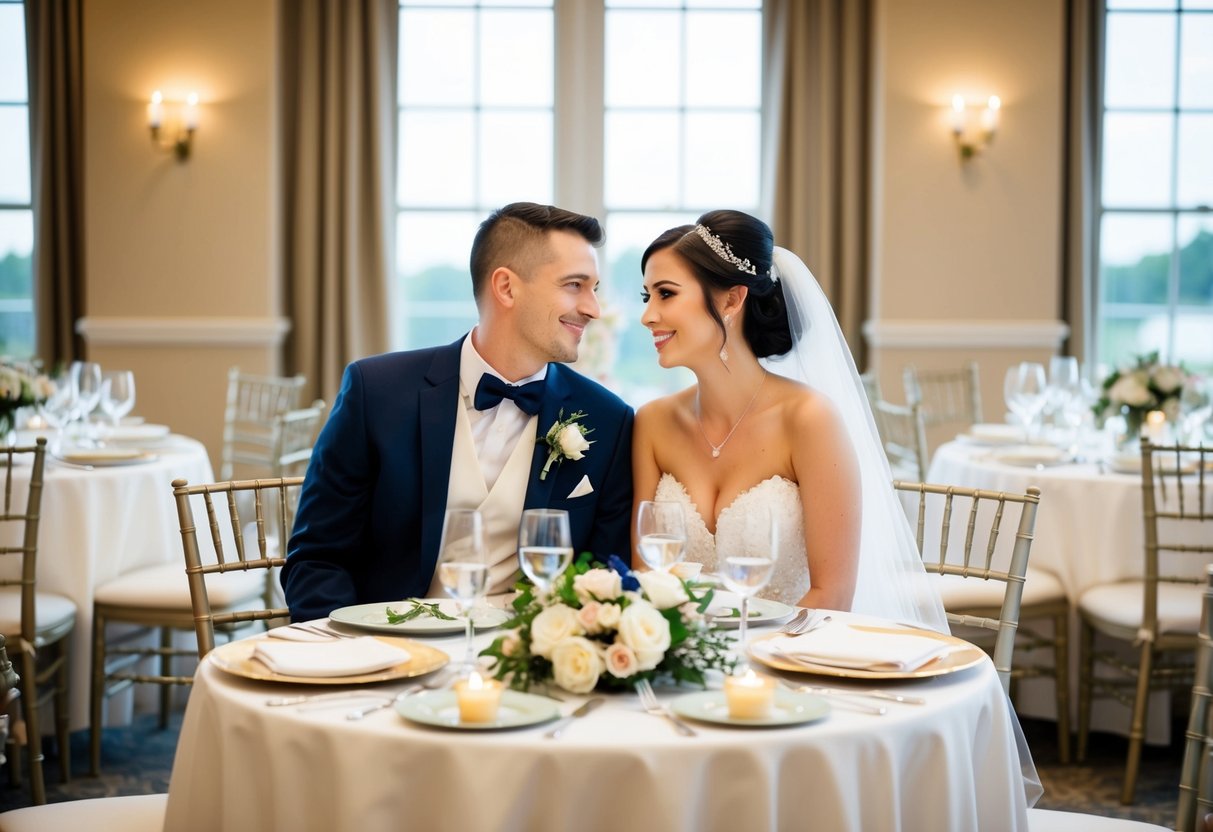
When planning your wedding, your wedding planner can be a great resource. They help manage all the details, including seating arrangements.
Discuss your preferences early on. If you prefer a sweetheart table, let your planner know. They can offer suggestions on how to make it cozy and special.
Your planner can help you decide if you want to sit alone or with guests. They might suggest seating solutions that fit your style and needs.
Key questions to ask your planner:
- What are the popular seating options?
- How can we arrange the head table?
- What layout works best for our venue?
Remember to share your vision. A good planner will turn your ideas into reality while considering comfort and flow.
Check their experience with similar weddings. You want a planner who understands your preferences while ensuring everything runs smoothly.
Staying in close contact leads to better results. Regular check-ins help address any changes or new ideas you might have.
Your wedding planner is there to make the day easier for you. They’ll guide you through the process and help create a memorable experience.