
Can the Bride Stand on the Right Side? Exploring Traditional Wedding Customs
Many couples wonder about the age-old tradition of where the bride should stand during the wedding ceremony. The bride can stand on the right side if she chooses to. While it is common for brides to stand on the left, there are no hard and fast rules that say this must always be the case.
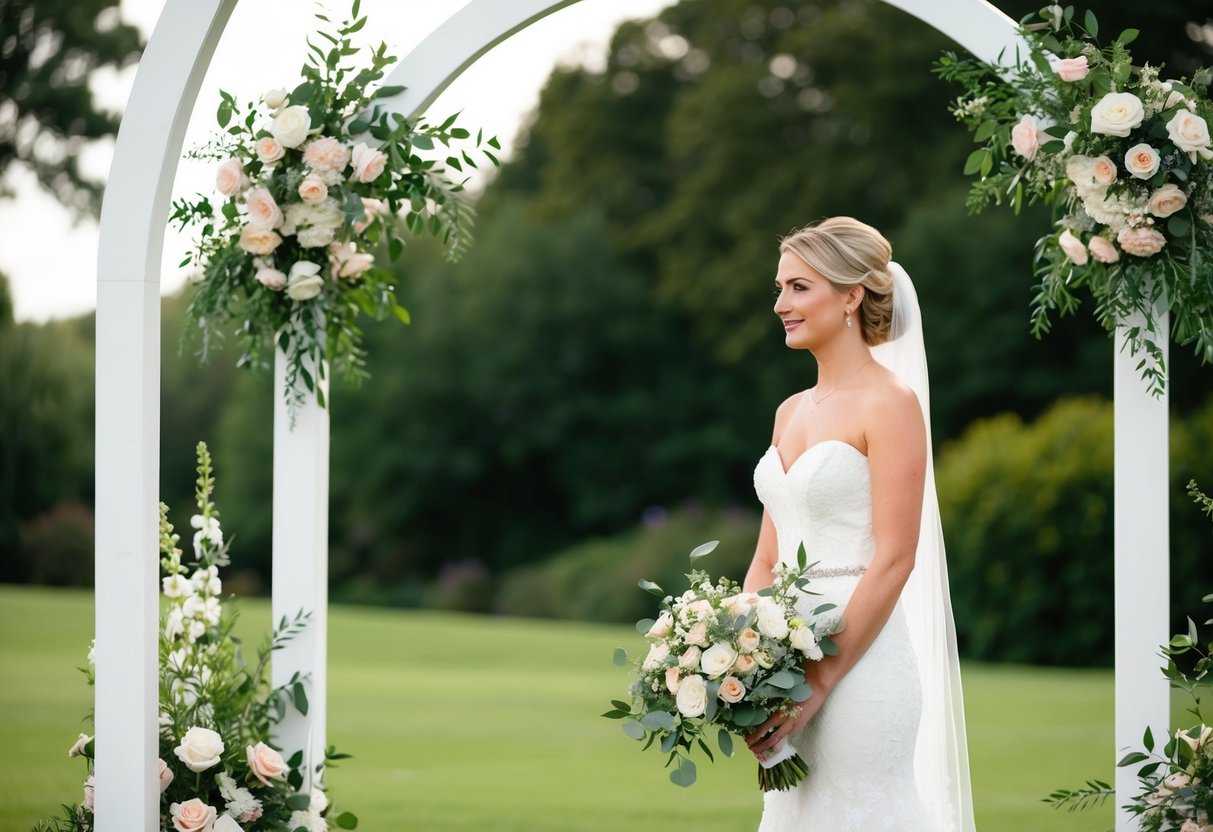
Standing on the right can hold special meaning for some couples. Some traditions, like Jewish weddings, actually place the bride on the right side. This shows how personal preferences can shape these moments, allowing you to honor your heritage or create a new tradition that suits you.
If you’re considering standing on the right, it’s worth exploring why many choose to maintain the traditional setup and what it symbolizes. Understanding these customs can help make your decision more meaningful as you plan for your big day.
Cultural and Historical Context
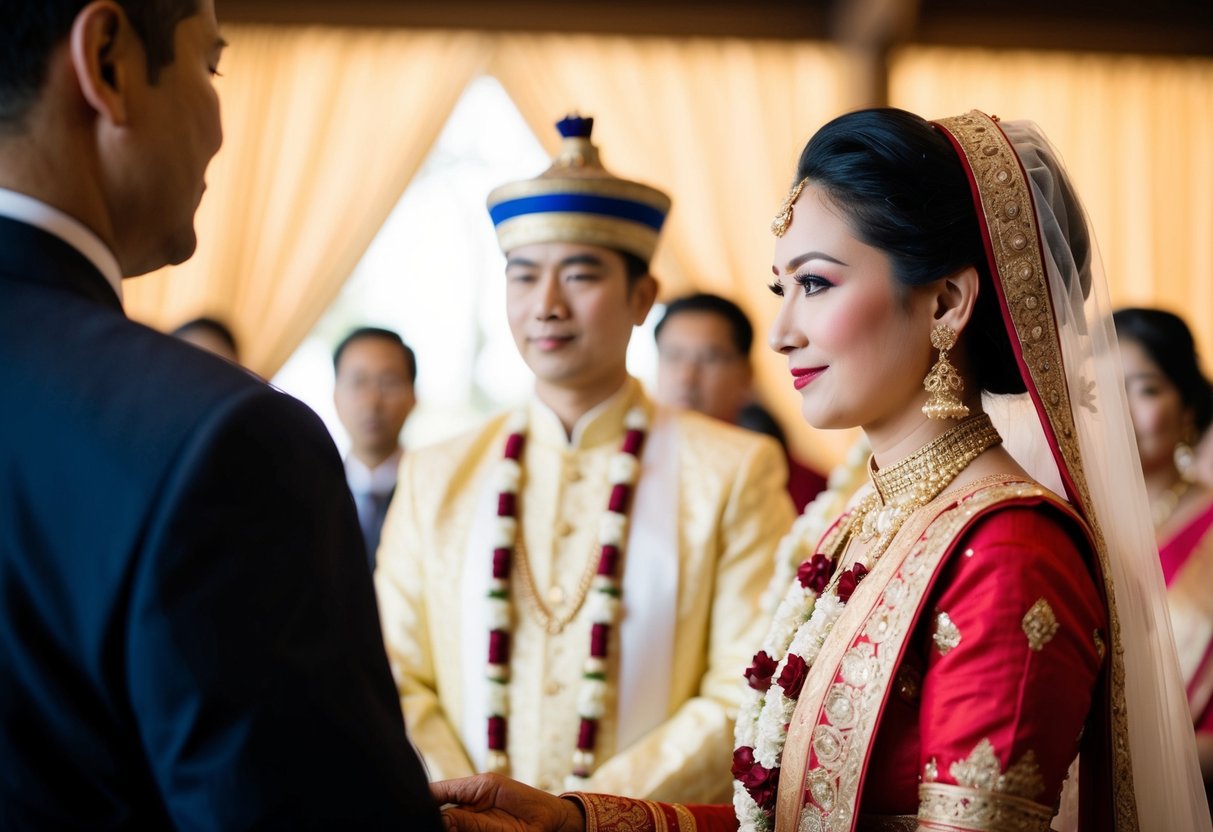
The placement of the bride at weddings has deep cultural and historical roots. This section looks at how different cultures approach the positioning of the bride and the origins of these traditions.
Wedding Traditions Across Cultures
In many Western cultures, the bride traditionally stands on the left side of the groom. This dates back to when grooms needed to use their right hand for defense. In contrast, Jewish weddings often have the bride on the right side, signifying honor and strength.
Meanwhile, Hindu weddings have the bride standing to the groom’s right. This symbolizes her role as a protector and supporter. Additionally, you might find variations, like in police weddings, where specific customs reflect the identity and pride of the profession. These practices show how cultural beliefs influence wedding traditions.
Historical Origins of Altar Placements
The origins of altar placements can be traced back to various historical practices, including marriage by capture. In older times, the groom needed to be ready for any potential conflicts. Thus, standing to the right allowed for a better defense.
Over time, these customs evolved into societal norms. The notion of a bride standing to the left became popular, intertwined with ideas of protection and tradition. Each culture’s practices give insight into the significance of these arrangements, illustrating how love and marriage are celebrated around the world.
Ceremony Structure and Etiquette
When planning your wedding ceremony, knowing the traditional positions and roles of everyone involved is key. This understanding helps ensure a smooth flow during the event and adds to the overall experience.
Traditional Ceremony Positions
In most wedding ceremonies, the bride typically stands on the left side of the altar while the groom stands on the right. This custom goes back to medieval times and often symbolizes protection. With the groom’s right hand free, he could defend his bride if needed, which is a charming part of the tradition.
The wedding officiant usually stands in the center during the ceremony. This placement allows for clear visibility for both the couple and the guests. Understanding these positions helps families and friends know where to be during the ceremony, making everyone feel included in the special moment.
Roles of the Bridal Party
Your bridal party plays an important role in the ceremony. Bridesmaids typically line up on the bride’s side, while groomsmen stand on the groom’s side. Each member fulfills a duty, such as holding bouquets or assisting with the rings.
If you have a Man of Honor or Bridesman, they usually take a place just like a traditional bridesmaid or groomsman. Their role helps break the mold of who can stand where and makes your ceremony more personal. Including friends or family members in these roles can add a meaningful touch to your big day.
Personalizing the Wedding Experience
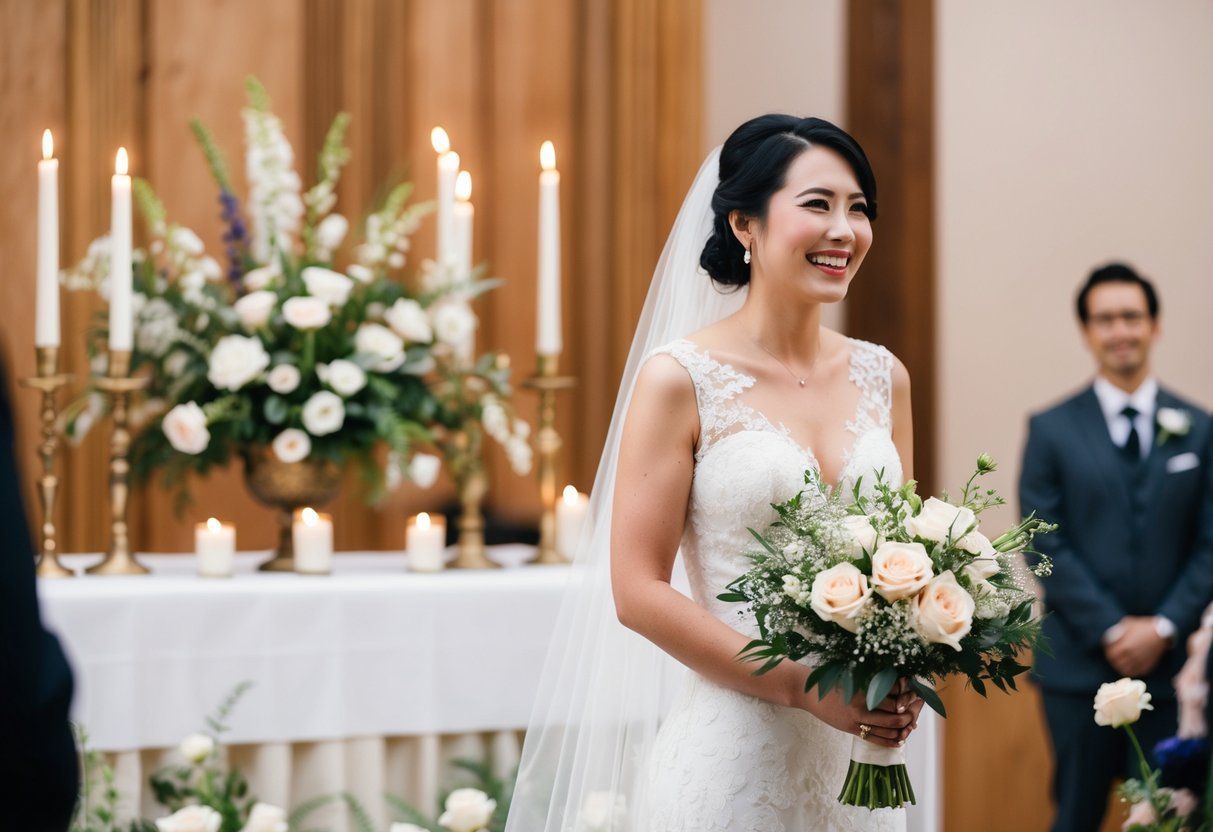
Your wedding day is a special occasion where you can express your unique love story. Making personal choices about the ceremony, including the bride’s position, adds meaning to the event. Here are some important points to consider.
Choosing the Side: Bride on the Right
Traditionally, the bride stands on the left side during the ceremony. However, many couples are choosing to flip this tradition. If you want the bride to stand on the right, that’s perfectly fine!
Choosing this option can symbolize equality and partnership. It also allows you to create a seating arrangement that feels right for you and your wedding party. Before deciding, think about the layout of your venue—especially if you’re having an outdoor wedding. You want everything to flow smoothly as you walk down the aisle.
Incorporating Personal Beliefs and Preferences
Your wedding should reflect your values and preferences. Consider how your specific beliefs about roles during the ceremony might influence your choices. For example, some couples prefer to have both partners stand side by side, which can foster a sense of unity.
Also, don’t hesitate to consult wedding planners. They can help you navigate these decisions while ensuring your day is flawless. No matter your choices, it’s essential that the celebration of love feels authentic to you. Remember, it’s about what makes you happy and comfortable.