
Can the Groom Seat His Mother? Navigating Wedding Seating Arrangements with Care
As you plan your wedding, you might wonder about the roles your parents will play in the ceremony. Yes, the groom can escort his mother to her seat. This is a meaningful gesture that shows respect and love. This moment can be special for both of you, allowing a chance to share a little emotional moment before the ceremony begins.
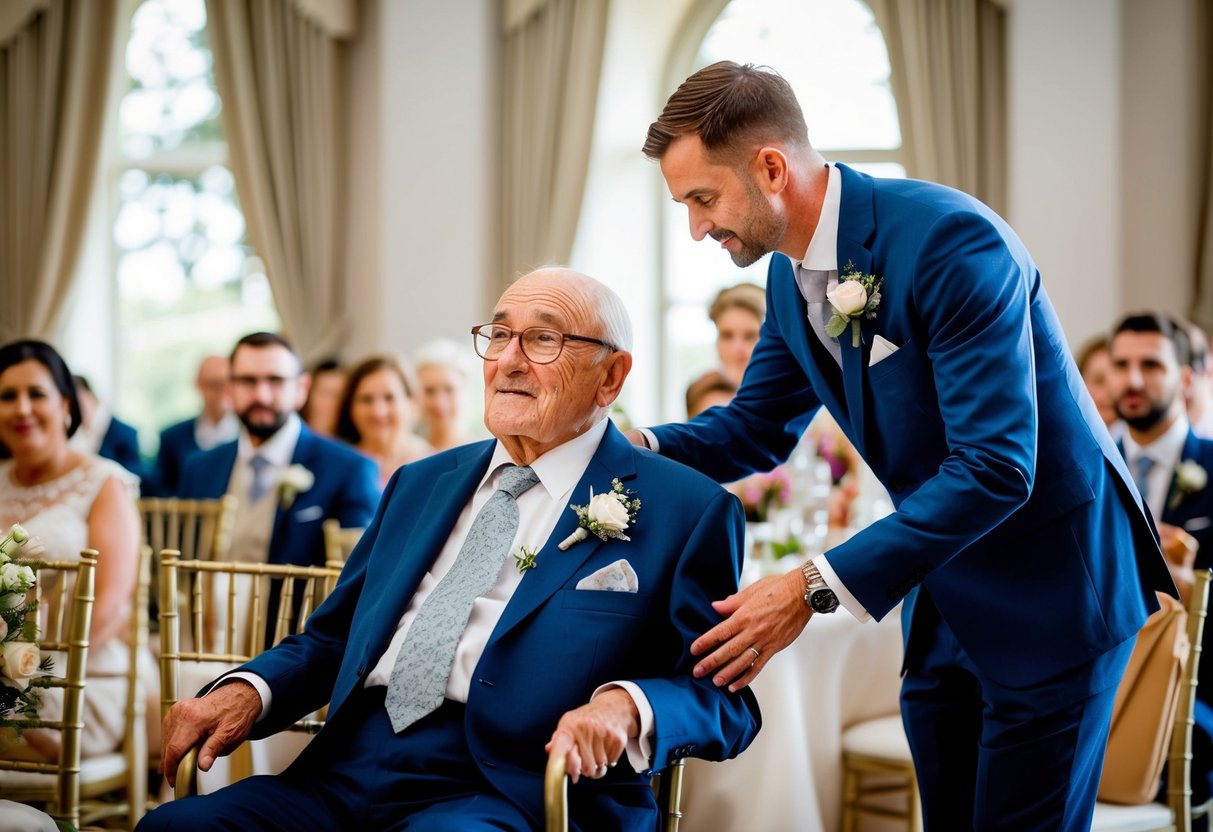
Traditionally, grooms often have various responsibilities, from standing at the altar to greeting guests. Including your mother in this part of the ceremony can highlight your bond and appreciation for her throughout your life. It’s a great way to make your wedding personal and memorable.
Consider how this simple act can add warmth to your ceremony. You might even find that it helps set the tone for a loving and joyful celebration as you start your new chapter.
The Significance of the Mother of the Groom in Wedding Ceremonies
The mother of the groom plays a vital role in wedding ceremonies across cultures. Her presence and involvement can add emotional depth and family unity to the special day. Understanding her importance can enhance the overall experience for everyone, including the groom and the guests.
Cultural Importance and Responsibilities
In many cultures, the mother of the groom has specific responsibilities during wedding ceremonies. In a Jewish wedding, she might light the candles or assist with family traditions. Meanwhile, in a Hindu wedding, she may escort the groom to the mandap, symbolizing family support. For Christian weddings, her role may include offering prayers or readings.
These roles represent respect for family traditions and help create a loving atmosphere. Beyond responsibilities, the mother of the groom is often a source of comfort and guidance throughout the planning process. Her involvement fosters family unity and shows support for the couple’s new journey together.
Respect and Care Integrations
Having the mother of the groom involved in weddings emphasizes respect and care within the family. You can take time to ensure she feels included and valued. This can be through simple gestures like asking her opinion on certain aspects of the ceremony.
Seating the mother of the groom close to her family can also signify her important role. Involving her in planning discussions can make her feel appreciated. This integration highlights the warmth and love that family brings to a wedding, making everyone feel connected on this significant day.
Roles and Positions during the Wedding Processional
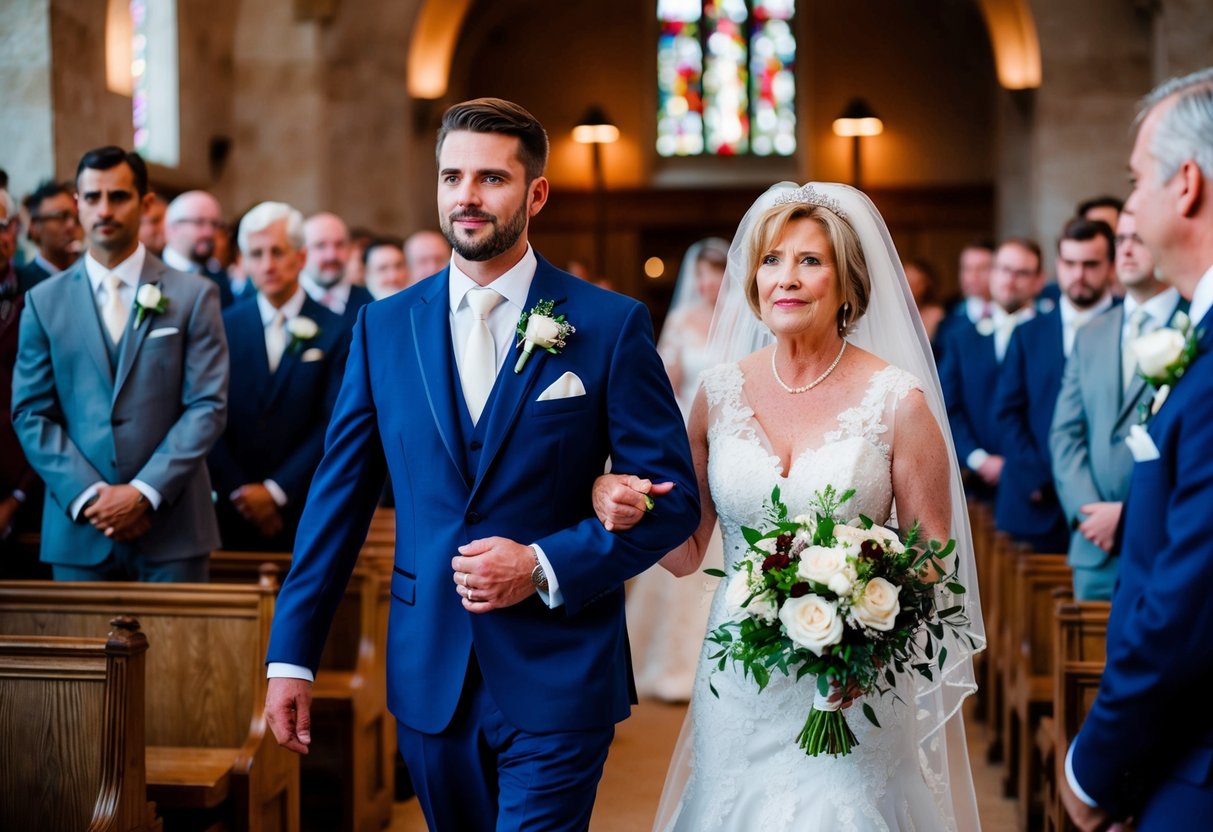
Understanding the roles and positions during the wedding processional is crucial for a smooth ceremony. The processional order sets the tone and structure, helping everyone know their place. This section will cover the conventional orders and address who is responsible for escorting the mother of the groom.
Conventional Processional Orders
In a typical wedding processional, the order usually begins with ushers leading guests to their seats. Then, the grandparents walk down the aisle, followed by the mother of the groom and the mother of the bride. The groom’s parents often take their places before the bridal party appears.
Following the mothers, the officiant takes their position near the altar, ready to begin the ceremony. Then comes the bridal party, including bridesmaids and groomsmen, before the bride walks down the aisle, often accompanied by her father or both parents. In some traditions, the couple may even choose to include a family candle ceremony before taking their places at the altar.
Who Escorts the Mother of the Groom?
Traditionally, the mother of the groom is escorted by a family member or a close friend. This could be the groom himself, a sibling, or another relative. It’s a meaningful moment, giving her special recognition as she makes her way down the aisle.
In some ceremonies, the groom may want to accompany his mother directly. This option highlights their bond and allows for a heartfelt moment before the ceremony begins. Regardless of who escorts her, make sure to involve her in the planning process to honor her role and feelings on this significant day.
Navigating Family Dynamics at the Wedding
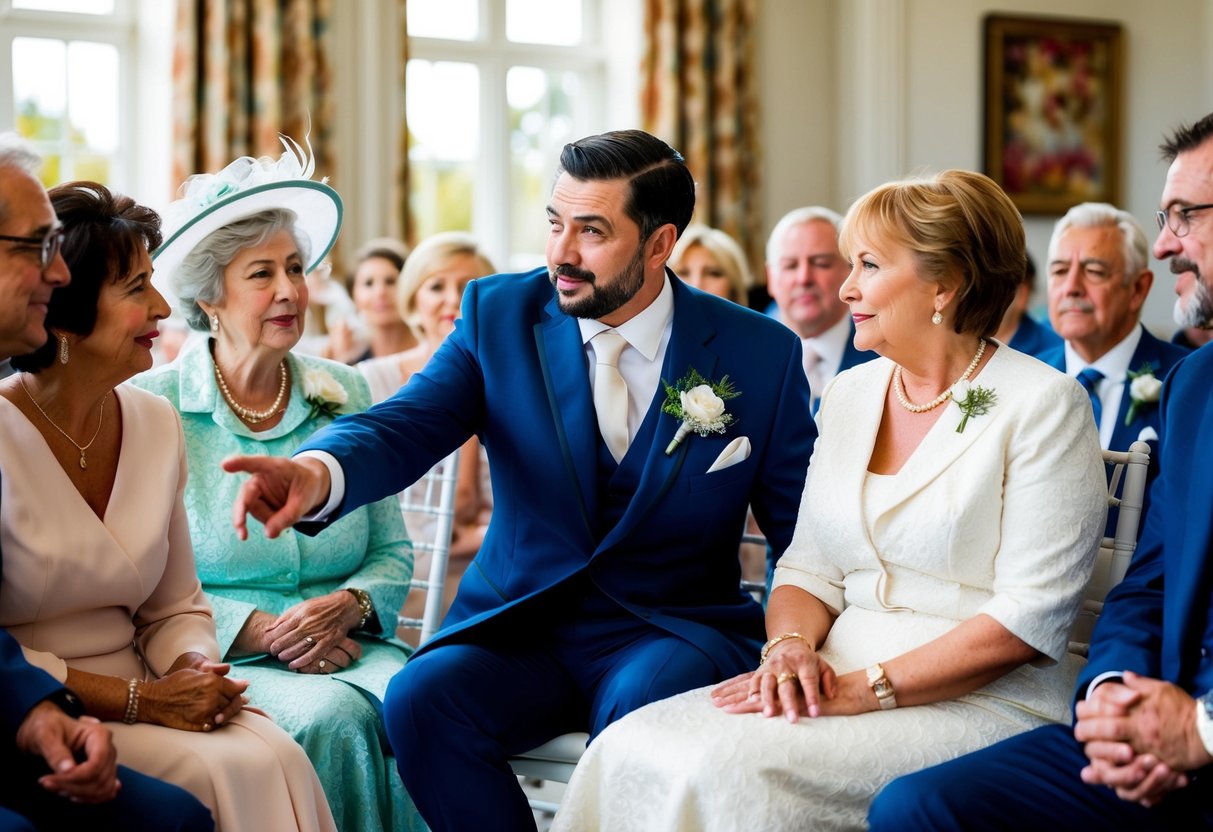
Weddings can bring together a variety of family relationships, especially when it comes to seating arrangements. It’s important to consider how to honor family bonds while respecting unique family dynamics. You’ll want to create a comfortable environment for everyone involved.
Divorced Parents and Seating Etiquette
When parents are divorced, seating can get tricky. It’s best to think carefully about their feelings. You might choose to seat your mother near the front, but consider her comfort level first.
Typically, the groom’s mother can be seated on the right side at the head table. This shows her special role. If your parents have tension, think about seating your father a few pews back. This allows both parents to feel included without too much pressure. Clear communication is key here.
Creating a Memorable Moment for the Groom’s Mother
Think about ways to make the moment special for your mother. One option is to escort her down the aisle. This act highlights your bond and shows her how much you appreciate her support.
You could also include a special ritual. For example, lighting a family candle together can mark the day as important for your family. It shows unity and respect for family ties. Adding small thoughtful touches can create lasting memories for her and everyone present.
Modern Wedding Practices and Inclusions
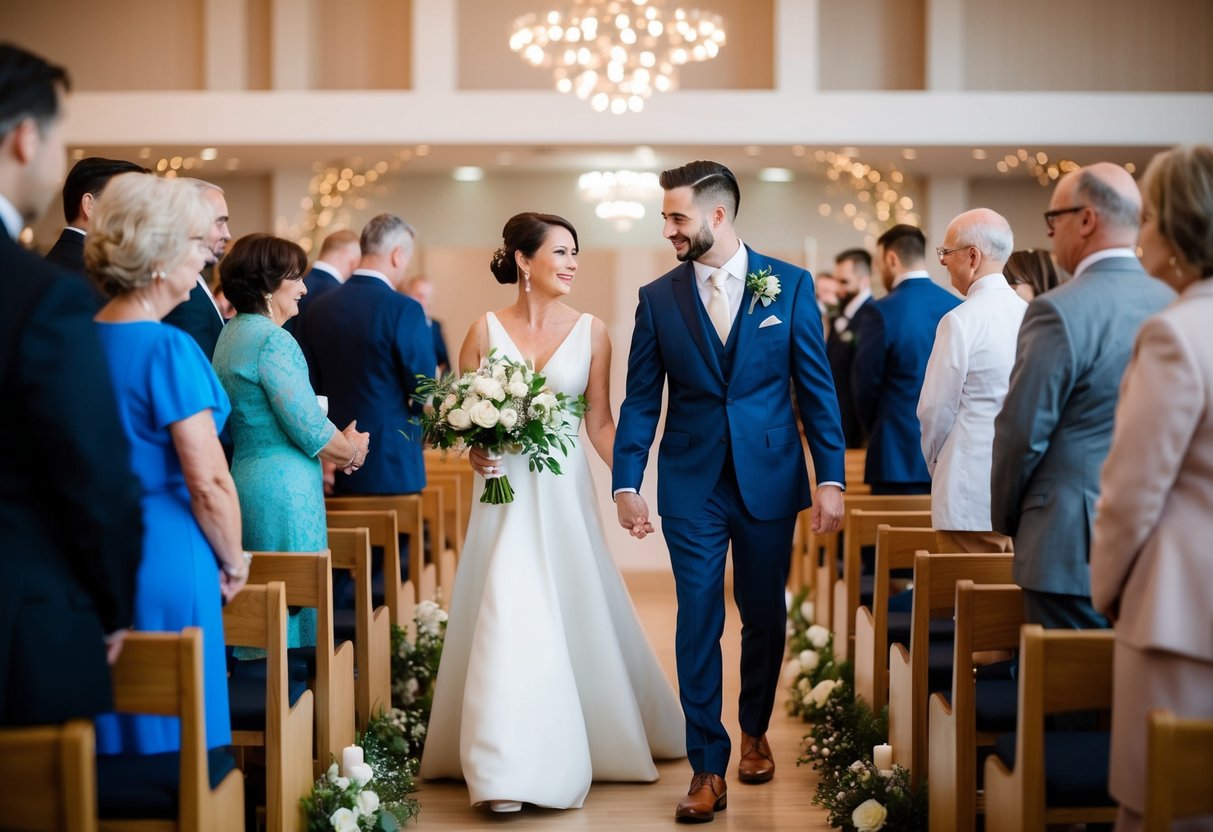
In modern weddings, traditions are evolving to embrace diverse family dynamics and personal preferences. This shift allows for more inclusive practices that cater to non-traditional ceremonies and same-sex marriages, ensuring every family member feels valued.
Adapting Ceremonies for All Family Members
You have the freedom to design your wedding ceremony to reflect your values and family structure. In today’s modern weddings, it’s common for couples to incorporate various family members in significant roles.
For instance, you might choose to have the groom escort his mother down the aisle. This can be a beautiful gesture that honors family bonds.
Another option is to include close relatives in unique ways, such as having them light candles or read passages. A guest list may also highlight family diversity, showcasing friends and relatives regardless of their roles in traditional customs.
Special Considerations for Non-Religious and Same-Sex Weddings
Non-religious weddings are becoming increasingly popular. In these ceremonies, you have the flexibility to craft a personalized ceremony that mirrors your beliefs and relationships.
For same-sex couples, incorporating elements like family unity ceremonies can enhance the celebration. You might choose to have parents or siblings give blessings or participate in rituals that signify their support.
These practices can be incredibly meaningful and foster strong connections among family and friends. Remember to communicate with your family about what’s important to everyone involved; it can lead to a more memorable experience.