
Can the Groom Take the Bride’s Name? Exploring Modern Naming Choices in Marriage
When it comes to wedding traditions, one question often arises: can the groom take the bride’s name? The answer is yes! Many couples today choose to challenge old customs, allowing the groom to adopt the bride’s last name after marriage. This decision can symbolize equality and partnership in your relationship.
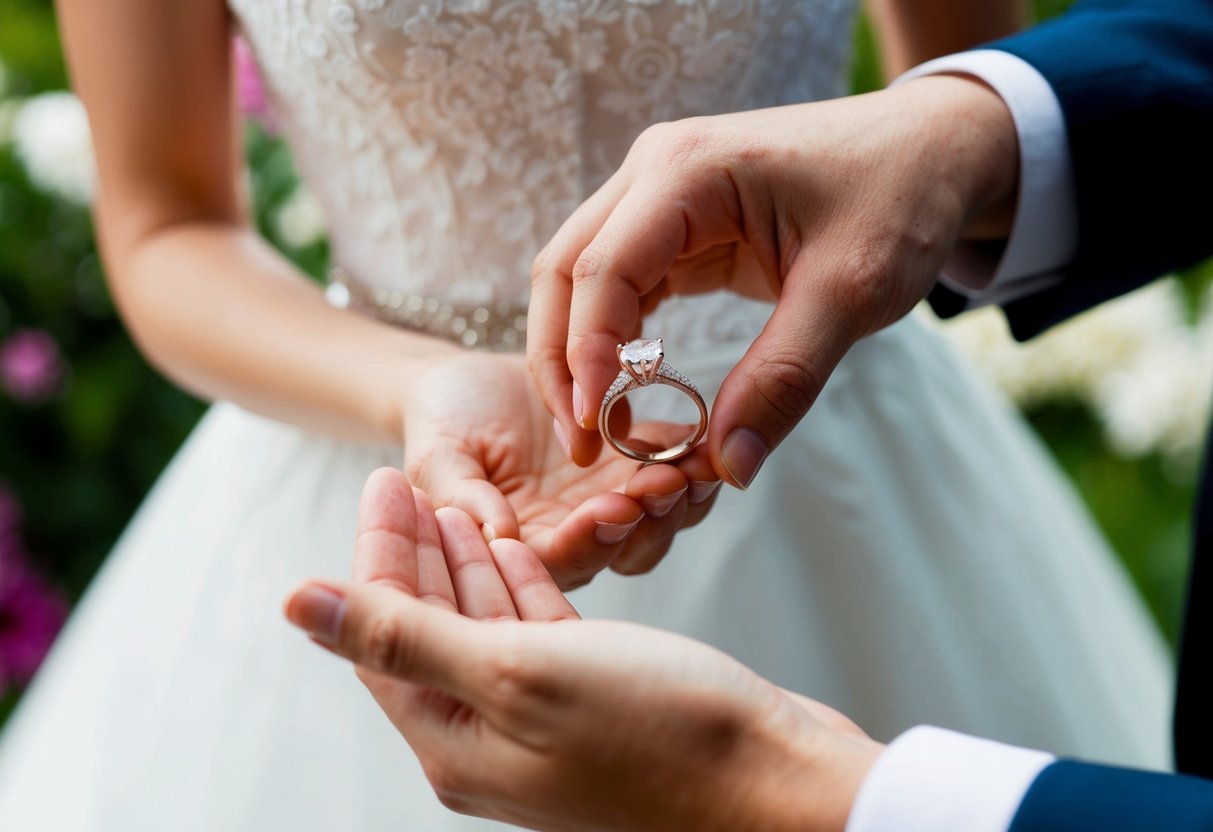
Choosing to switch last names can feel empowering. It not only reflects modern values but also allows you to keep a special connection to your family’s heritage.
You may find that sharing a name can foster a deeper bond and unity in your new life together.
As you plan your wedding, consider the significance of names and what they mean to you both. Whether you stick with tradition or break from it, the most important thing is that your choice feels right for you and your partner.
Cultural Significance of Last Names in Marriage

Last names carry deep cultural meaning in marriage. They often symbolize family ties, heritage, and identity. Choosing which surname to adopt can reflect personal choices and societal influences.
Historical Perspective on Marital Names
Historically, taking a husband’s last name was standard practice. This tradition dates back centuries and is found in many cultures. In many societies, marriage was viewed as a transfer of a woman from her father’s family to her husband’s family.
This practice reinforced patriarchal systems, where women’s identities were closely linked to their husbands. In the 15th century, women largely adopted their husband’s name, which was a sign of loyalty and unity. Over time, this practice became normalized, although it often overlooked women’s individual identities.
Contemporary Views on Name Changing
Today, views on last names in marriage are more varied. Many women still choose to take their husband’s last name, as about 80% of brides do, reflecting ongoing traditions. However, you may also notice a growing trend of couples opting for different arrangements.
Some couples decide to hyphenate their names, combining both surnames to honor each partner’s identity. Others may choose for the groom to take the bride’s last name, breaking from traditional norms. This shift highlights changing attitudes toward marriage, emphasizing partnership rather than ownership in family identity.
Legal Considerations and Procedures

When considering whether a groom can take the bride’s last name, it’s important to understand the legal procedures involved and the implications of this choice. Each state has its own rules for name changes, so knowing your rights and the process can help make your decision easier.
How to Legally Change Your Name Post-Wedding
To change your last name after the wedding, begin by gathering necessary documents such as your marriage certificate. This document serves as proof of your new marital status.
Next, visit the local government office where you plan to file your name change. In some states, the process may involve filling out a name change petition, while in others, it might be straightforward.
You may also need to inform other institutions, like your bank, social security office, and the DMV about your new last name. Keep copies of all documents for your records.
Understanding the Rights and Implications
Choosing to take the bride’s last name can carry personal and social implications. It’s important to consider how this decision may affect your identity, family dynamics, and social perceptions.
Legally, you will have equal rights regarding name changes in most states, though procedures differ. Some states have specific rules about changing a spouse’s name, which can influence the paperwork required.
Legal recognition might also impact your rights in various situations, such as tax documents, social security claims, or inheritance matters. Being informed will help you make the best decision for you and your family.
Social Implications and Personal Choice
Choosing whether the groom takes the bride’s name involves navigating societal expectations, personal preferences, and examples from well-known figures. Your decision can reflect your values and relationship dynamics.
Navigating Social Expectations for Name Changes
Tradition often plays a big role in name changes after marriage. Many people expect the bride to take the groom’s last name, which ties into historical norms.
If you decide for the groom to take the bride’s name, you might face questions or even disapproval from family or friends. This can be challenging, especially when expectations clash with your choices.
Remember, societal norms shift over time. What once was unheard of may become more acceptable. You can view your decision as a personal statement against outdated traditions.
The Role of Personal Preference in Name Taking
Personal choice is key when deciding on last names. You might feel strongly about maintaining your family heritage.
Some couples choose to hyphenate their names, combining both surnames. This option reflects a partnership and equality in the relationship.
Consider how each option makes you feel. It can also symbolize unity, respect, or individuality. Whatever you choose, the name should resonate with both you and your partner.
Famous Cases of Name Taking in Marriage
There are notable examples of famous individuals who have chosen unconventional name changes. For instance, the rapper Jay-Z has discussed his thoughts on last names in his music. His perspective emphasizes the challenges and considerations surrounding this decision.
Celebrities often set trends. When they take their partner’s name, it can positively influence public perception.
In these cases, you see how personal choices can go against traditional norms while also sparking conversations about identity and equality in marriage.
Communicating Your Decision

Deciding to take the bride’s last name is a personal choice. It’s important to communicate this decision clearly to your family and friends, as well as incorporate it thoughtfully into your wedding plans.
Announcing Your New Last Name
When you’re ready to share your new last name, consider how you want to announce it. You might choose a casual approach like telling family and friends directly or a more formal route such as a social media announcement.
Tips for Announcing:
- Use a friendly tone to convey your excitement.
- Explain why this choice is meaningful to you.
- Prepare for a mix of reactions; not everyone may be familiar with this practice.
Clear communication will help others understand and support your decision.
Incorporating the New Name in Wedding Invitations
Your wedding invitations are a great place to showcase your new last name. Make sure it reflects your choice in a respectful and stylish way.
Things to Include:
- Full Names: Write your full names clearly to avoid confusion. If you’re taking the bride’s last name, format it as: “John and Jessica Smith.”
- Date and Location: Support the excitement by highlighting the wedding date and venue prominently.
Consider having a small note inside the invitation explaining your name change if you think guests may need clarity. This not only informs them but also adds a personal touch to the invitation.