
Can You Ask for RSVP on Save the Date? Tips for Your Invitation Planning
When planning your big day, you might wonder about sending out Save the Dates. You should know that Save the Dates are meant to inform your guests about your wedding date and location, giving them a heads-up to mark their calendars. It’s generally not appropriate to ask for RSVPs on these announcements.

As you dive into wedding planning, you’ll want to keep things simple and straightforward. Asking for RSVPs too early can create confusion and pressure for your guests. They might not be able to confirm their attendance so far in advance, which could lead to an unpredictable guest list as you get closer to the big day.
Understanding Save the Dates

Save the dates are early notifications to your guests about your upcoming wedding. They give people a heads up about the wedding date and location, allowing them to plan ahead. Here’s what you need to know about their purpose, etiquette, and the right timing for sending them out.
Purpose of Save the Dates
The main purpose of a save the date is to inform your guests about your wedding date in advance. This is especially useful if you are hosting a destination wedding or if many guests will need to travel long distances.
By sending a save the date, you help your loved ones block off that special day on their calendars. It shows that you want them to be part of your celebration. This can also help in estimating the number of guests you will likely invite.
Keep in mind that save the dates are not invitations. They are just a way to announce the date and location. Full details, like the venue, will come later with your formal wedding invitation.
Save the Date Etiquette
When it comes to save the date etiquette, there are some guidelines to follow. First, make sure to send these cards to everyone you plan to invite to your wedding.
It’s best to be clear about the date and location. You don’t need to include detailed information, but providing a wedding website link can be helpful. This allows guests to find more information later.
Avoid asking for RSVPs on save the dates. This can put pressure on your guests and may come off as impolite, especially if you haven’t finalized your guest list yet. Save the dates are meant to be friendly reminders, not requests for commitment.
Timing for Sending Out
The timing for sending out save the dates is also important. Ideally, you should mail them out six to eight months before your wedding date. This gives your guests enough time to make travel arrangements and adjust their schedules.
If your wedding is around a holiday or a peak travel season, consider sending them even earlier—up to a year in advance.
When you send them early, you ensure that your guests can plan to be there. It helps set the tone for your celebration and shows that you value their presence on your special day.
Incorporating RSVPs into Save the Dates
You might be considering how to ask for RSVPs with your Save the Dates. This topic has both advantages and disadvantages to think about. Understanding these can help you make the best choice for your wedding planning.
Pros and Cons of Early RSVPs
Asking for RSVPs on Save the Dates can be helpful, but it comes with some drawbacks.
Pros:
- Early Commitment: You ensure that key guests plan to attend.
- Guest List Management: Early responses help you adjust your guest list before final invitations.
Cons:
- Locking in a List: You might have to finalize your guest list too early when changes are still possible.
- Pressure on Guests: Some may feel pressured to decide quickly, leading to hesitance to respond.
Weigh these factors based on your wedding needs.
Alternative Ways to Gather Preliminary Headcounts
If you decide not to include RSVPs with your Save the Dates, there are other ways to get a headcount early on.
- Casual Conversations: Talk to close friends and family to gauge interest. This can be informal and fun.
- Online Polls: Create a simple online survey for guests to fill out when they receive Save the Dates. This keeps it easy for everyone.
- Follow-Up Reminder: Send a casual text or email a month after sending the Save the Dates. This gives guests a gentle nudge to let you know.
Using these methods can help you understand who might attend without the need for formal RSVPs just yet.
Designing Save the Date Cards
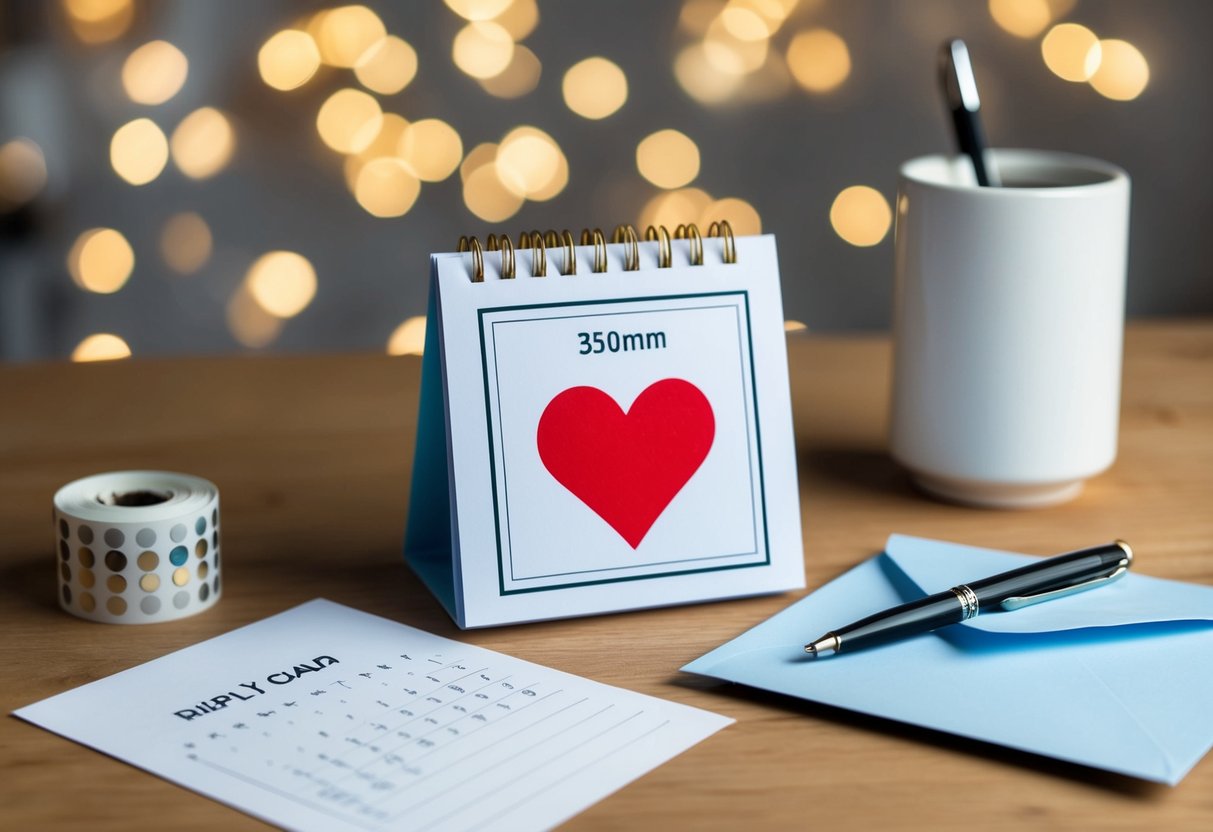
Creating your save the date cards is an exciting part of planning your wedding. The design is not just about looking pretty; it’s also about sharing key information with your guests in a clear way.
Choosing the Right Design
When choosing a design for your save the date cards, think about your wedding theme. Whether it’s rustic, elegant, or casual, the card’s design should reflect that.
You can choose from digital designs or printed options. Online save the date cards are great for saving time and can be easily shared via email or social media.
If you prefer formal save the date cards, consider classic styles with beautiful typography and colors that match your wedding palette. Don’t forget to check out various websites for unique templates that fit your vision.
Information to Include
Your save the date cards should include essential information. Start with your names and the wedding date. It’s also helpful to mention the location, even if it’s just the city and state.
Avoid cluttering your card with too much text. You don’t need to include registry information just yet; save that for the actual invitations. Instead, you can mention a wedding website where guests can find additional details as the date approaches.
Online vs. Formal Save the Date Cards
There are pros and cons to both online and formal save the date cards. Online cards are often quicker and more convenient. They allow for easy RSVP tracking, and you can update guests with any changes.
On the other hand, formal save the date cards offer a tactile experience. A beautifully printed card can impress your guests and set the tone for your special day. Whichever option you choose, make sure it adds a personal touch that reflects you as a couple.
Logistical Considerations for Destination Weddings

Planning a destination wedding involves several important details that you should communicate clearly to your guests. From additional information about the location to the timeline for their responses, each detail helps ensure a smooth experience for everyone involved.
Additional Information to Provide
When guests receive your wedding stationery, it’s crucial to include key details. Think about the destination, the venue, and any travel restrictions they might encounter.
You can add a link to a wedding website for up-to-date information. This will help them with logistics like booking flights and accommodations.
Additionally, consider including notes on dress code. Are you planning a beach ceremony? Guests will want to know if they should pack sandals or formal shoes. If any specific customs or local practices apply, share those insights too. The more informed your guests are, the less stress they’ll feel as they prepare for your special day.
Lead Time for Guests
Providing enough lead time for guests is essential in a destination wedding. Ideally, send out your Save the Dates 8 to 12 months in advance. This gives people time to plan.
Many guests need to book flights and accommodations, which can take time, especially during peak travel seasons.
When you do send out your invitations, include clear RSVP cards with a deadline of 3 to 4 months before the wedding. This allows you to finalize arrangements with your venue and any vendors.
Ensure to mention the importance of their timely responses, helping you manage your guest list effectively. This timeline keeps everything organized and allows everyone to enjoy the experience more.