
Can You Be a Registrar and a Celebrant? Exploring Your Dual Role Options
If you’re planning a wedding, you might wonder about the roles of registrars and celebrants. You cannot be both a registrar and a celebrant in the same ceremony. While a celebrant can create a unique and personal ceremony, the legal aspects of marriage still require a registrar’s presence.
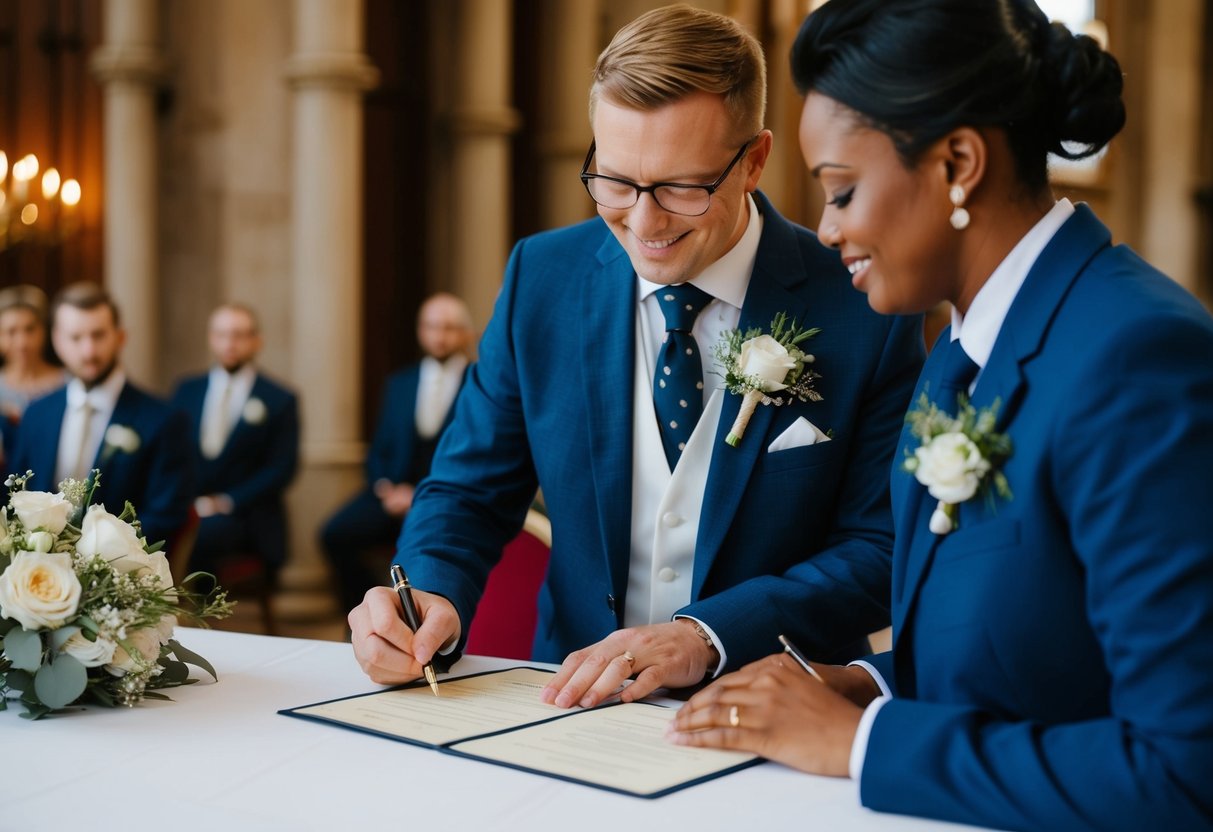
Understanding the differences between these roles can help you make the best choice for your special day. A celebrant can infuse your ceremony with personal touches, cultural elements, or even spiritual content.
In contrast, a registrar focuses on fulfilling the legal requirements needed to make your marriage official.
By knowing how both roles work, you can design a wedding experience that reflects your personality while ensuring all legalities are covered. Let’s explore how you can combine these elements for a memorable ceremony.
Understanding the Roles

When planning your wedding, it’s essential to know the distinct roles of a registrar and a celebrant. Each plays a unique part in your special day, especially regarding the legalities and the personal touch of your ceremony.
Differences Between Registrars and Celebrants
A registrar is responsible for the legal aspects of your marriage. They ensure that all legal requirements are met to make your marriage official. This includes conducting civil ceremonies and overseeing the signing of the marriage register.
On the other hand, a celebrant focuses on creating personalized ceremonies. They can conduct non-legally binding services, allowing for more creative freedom.
Many couples choose to have both a celebrant-led ceremony and a registrar to fulfill the legal obligations.
Understanding these differences can help you decide which option suits your wedding best.
Capabilities of a Wedding Celebrant
A wedding celebrant provides unique services that cater to your preferences. They can craft a ceremony that reflects your love story, values, and beliefs.
Celebrants often offer various ceremony types, such as symbolic rituals, readings, and vows tailored to you.
Additionally, they can perform ceremonies in various locations, whether it’s a beach, garden, or your backyard. This flexibility allows you to plan your day just as you envision.
If you want a ceremony that feels personal and special, a celebrant may be the ideal choice for your wedding.
What a Registrar Does
The registrar plays a crucial role in legal marriage procedures. They conduct civil ceremonies that are straightforward and adhere to legal requirements.
You’ll need to visit the registrar’s office to provide necessary documents, like proof of identity and residency.
During the ceremony, the registrar ensures that the legal wording is followed. They guide you and your partner through the exchange of vows and the signing of the marriage register. After the ceremony, you’ll receive your marriage certificate, proving you’re legally married.
Remember, it’s important to schedule an appointment in advance, as registrars often have busy schedules.
Legal Considerations and Requirements
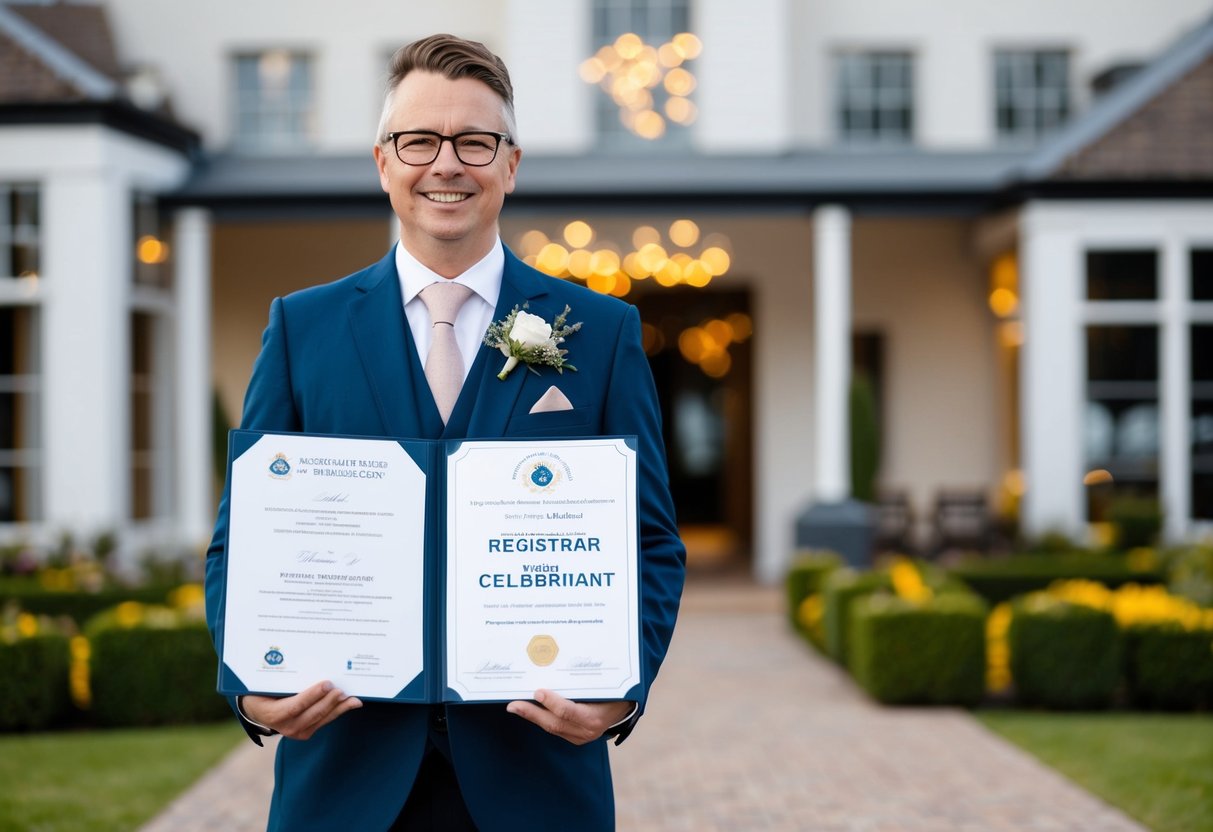
When planning your wedding, it’s important to understand the legal aspects involved. This includes the differences between legally binding and non-legally binding ceremonies, as well as the necessary paperwork for a legal marriage. Here’s a closer look.
Legally Binding vs. Non-Legally Binding Ceremonies
A legally binding ceremony means that your marriage is recognized by law. You need to perform this at a registry office or a licensed venue. During this ceremony, a registrar will ensure all legal requirements are met.
In contrast, a non-legally binding ceremony allows for more personal touches. You can customize vows, readings, and other elements, often led by a celebrant.
Many couples choose to have a celebrant-led ceremony after completing the legal part, creating a unique experience without the legal constraints.
Required Legal Paperwork for Marriage
To get legally married, specific paperwork is required. First, you must give notice of your intention to marry at your local registry office. This is usually done at least 28 days in advance.
You’ll need to provide valid forms of identification, such as a passport or driver’s license. If either fiancé was previously married, you need to show proof of divorce or annulment.
On the wedding day, bring two witnesses to sign the marriage register. Make sure to confirm all paperwork is complete to avoid any issues. Completing these steps ensures your marriage is legally valid and recognized.
Planning Your Wedding Ceremony
Planning your wedding ceremony is an exciting journey. It involves making important decisions that reflect your personality and love story. Whether you choose a celebrant or registrar, understanding your options will help create a ceremony that feels uniquely yours.
Choosing the Right Celebrant or Registrar
Selecting the right celebrant or registrar is essential. A registrar will handle the legal aspects of your wedding day, making it official. They follow a prescribed format, which may limit personalization.
In contrast, a celebrant can craft a unique ceremony that captures your story. They can incorporate personal vows, readings, and music that resonate with you both.
Consider meeting with potential celebrants or registrars. Ask them about their style and experience to find the best fit for your wedding ceremony.
Elements of a Personalised Ceremony
A personalized ceremony can include various elements to make it special. Think about how you want to express your love and commitment.
You might want to include personal vows that reflect your journey together.
Readings can add depth and meaning, showcasing your shared values. Choose pieces that resonate with both of you.
Music is also crucial; select songs that stir emotions and set the mood.
Including symbolic gestures, like lighting a unity candle or exchanging rings, can make your ceremony even more memorable.
Selecting a Venue
The venue plays a significant role in your wedding ceremony. Consider locations that align with your vision, whether it’s a beautiful garden, a beach, or a cozy hall.
Make sure the space can accommodate your guest list and fits the type of ceremony you want.
If you opt for a celebrant-led wedding, the choice of venue can be more flexible. Discuss with your celebrant about spaces that can enhance your unique ceremony.
Ensure the venue is comfortable and allows for the elements you want to include.
Crafting the Perfect Ceremony
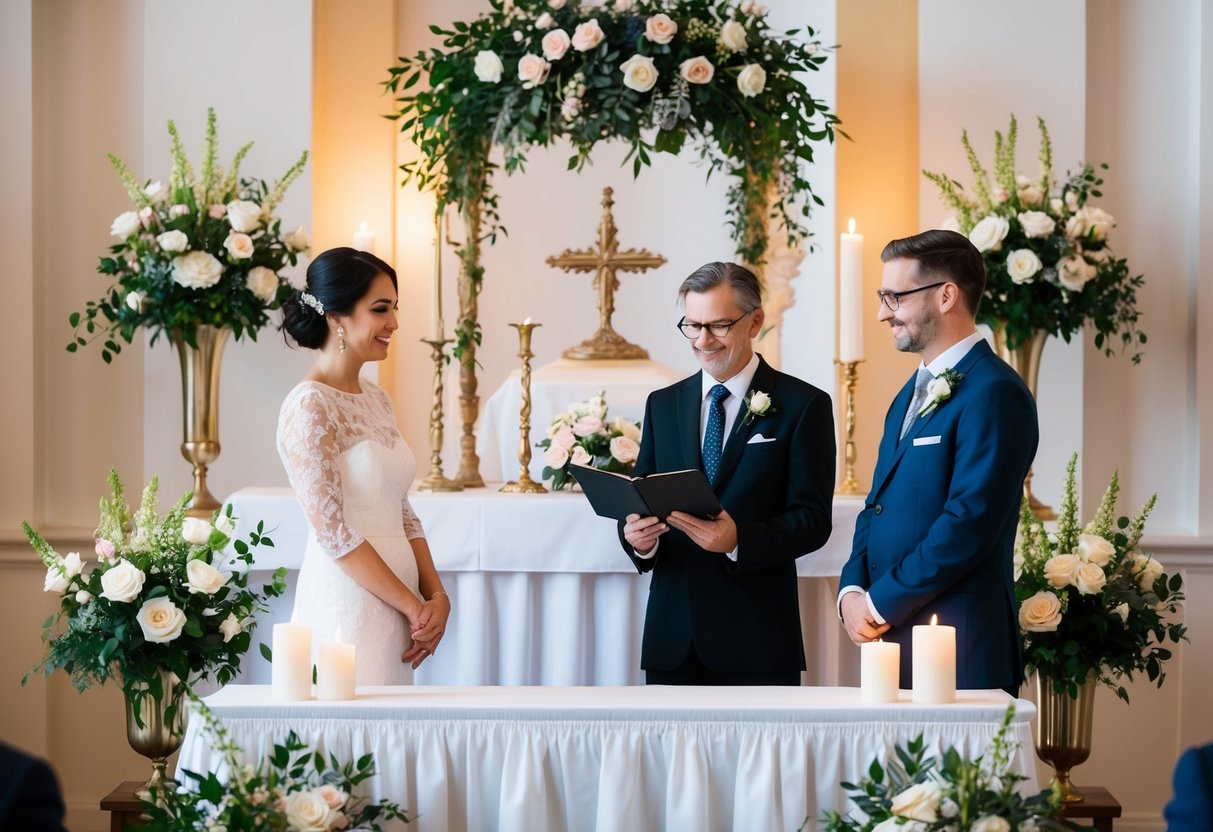
Creating a memorable ceremony involves thoughtful planning and personalization. You can focus on incorporating meaningful elements and crafting vows that resonate deeply with your beliefs and values.
Incorporating Symbolic or Religious Elements
Symbolic elements can enhance the emotional impact of your ceremony. Consider including traditions like a unity candle, sand ceremony, or handfasting. These actions represent your love and commitment in a unique way.
If you have a religious background, you might want to blend faith into your ceremony. You could read scripture or include prayers that reflect your beliefs.
This approach adds spiritual depth and connects your ceremony to your faith.
A humanist celebrant can help you blend both secular and spiritual elements if desired. This flexibility allows you to customize your wedding ceremony to suit your personality and values.
The Role of Vows and Readings
Your vows are the heart of the ceremony. They express your promises and commitments to each other. Writing your own vows can make this moment even more special. Be authentic and share your feelings openly.
You may also choose to include readings that resonate with your relationship. Poems, quotes, or passages can add a personal touch. Select pieces that reflect your journey together and the love you share.
Incorporating these elements makes your ceremony unique. A celebrant can help you find the right readings. They can also guide you through crafting meaningful vows that represent your relationship beautifully.