
Can You Be Married and Not Wear a Wedding Ring? Exploring the Reasons Behind This Choice
Deciding whether or not to wear a wedding ring is a personal choice that many married people consider. You can absolutely be married and choose not to wear a wedding ring. This decision may stem from various reasons, such as comfort, lifestyle, or even cultural beliefs.

Some people find that the wedding ring holds deep sentimental value and symbolizes commitment and love. For others, the absence of a ring may reflect a different understanding of marriage or serve as a statement about personal freedom.
Regardless of the choice you make, it’s important to remember that the real meaning of marriage lies in the love and respect shared between partners.
As you explore this topic, think about what marriage means to you and how symbols like wedding rings fit into your vision. Understanding the various perspectives can help you appreciate the cultural significance of wedding rings while acknowledging that your choice is valid.
The Symbolism of Wedding Rings

Wedding rings carry deep meaning in many cultures. They are often seen as a symbol of commitment and love. The way you wear and choose your ring can also reflect personal values and beliefs.
Meaning of the Wedding Band
A wedding band represents a promise between two people. It is a sign of dedication, loyalty, and the bond you share. Wearing a wedding band shows that you are committed to your partner.
Many people believe that the circular shape of the ring symbolizes eternity. There is no beginning or end, just as love should be endless. Each band can also have personal touches, making it unique to your relationship. Some choose simple designs, while others prefer intricate details, reflecting their stories and values.
Ring Finger Significance
The tradition of wearing a wedding ring on the left ring finger has a strong cultural background. It is believed that this finger contains the “vena amoris,” or vein of love, which goes directly to the heart. This idea emphasizes the connection between love and commitment.
In many cultures, this finger has special significance. In some countries, like Greece and Russia, the wedding ring is worn on the right hand instead. This highlights how cultural differences can shape the symbolism of wedding rings. Regardless of where you are, the ring finger remains a powerful symbol of your love and commitment to one another.
Personal and Social Perspectives on Wedding Rings

Wedding rings can mean different things depending on personal beliefs and social context. You might find yourself considering how rings relate to commitment, societal views of marriage, and even personal style. Each of these aspects contributes to the decision to wear or not wear a wedding ring.
Expressing Commitment Without Rings
You can express love and commitment in many ways that don’t require a ring. Some people choose to wear necklaces or bracelets that hold special meaning instead. These alternatives symbolize personal vows and emotional ties just like a ring would.
Some individuals prefer to celebrate their commitment through actions rather than jewelry. This might include shared experiences, like traveling together or other meaningful gestures. Your commitment can be a personal choice, unique to your relationship.
Social Perception and Marital Status
Society often connects wedding rings with marital status. In many cultures, not wearing a ring can lead to assumptions about your relationship. Some may view it as a sign of lack of commitment or a casual attitude toward marriage.
Conversely, many understand that personal choices differ. Some married individuals choose not to wear rings due to various reasons, like comfort or work requirements. Understanding these social perceptions can help you navigate the way people view you and your relationship.
Jewelry as a Fashion Statement
For some, wearing a ring is not just about marital status but also a fashion statement. Statement rings can reflect personal style and creativity. You can choose designs and materials that showcase your individuality.
Jewelry allows you to express yourself beyond traditional norms. Whether you’re wearing a ring on your left hand or a bold piece elsewhere, it can signal your unique taste and personality. Embracing your style can be just as important as any cultural or social expectations surrounding rings.
Cultural and Individual Reasons for Not Wearing a Ring
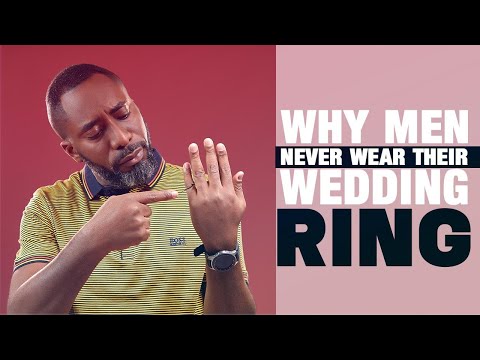
Choosing not to wear a wedding ring can stem from various cultural beliefs and personal values. It’s important to understand these perspectives. Some people prioritize respect for diverse traditions, while others might explore alternative symbols for commitment.
Respecting Different Beliefs and Values
In many cultures, the significance of wedding rings varies greatly. For some, wearing a ring is a deeply rooted tradition, while for others, it might not hold the same importance.
If you belong to a culture where wedding rings are not common, not wearing one may reflect your cultural norms. For example, some men do not wear rings at all, and women may adopt the practice later on. Respecting these differences can help bridge gaps in understanding.
Your personal narrative also matters. If you or your partner have certain beliefs that deem rings as unnecessary, it is valid to honor those values. The decision is deeply personal and can sometimes reflect wider societal attitudes toward marriage.
Alternatives to Traditional Wedding Rings
If a wedding ring doesn’t feel right for you, there are many alternatives to consider. Some people opt for simple bands that are less traditional yet meaningful.
Tattoo rings are becoming popular as a permanent symbol of commitment. These can be customized to reflect your unique relationship. Promise rings are another option. They signify commitment without being tied to marriage itself.
Birthstone rings can also hold special meaning, representing important milestones in your relationship. Each ring choice can showcase your values and connection, moving beyond just a simple band.
Navigating Marriage Without a Ring

Choosing not to wear a wedding ring while married can raise questions and lead to different reactions. It’s important to manage both external opinions and your own feelings regarding this choice.
Managing External Opinions and Advances
When you’re not wearing a ring, people might notice and speculate. Some may feel free to approach you romantically, thinking you’re available. This can be uncomfortable, especially if you want to maintain your commitment.
To deter unwanted advances, you can establish clear boundaries. Communicate your relationship status openly when necessary. Wearing another piece of jewelry or a bracelet can send a subtle message that you are not “off the market.”
Be prepared for questions about your decision. Responding with confidence can help others understand your personal choice without judgment.
Personal Narratives and Choices
Your choice not to wear a ring is valid and can hold personal significance. Everyone has their own reasons. Some people choose not to wear a ring for comfort, lifestyle, or financial considerations.
Sharing your personal narrative can help others understand your perspective. You might express your commitment in different ways, such as through shared experiences or traditions with your partner.
Many couples find meaning in how they symbolize their bond. Discussing these choices openly with your partner can strengthen your relationship and showcase your unique connection. This approach creates a supportive environment where both of you feel valued in your commitment.