
Can You Get a Friend to Marry You in the UK? Exploring the Possibilities and Process
If you’ve ever wondered whether you can have a friend officiate your wedding in the UK, you’re not alone. Many couples seek a personal touch for their ceremonies and may dream of having a close friend perform the vows. However, friends can’t legally officiate a marriage in the UK. They can conduct a non-binding ceremony, allowing you to celebrate your love before making it official in a civil ceremony later.

Understanding the legal requirements is crucial before diving into any wedding plans. To be legally married, you must give notice at a local registry office and follow the necessary steps. This includes getting a registrar or an authorized celebrant to conduct the official ceremony. If you’re aiming for a unique and personal experience, you can still incorporate friends into your special day by having them lead a celebratory ceremony or reception.
By exploring your options, you can create a meaningful wedding that reflects your personality. Whether it’s including a friend in the festivities or planning a civil ceremony, knowing the rules helps you make informed choices.
Eligibility Requirements for Marriage in the UK
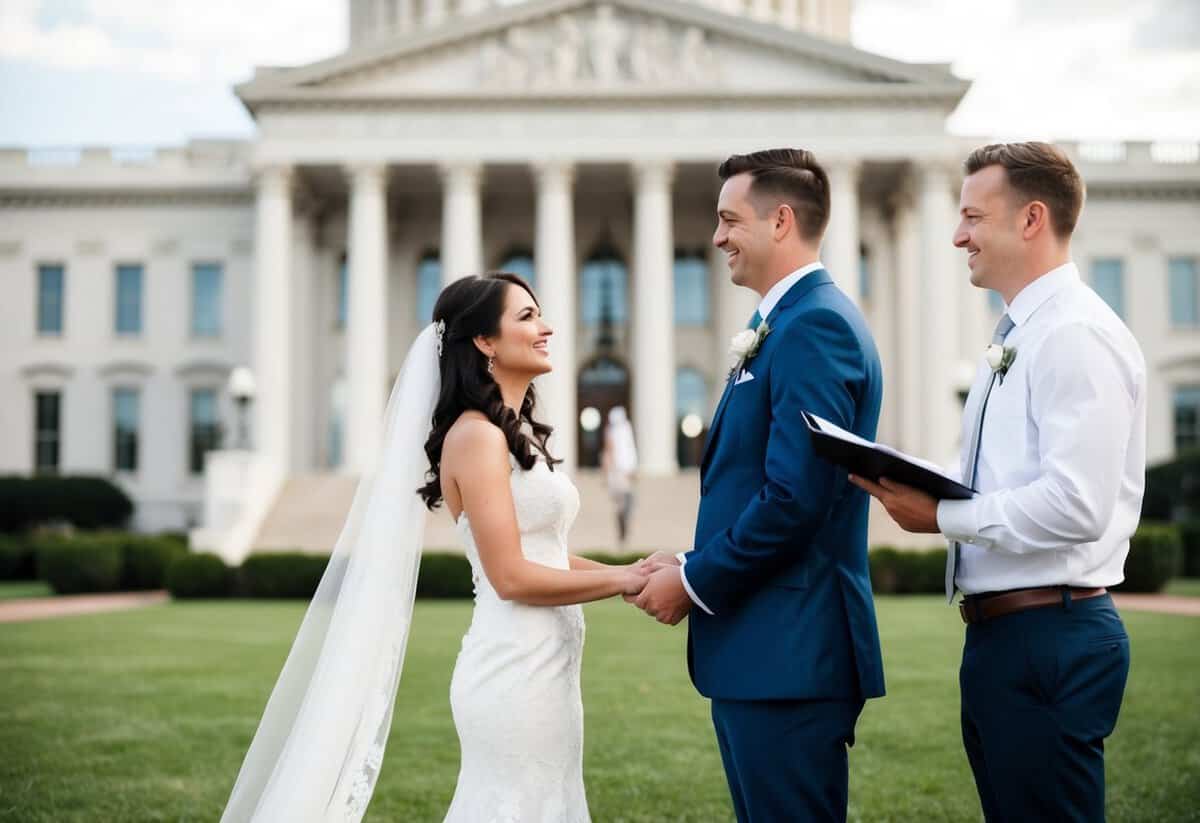
To get married in the UK, you need to meet certain eligibility requirements. These include age, residency status, and any pre-marital conditions. Understanding these factors is essential before planning your big day.
Legal Age and Consent
In the UK, you must be at least 16 years old to marry. If you are under 18, you need parental consent. In England and Wales, parental consent is mandatory for those aged 16 or 17. If you are 18 or older, you can marry without needing consent. For those in Scotland, the legal age is 16, and parental consent is not required. Make sure to have valid identification, such as a passport or driver’s license, to prove your age and identity. Without satisfying these age requirements, your marriage will not be recognized.
Residency and Immigration Status
Your residency status affects your eligibility to marry in the UK. You can marry if you are a British citizen or have settled status. Settled status means you have indefinite leave to remain in the UK. Meanwhile, the EU Settlement Scheme allows EU nationals living in the UK to secure settled or pre-settled status.
If you are coming from outside the UK, it’s important to ensure you have the correct visa. A marriage visitor visa is necessary if you are not planning to live in the UK after the marriage. Always check your eligibility before applying for a marriage license with the Home Office.
Pre-Marital Conditions
Before marrying, you need to complete specific pre-marital steps. One important requirement is giving notice of marriage, which is a formal declaration made at a local registry office. You must give at least 28 days’ notice before your wedding date. This notice states your intention to marry and confirms eligibility.
Both partners must provide valid identification and proofs of residence. If either of you has been married before, you may need to provide documents like a divorce decree or a death certificate. Making sure all paperwork is in order is crucial for a smooth wedding process.
Marriage Notice and Registration Process
When you decide to get married in the UK, it’s crucial to understand the process of giving notice and the registration of your marriage. This ensures everything is done legally and properly before your special day.
Giving Notice at the Register Office
To start, you must give notice of marriage at your local register office. This step involves submitting a notice that confirms you intend to marry. You and your partner will need to visit the register office together.
You should bring the necessary documents, including proof of identity and residency. Commonly accepted documents include a passport and a utility bill. It’s recommended to give notice at least 29 days before your wedding date.
During this time, the register office will display your notice for 28 days, allowing anyone to raise any legal objections. If no objections are made, you’ll receive the authority to marry. This notice is valid for up to 12 months.
Marriage Schedule and Registration
Once you have completed the notice period, you will receive a marriage schedule. This document is important as it allows you to get married in any register office or approved location.
Make sure you keep the marriage schedule safe, as it needs to be presented at the ceremony. After your wedding, the marriage will be registered in the marriage register. Your details will be recorded, making it official.
You can obtain a marriage certificate after registration, which serves as proof of your marriage. Remember that this entire process is essential to ensure that your marriage is recognized legally in the UK.
Types of Marriage Ceremonies in the UK
In the UK, there are several types of marriage ceremonies that you can choose from. Each type has its own procedures and options, so you can find the one that suits you best.
Civil Ceremony Procedure
A civil ceremony is a popular choice for many couples. It is a non-religious event overseen by an officiant at a register office or an approved venue. You need to give notice of your intent to marry at your local registry office at least 29 days before the ceremony.
During the ceremony, you and your partner will sign the marriage schedule. Remember to have two witnesses present. Civil ceremonies focus on the legal requirements rather than religious aspects, making them straightforward and flexible. You can personalize your vows, but they must include specific legal wording.
Religious Ceremony Options
If you prefer a more traditional approach, a religious ceremony may be for you. Options include a wedding in a church, such as the Church of England or the Church in Wales. These ceremonies include religious elements such as prayers, blessings, and hymns.
Before getting started, you’ll need to meet specific conditions, like obtaining a marriage license. You can also choose to have a religious blessing after a civil ceremony for an added spiritual significance. Discuss your preferences with your officiant to ensure everything aligns with your beliefs.
Alternative Celebrant-Led Ceremonies
For those looking for personalization, celebrant-led ceremonies offer a unique alternative. These ceremonies can be tailor-made to fit your vision, often including your personal stories and meaningful rituals.
Humanist celebrants, for example, conduct non-religious ceremonies focusing on your values and beliefs. While these ceremonies are beautiful, remember they are non-legally binding. If you want to marry legally, you may need to complete a civil ceremony beforehand. Be sure to research qualified celebrants, as they bring a personal touch to your special day.
Special Considerations for Various Groups
When thinking about getting a friend to marry you in the UK, there are special considerations for different groups. Each group may have unique legal and social aspects to consider, especially for same-sex couples, transgender and non-binary individuals, and those involving children.
Same-Sex Couples and Marriage
In the UK, same-sex couples can legally marry. This was made possible by the Marriage (Same Sex Couples) Act 2013. If you want a friend to marry you, you can do so as long as both partners are free to marry and meet other legal requirements.
You’ll need to give at least 29 days’ notice at your local register office. Make sure to provide ID and proof of address. Civil ceremonies are available for same-sex couples, offering an official way to celebrate your union.
If you are traveling from another country, you may need a marriage visitor visa to legally marry in the UK. Be sure to check the visa requirements if you’re not a UK resident.
Transgender and Non-Binary Individuals
Transgender and non-binary individuals can also marry in the UK. If a friend is transgender, they may have undergone gender reassignment and obtained a Gender Recognition Certificate (GRC). This allows them to marry in their acquired gender.
For non-binary individuals, marriage laws are evolving, but they are still able to enter into civil marriages. Be aware that the legal forms may not fully recognize non-binary identities yet. When getting married, clear communication about gender identity may be essential.
As with any couple, it is important to ensure that both partners meet the legal requirements to marry.
Marriage Involving Children or Adopted Children
When a friend marries, they may need to consider children, especially if they are adopted. If you or your partner have children, think about their feelings and reactions to the marriage.
It’s important to understand that adopted children have the same legal rights as biological children. Therefore, the laws regarding custody and guardianship are the same.
If you plan to adopt or have adopted children, consider discussing family arrangements before the marriage. Open communication can help everyone adjust smoothly to your new family structure.