
Can You Get Married and Keep It a Secret? Exploring the Possibilities and Challenges
Getting married is often a joyful celebration, but what if you want to keep it under wraps? Yes, you can get married and keep it a secret, but there are important factors to consider. A secret marriage or elopement can be a way to enjoy your special day without the pressure of family expectations or guest lists.
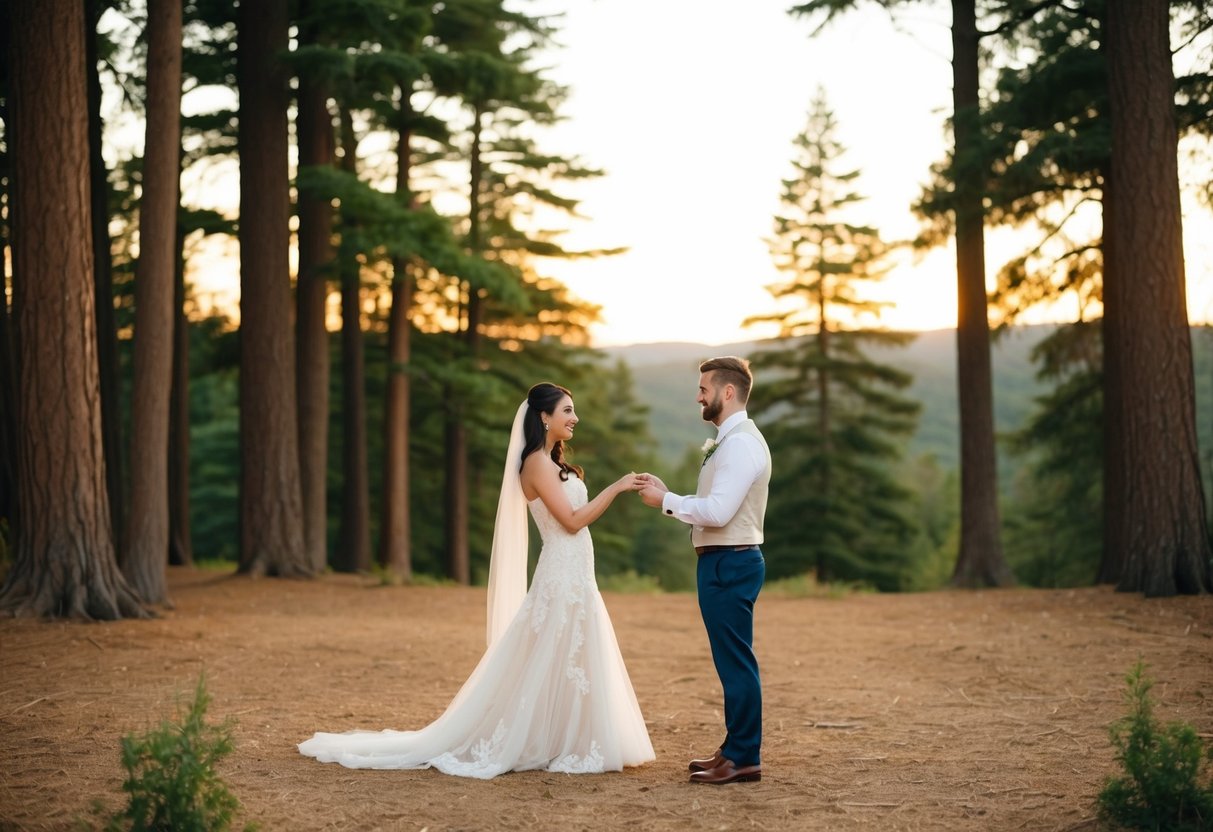
Many couples choose a private ceremony because it allows them to focus solely on each other. Whether it’s a spontaneous decision or a planned event, a secret wedding offers a unique kind of intimacy. Just remember that while you can keep your marriage private, it will still be part of public records.
Before taking the plunge, think about the potential implications of a secret marriage. Will it affect your taxes, estate planning, or even family dynamics? Knowing what to anticipate can help ensure that your private union remains a source of happiness, rather than complications.
Understanding Secret Marriages

Secret marriages can be exciting and complicated. While you may treasure the intimacy of keeping your love under wraps, it’s vital to understand what this means legally and emotionally. Let’s explore what constitutes a secret marriage, the legal implications, and the pros and cons of eloping.
What Constitutes a Secret Marriage?
A secret marriage usually means you are wed without public knowledge. This could involve a simple ceremony with just a few witnesses or even just the two of you.
You may choose to keep your marriage from friends and family for various reasons. Some couples want to avoid the stress of planning a big event. Others prefer the spontaneity of eloping. Regardless of the reason, it’s essential to consider how you will keep this significant event private.
Legal Implications and Marriage Laws
Even if you marry in secret, you still need a marriage license. This document is legal proof that you are married and must be filed according to your state’s laws. Note that secret weddings can still become part of public records.
You might want to consult with a local attorney to ensure you meet all legal requirements. Some laws may affect your taxes, inheritance, or rights in civil matters. Understanding these laws is crucial to avoid complications later on.
Pros and Cons of Elopement
Eloping offers several benefits, such as more freedom in planning your wedding. You can choose your location, have a small guest list, or even go away to get married.
However, keeping it a secret can have its downsides. Family and friends may feel hurt if they find out later. It can also be challenging to maintain the secret if a close friend learns about your plans. Weighing these pros and cons can help you decide if a secret marriage is right for you.
Planning Your Secret Wedding
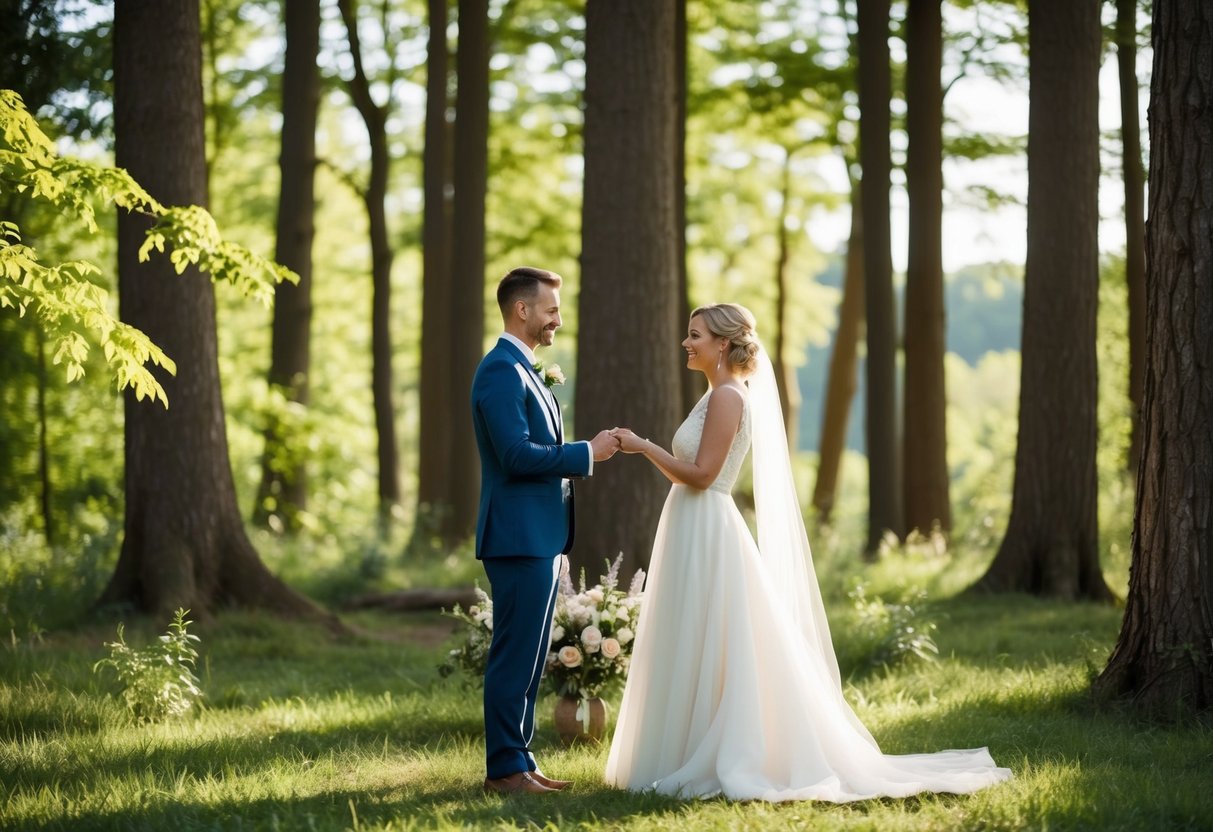
Planning a secret wedding can be a fun and unique experience. It requires careful consideration and attention to detail, especially regarding the officiant, the marriage license, and the ceremony setup. Here’s what you need to know.
Choosing Your Officiant
Selecting the right officiant is one of the most important steps in planning a secret wedding. You might want to choose someone who respects your desire for privacy. Look for officiants who specialize in intimate ceremonies or elopements.
Make sure to check their credentials and experience. A trusted friend who is authorized to officiate can also be a great option. Discuss your vows and any special requests with them to ensure your ceremony reflects your relationship.
Obtaining a Confidential Marriage License
To keep your marriage a secret, consider obtaining a confidential marriage license. This type of license is not publicly recorded and helps maintain your privacy. The requirements can vary by location, so check your local laws.
You may need to provide identification and proof of your relationship. Some jurisdictions allow you to apply for this license online. Be prepared to pay a fee and ensure you complete the process before the wedding day.
Deciding on the Ceremony Details
When planning the details of your ceremony, focus on what matters most to you. Choose a meaningful location, like a private spot in a park or even your home. Personalize the ceremony with unique touches that represent your relationship.
For vows, you can write your own or use traditional phrases. Keep your guest list limited, or consider a “just us” approach for a truly secret experience. Plan to capture the moment through photos, if desired, without alerting others.
Executing Your Plan

Planning a secret wedding involves careful attention to details that often go unnoticed in traditional ceremonies. You need to think about witnesses, how to keep your marriage off public records, and what steps to take after saying “I do.”
Handling Witnesses and Documentation
Most states require at least one witness to sign your marriage license. This person can be someone you trust to keep your secret. You might be able to choose witnesses who are close but not closely involved in your family to maintain discretion.
Make sure your witness understands the importance of keeping the event confidential. Provide clear instructions on what is expected, and possibly even discuss their role before the wedding day. This will minimize any surprises.
Keep your marriage license and any documents related to the wedding in a secure location. Use a trusted friend or family member to help if needed, ensuring they understand the significance of keeping everything private.
Keeping Your Marriage Off the Public Record
Even though your marriage will be part of the public record, there are ways to minimize attention. Choose a location that allows for private ceremonies. Some venues may offer complete confidentiality, which can be ideal for a secret wedding.
When filing for your marriage license, be honest about your intentions. While you’ll have to submit the license, you can maintain privacy by choosing not to publicize your union on social media or in traditional announcements.
Be aware of local laws regarding marriage licenses and how they are recorded. Researching your specific state’s requirements can help you navigate this process smoothly.
After the Secret ‘I Dos’
Once you say “I do,” there are a few important steps to ensure your marriage remains private.
First, discuss how you will present your new status to family and friends. Decide together when, if ever, you might share the news.
Consider planning a small vow renewal ceremony later, which can serve as a public acknowledgment when you’re ready. This can address any feelings of exclusion your loved ones might have.
You may also want to consult a legal professional to understand any implications of your secret marriage. They can help with issues regarding taxes, inheritance, and other legal matters that may arise from tying the knot.