
Can You Get Married for 10K in the UK? Exploring Budget-Friendly Wedding Options
Planning a wedding can feel overwhelming, especially when you’re trying to stick to a budget. If you’re wondering if you can get married in the UK for 10k, the answer is yes! With some careful planning and smart choices, you can have a beautiful wedding without breaking the bank.

When working with a 10,000 budget, it’s essential to prioritize what matters most to you. You can save money by opting for a simple venue, hosting a smaller guest list, or choosing a weekday for your celebrations. Many couples have successfully navigated the wedding planning process by being creative and resourceful, making their special day memorable without overspending.
As you consider your options, remember that the essence of your wedding is the commitment you’re making, not the price tag. There are plenty of budget-friendly tips and strategies available to help you design the day you’ve always wanted while keeping expenses within your 10k wedding budget.
Understanding the Legal Requirements
Getting married in the UK involves some important legal steps and requirements. Knowing what you need to prepare can help make your wedding planning smoother and more enjoyable.
Eligibility and Documentation
To get married in the UK, you need to meet certain eligibility criteria. You must be at least 18 years old. If you’re younger, you will need parental consent.
It’s essential to provide several forms of documentation. This typically includes proof of name, age, nationality, and address. Acceptable documents can be a passport, national ID, or a driving license. If you’ve been married before, you’ll also need a decree absolute or a death certificate of your late spouse if applicable.
Additionally, you cannot be closely related to your fiancé(e) and must not already be married. This ensures that your wedding will be legally binding.
Giving Notice and Obtaining a Marriage License
Before your big day, you must give notice of your marriage to your local register office. This requirement ensures that everything is in order before you tie the knot.
You must do this at least 28 days before your wedding. During this process, you’ll submit your documents and pay a fee.
Once you have given notice, you will receive a marriage license. This license allows you to officially marry at your chosen ceremony. You can’t have a wedding ceremony without this, as it proves that you meet the legal requirements to get married.
Choosing the Right Ceremony for You
In the UK, there are different options for your wedding ceremony. You can choose a civil ceremony at a register office, which is simple and straightforward. Alternatively, you can have a religious wedding in a church or approved venue.
Each option has specific legalities. For example, you must ensure that the venue is authorized for marriage. Civil partnerships are also valid if you prefer a non-religious approach.
Discuss with your fiancé(e) what type of ceremony suits your personalities and beliefs best. This decision can shape the feel of your day, so choose what feels right for you!
Setting Your Wedding Budget
Planning a wedding on a budget of £10,000 can be both exciting and challenging. It’s essential to allocate your funds wisely, prioritize potential big-ticket items, and be aware of any hidden costs that may arise during the planning process.
Allocating Funds Wisely
Start by breaking down your wedding budget into main categories. This helps you see where your money will go. Common categories include venue, catering, attire, and photography.
You can create a simple table to visualize your budget:
| Category | Estimated Cost |
|---|---|
| Venue | £2,500 |
| Catering | £2,000 |
| Wedding Dress | £800 |
| Photographer | £1,500 |
| Wedding Cake | £300 |
| Miscellaneous | £3,900 |
Be flexible with your plans. If you find one category is costing more, adjust another.
Potential Big-ticket Items
Certain items can take up a large chunk of your budget. Be strategic in how you handle them.
A wedding venue is often the most significant expense. Look for places with package deals that include catering, decor, and setup. This can save you money and stress.
Catering is another key area. Choose buffet-style or family-style dining to keep costs lower. Don’t forget to budget for the wedding cake, which should reflect your style but can also vary widely in cost.
Hidden Costs to Consider
When setting your budget, consider potential hidden costs that are easy to overlook.
Ceremony fees can vary depending on the location. Sometimes you’ll need to pay for a marriage certificate, and don’t forget about fees for witnesses if required.
If you are having a destination wedding, entry visas may be necessary for certain guests.
If you hire a wedding planner, factor that into the budget as well. They can save you money in the long run by helping you avoid costly mistakes.
Choosing Your Venue and Suppliers
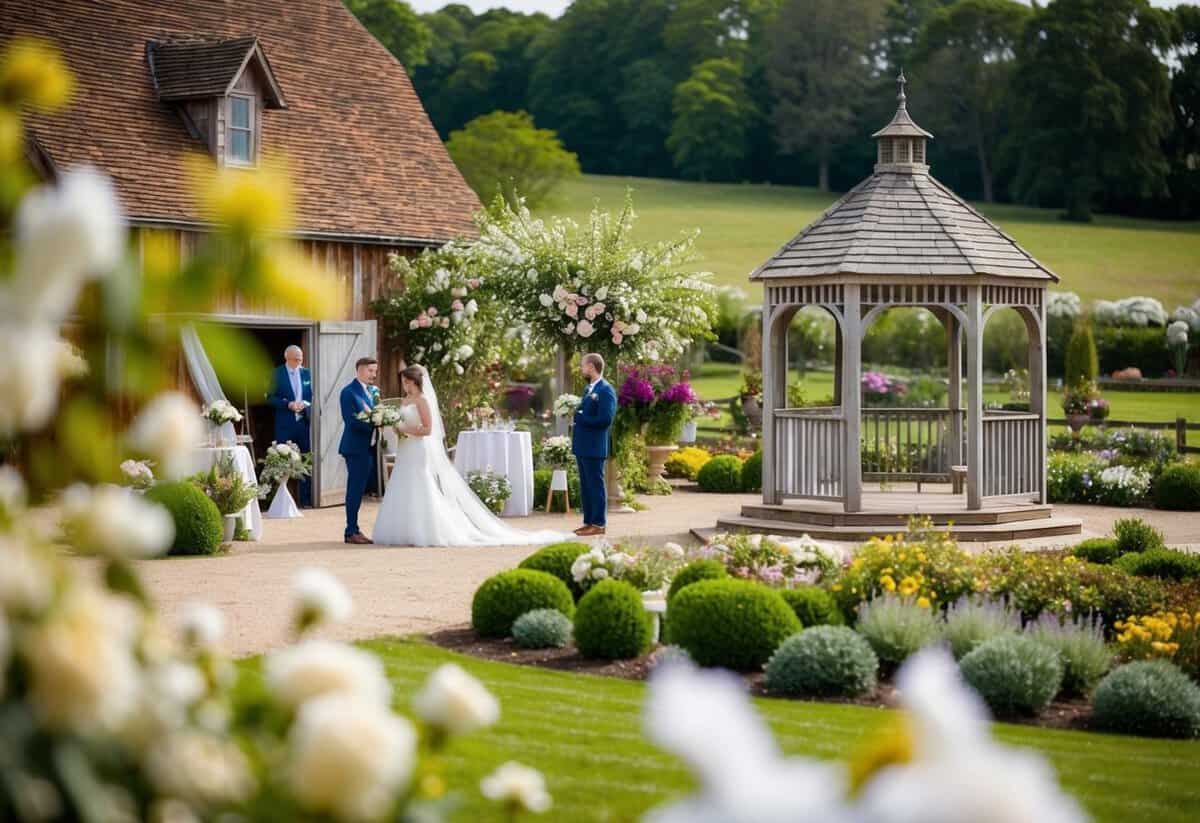
Selecting the right venue and suppliers is key to planning a wedding within your budget. Focus on finding a space that meets your needs while keeping costs manageable. This can make a big difference in both your experience and your financial plan.
Venues Within Your Budget
When searching for venues, think about a range of options. Consider approved venues like a church of England, local hotels, or community halls. These places can provide great settings without breaking the bank.
Look for package deals that include catering and decorations. Many venues offer all-inclusive packages that can save you money and stress.
Booking during off-peak times, like weekdays or winter months, can lead to reduced costs. Aim to visit several venues to compare prices and find the perfect fit for your big day.
Selecting Affordable Vendors
Choosing the right vendors is critical to staying within your £10,000 budget. Start with essential services like catering and photography. Get quotes from multiple vendors to compare prices and services.
Ask for recommendations from friends or family. They may know affordable wedding photographers or catering services that are dependable. Many vendors offer flexible pricing based on your needs.
Don’t forget about personal touches, like hiring a local hair stylist for your bridal party. This can save you travel costs and create a warm, familiar atmosphere.
Staying organized and keeping in touch with potential vendors will help you find the right people for your special day.
Finalizing the Details
Planning a wedding involves many last-minute tasks to ensure everything goes smoothly. You will want to double-check your final order, confirm the details with your officiant, and make sure all your documents are ready.
Last-Minute Preparations
As the big day approaches, focus on key details. Start with your final order. Make sure that your wedding dress, decorations, and any rentals are confirmed. Reach out to your wedding planner if you have one, or contact vendors directly if needed.
Don’t forget about your photo album. Discuss with your photographer what moments you want captured. Consider making a list of key shots you desire, including group photos with your bridal party and bridesmaids.
Also, ensure you have your marriage certificate ready for the ceremony. Depending on where you are, you might need to complete paperwork ahead of time. Review your wedding plan to keep track of all tasks leading up to the event.
The Role of Your Officiant
Your officiant plays an important role in your wedding. They will guide you through the religious ceremony or civil ceremony, ensuring it meets legal requirements.
Confirm their availability and review the order of events with them.
Discuss personalized touches you would like to include. Whether it’s vows or readings, share your ideas openly. This communication helps the officiant deliver a ceremony that feels special to you.
Make sure to understand any requirements your officiant may have. This includes your marriage certificate and any other documents they may need.
A successful partnership with your officiant sets the stage for a memorable ceremony.