
Can You Get Married for 10k in the UK? A Budget-Friendly Guide to Tying the Knot
Planning a wedding can feel overwhelming, especially when you have a budget in mind. If you’re wondering whether it’s possible to get married for £10,000 in the UK, the answer is yes—you can absolutely have a beautiful wedding within this budget. By being smart and creative with your choices, you can still enjoy a memorable day without breaking the bank.
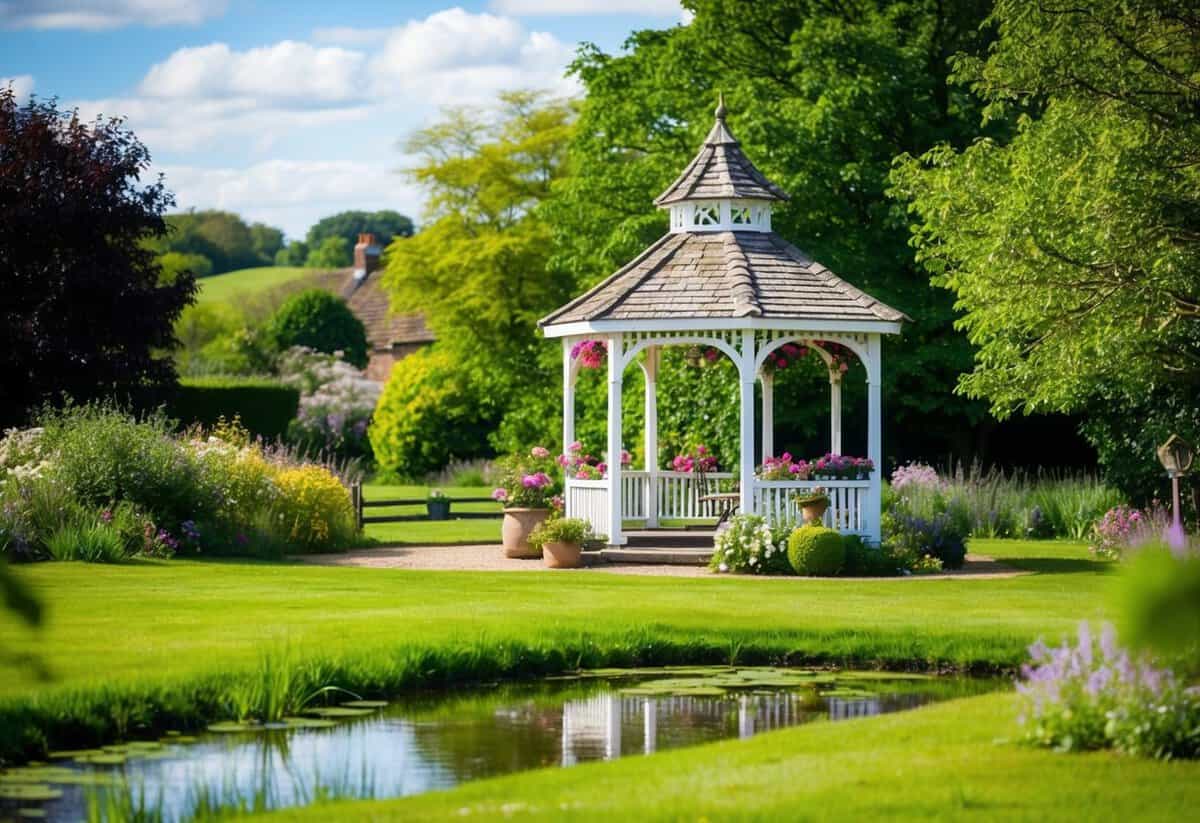
There are many ways to celebrate your love while staying within your financial limits. For instance, you can consider getting married at a Town Hall or Registry Office, which often costs less than traditional venues. You can also save money on decorations and catering by choosing simpler options that reflect your style without unnecessary expenses.
With smart planning and creativity, you can turn your dream wedding into a reality—no matter your budget. Keep reading to discover how you can plan a fantastic wedding for £10,000 in the UK!
Understanding the Basics of Getting Married in the UK
Getting married in the UK requires meeting certain legal requirements and choosing the type of ceremony that fits your needs. Here’s what you need to know to get started.
Legal Requirements for Marriage
To marry in the UK, you must be 18 or over. If you’re 16 or 17, parental consent is needed. You also cannot be already married or in a civil partnership. The law in England, Wales, Scotland, and Northern Ireland makes these requirements clear.
Both partners must give notice of marriage at your local registry office. This notice needs to be given at least 28 days before the wedding. In some cases, especially for foreigners, there may be additional steps to follow.
In certain areas, religious ceremonies must follow specific rules. For example, if you choose a Church of England ceremony, it’s essential to comply with the church’s guidelines to ensure the marriage is legally binding.
Options for Types of Marriage
You have several options when it comes to the type of marriage in the UK. A civil ceremony takes place at a registry office or other approved venue. This is often straightforward and can be less expensive than a religious ceremony.
If you prefer a religious wedding, you can choose venues like churches, mosques, or temples. Different religious rules may apply, so check with your venue to ensure you meet all requirements.
Same-sex couples can enjoy the same marriage options as opposite-sex couples. Both civil marriages and religious ceremonies are available. If you’re considering converting a civil partnership into marriage, you can do this as well.
Understanding these basics will help you plan your wedding within your budget.
Planning Your Wedding on a Budget
Planning a wedding on a budget can feel challenging, but breaking it down into key areas makes it manageable. You’ll want to focus on setting your budget wisely, finding affordable venues, and cutting costs without losing quality.
Setting Your Wedding Budget
Start by deciding how much you can spend. Create a detailed wedding budget that includes all costs. Common categories include venue fees, catering, and the wedding cake. Make a list of essentials versus nice-to-haves.
For example:
- Essentials: Venue, ceremony fees, catering, attire
- Extras: Fancy decorations, elaborate entertainment
Consider using a classic wedding tool, like a spreadsheet, to track payments. This helps you see where you stand financially and stay on track.
Affordable Wedding Venues
Choosing the right wedding venue can save you a lot. Many local hotels offer package deals for receptions that can fit your budget. Also, consider registering your ceremony at a register office, which usually has lower fees than traditional venues.
Think about unique locations that may have lower costs. Parks or community centers can be beautiful and budget-friendly options. Always ask about any hidden fees when booking. This ensures you know exactly what you’re getting.
Reducing Costs Without Compromising Quality
Cutting costs doesn’t mean sacrificing quality. Start by choosing seasonal flowers for your decorations. These are often more affordable and look great. You might also consider a simple wedding cake design. A smaller cake can be just as beautiful and tasty.
When it comes to catering, think about buffet-style service instead of plated meals. This can be a more cost-effective way to feed your guests. In addition, ask close friends or family if they can help with catering or even the music. This personal touch can save money and create a special atmosphere.
With a bit of creativity, you can have a wonderful wedding that fits your budget!
Logistics and Legalities of Marrying in the UK
Getting married in the UK involves navigating a few essential legal steps and preparing specific documents. Knowing what to expect can help make the process smoother for you and your partner.
Document Checklist
To marry in the UK, you’ll first need to gather several important documents. Here’s what you should prepare:
- Passport or National Identity Card: This serves as proof of your identity.
- Birth Certificate: It shows your date of birth and nationality.
- Proof of Residence: A utility bill or bank statement works well.
- Proof of Name Change: If you’ve previously changed your name, include the relevant documentation.
- Notice of Marriage: Both partners must give notice at least 28 days before the ceremony.
If you’re coming from outside the UK, you may need additional documents, such as an entry visa. Always check the specific requirements based on your nationality and situation.
The Process for Non-UK Residents
If you’re a non-UK resident looking to marry in the UK, the process has a few extra steps. First, you need to check if your intended marriage venue is approved for ceremonies.
You will also likely need to apply for a visa to enter the UK for marriage. Gather your documents first, as you’ll need to submit proof of your relationship and plans to marry.
Consider visiting the nearest British embassy or consulate for guidance. They can assist with the specifics of your situation, including any required interviews. Don’t forget that giving notice of your intention to marry is also needed, so plan ahead!
The Final Touches for Your Special Day
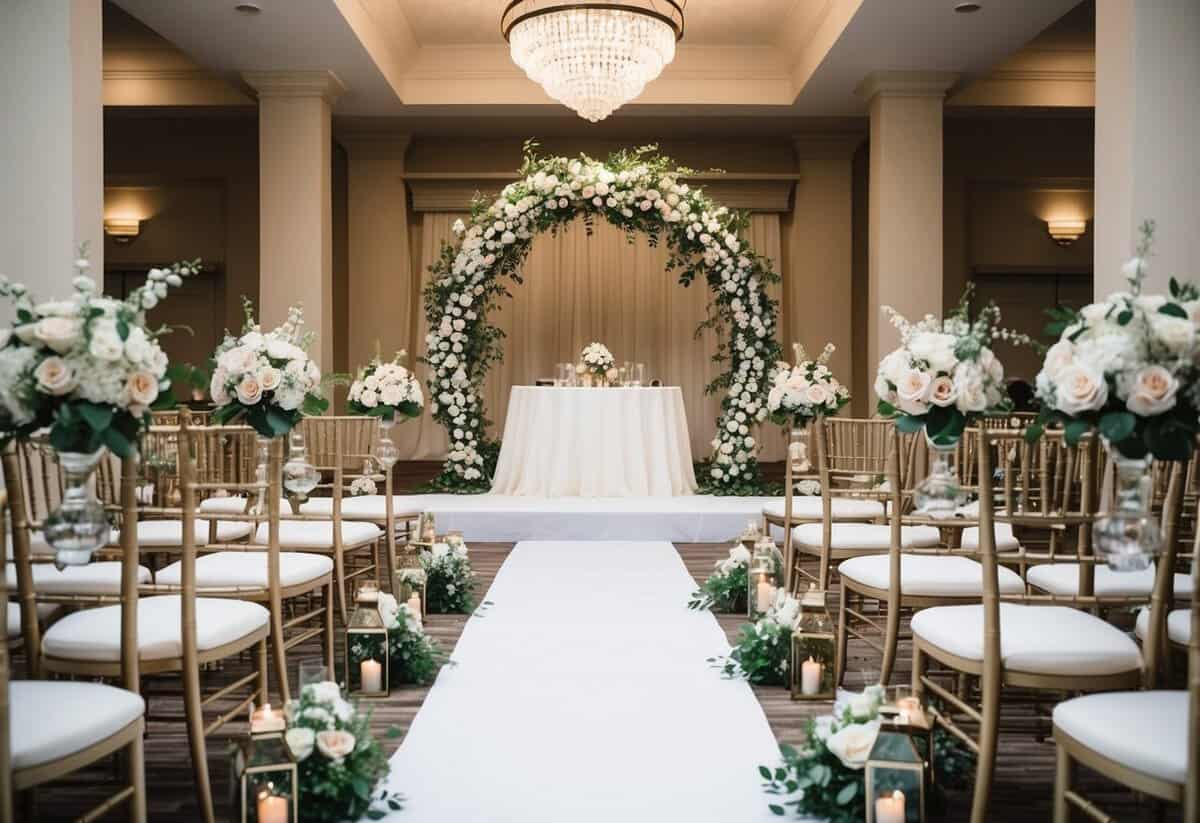
As your special day approaches, it’s time to focus on the details that will make your wedding memorable. These final touches include selecting your attire and choosing the right vendors to bring your vision to life.
Choosing Your Wedding Attire
Choosing your wedding attire is one of the most exciting parts of planning. Start with the wedding dress, as it sets the tone for your day. Consider styles that suit your personality and budget. Don’t forget the bridal party—coordinate their outfits with your dress for a cohesive look.
Accessories like shoes, veils, and jewelry can add a personal touch. Think about your comfort, too! You’ll be wearing this attire for hours. Book an appointment with a skilled hair stylist to complete your look. This detail can elevate your appearance and help you feel confident on your big day.
Selecting Vendors and Services
Choosing the right vendors can make your wedding day run smoothly. Start by finding a reputable wedding planner who understands your budget. They can guide you through legalities and ensure everything is in place.
When selecting a wedding photographer, look for someone whose style matches your vision. You’ll want those special moments captured beautifully, and a great photographer can create a stunning photo album.
Don’t forget about the small details like catering, cake, and music. Make sure you have flexibility in your plans to accommodate changes. Finally, ensure you have your witnesses lined up if required, as they play a crucial role in the legal aspect of your marriage.