
Can You Get Married for Free in the UK? Exploring Your Options
Getting married is an exciting time in your life, but you might wonder if you can do it without breaking the bank. The good news is that while you can’t get married completely for free in the UK, there are ways to keep costs down.
From simple ceremonies in England and Wales to lower-cost options in Scotland and Northern Ireland, there are choices that can fit your budget.
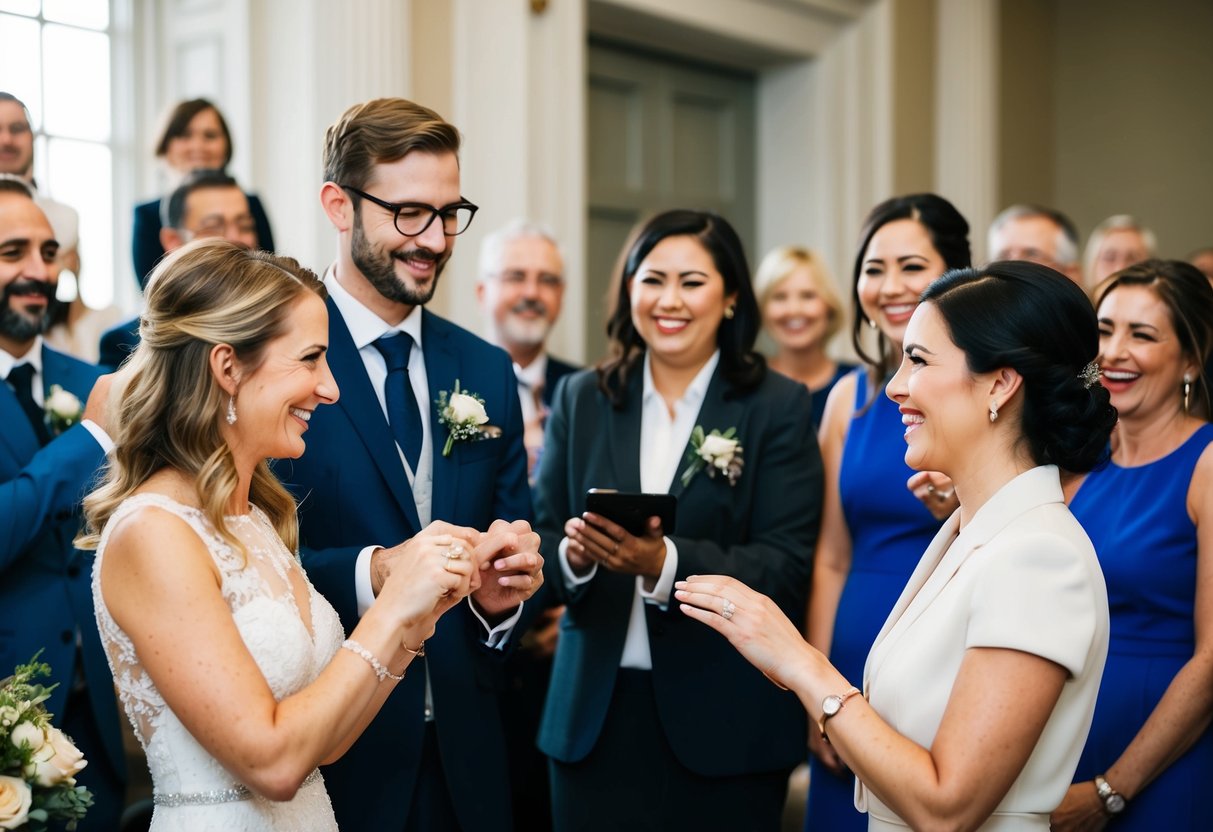
Many couples are surprised to learn that the legal requirements can have varying costs depending on where you are. In England and Wales, you may have to pay the fees for giving notice and the venue, while Scotland offers more affordable options. However, there are often ways to save when planning your wedding ceremony without sacrificing the experience.
If you’re determined to keep your wedding costs minimal, there are a few tips and tricks you can use. Consider a small, intimate ceremony with just a few guests or explore local registration offices that may offer lower fees. With a little creativity, you can celebrate your love in a meaningful way without going into debt.
Understanding Legal Requirements
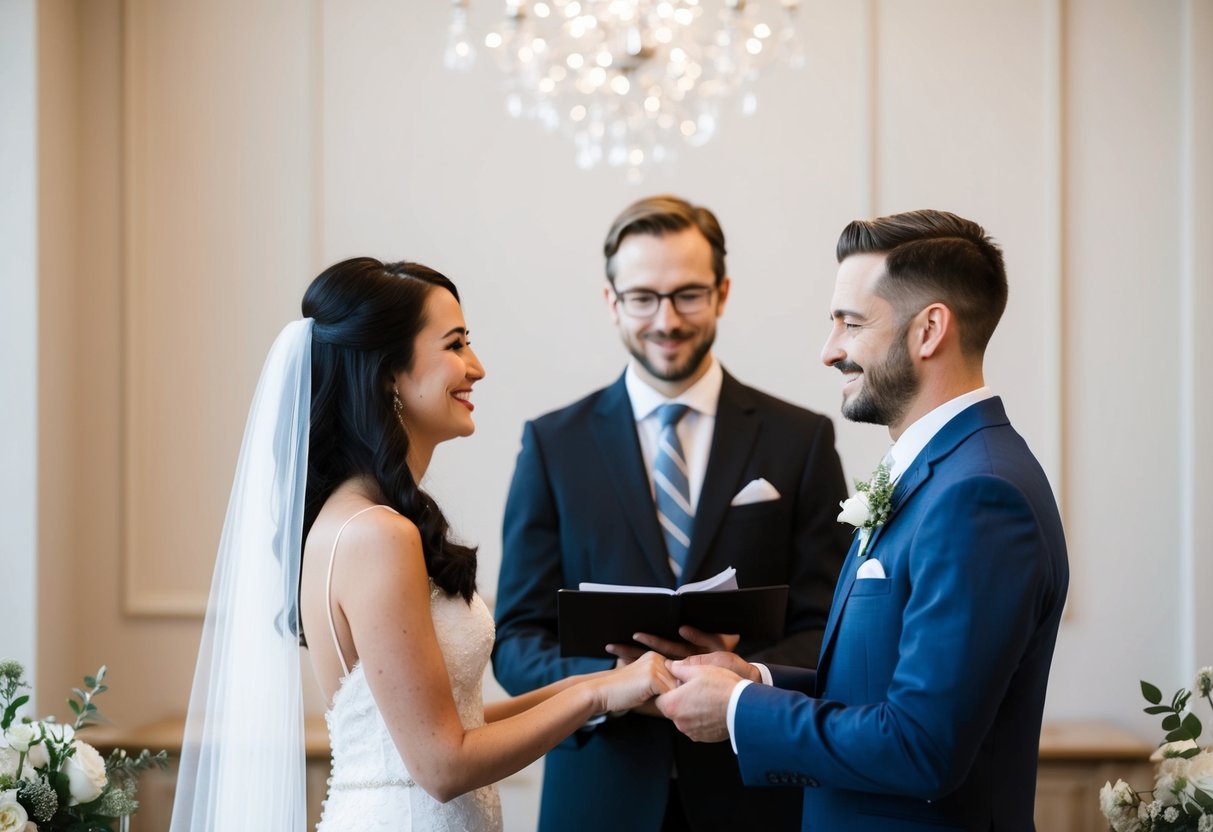
Getting married in the UK involves specific legal requirements. You need to meet certain eligibility criteria, gather necessary documents, and follow a set process before your wedding day.
Eligibility to Marry
To marry in the UK, you must be at least 18 years old. If you are younger, you will need parental consent to proceed.
Same-sex couples and heterosexual couples have the same rights regarding marriage. If you are from outside the UK, you may need a Marriage Visitor Visa if you plan to stay for less than six months.
It’s important to consider any previous marriages as well. If you or your partner have been divorced, you will need to provide proof of your divorce, like a decree absolute. This ensures there are no legal barriers to your union.
Legal Documents Needed
When preparing for your wedding, certain documents are required. You will need a valid passport or other forms of identity like a birth certificate.
If you are a foreign national, a Certificate of No Impediment might be necessary to show that you can legally marry. For some, especially individuals under the EU Settlement Scheme, additional proof of residency may be required.
It’s a good idea to have documents showing your address, like a council tax bill. If you have changed your name, you will also need to show legal proof of your name change, such as a marriage certificate from a previous relationship.
Notice Period and Formalities
Before you can marry, you must give notice at your local register office. This involves an appointment to declare your intention to marry.
You typically need to do this at least 28 days before your wedding. Both partners must attend this appointment and bring relevant documents.
After giving notice, if either partner is not a UK citizen, it may involve extra checks by the Home Office to ensure there’s no reason you cannot marry. Once everything is approved, you can proceed with securing a marriage license and finalizing the details of your wedding ceremony.
Ceremony Options in the UK
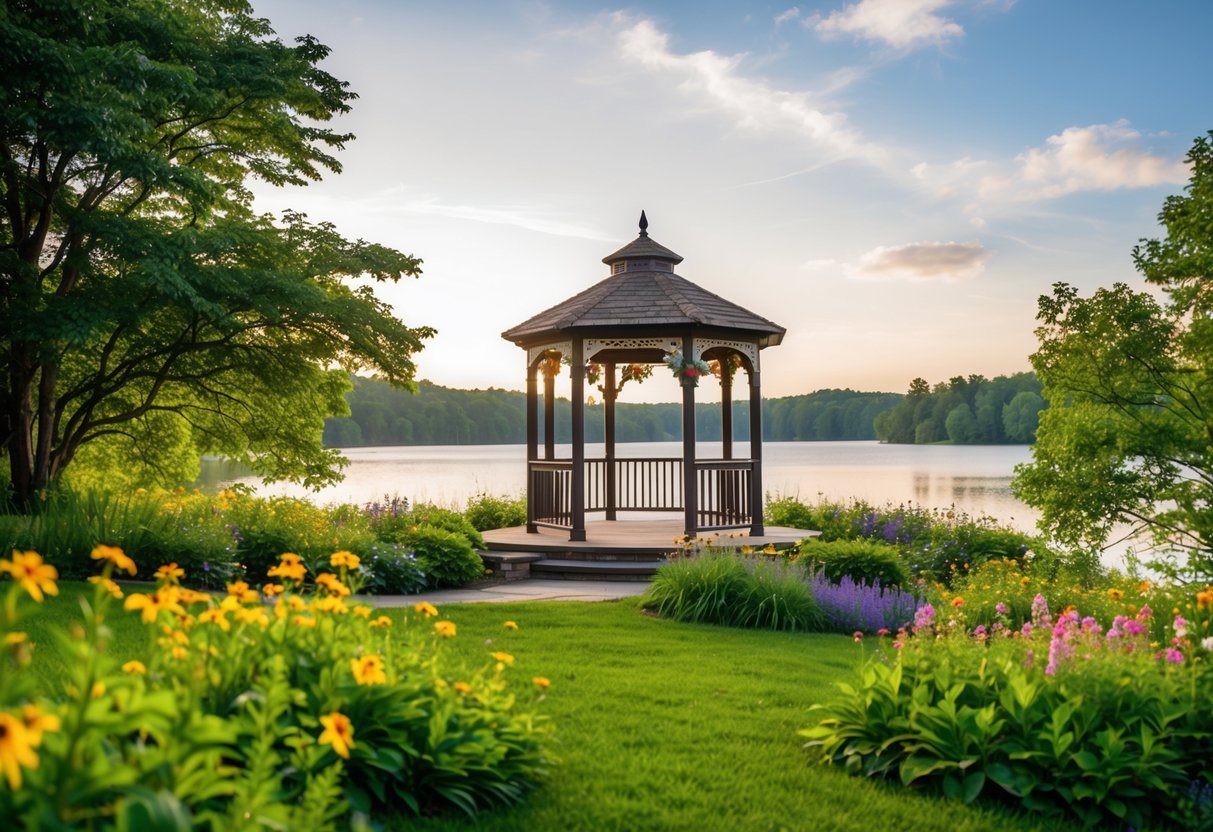
When planning your wedding, it’s essential to understand the different ceremony options available to you in the UK. You can choose between a civil ceremony, a religious ceremony, or find a venue that fits your budget.
Civil Ceremonies
A civil ceremony is a legal wedding performed by a registrar. It’s often held at a registry office or an approved venue. This option is popular for couples who prefer a simple, secular setting without religious elements.
You and your partner will need to book a date and give notice at your local registry office. The marriage schedule, a document that confirms your intent to marry, must be signed during the ceremony.
For same-sex couples, the option to have a civil ceremony is fully accessible, allowing everyone the right to marry.
Religious Ceremonies
If you wish to have a more traditional wedding, a religious ceremony might be right for you. This type of ceremony can take place in a church, mosque, temple, or another place of worship.
You’ll still need to give notice, but each religious institution may have specific requirements. Some may ask you to attend pre-marital counseling or classes. Make sure to discuss your wishes with your chosen officiant to ensure the ceremony aligns with your beliefs.
Free and Low-Cost Venues
Finding low-cost venues for your wedding can be a challenge, but options do exist. Some local councils offer free civil ceremonies in public spaces, such as parks or community centers, with limited facilities.
Additionally, consider asking family or friends if you can use their homes or gardens. This can create a cozy atmosphere at little to no cost. Don’t forget to check out community halls or local churches, which may have reasonable rates and might be eager to support local couples.
Stages of Getting Engaged and Married
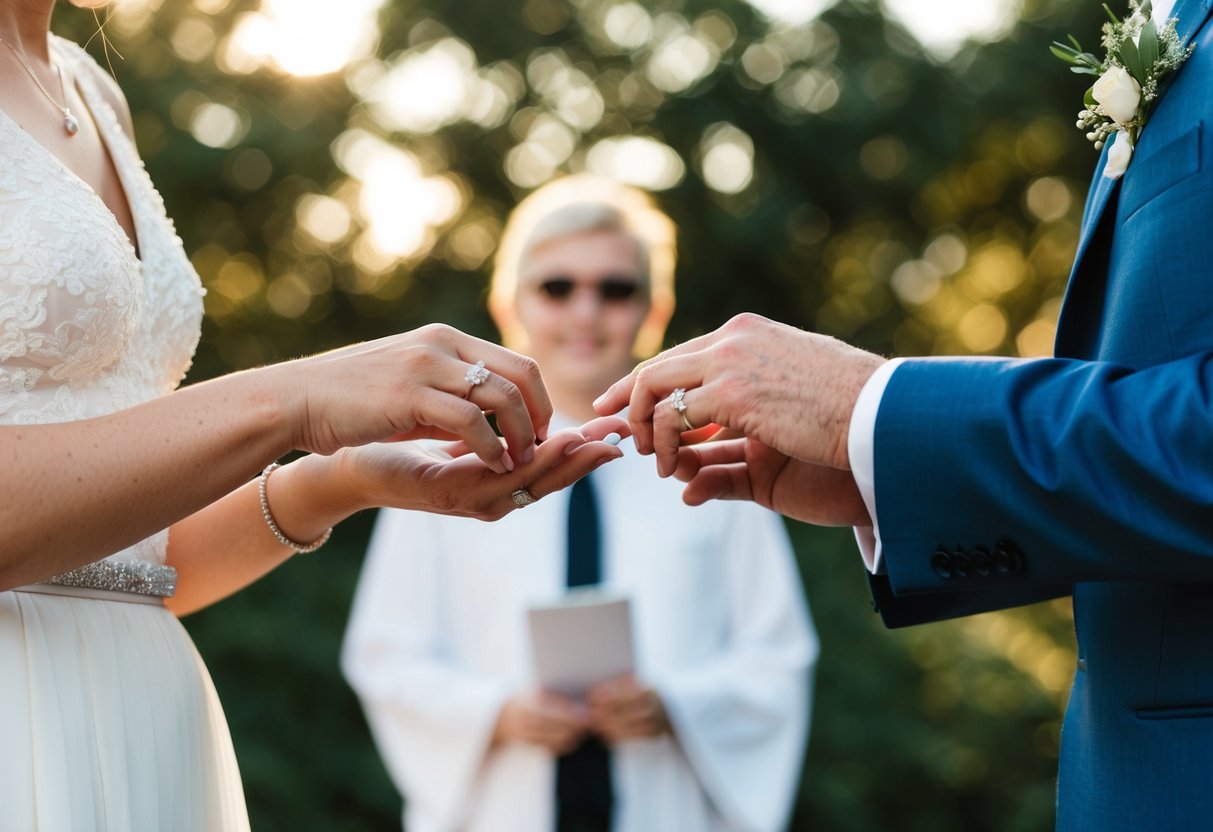
Getting engaged and then married involves several key steps. These stages can shape your relationship and set the tone for your future together. Understanding each part will help you navigate this exciting journey smoothly.
From Engagement to Wedding Day
When you decide to get engaged, you mark a significant milestone in your relationship. It’s the time to celebrate your love and intentions.
If your partner gives you an engagement ring, it’s usually seen as a promise to marry.
Once engaged, you may want to plan your wedding. This includes choosing a venue, setting a date, and deciding on your guest list.
You will need to apply for a marriage license, which can vary by location. Make sure to check the details at your local registered office to ensure you have the correct documents.
If you or your partner are from another country, consider if the marriage visitor visa is necessary to legally marry in the UK. This visa allows you to spend a limited time in the UK for marriage.
Post-Marriage Considerations
After you say “I do,” your journey continues.
First, you may want to explore applying for a family visa if your partner is from outside the UK. This allows them to live and work in the UK with you.
You’ll also need to update important documents, such as your name if you choose to change it.
Keep in mind any financial changes as well, especially if you have joint accounts.
It’s essential to consider what your life will look like as a married couple. This might include discussions on finances, living arrangements, or future family plans.
Taking these steps can help you build a strong foundation for your life together.