
Can You Get Married in Your Own Back Garden? Here’s What You Need to Know!
Getting married in your own backyard can be a dream come true. You can legally get married in your garden, as long as you follow local laws and obtain a marriage license. Picture saying your vows surrounded by flowers and family in a space that’s uniquely yours.
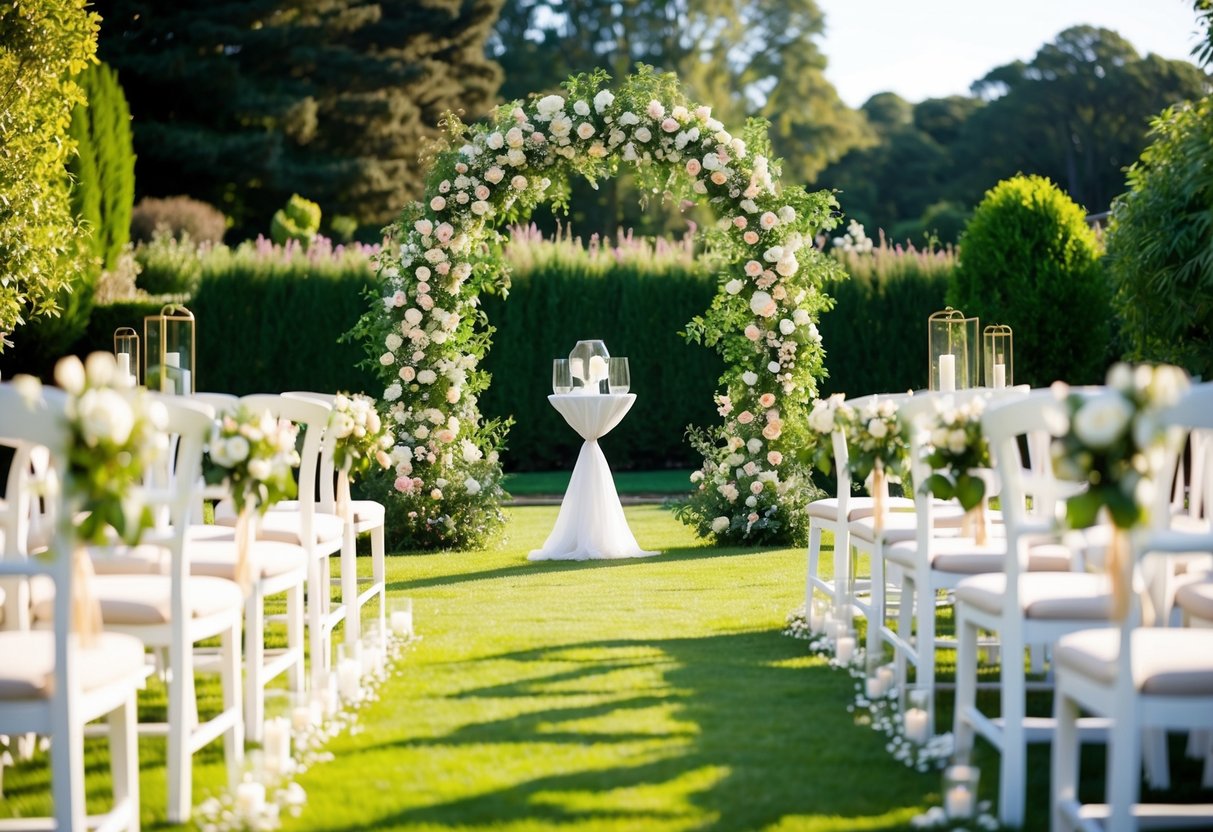
It’s a personal touch that reflects your style and preferences.
Before you start planning, make sure to check local zoning laws and any restrictions that may apply to hosting an event at your home. With the right preparations, your garden can become the perfect setting for your special day.
Imagine an intimate ceremony filled with your favorite people, all within the comfort of your home. With careful planning and a clear understanding of the legal requirements, your backyard wedding can be both beautiful and memorable.
Planning Your Backyard Wedding
Planning a backyard wedding can be exciting and personal. You’ll want to make sure all the details are covered.
Focus on the legal requirements, choosing the right date, and creating a guest list.
Understanding Legal Requirements
Before you start planning, look into the legal requirements for getting married in your garden. Most places require a marriage license, so check with your local authorities to find out what is needed.
You may also need to comply with zoning laws and regulations. Some areas have restrictions on noise, parking, or the number of guests. If your yard is too small, you might need to consider a licensed venue or a larger space.
Make sure the officiant knows the venue is your backyard. It’s essential for ensuring your wedding ceremony runs smoothly. Getting all legal aspects sorted before the big day can save you from stress later on.
Selecting Your Wedding Date
Choosing the right date is important for your backyard wedding. Think about the season. A garden wedding in spring or summer can be beautiful, but it comes with the risk of rain.
Consider having a backup plan like tents or an indoor option. Check if there are any local events on your chosen date that could affect traffic or accommodations.
Also, think about your guests’ availability. Weekends are popular, but a weekday might offer more flexibility for your settings. Finding a date that works for you and your loved ones is key to making it an intimate wedding.
Creating a Guest List
When planning your backyard wedding, creating the guest list is a crucial step. Start with your closest family and friends. This helps keep the event intimate.
Make a rough list and think about how many people your backyard can comfortably hold. Remember to consider the layout—do you need space for chairs, a ceremony area, and dining?
Once you have a number, you can decide if you want to invite more people or keep it small. Send out whether it’s digital or physical invitations early, so everyone can save the date. The right guest list helps create the perfect atmosphere for your special day.
Logistics and Amenities
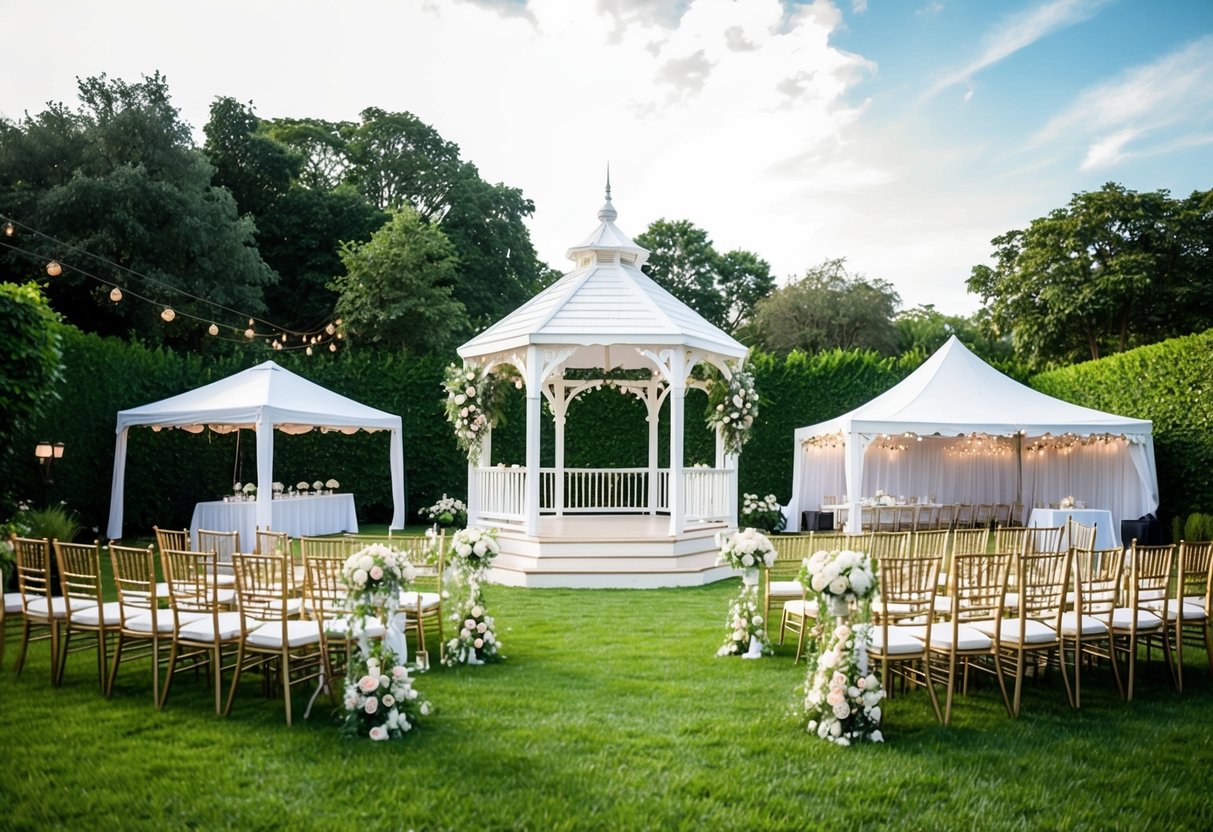
When planning a wedding in your backyard, it’s important to consider several practical aspects. This includes obtaining necessary permits, ensuring all guests can access your space, managing parking, and providing convenient restroom facilities. Each of these factors will help create a comfortable and enjoyable experience for everyone.
Securing Necessary Permits
Before hosting your wedding, check with your local authorities about any necessary permits. Some areas require a special permit for outdoor events, even in your own garden. This helps ensure you comply with local laws and regulations.
Start by visiting your city or county’s website. You can often find information on the forms you need. If needed, contact the office directly for guidance. Remember that the process can take time, so submit your applications well in advance of your wedding date.
Ensuring Accessibility for All Guests
Your wedding should be a joyful event for all, including guests with disabilities. Ensure that pathways are clear and free of obstacles. If there are steps leading to your garden, consider adding ramps for easy access.
A level area for seating and activities is also important. Make sure to check that any seating you provide can accommodate everyone comfortably. This includes ensuring that tables and chairs are appropriate for those with mobility devices.
Providing clear signage can help guide guests as they navigate your space.
Facilitating Parking and Transportation
Parking can be a major concern for any event, especially in a residential area. It’s best to assess how many cars your space can accommodate. Consider designating an area for guest parking in your yard or nearby.
If parking is limited, think about arranging alternative transportation. This could include carpooling options or even hiring a local shuttle service. Make sure to inform your guests ahead of time about parking arrangements in your invitations, so there are no surprises on the big day.
Providing Restroom Facilities
Access to restrooms is essential during your wedding. If your home doesn’t have enough facilities for your guests, consider renting portable restrooms. Many companies offer elegant options that can blend well with your garden setting.
When choosing portable restrooms, look for those with additional amenities, like sinks and mirrors. This often enhances the guest experience. Place restroom facilities in a convenient location, and consider adding signs to guide guests.
Setting Up Your Garden
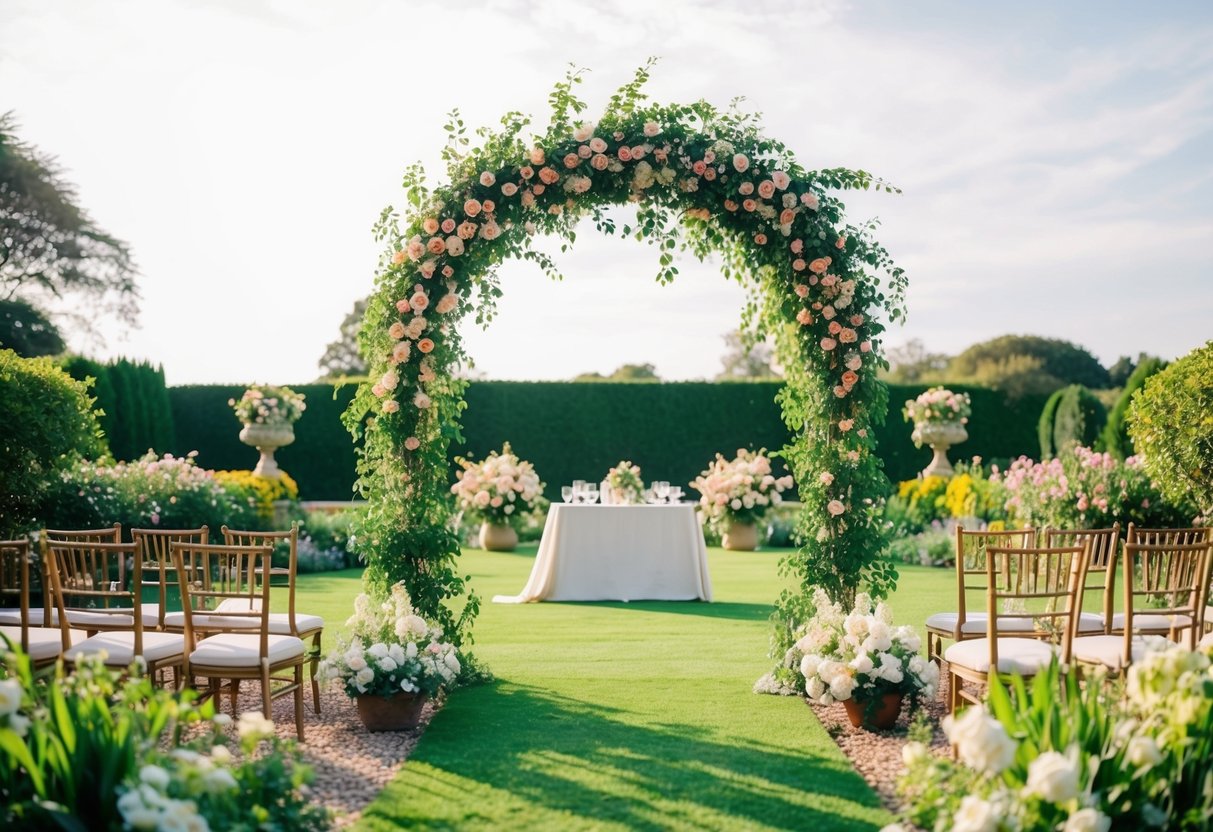
Creating the perfect atmosphere for your garden wedding involves careful planning and attention to detail. You’ll want to focus on decorating your space, arranging sound for your guests, and having a solid backup plan in case the weather doesn’t cooperate.
Decorating Your Space
When it comes to a garden wedding, decorations can enhance the natural beauty of your surroundings. Start by considering your theme. Soft lighting with string lights can create a cozy ambiance as evening approaches.
You might use floral arrangements that match your color scheme. Using local flowers can be budget-friendly and unique. Don’t forget about seating! Consider using elegant chairs, benches, or even picnic blankets for a relaxed vibe.
A focal point, like an arch or a decorated gazebo, can serve as a backdrop for your vows. Adding personal touches, like photos of you and your partner, can make your space feel intimate.
Renting or Buying a Sound System
Music can set the mood for your outdoor ceremony and reception. You’ll want to ensure that your guests can hear both the vows and the celebrations that follow.
Consider renting or buying a sound system that fits your needs.
Look for a system that includes microphones for the officiant and music playback capabilities. Portable speakers can be great for smaller gardens. Make sure to test the sound before the big day to avoid any surprises.
Don’t forget about power sources! If your sound system requires electricity, be sure to have extension cords and power strips handy. If you’re using a generator, test it beforehand to ensure everything runs smoothly.
Establishing a Backup Plan
Planning an outdoor wedding means preparing for unexpected weather changes. Establish a backup plan well in advance to keep your guests comfortable and your event running smoothly.
Consider renting a tent to protect against sun or rain. Ensure it has adequate airflow or heating, depending on the weather. Make a checklist of what you’ll need in case of rain, such as extra seating and flooring.
Communicate your backup plan with your guests ahead of time. This will help everyone know what to expect and ensure a relaxed atmosphere, regardless of the weather.
Health, Safety, and Insurance
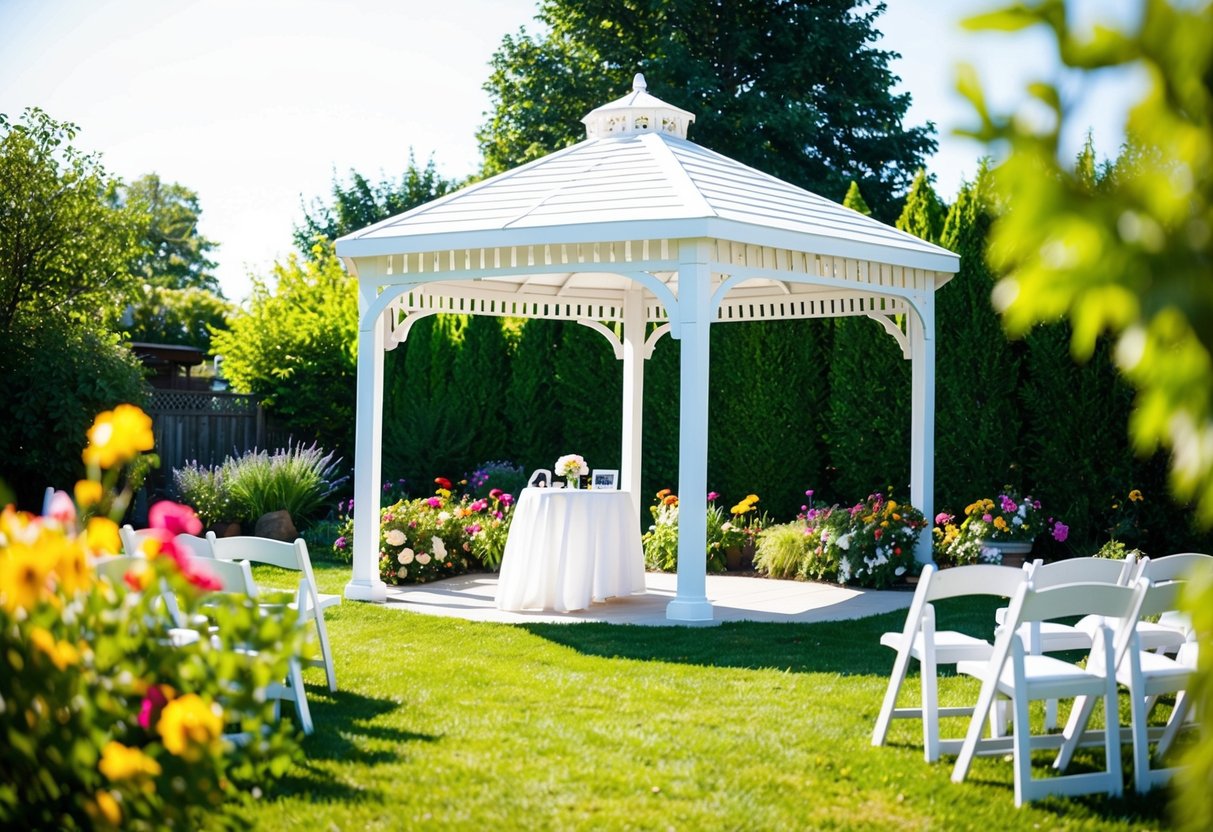
When hosting a wedding in your garden, it’s crucial to consider health, safety, and insurance. By being mindful of noise ordinances, managing alcohol service, and securing adequate insurance, you ensure a smooth event that protects you and your guests.
Managing Noise and Observing Ordinances
Before your event, check local noise ordinances. Many cities have specific rules about sound levels and music during certain hours.
- Know the limits: For example, you may need to keep noise below a specific decibel level or stop music by a designated time.
- Notify neighbors: Letting your neighbors know about the event helps maintain good relations and can ease any potential noise concerns.
Planning some quieter activities or keeping sound levels moderate can help you stay within guidelines.
Handling Alcohol Service Responsibly
If you plan to serve alcohol, you must do so responsibly. Here are some key points to consider:
- Check local laws: Some places require a permit to serve alcohol at private events. Verify what is needed for your garden wedding.
- Monitor consumption: Keep an eye on guest alcohol intake. Provide non-alcoholic drinks and food to encourage moderation.
- Arrange transportation: Offer information on transportation options for guests who may need a ride home. This ensures everyone gets home safely and responsibly.
Acquiring Liability Insurance
Getting liability insurance is an important step in preparing for your backyard wedding. Here are a few tips:
- Homeowner’s insurance may not cover events. Review your policy, as it may not cover property damage or injuries during gatherings.
- Consider additional coverage: Look for liability insurance specifically for events. This coverage can protect you from accidents or injuries that might occur.
- Get quotes: Compare different insurance options and see what is the best fit for your needs and budget.
Securing the right insurance provides peace of mind, allowing you to enjoy your wedding day.