
Can You Get Married on Video? Exploring Virtual Wedding Options
You might be wondering if you can actually get married over video. Yes, you can get married online in many places across the United States. This option became popular, especially during the pandemic, as couples looked for safe ways to tie the knot.
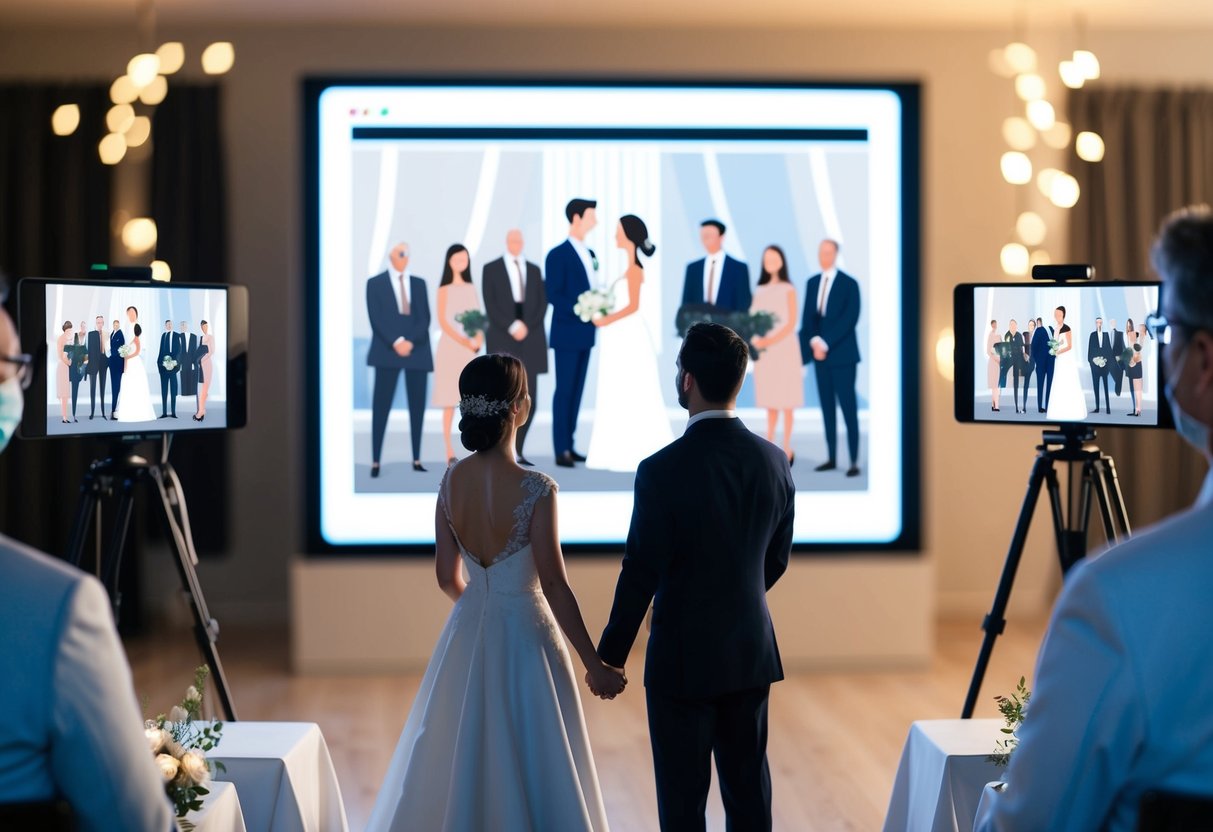
While the rules may vary by state, many allow you to apply for a marriage license and even have your wedding ceremony via video call. It’s a convenient solution for couples who may be separated by distance or simply prefer the comfort of their own home.
With the right planning and understanding of the laws in your area, you can make your virtual wedding dream a reality. Whether you want a simple online ceremony or a more elaborate event, there are plenty of options available to make it special.
Understanding Virtual Weddings
Virtual weddings allow couples to exchange vows online without the need for physical gatherings. This format has grown in popularity, making it easier for people to celebrate their love from anywhere. Let’s explore what virtual weddings are, their legal aspects, and the benefits they offer.
What Are Virtual Weddings?
Virtual weddings are ceremonies that take place online, using video conferencing tools like Zoom, Skype, or Google Meet. This format allows couples to invite family and friends to join the ceremony from their homes. It’s not just about saying “I do” over a screen; it’s about creating a meaningful experience even from a distance.
You can customize your virtual wedding just like a traditional one. Whether you want a simple ceremony or a more elaborate event with decorations and music, the choice is yours. Many couples find that this format brings a unique intimacy to their special day.
Legality and Recognition of Online Marriages
When considering a virtual wedding, legality is a key concern. Most places allow online weddings if certain conditions are met. For a virtual marriage ceremony to be legally binding, it typically must be conducted by a licensed officiant and involve a valid marriage license.
It’s important to research your local laws, as requirements can vary by state or country. For example, some places may require physical presence, while others fully recognize virtual ceremonies. Be sure to check for any necessary paperwork and ensure everything is in order for your special day.
Benefits of a Virtual Ceremony
Virtual ceremonies come with several advantages. First, they eliminate the need for travel, making it easier for guests located far away to join your celebration. No one has to worry about finding accommodations or long-distance journeys.
Additionally, online weddings can be more budget-friendly. With no venue costs and fewer expenses for decorations, you can allocate your budget towards things that matter most to you. This format also allows for a more personalized approach, letting you express your style without traditional constraints.
Overall, virtual weddings offer flexibility, creativity, and connection at a lower cost. You can cherish your special day while ensuring that loved ones can share in the joy, no matter where they are.
Planning Your Online Wedding
Planning your online wedding involves several important steps to make your ceremony smooth and enjoyable. You’ll need to choose the right video conferencing platform, select a virtual wedding package, and manage your guest list effectively. Each of these steps plays a crucial role in ensuring a memorable experience.
Selecting the Right Video Conferencing Platform
Choosing the right video conferencing platform is key to your online wedding. Popular options include Zoom, Google Meet, and Microsoft Teams. Each platform has features that suit different needs.
- Zoom is popular for its ease of use and capability to host many guests. You can also record your ceremony.
- Google Meet is great if you prefer a platform integrated with other Google services. It has a simple interface.
- Microsoft Teams is ideal if you’re already familiar with it for work.
Make sure your guests can easily access the chosen platform for a seamless experience.
Choosing Your Virtual Wedding Package
When selecting a virtual wedding package, consider what services you need. Many providers offer different options, such as officiants, videographers, and planners. Think about the following:
- Officiant: Do you want a professional officiant or a friend to lead the ceremony?
- Videography: Will you hire someone to record the event and provide editing?
- Extras: Some packages include decor, music, or virtual wedding planning services.
Compare packages to find one that fits your vision and budget. Personalizing your online wedding makes it special.
Inviting Guests and Managing RSVPs
Inviting guests and managing RSVPs can be done easily through online tools. Consider using event platforms or even social media to send invites. Here’s what to keep in mind:
- Send Clear Invitations: Include date, time, platform link, and any necessary instructions.
- Track RSVPs: Use an online form or an app to organize who can attend. This helps plan for any interactive elements during the ceremony.
- Reminders: Send out reminders closer to the date. This keeps your guests excited and ensures they don’t forget.
Effective communication is key to making your virtual wedding a success!
Legal Considerations and Documentation

When you’re planning to get married online, it’s important to understand the legal steps involved. From obtaining a marriage license to knowing the roles of everyone involved, each detail matters. Here’s what you need to keep in mind.
Obtaining a Marriage License Remotely
To get married online, you typically need a marriage license. Many states now allow you to apply for a license through online services. Check your state’s regulations, as the rules can vary.
You might need to submit identification, proof of residency, and maybe even a witness statement. Some places allow the license to be emailed after approval. Be aware that you need to complete this step before your virtual wedding ceremony.
Virtual Marriage License Appointments
Some jurisdictions offer virtual appointments for marriage licenses. You can connect with an authorized officiant via video call. During the appointment, you’ll discuss your plans and provide the required documentation.
Make sure to prepare your IDs and any other essential papers ahead of time. This will help your appointment run smoothly. Once approved, you’ll receive your license, allowing you to move forward with your marriage plans online.
Roles of Officiant and Witnesses
In a remote wedding, having an authorized officiant is crucial. They guide the ceremony and ensure all legal requirements are met. Look for officiants who specialize in virtual marriages as they understand the specific processes involved.
Witnesses are also necessary. Most states require at least one witness to sign the marriage certificate. You can have a family member or friend join the video call as a witness. Be sure they understand their role to ensure everything is valid.
Types of Virtual Weddings and Ceremonies

Virtual weddings offer exciting options for couples looking to tie the knot. You can choose from traditional ceremonies held online, novel proxy marriages, or find special services that cater to diverse relationships. Here are some important types to consider.
Traditional vs Modern Online Ceremonies
Traditional online ceremonies follow the usual wedding formats, adapted for virtual platforms. You might use services like Zoom or Skype to connect with family and friends. An officiant, often located in states like Utah, conducts the ceremony.
On the other hand, modern ceremonies can be more flexible. You can incorporate unique themes and creative ideas that might not work in a physical setting. Many couples use digital tools for customized vows, virtual guest books, and even online music playlists.
Proxy Marriages and Double Proxy Marriages
Proxy marriage is a special type of ceremony where one or both partners are not physically present. In a single proxy marriage, one partner stands in for the other during the ceremony. This can be useful if one partner cannot travel.
Double proxy marriages allow both individuals to have representatives attend. These marriages offer great options for couples facing long distances. Many services provide the necessary documentation, like those from American Marriage Ministries, ensuring that everything is legal.
Special Considerations for Same-Sex Couples
Same-sex couples often face unique challenges in getting married. Virtual marriage services have made it easier, especially in states with more open laws.
Many online platforms offer tailored services to ensure inclusivity.
It’s important to verify that your officiant is legally able to perform same-sex marriages in your state. Researching local laws can help avoid issues.
Virtual weddings ensure that loving couples can celebrate their commitment, no matter the distance.