
Can You Get Married with Just 2 Witnesses? Here’s What You Need to Know
When planning your wedding, you might wonder about the role of witnesses. Can you get married with just two witnesses? In most states, you can legally marry with two witnesses present at your ceremony. Their main role is to affirm that you and your partner are entering the marriage willingly and to sign the marriage license.
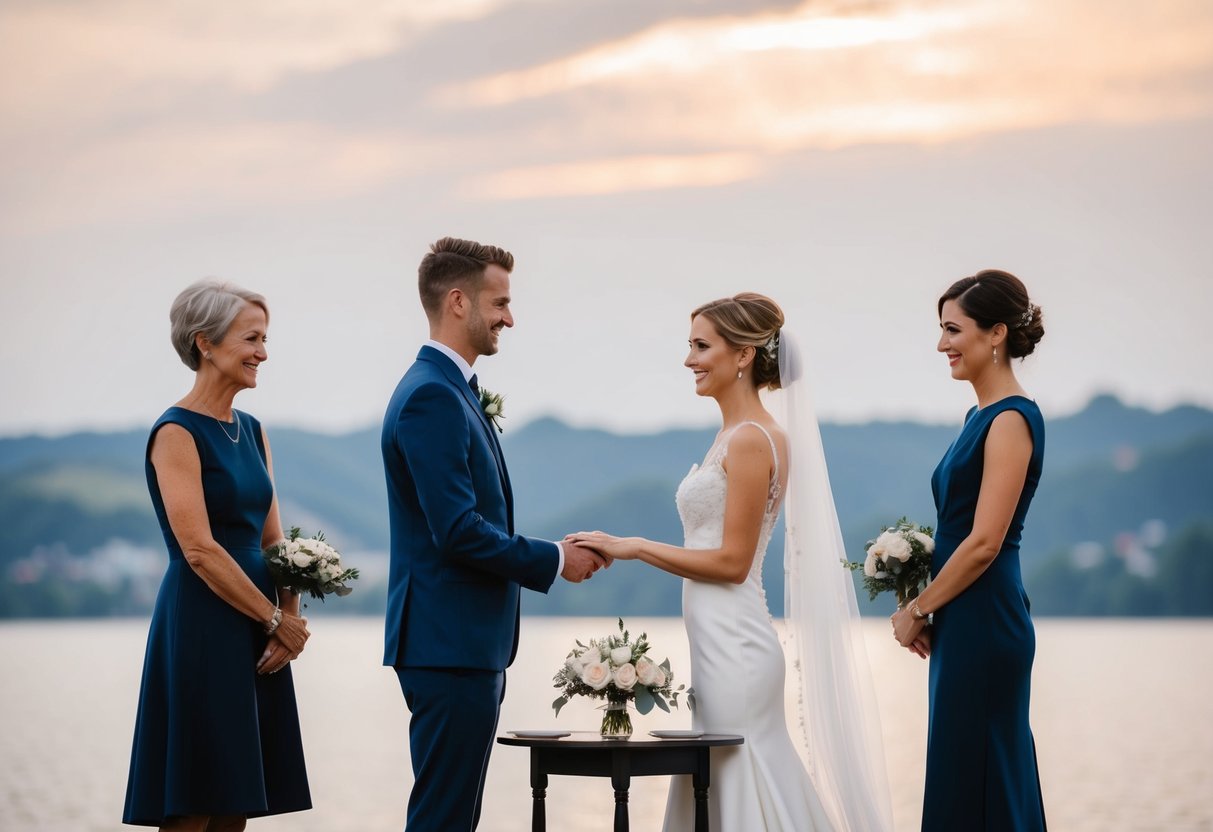
While each state has different laws regarding marriage requirements, many only need a couple of witnesses to make your union official. This means you don’t necessarily have to invite a large crowd to witness your special day. Instead, you can keep your ceremony intimate and personal, focusing on what truly matters—your commitment to each other.
Understanding the requirements of marriage can help simplify your planning process. Knowing that you just need two witnesses allows you to enjoy a serene and meaningful ceremony, whether it’s a grand celebration or a private elopement.
Understanding the Legal Requirements
When planning your wedding, knowing the legal requirements is important. You want to ensure your ceremony goes smoothly, especially when it comes to witnesses and marriage licenses. This section provides details about state marriage laws, obtaining a marriage license, and age requirements.
State Marriage Laws
Each state has its own marriage laws. In some states, you need two witnesses to sign the marriage license. States like North Dakota and Oklahoma require two witnesses, while others, like Ohio, do not. It’s crucial to check your state’s specific laws about witnesses.
Here’s a quick list of state requirements:
- North Dakota: Requires two witnesses.
- Ohio: No witness requirement.
- Oklahoma: Requires two witnesses.
- Oregon: Requires two witnesses aged 18 or older.
Knowing these rules will help you plan better.
Obtaining a Marriage License
To get married, you first need a marriage license. This license is usually issued by a county clerk’s office. Requirements may vary by state but often include providing identification.
You may need to fill out an application and pay a fee. Many states allow you to apply online, making the process easier. The license typically has to be obtained in the county where you plan to marry.
Ensure you check the waiting period for obtaining a license, as some states may have a waiting time before you can use it for a wedding.
Age and Consent
Most states require you to be at least 18 years old to marry without parental consent. If you are younger, you will likely need approval from a parent or guardian. In some cases, a court order might also be necessary.
Here are some key points regarding age requirements:
- 18 and Older: Typically, you can marry without any additional consent.
- Under 18: You may need a parent’s approval or a court order.
It’s essential to understand these age-related requirements to avoid any issues on your wedding day.
Planning Your Ceremony
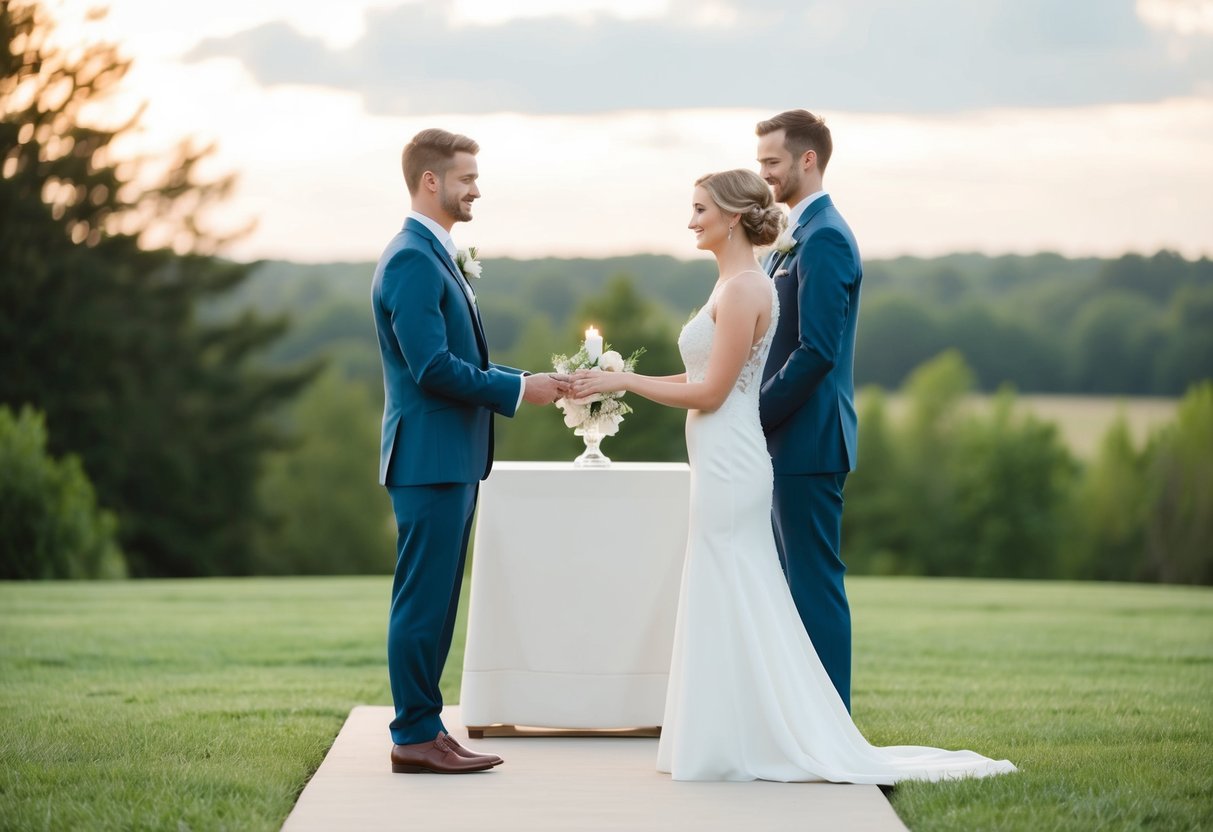
Planning your wedding ceremony is an exciting part of your special day. Focusing on your witnesses, the officiant’s role, and the perfect location will help create a memorable experience.
Choosing Your Witnesses
Selecting witnesses is an important step in planning your ceremony. You usually need two witnesses to sign the marriage license. Choose people who know you well and can support you on your special day.
Consider family members or close friends who can be present. They should be over 18 and understand their role. Remind them to pay attention during the ceremony, as their presence shows support. Discuss what they need to do, especially the signature of one witness after the ceremony on the marriage license.
Roles of the Officiant and Witnesses
The officiant plays a key role in your ceremony. This person is responsible for conducting the wedding and ensuring everything runs smoothly. They will also explain the vows and guide you through the marriage ceremony.
Witnesses observe the ceremony and confirm that you and your spouse consent to the marriage. They must be engaged and attentive during the vows. At the end, they need to sign the marriage license.
Make sure to communicate with your officiant ahead of time about any specific elements or traditions you want to include. A good officiant will be open to your suggestions and help create a personalized ceremony that reflects your love story.
Ceremony Locations and Themes
Choosing the right location is crucial for your ceremony. Think about places that feel special to you as a couple. It could be a park, beach, or even your backyard.
Also, consider the theme of your wedding. Whether you want it to be casual or more formal, the location should match your vibe. Think about how the setting can enhance your ceremony.
You can personalize your ceremony with decorations, seating arrangements, and flowers. Make sure it fits your budget while creating the right atmosphere. The right location and theme will make your wedding day memorable for you and your guests.
Finalizing Your Union
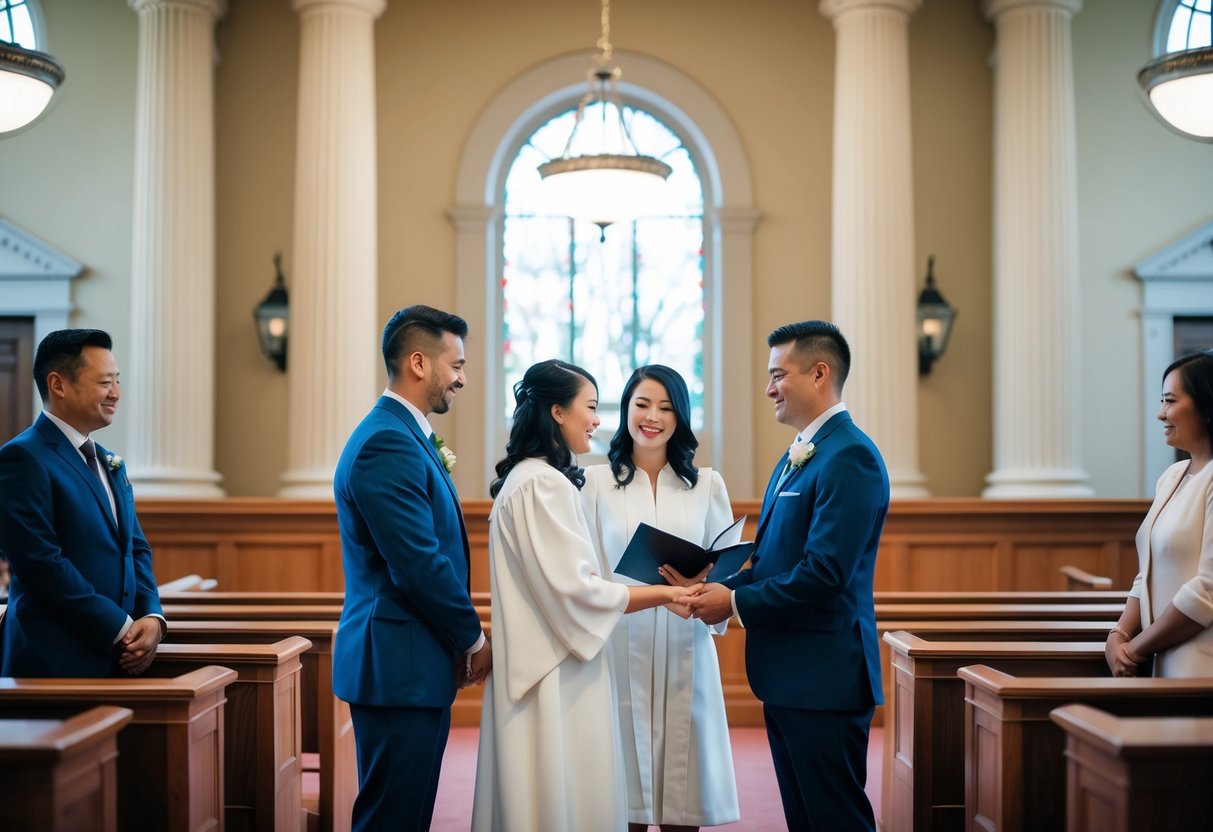
Once you have your two witnesses ready, it’s time to finalize your marriage. This process includes signing the marriage license and obtaining your marriage certificate. These steps are essential to ensure that your union is recognized by the law.
Signing the Marriage License
Your marriage license is a crucial legal document. Both you and your partner must sign it during the ceremony. It’s important that your two witnesses also provide their signatures. This confirms that you are entering the marriage voluntarily.
After everyone has signed, the officiant will take care of submitting the license to the county clerk. Make sure you fill out all required information accurately to avoid any issues. Double-checking details can save you time and hassle later on.
Obtaining Your Marriage Certificate
After you sign and submit your marriage license, you can request a marriage certificate. A marriage certificate is an official document that proves you are legally married. You will usually get a certified copy from the county clerk.
First, check with your local county office for specific instructions on how to obtain this certificate. Some offices may offer online applications, while others might require you to visit in person. Remember, obtaining this legal document is essential for many future tasks, like changing your last name or filing taxes together.