
Can You Get Married Without Giving Notice? Understanding the Rules and Exceptions
When planning your big day, you might wonder if you can get legally married without giving notice. This is an important step that many people overlook. Giving notice is necessary to make sure there are no legal reasons preventing you from tying the knot, whether in a wedding ceremony or a civil partnership.
Giving notice also serves as a way for the public to be aware of your plans to marry. This means anyone who knows of a legal reason for you not to get married can come forward. Understanding the process and requirements will help you navigate your way to a beautiful ceremony without any unexpected hiccups.
The notice period also serves as a way for the public to be aware of your plans to marry. This means anyone who knows of a legal reason for you not to get married can come forward. Understanding the process and requirements will help you navigate your way to a beautiful ceremony without any unexpected hiccups.
As you prepare for your wedding, make sure you know the rules about giving notice. It’s a key part of ensuring that your special day goes off without a hitch, allowing you to celebrate your union happily and legally.
Understanding the Legal Requirements to Get Married
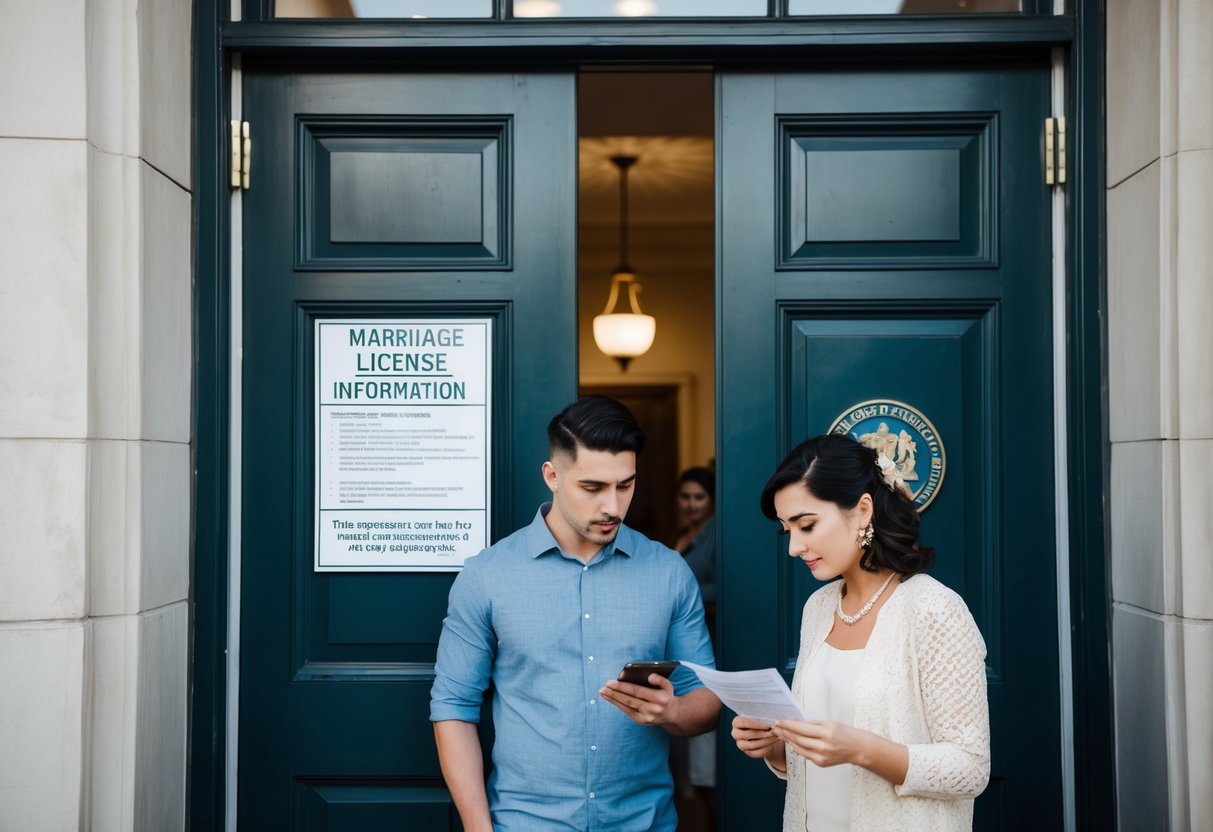
Getting married involves several important legal steps. You need to know about the essential documents, how to give notice of your marriage, the differences between civil and religious ceremonies, and the legal implications of marriage. Each aspect plays a key role in ensuring your wedding day is both special and compliant with the law.
Essential Documentation for Marriage
To legally marry, you must gather specific documents. This often includes a birth certificate, which proves your identity and age. If you are not born in the UK, bring an immigration status document to show you are free to marry.
Other important items include a valid passport and proof of your address, such as a utility bill, bank statement, or council tax bill. If previously married, you will also need to provide a marriage certificate or declaration of divorce. Those under the EU Settlement Scheme may need specific documentation related to their status.
Giving Notice of Marriage
Before tying the knot, you must give notice of your marriage at your local register office. This is a legal requirement and should take place at least 28 days before your wedding.
To give notice, you’ll need to book an appointment and bring the necessary documents, including proof of identity and your immigration status. During this appointment, a legal statement is made confirming your eligibility to marry.
If you’re not from the UK or if you’ve recently moved, check your registration district for specific instructions. Giving notice is essential, as it serves as public confirmation of your intention to marry.
Civil Ceremonies Vs. Religious Ceremonies
When considering how to get married, you have the option of a civil ceremony or a religious ceremony. Civil ceremonies are usually held at a register office or an approved venue. They are straightforward and do not involve religious elements.
On the other hand, religious ceremonies can take place in places of worship and often include religious rites. Both types of ceremonies require notice to be given beforehand, and you will still need the necessary documentation. A void marriage occurs if the legal requirements are not met, while a voidable marriage can be annulled under certain conditions.
Legal Implications of Marriage
Marriage comes with important legal implications. Once married, your legal status changes, affecting property rights, immigration status, and other legal declarations. It’s important to understand issues like shared ownership of assets and responsibilities.
If you or your partner has settled status or pre-settled status, ensure your marriage does not affect your immigration control. Not following legal requirements could result in a void marriage, causing complications later. It’s wise to familiarize yourself with local laws to prevent any misunderstandings.
Planning Your Wedding Ceremony
When you plan your wedding ceremony, consider the location and who will lead the event. Both decisions are important to create a special and meaningful experience.
Choosing the Right Venue
Selecting the perfect venue is crucial for your wedding. You need a place that fits your style and accommodates your guests. Think about whether you want an indoor or outdoor setting.
Consider places like local parks, beaches, or even your backyard. If you prefer a more formal setting, a banquet hall or a local registry office might be ideal.
Keep in mind the size of your guest list. Smaller venues can create an intimate atmosphere, while larger spaces can host more people but may feel less personal. Also, look for venues that offer necessary amenities, like restrooms and accessibility for all guests.
Hiring a Wedding Celebrant
After finding your venue, the next step is hiring a wedding celebrant. This person leads your ceremony and ensures everything runs smoothly.
You can choose between a civil celebrant or a religious officiant. Civil celebrants can perform ceremonies for both opposite-sex couples and same-sex couples. They can often customize your ceremony to fit your wishes.
If you prefer a religious ceremony, find an officiant that meets your beliefs and requirements. It’s also helpful to confirm they can legally perform weddings in your area.
Meet with your chosen celebrant ahead of time to discuss your ideas, vows, and any special rituals you want to include. This time together ensures your ceremony reflects your uniqueness as a couple.
The Cost of Marriage
When planning your wedding, it’s important to consider the costs involved. One key expense is the notice fee, along with other potential costs that come with wedding planning.
Understanding the Notice Fee
In England and Wales, you must give notice of marriage at your local registry office. This involves a fee, which varies by location. Typically, the notice fee can range from £35 to £50 per person.
This fee is a requirement before you can set a date for your wedding. After giving notice, you will need to wait at least 28 days before you can marry. Your notice is also kept on public display, allowing anyone to raise concerns about the marriage.
Don’t forget that this fee is just the beginning. You’ll also need to consider the cost of obtaining your marriage certificate, which often requires an additional fee after the ceremony.
Additional Costs and Considerations
In addition to the notice fee, your wedding planning may involve several other costs. Venue hire, catering, and decorations can add up quickly.
Here are a few more expenses you should consider:
- Venue Costs: Renting a place for your ceremony can vary greatly.
- Catering: This includes food and drink for your guests.
- Attire: Wedding dresses and suits often come with their own price tags.
- Photography: Capturing your special day requires a decent budget too.
Each of these elements plays a significant role in your total wedding cost. Be sure to plan accordingly so you can enjoy your big day without any financial stress.