
Can You Get Married Without Going to a Registry Office? Exploring Alternative Ways to Tie the Knot
If you’re wondering whether you can get married without stepping into a registry office, the good news is that you absolutely can. Many couples choose to tie the knot outside traditional settings, such as registry offices, while still meeting the legal requirements for marriage. This flexibility allows you to celebrate in a way that feels right for you, whether that’s an elopement, a small ceremony at home, or even a destination wedding.
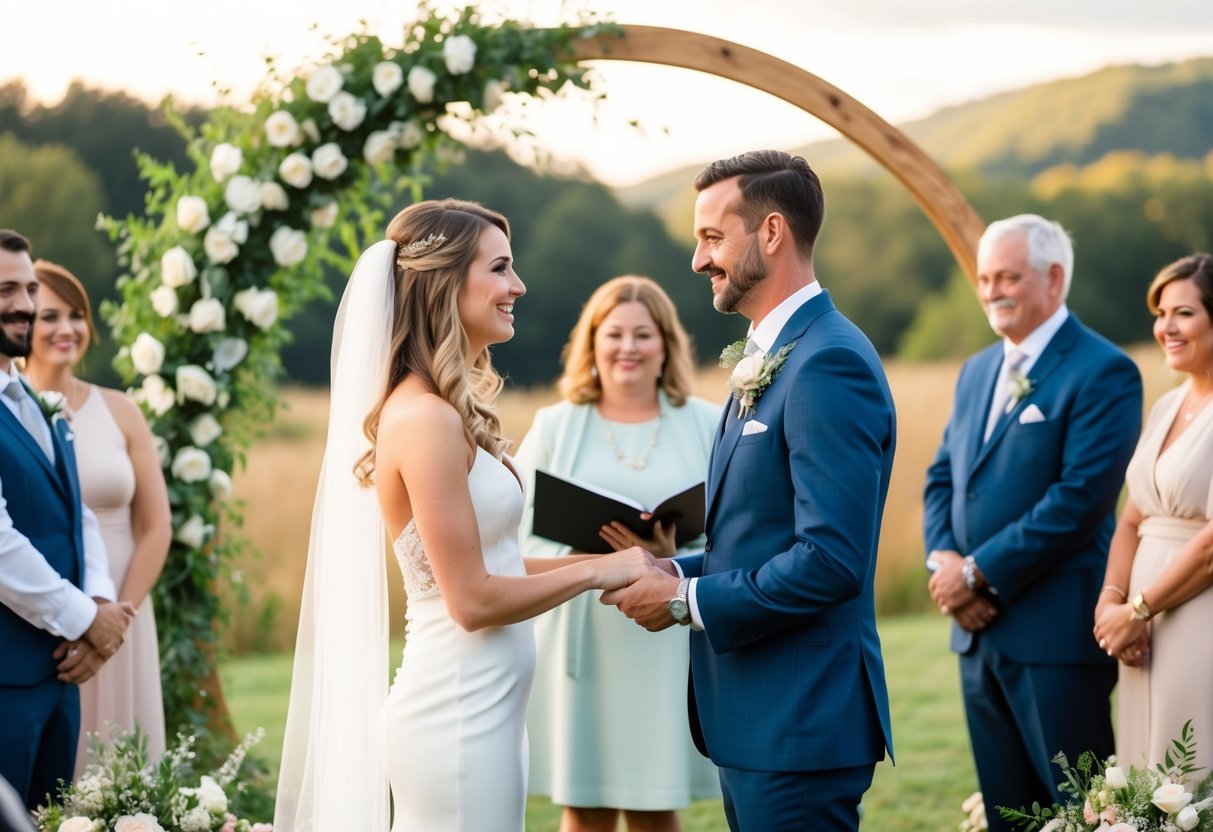
While the registry office is a common choice for legal weddings, it’s not the only option available. You can explore civil ceremonies or even opt for a religious wedding, depending on your preferences and beliefs. Each option has its own set of legal requirements that you will need to follow, but they can be just as valid as a registry office marriage.
As you consider your options, think about what matters most to you in your wedding. Whether it’s spontaneity, intimacy, or simply avoiding the registry office, you have plenty of choices to make your special day truly yours.
Alternatives to a Traditional Registry Office Ceremony
If you’re looking for ways to tie the knot without the traditional registry office setting, there are many options available. From intimate elopements to modern virtual ceremonies, you can find a unique way to celebrate your love.
Elopement and Destination Weddings
Eloping is a beautiful choice for couples who want a simple and spontaneous way to get married. You can escape to a breathtaking location and enjoy an intimate experience.
Destination weddings allow you to combine your love story with travel. You can invite a few close friends or family members, or choose to keep it just the two of you. Popular spots include serene beaches, mountain views, or vibrant cities.
The key is to select a location that feels special to you. Make sure to check the local marriage laws to ensure your ceremony is legal and recognized.
Self-Uniting Marriage
A self-uniting marriage is another option available in certain states. This type of marriage doesn’t require an officiant. Instead, you and your partner can sign the marriage license together.
This option is often chosen by couples who prefer a very personal approach to their wedding. You can set your own vows and create a unique ceremony that reflects your relationship.
Before pursuing this option, it’s important to confirm that your state allows self-uniting marriages, as not all states offer this choice.
Civil Ceremonies at City Hall
Civil ceremonies at city hall provide a straightforward way to get married. These ceremonies are typically quick and can be arranged with minimal planning.
You can usually personalize the experience with a few simple touches, like selecting your vows or bringing a small group of guests. Many couples appreciate this option for its simplicity and efficiency.
It’s advisable to check the specific requirements at your local city hall, such as appointment scheduling and necessary documents, to ensure a smooth process.
Virtual Ceremonies and Online Weddings
Virtual ceremonies and online weddings have grown in popularity, especially in recent years. With the help of technology, you can celebrate your marriage with friends and family anywhere in the world.
These ceremonies can include a live stream or pre-recorded video. You can still include personal touches, such as virtual readings or music.
Make sure to check the legal requirements for your location to ensure that a virtual ceremony is recognized. This option offers a unique and creative way to celebrate your union while accommodating loved ones who may be far away.
Understanding Legal Marriages Without a Traditional Ceremony
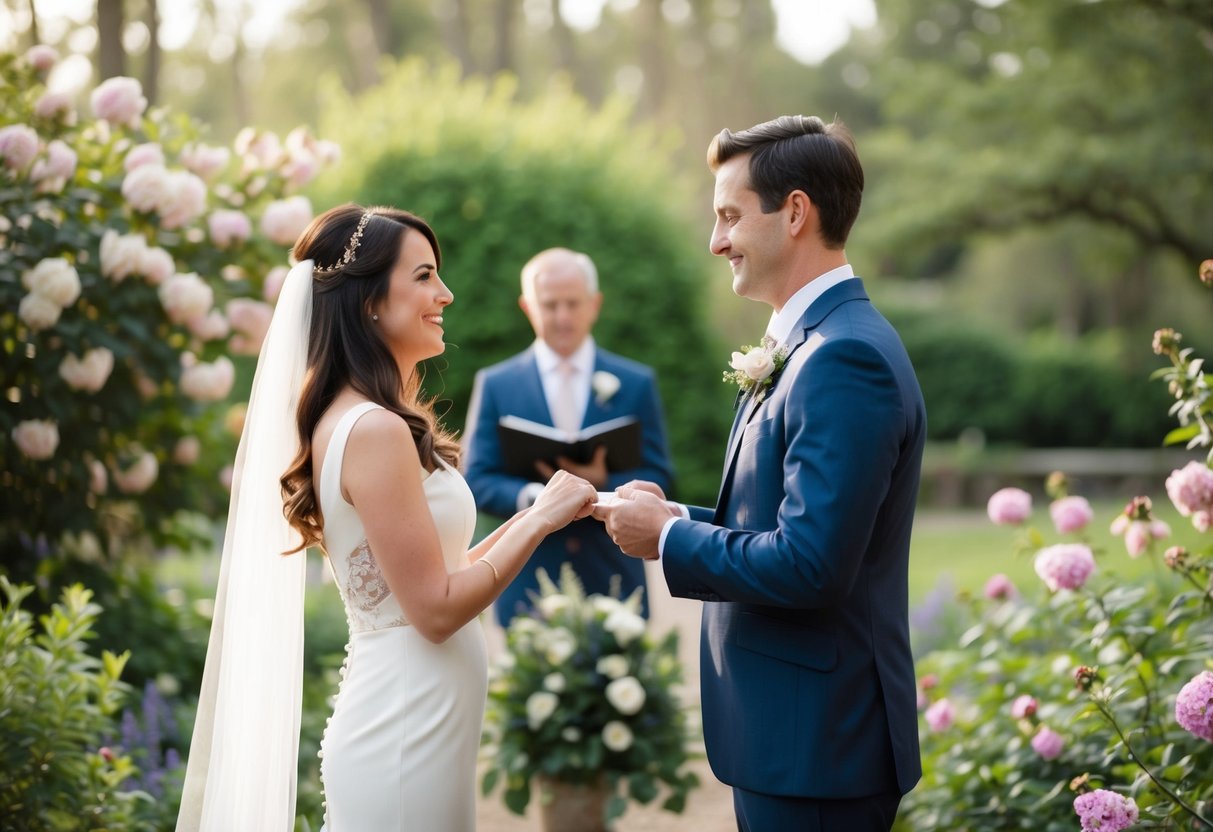
You can legally get married without attending a registry office by meeting specific legal requirements. This section explains what you need to know about marriage licenses, the legal aspects of your union, and the role of witnesses.
Legal Requirements of Marriage
To have a legal marriage without a traditional ceremony, you must meet the requirements set by your state or country. Generally, these include being of legal age, not being closely related, and having the capacity to consent to marriage.
Every location has its own rules, so it’s vital to check the requirements specific to your area. Some places might allow a civil ceremony or an elopement, which could be performed in various locations outside of a registry office.
Securing a Marriage License
Obtaining a marriage license is crucial for your legal marriage. This license gives you permission to marry and is usually issued by a city or county office.
To secure your marriage license, you’ll typically need to provide identification, fill out an application, and possibly pay a fee. You may also have to wait a few days after applying before the license is valid.
Remember that marriage licenses often have expiration dates, so plan accordingly to ensure you marry before it expires.
Witness Requirements for a Valid Marriage
Most places require witnesses to make your marriage valid. The number of witnesses can vary, but it’s common to need at least one or two.
Witnesses must usually be of legal age and capable of understanding the ceremony. They will sign the marriage license to confirm they attended the event, adding an extra layer of authenticity to your union.
Be sure to choose witnesses who are willing and able to be present during your marriage, whether it’s an intimate gathering or a civil ceremony.
Creating a Personalized Marriage Experience
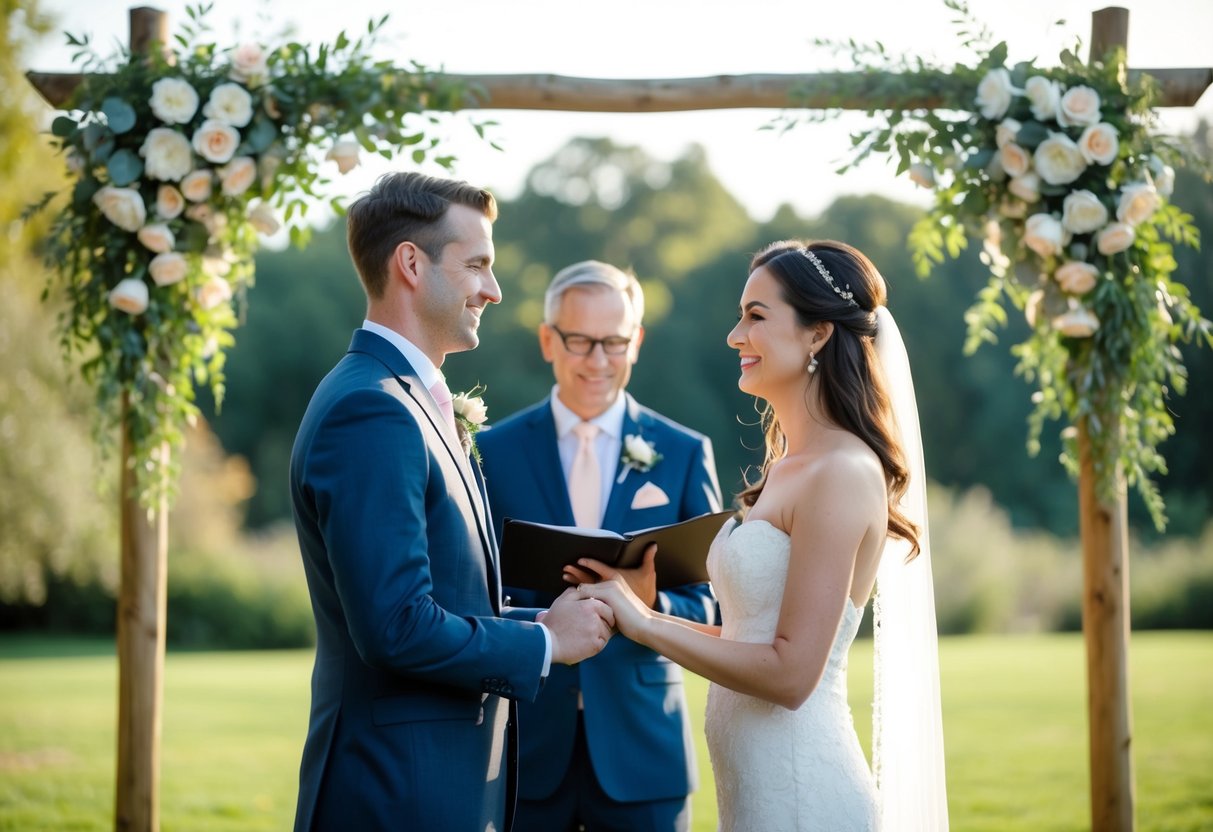
Getting married without a registry office allows you to craft a special and unique marriage experience. You can choose how to express your vows, incorporate cultural traditions, and work with professionals like celebrants to create a meaningful day.
Intimate Vow Exchanges and Commitment Ceremonies
An intimate vow exchange or commitment ceremony can focus on what really matters: your love for each other. This setting might be just the two of you, your family, or a small group of friends.
You can create personalized vows that reflect your journey together. Consider writing your promises to each other and sharing them in a peaceful place, like a park or beach.
This type of ceremony allows you to skip the usual traditions and focus on the emotions that truly count. You can choose to include special readings or songs that are meaningful to you both.
Unique and Cultural Ceremony Ideas
Cultural ceremonies offer unique ways to celebrate your union. Depending on your heritage, you could incorporate various traditions to personalize your experience.
For instance, a handfasting ceremony involves tying your hands together, symbolizing your connection. Other ideas include jumping the broom or lighting a unity candle.
You could also blend different traditions into one ceremony. Mixing these elements adds depth and creates a truly special atmosphere. Guests will appreciate the thoughtfulness you put into celebrating your love.
Working with a Celebrant or Wedding Officiant
Hiring a celebrant or wedding officiant can help bring your vision to life. They specialize in creating bespoke ceremonies that fit your style and preferences.
A professional can guide you through the planning process, helping you with vows and ceremony structure. This support can make everything feel more organized and less stressful.
Look for someone who shares your values and understands your unique story. A good celebrant will listen to your ideas and suggest creative ways to celebrate your marriage, ensuring the experience is personal and memorable.