
Can You Get Married Without Going to a Registry Office? Exploring Alternative Ceremony Options
If you’re wondering whether it’s possible to get married without going to a registry office, you’re not alone. Many couples today seek alternatives to the traditional wedding route.
Yes, you can absolutely get married without stepping foot in a registry office, and there are several unique wedding ideas to consider.
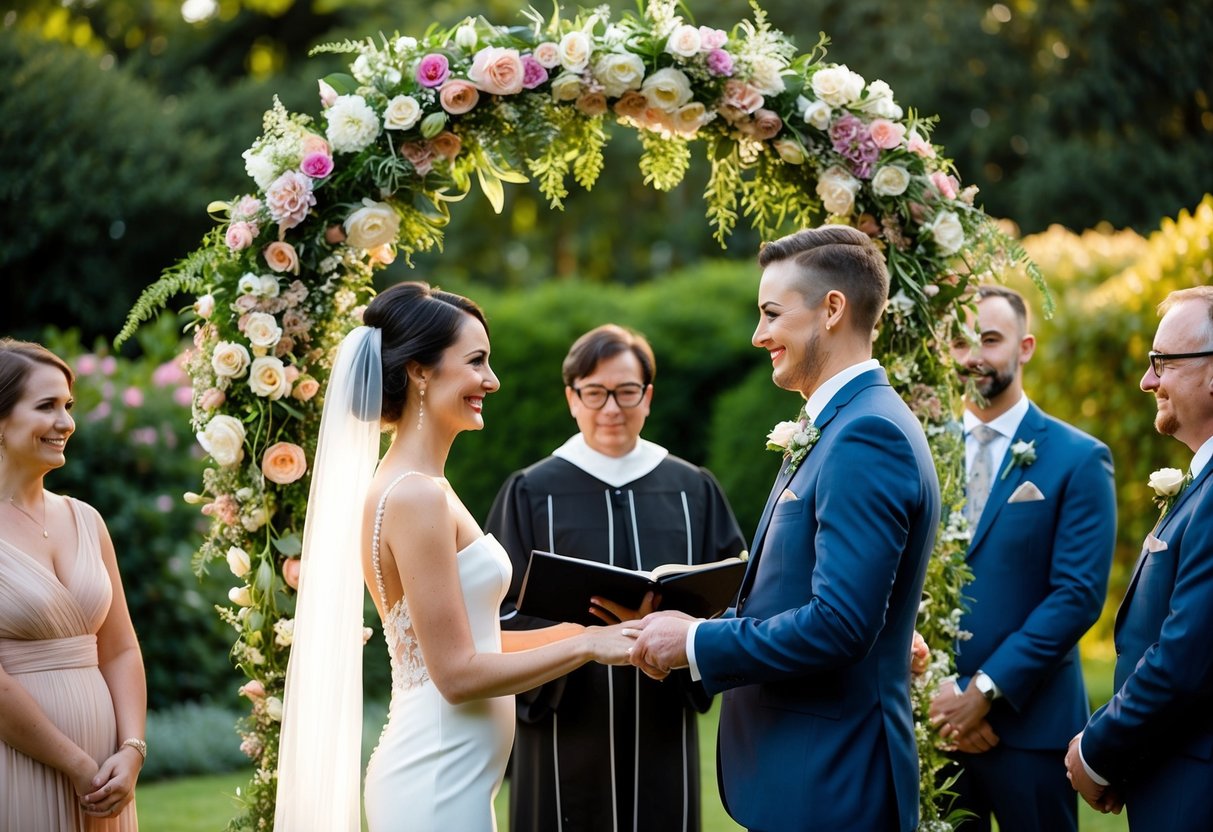
From intimate elopements to adventurous ceremonies in surprising locations, unconventional ways to get married are gaining popularity.
You might choose to exchange vows in a scenic park, on a beach, or even in the comfort of your own home. These options allow you to create a special day that truly reflects your relationship.
Feeling spontaneous? You can also consider online weddings or low-key ceremonies with family and friends. Whatever path you choose, the core of your marriage is about the commitment you make to one another, not the venue where you do it.
Understanding the Basics of Marriage without a Registry Office
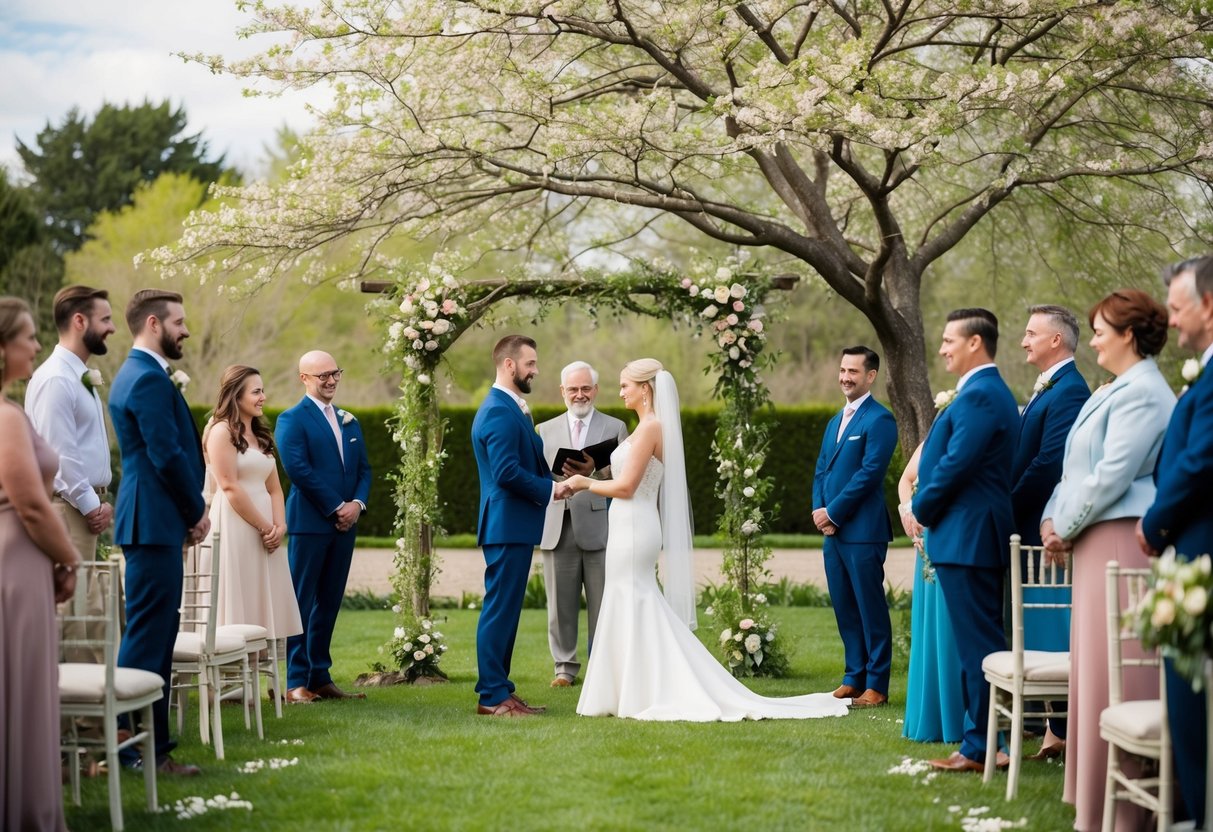
Getting married without going to a registry office is entirely possible. There are different pathways to obtaining a legal marriage, including understanding the necessary legal requirements and exploring various types of ceremonies.
Legal Requirements for Marriage
To get married legally, you typically need a marriage license. The requirements can vary by location. Generally, both partners must be present to apply.
- Age: You usually need to be at least 18 years old. Some places allow younger individuals to marry with parental consent.
- Identification: Be prepared to show valid ID, such as a driver’s license or passport.
- Waiting Period: Some states have a waiting period after applying for a license before you can get married.
Ensure you check local laws regarding marriage to meet all necessary criteria.
Types of Wedding Ceremonies
If you want to skip the registry office, there are several ceremony options.
- Civil Ceremony: This is a non-religious event performed by a judge or authorized official. It’s often simple and involves minimal costs.
- Religious Ceremony: If you prefer a spiritual setting, you can have a ceremony conducted by a religious leader at a place of worship.
Both types can be personalized based on your beliefs and preferences. You can include special vows, readings, or rituals that match your style.
Exploring Alternative Marriage Ceremonies
If you’re looking for ways to get married without going to a registry office, there are several exciting options available. You can consider self-uniting marriages and elopements or opt for virtual weddings and destination events. Each option allows couples to create a unique experience that fits their needs.
Self-Uniting Marriage and Elopements
A self-uniting marriage is a special option where you can marry without an officiant. This type of marriage is legal in several U.S. states. You simply need to exchange vows and declare your intent to be married. This allows for a personal touch and can be done anywhere you choose.
Elopements are also a popular choice for many couples. They often involve a small, intimate ceremony that allows you to focus on what matters most—each other.
Whether you choose a picturesque spot or a cozy location, elopements remove the stress of planning a large wedding. This can enhance your experience and create lasting memories.
Virtual Weddings and Destination Events
Virtual weddings have gained popularity, especially in recent years. They allow you to include friends and family who cannot attend in person.
You can set up a live stream and exchange vows while everyone watches from home. This makes it easy to have a wedding that feels inclusive and special.
Destination weddings are another exciting option. You can choose a beautiful location away from home, making the event feel like a vacation. Whether you want to say “I do” on a beach or in the mountains, destination events provide the chance to create a stunning backdrop for your vows.
Navigating the Legalities of Unconventional Marriages
Getting married without going to a registry office can be a unique experience. However, it’s important to understand the legal requirements involved. This section discusses marriage licenses, witnesses, and options like online and civil ceremonies.
Marriage Licenses and Witnesses
To make your union legally recognized, understanding the role of a marriage license is important. Most places require a marriage license before a wedding ceremony. This license often needs to be obtained from a local office, like a city hall, where you provide identification and sometimes a small fee.
In addition to the license, many states require witnesses to sign the marriage document. Typically, you’ll need at least one or two adults present during your ceremony. They can be family, friends, or anyone you trust. Make sure they’re aware of their role in your special day.
Online and Civil Ceremonies
Online weddings and civil ceremonies are increasingly popular options for those wanting to avoid traditional venues.
An online wedding can often be officiated by a licensed professional over video conferencing. Some jurisdictions allow this, but rules can differ greatly, so check local laws.
Civil ceremonies usually take place at government offices. They often involve minimal costs and are straightforward. You can have a simple ceremony, often with just a few witnesses. This option is great for couples looking for a serious commitment without the frills of a large wedding.
Creating Your Unique Marriage Experience
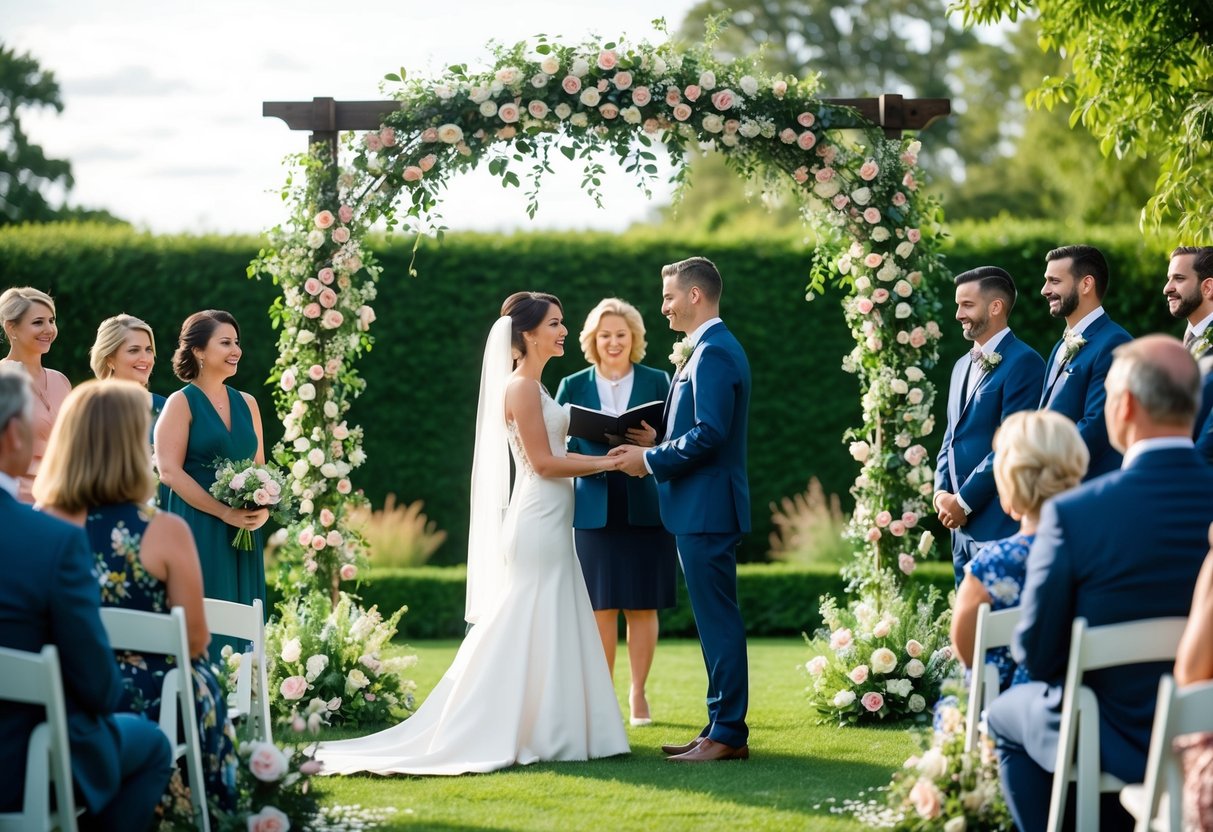
You can create a memorable marriage experience by personalizing your vow exchange and incorporating cultural elements. Every detail helps reflect your love story and commitment, making your ceremony truly unique.
Personalizing Your Vow Exchange
One of the most significant parts of your wedding is the vow exchange. This is your moment to express your feelings in your own words.
Consider writing your vows to capture your promises to each other.
You might include:
- Personal anecdotes or memories
- Specific qualities you love about each other
- Hopes for your future together
You can choose to have a wedding officiant or a celebrant who resonates with your style. An officiant can help you craft a ceremony that reflects your values. If you prefer a more intimate vibe, consider a small gathering with close family and friends. This allows for deeper connections during your vows.
Incorporating Cultural Elements
Adding cultural elements can make your ceremony even more special. Think about your backgrounds and traditions that matter to you. Including these aspects honors your heritage and brings uniqueness to your celebration.
Ways to incorporate culture include:
- Traditional clothing or symbols
- Specific rituals or readings
- Cultural music or dance
If you choose a cultural ceremony, make sure to plan carefully. Research your traditions and consider how they can fit into your wedding. Involving family members in these rituals promotes a sense of unity and respect.
Your wedding can be a beautiful blend of cultures that reflects your love and commitment.