
Can You Get Married Without Making It Official? Exploring the Concept of Commitment Beyond Legalities
If you’re thinking about saying “I do” without all the legal paperwork, you’re not alone. Many people wonder if they can get married without making it official through a government license.
You can engage in a commitment ceremony or spiritual union that does not require any legal formalities.
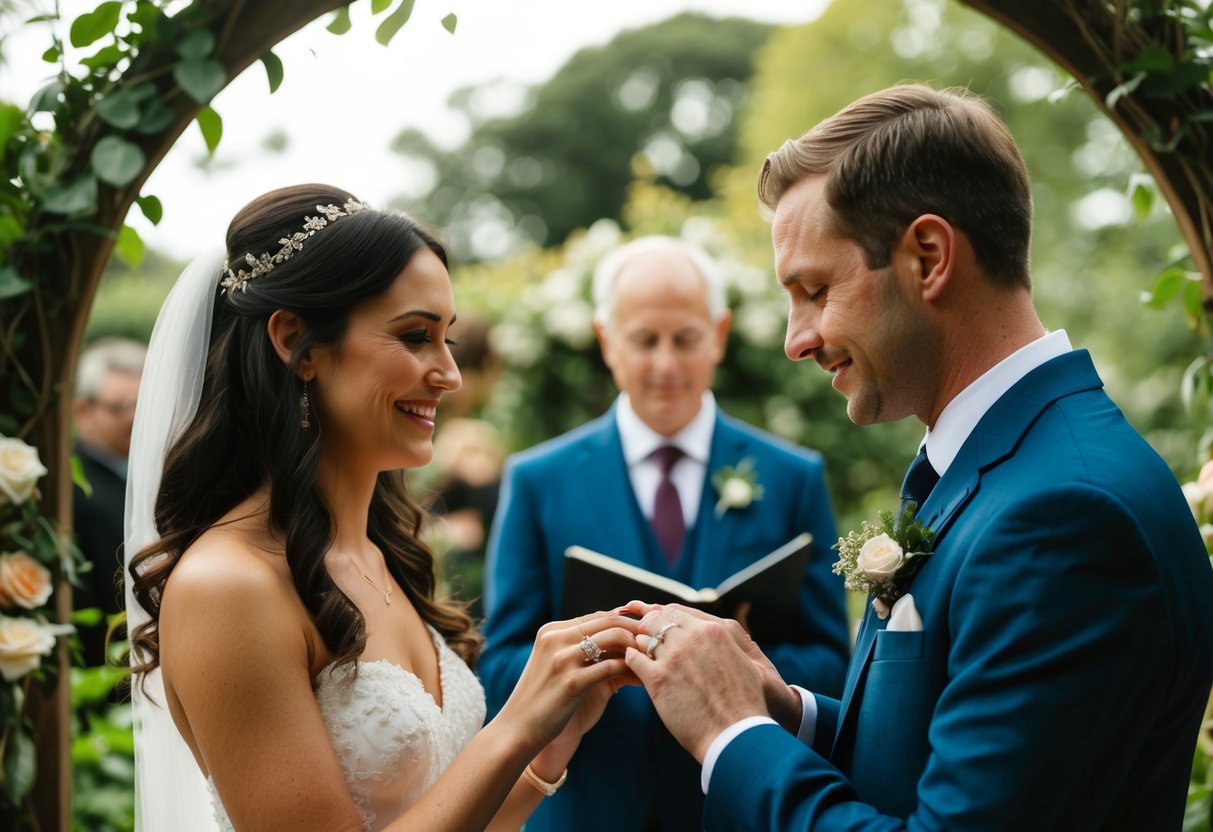
In some cases, couples choose to elope or have simple gatherings without legal implications. This can allow for a personal experience that focuses on your relationship rather than legal requirements.
Understanding the differences between a legal marriage and a non-legal commitment can help you make the best choice for your situation. Whether you want a simple ceremony or a meaningful celebration, exploring your options can lead to a fulfilling experience.
Understanding Marriage
Marriage can take many forms, and it’s important to know the differences between traditional and alternative unions. Understanding what each type involves will help you choose the best path for your relationship.
Traditional Marriage and Its Legalities
In a traditional marriage, you usually need a marriage license. This legal document is important. It shows that your union is recognized by the government. Without it, your marriage might not hold any legal weight.
A civil ceremony is often performed by an officiant, such as a judge or a licensed person. This ceremony can happen in various places, including courtrooms or public venues. Religious ceremonies can also play a role, depending on your beliefs and preferences.
Marriage laws differ by state or country. They dictate the requirements for legal recognition. If you want your marriage to be binding, you must follow these laws and complete any necessary paperwork.
Common-Law and Alternative Unions
Common-law marriage is an alternative for couples who live together for a certain period and present themselves as married. In some places, you may not need an officiant or wedding ceremony. This type of marriage carries its own legal recognition in select jurisdictions.
You may also choose to have a commitment ceremony. This is a personal vow without legal implications. These ceremonies can be meaningful, but it’s essential to remember they don’t replace the legal aspects of marriage.
If you decide not to get legally married, talk openly with your partner. Make sure both of you are clear on what this means for your relationship moving forward.
Personalizing Your Union
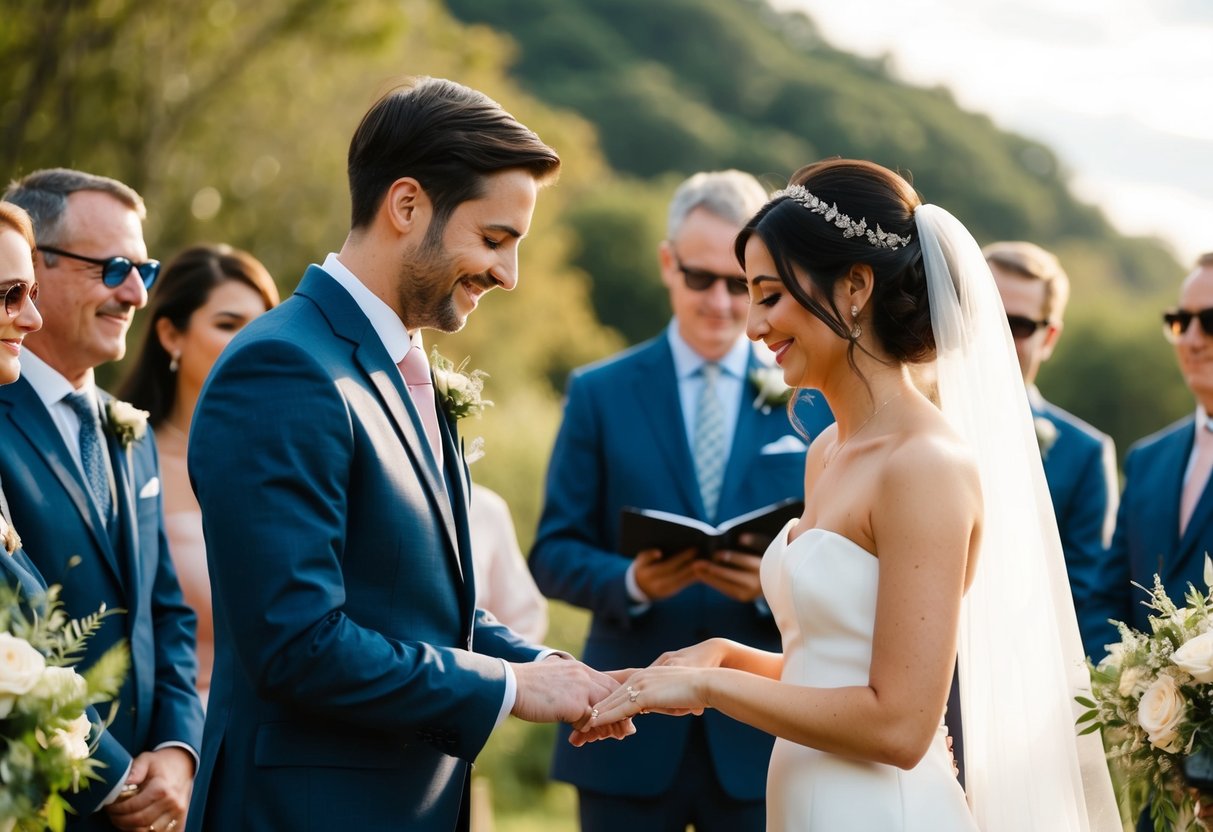
When it comes to personalizing your union, there are many exciting options to create a ceremony that reflects your unique bond. You can celebrate your love in a way that is meaningful to you, whether through special elements in a ceremony or an intimate elopement.
Ceremonial Elements Without Legalities
You can create a beautiful ceremony without the need for legal recognition. Think about what is important to you both. You might want to include readings that hold special meaning or music that resonates with your story.
Consider exchanging vows that express your feelings and promises to each other. You can even ask a friend or family member to officiate, or you could choose to hold a ceremony where you both self-solemnize your commitment. Think of this as a way to make the moment truly yours without focusing on legalities.
Elopements and Private Commitments
Elopements offer a personal approach to wedding planning. Instead of a large gathering, you can choose a location that is special to both of you. This could be a quiet beach, a park, or even your backyard.
In an elopement, you have the freedom to customize your experience. You might want a simple ceremony with minimal planning, or you could include elements such as a small reception for close friends or family later. This allows you to focus on your commitment without the stress of a large wedding. With an elopement, your love story becomes the centerpiece of the day.
Benefits and Considerations of Unofficial Unions
When you consider an unofficial union, it’s important to think about both the positives and the challenges. These unions can offer flexibility, but they also bring certain legal and financial implications you should understand.
The Impact on Legal and Financial Benefits
Unofficial unions do not offer the same legal recognition as traditional marriage. This means you may miss out on important benefits like health insurance and tax breaks.
If one partner has strong health insurance, for example, the other might not be able to join that plan. Also, handling finances can be tricky. You might want to set up a joint bank account to manage expenses, but without legal recognition, it’s harder to make decisions together. In case of a breakup, you won’t have straightforward legal support like you would with divorce.
Social and Emotional Aspects
Emotional support is critical in any relationship. Unofficial unions often rely on a strong personal commitment, which can be fulfilling. However, you might face societal challenges.
Family and friends may not see your relationship as legitimate, which can lead to misunderstandings.
Living together can create a sense of partnership, but there may be pressure to formalize the union. Without the title of husband or wife, your relationship might feel less recognized in social settings, impacting how you’re perceived.
Be aware of these factors and communicate openly with your partner to navigate these challenges together.