
Can You Get Married Without Notice? Understanding the Requirements and Implications
When you’re ready to tie the knot, the last thing you want is a long waiting period. Many people wonder if it’s possible to get married without giving any notice. In many places, you do need to give notice before getting married, but some locations allow for quicker options, especially in emergency situations.
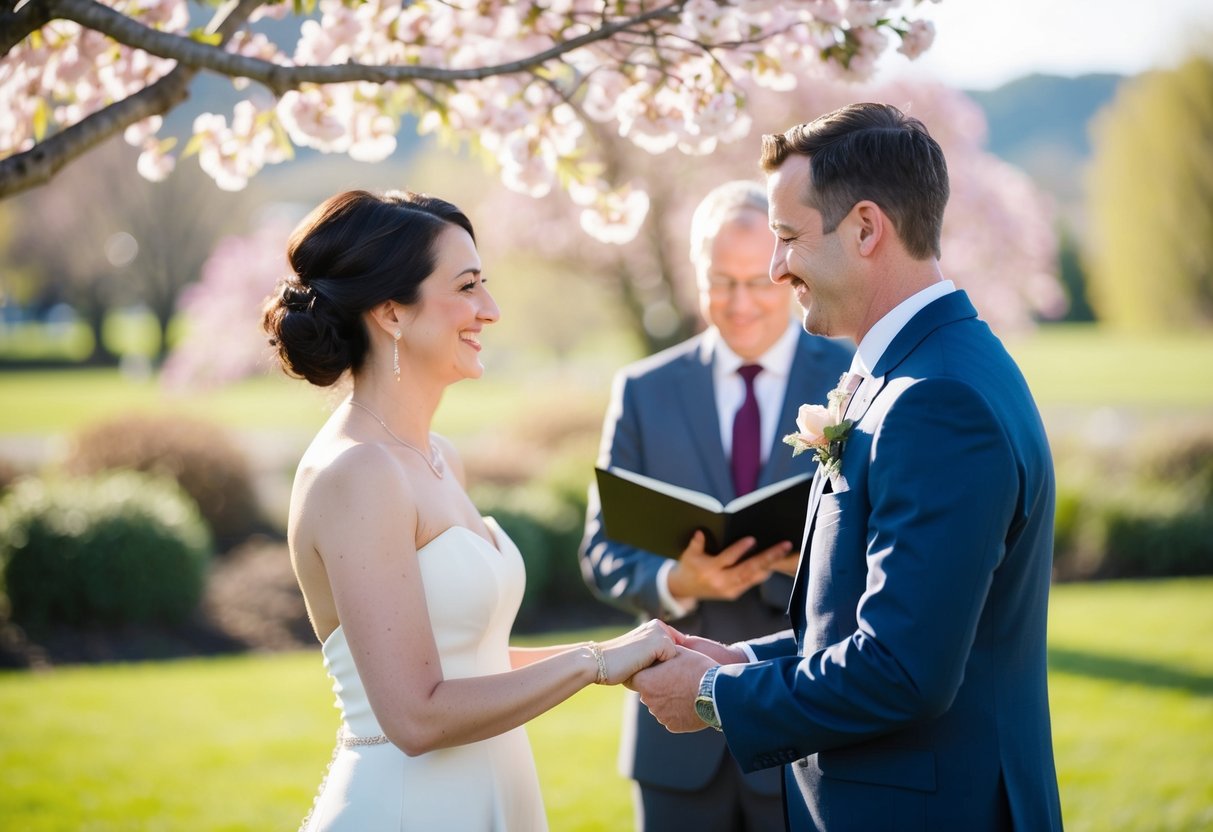
Understanding the rules about marriage notices can save you time and stress. Each state or country has its own laws, which can affect how quickly you can get married.
If you’re planning an elopement or a spontaneous wedding, knowing the legal requirements is essential.
Whether you’re seeking a quick ceremony or a surprise wedding, it’s essential to learn the details first. By understanding your options, you can make the best choices for your special day!
Understanding Marriage Requirements
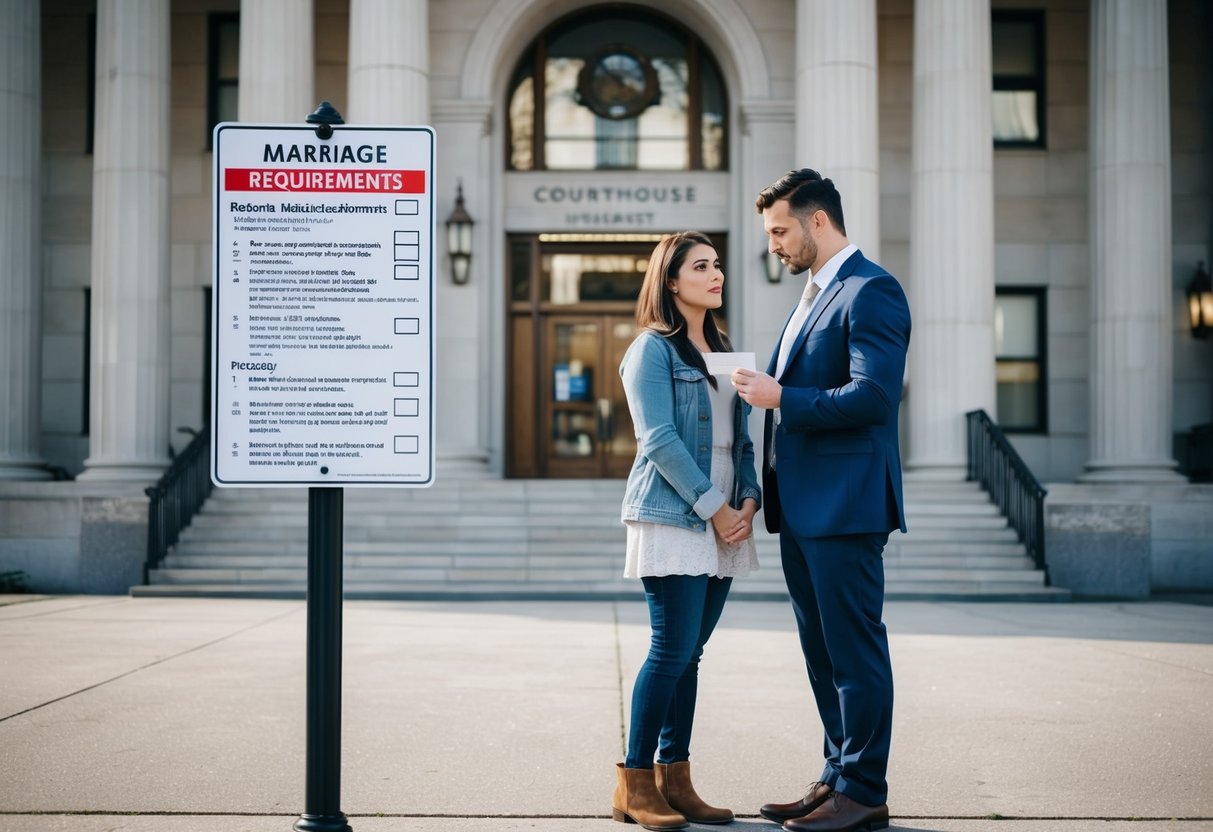
When you decide to get married, there are specific requirements you need to meet. These can vary based on where you live and can influence how you plan your wedding day.
State Marriage Laws
Each state in the U.S. has its own marriage laws. You must be aware of these when preparing for your wedding.
- Age Requirement: Most states require you to be at least 18 years old. If you’re younger, you usually need parental consent.
- Marriage License: Before tying the knot, get a marriage license. The application process often involves paying a fee and providing identification.
- Waiting Period: Some states may have a mandatory waiting period between obtaining your license and getting married.
Familiarize yourself with your state’s regulations to ensure a smooth process.
Legalities of Getting Married
The legal aspects of marriage ensure that your union is recognized.
- Documents Needed: You will typically need a valid ID and your marriage license.
- Witness Requirement: Many states require at least one witness to be present during the ceremony. Check your state’s laws.
- Marriage Certificate: After the ceremony, you will receive a marriage certificate that acts as proof of your marriage.
It’s best to understand these legal requirements clearly to avoid any last-minute issues.
The Process of Giving Notice

Giving notice is an essential step before getting married. It ensures that both parties are legally allowed to marry and prepares for the marriage license application process. Here’s what you need to know about giving notice and the required documents.
Notice of Marriage
To begin the process, you and your partner must give notice of your intent to marry. This is usually done at your local registry office. You need to book an appointment for giving notice, and it’s wise to do this well in advance of your wedding date.
During the appointment, your identities and eligibility will be confirmed. Your notice will be publicly displayed for at least 28 days, allowing anyone to raise legal objections if necessary. If no objections are made, you will receive a marriage license.
Required Documents for Giving Notice
When you go to give notice, be prepared with the necessary documents. You’ll need to provide proof of identity and address.
Acceptable documents include:
- Birth certificate: This shows your identity and date of birth.
- Utility bill, bank statement, or council tax bill: These confirm your current address.
Make sure all documents are original copies, as photocopies are not accepted. This checklist will help ensure a smooth appointment when you give notice for your marriage.
Types of Marriage Ceremonies
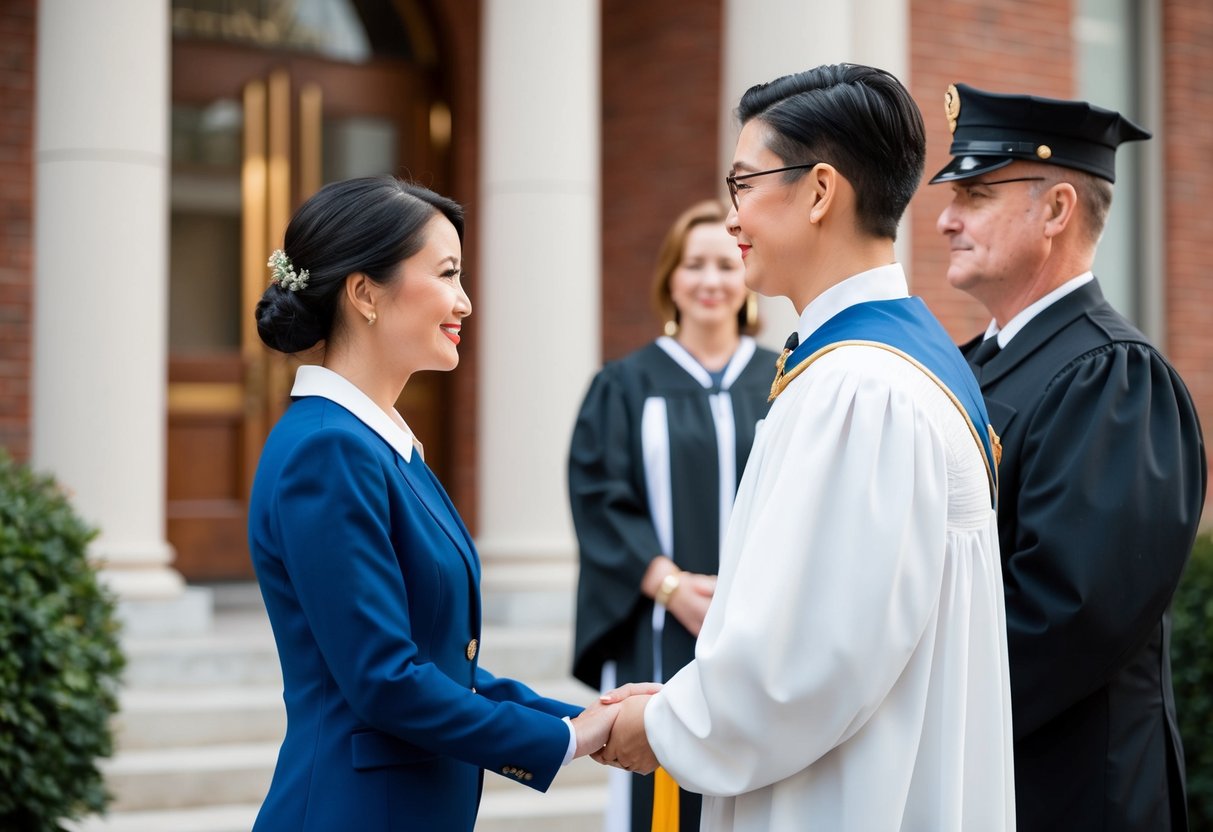
There are several ways to get married, each with its unique features and requirements. Understanding these options will help you decide what best fits your needs and preferences.
Civil Ceremony
A civil ceremony is a non-religious marriage officialized by a government authority. You can choose to have a civil ceremony at a courthouse or other approved venue.
Typically, a Justice of the Peace or another official performs the ceremony. They will ask for your identification and may require a marriage license.
This option is often straightforward and quick, making it suitable if you want to avoid elaborate wedding plans. You may want to invite a few close friends or family, but it’s not necessary.
Religious Ceremony
A religious ceremony involves a spiritual aspect and is often conducted by a religious officiant, such as a priest or minister.
This type of ceremony usually follows specific traditions related to your faith, which can include rituals, prayers, and readings. You should discuss your preferences with the officiant to ensure your ceremony reflects your beliefs.
Additionally, you will need to follow any requirements set by the religious institution, often including pre-marital counseling or classes. A religious ceremony can provide a meaningful backdrop for your commitment.
Elopement Options
Elopement is a private way to get married, often with minimal witnesses and without the fuss of a traditional wedding.
You may choose a scenic location to hold a small, intimate ceremony. Some couples opt for a simple officiant, like a Justice of the Peace, or even have a close friend or family member conduct the ceremony.
This route is perfect if you want something spontaneous and personal. You can focus on your connection, away from the pressures of planning a large wedding. Elopements can be as unique as you make them, with or without traditional elements.
Finalizing Your Union
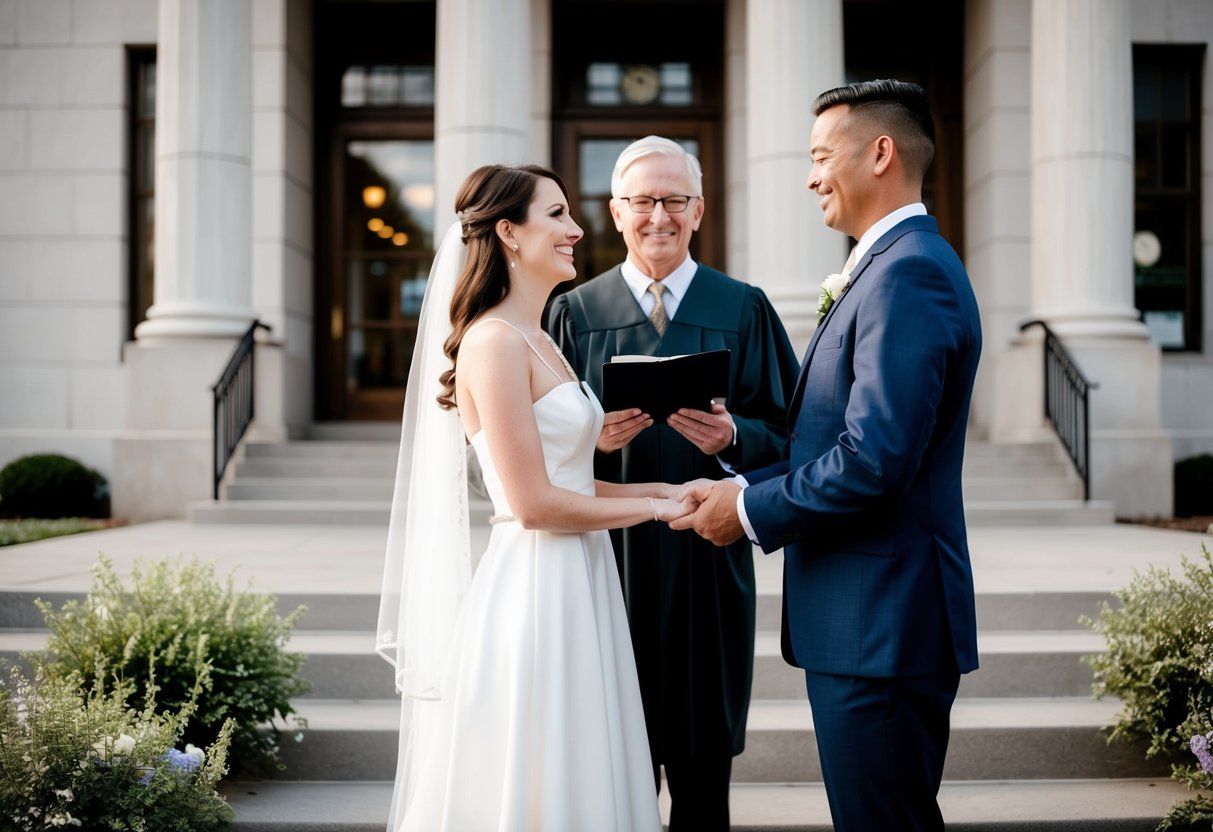
When you want to get married without a notice period, finalizing your union involves a few important steps. You need to obtain a marriage certificate to make your marriage legal. Here’s what you should know.
Obtaining a Marriage Certificate
To obtain your marriage certificate, you must first apply for a marriage license. Your local registry office or register office typically issues this license.
The marriage license is a legal document that allows you to marry. After you complete the marriage ceremony, both you and your officiant need to sign the marriage license. This step is essential for it to be valid.
Once signed, return the marriage license to the issuing office to receive your official marriage certificate. This certificate is proof that you are legally married. Check with your local office for specific requirements, as they can vary by location.