
Can You Get Married Without Vows in the UK? Exploring Alternative Ceremonies
When planning your wedding, you might wonder if it’s possible to get married without saying vows in the UK. The good news is that while vows are an important part of many ceremonies, they are not strictly required in a civil ceremony.
This means you can focus on other elements of the wedding that matter most to you and your partner.
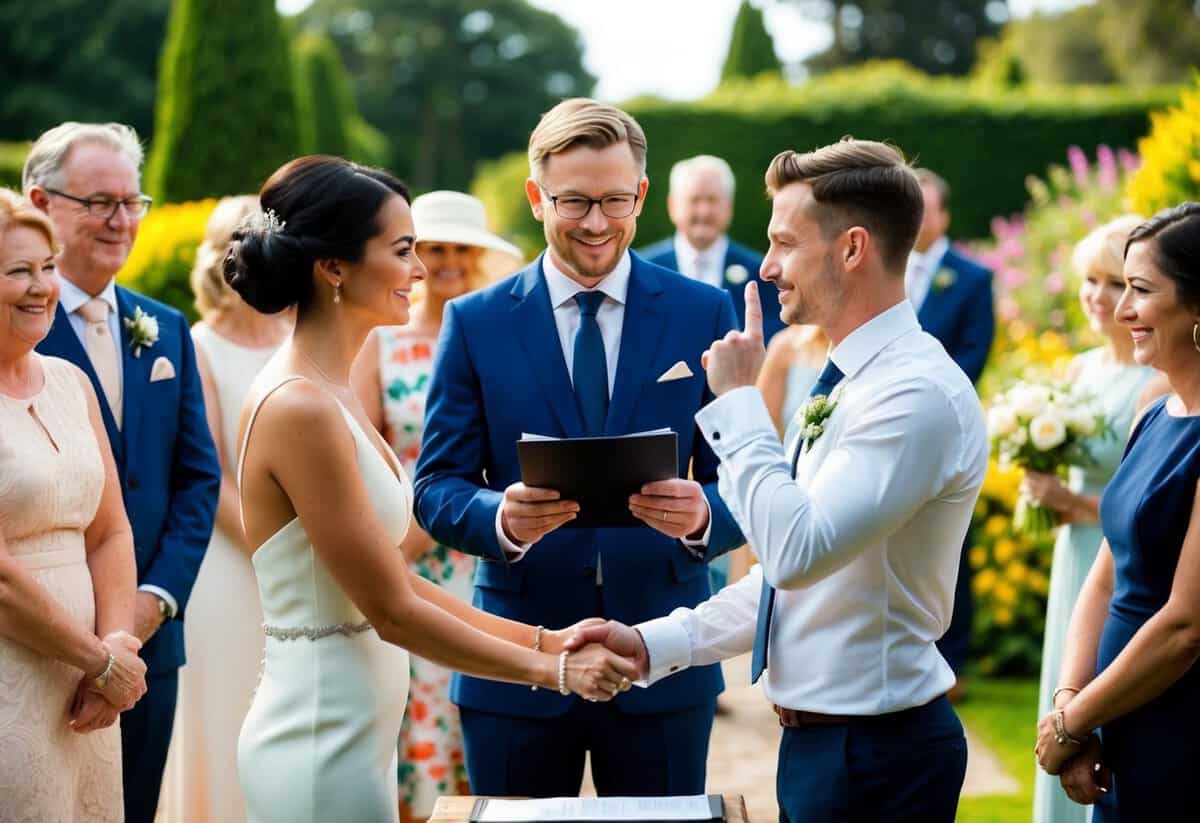
Many couples choose to personalize their ceremonies, which can include unique rituals along with legal elements that make the marriage official.
If you’re leaning towards a civil ceremony, you might find that the requirements are more flexible than you think, allowing you to design a day that reflects your love without the traditional vows.
Whether you’re considering a simple gathering or something more elaborate, knowing your options can help you create a meaningful UK wedding. The focus can be on your commitment to each other while still fulfilling the legal requirements to make your union official.
Legal Requirements for Marriage in the UK
Getting married in the UK involves several legal steps. Here’s what you need to know:
-
Giving Notice: You must give 28 days’ notice at your local register office. This step is crucial and cannot be skipped.
-
Proof of Identity: Bring proof of address and immigration status when you give notice. This helps verify your identity.
-
Witnesses: You need at least two witnesses present at your wedding ceremony. They must be aged 16 or older.
-
Approved Venue: Your ceremony must take place at an approved venue. This can be a registry office or a licensed location.
-
Marriage Schedule: After giving notice, you will receive a marriage schedule. This document is needed to complete your marriage.
-
Marriage Certificate: Once your ceremony is complete, you can apply for a marriage certificate. This is an important legal document.
-
Registrar: A registrar must officiate your marriage if you’re having a civil ceremony. Make sure to book them in advance.
-
Marriage Register: After the ceremony, your details will be entered into a marriage register. This record is essential for legal purposes.
Remember, not having vows doesn’t affect the legal requirements for marriage in the UK. Following these steps will ensure that your wedding is legally recognized.
Understanding Civil Ceremonies
Civil ceremonies provide a straightforward way to get married in the UK. They differ from religious weddings in several key aspects. Knowing about vows, witnesses, and civil partnerships will help you understand your options.
Civil Ceremony vs. Religious Wedding
A civil ceremony takes place in a non-religious setting, like a register office or an approved venue. You can choose to personalize your ceremony, but it must follow legal guidelines.
In contrast, a religious wedding generally occurs in a place of worship. Each has its own rituals and vows, which are important for the ceremony’s significance.
Civil ceremonies are popular because they offer flexibility. You can choose a venue that means a lot to you and your partner. Religious weddings, on the other hand, often come with specific requirements dictated by the faith.
Possible to Marry Without Vows?
In the UK, you cannot marry without exchanging vows. Vows are essential in both civil and religious ceremonies. They serve as a public declaration of your commitment to each other. These declarations make the marriage legally binding.
Some couples might want to opt for a more casual commitment. However, legal recognition requires specific words and agreements. Without vows, your marital status may not be officially recognized, which can affect legal rights and benefits.
Witness Requirements
For a valid civil ceremony in the UK, you need at least two witnesses present. This requirement applies to England, Wales, Scotland, and Northern Ireland. Witnesses must be over 16 years old and understand English. They confirm that the ceremony is legally binding.
Your witnesses can be friends or family members. Their role is important because they can attest to the marriage if needed. Without witnesses, your marriage may not be legally recognized, which is essential for legal purposes and rights.
Civil Partnerships
Civil partnerships offer a legal union for same-sex couples, though they were originally created for this group. Recently, the law has also allowed couples to choose between marriage or a civil partnership. Both options provide similar legal rights and responsibilities.
In Scotland and England, civil partnerships do not require vows like traditional marriages. This flexibility lets you express your partnership in a way that feels right for you. If you are considering a civil partnership, understand the differences between it and marriage to choose the best option for your relationship.
Alternative Marriage Ceremonies in the UK
If you’re considering different ways to celebrate your union, there are several alternative marriage ceremonies available in the UK. These options can provide unique experiences and reflect personal beliefs and styles. Here’s a closer look at three popular choices.
Handfasting Ceremonies
Handfasting is a symbolic ritual with deep historical roots. This ceremony involves the couple joining hands and having them tied together with a cord or ribbon. It represents the binding of two lives.
You can tailor this ceremony to suit your beliefs. Many choose to include personal vows or poems, making it meaningful.
Handfasting ceremonies can be held in various locations, such as outdoor settings or at home.
This option is particularly popular among those who appreciate nature or wish to embrace pagan traditions. Same-sex couples also enjoy this inclusive ceremony, as it focuses on the couple’s bond rather than legal formalities.
Religious Blessings
If you prefer a more traditional approach, a religious blessing may be the right fit. After a civil ceremony, couples can choose to have their marriage blessed by a religious leader.
This option allows you to incorporate elements from your faith, such as prayers and readings that are significant to you. These moments of connection can deepen your commitment.
Keep in mind that you still need to follow legal requirements for marriage in the UK. A religious blessing is an excellent way to celebrate your union in your spiritual community while respecting legal obligations.
Elopement Options
Eloping has become increasingly popular among couples who seek a more private experience. This can be a simple process that involves a small ceremony with just the couple or a few close friends.
You can elope anywhere—whether at a scenic location, a registry office, or while traveling outside the UK. The focus is on your relationship rather than a large wedding.
While you may not exchange traditional vows in a public way, personal commitments can still be made. Elopement offers intimacy and flexibility, making it a great choice for couples who want simplicity and love at the forefront of their celebration.
Administrative Aspects of Getting Married
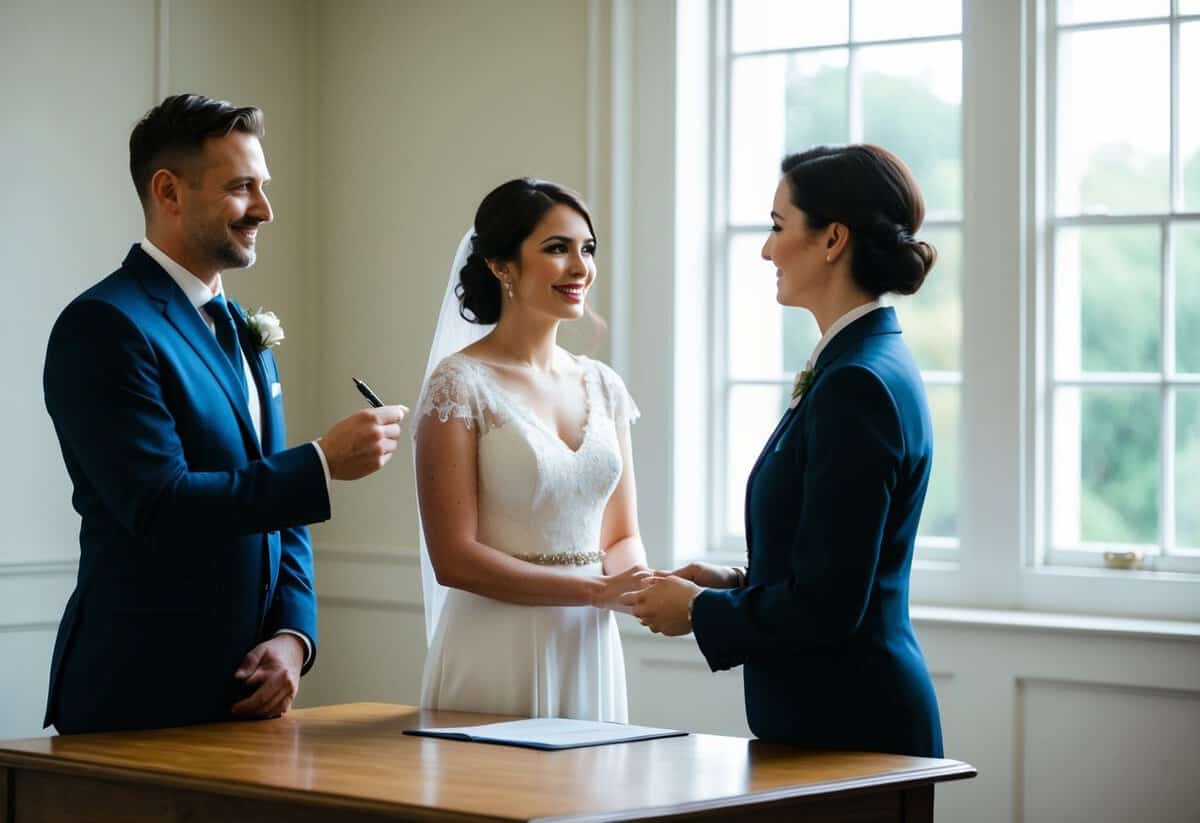
When planning your wedding in the UK, there are important administrative steps to follow.
First, you need to give notice to marry at your local register office. This means you and your partner must appear in person. You will need to provide some documents. These documents usually include proof of identity and residence.
The notice is displayed for 28 days. After this period, you can move forward with your wedding plans. If either of you is from outside the UK, you might need a marriage visitor visa. This visa allows you to marry in the UK for a short stay.
If you decide on a religious ceremony, the rules may differ. Each religion has specific requirements. Check with your place of worship about what you need. Certain churches may also require you to give notice at the register office.
Additionally, you might want to consider the register office for a civil ceremony. This option is straightforward and often quicker to arrange.
The whole process is meant to ensure your marriage is legal. Make sure you allow enough time to complete each step. This way, your special day will go smoothly.