
Can You Have 3 Wedding Colors? Tips for a Stunning Palette
Choosing a color palette for your wedding can be exciting yet overwhelming. You may wonder, is it perfectly fine to have three wedding colors? This allows you to create a harmonious look that reflects your style without going overboard. A well-thought-out combination can enhance the beauty of your special day.
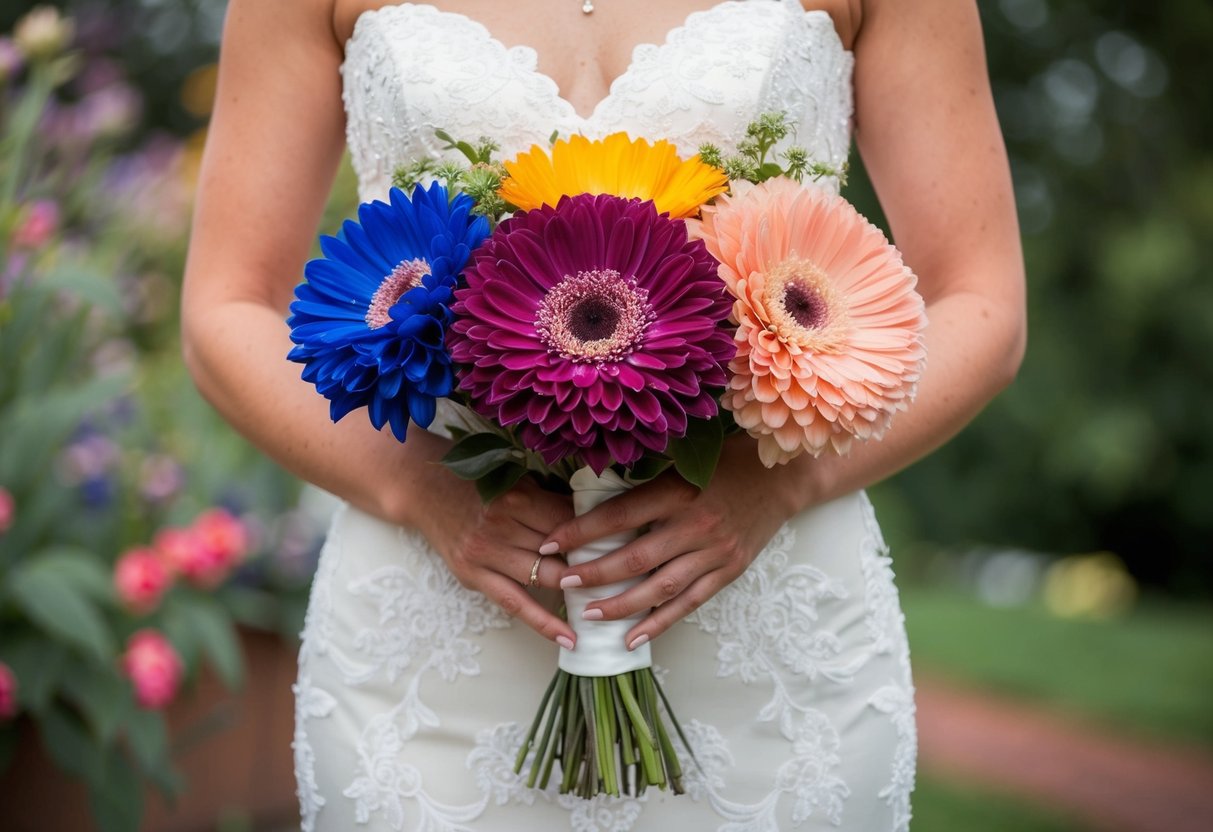
By selecting three main colors, you can balance vibrant and neutral shades, making it easier to coordinate everything from the flowers to the decor. You can choose a mix that represents your personalities as a couple and sets the mood for your celebration. With thoughtful planning, your chosen colors can add depth and charm to your wedding theme.
Consider pairing your three colors in various ways, such as using one as the dominant shade and the others as accents. This approach not only keeps your wedding looking cohesive but also allows your creativity to shine. Embrace the possibilities that come with your color choices to make your day unforgettable.
Choosing Your Wedding Color Palette
Selecting the right color palette for your wedding is one of the most fun parts of planning. It sets the tone for your big day. You can explore different elements like color theory, seasonal influences, and the details of your venue.
Understanding Color Theory
Understanding color theory can help you create a beautiful and cohesive look. A color wheel is a great tool to start. It shows how colors relate to each other. You can choose complementary colors that match well together. For example, pairing a primary color with its opposite on the wheel adds contrast and vibrancy.
You might want to focus on a specific color family. This can include various shades of the same color or mixing different hues that work harmoniously. Also, don’t forget to incorporate neutral tones. These can balance out bold colors and create a more elegant feel.
Incorporating Seasonal Colors
Your wedding season plays a significant role in your color choices. For a spring wedding, think about soft pastels like blush pink or light lavender. In summer, vibrant colors like bright yellow or coral can reflect the liveliness of the season.
Fall weddings often benefit from rich, warm tones such as deep reds, oranges, and browns. Winter weddings might call for cooler colors like icy blue or silver. Consider the natural scenery of your venue as well; this can guide your palette to enhance the surroundings beautifully.
Considering the Venue
Your venue can influence your color selection significantly. An outdoor wedding might lend itself well to earthy, natural tones that complement the landscape. If you’re in a historic building, you might choose colors that match its aesthetic.
Think about the architecture and decor of your venue. Are there colors that stand out? Use these to inspire your palette. Matching your colors to your venue helps create a seamless look that feels intentional and well thought out. You want everything to flow together nicely on your special day.
Visual Harmony in Three Colors
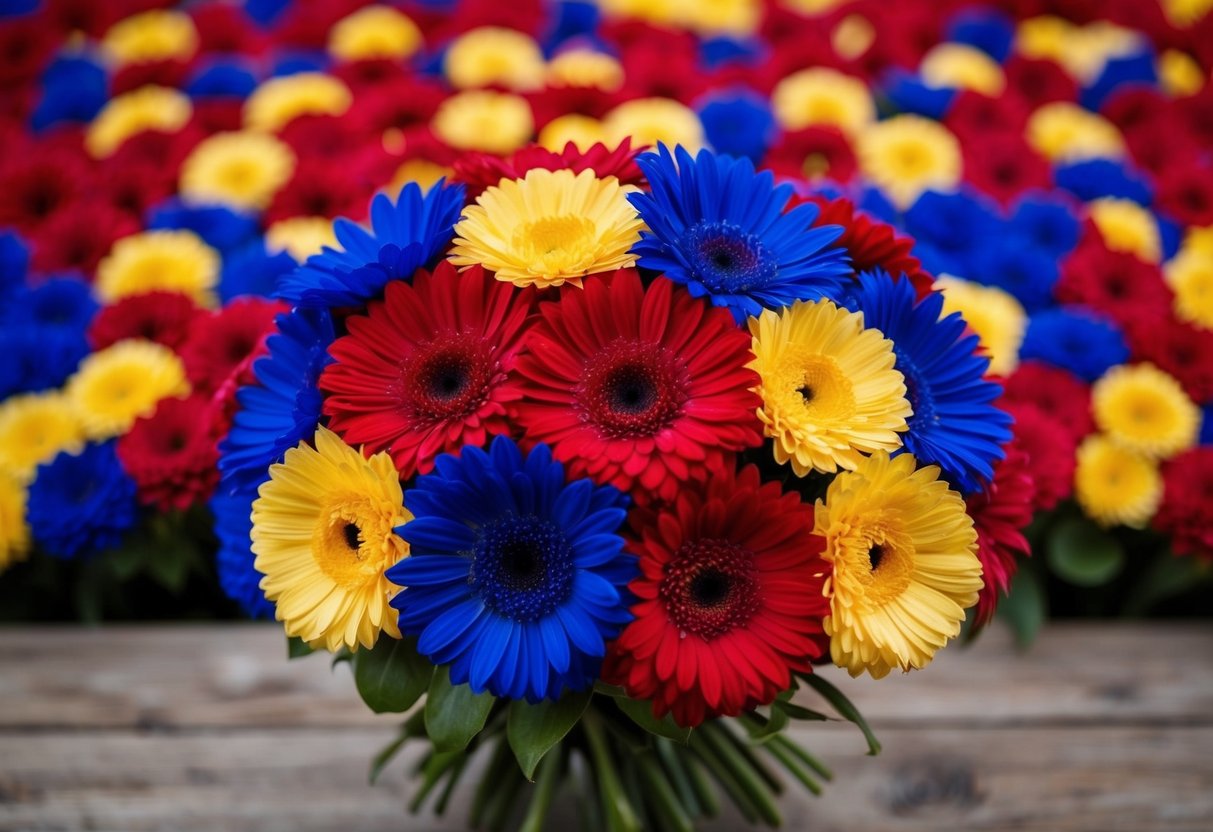
Finding the right balance with three colors in your wedding palette can create a beautiful and cohesive look. You want to enhance your personal style while ensuring your color choices work well together. Here are some key aspects to consider when selecting and using your wedding colors effectively.
Balancing Your Color Choices
When working with three colors, think about how they interact. A popular choice is to pair a bold color with softer shades. For example, coral can be accented with mint and gold. This creates a lively yet balanced look.
Using the color wheel can help you identify complementary colors. These colors sit opposite each other on the wheel and create a striking contrast. Think about adding a neutral background, such as white or beige, to help your colors pop even more.
Selecting Accent Colors
Accent colors play a crucial role in highlighting your main colors. When choosing an accent, consider what will add visual interest without overwhelming the primary colors. If your main colors are coral and mint, gold can serve as a lovely accent that enhances them.
You might use gold in your table settings, candle holders, or even in your floral arrangements. This can tie your whole palette together and make each element stand out beautifully. Remember to keep your accents consistent throughout your decor.
Creating a Cohesive Look
Achieving a cohesive look is about using your colors consistently across all elements of your wedding. Start with your wedding invitations and carry your color palette through to the flowers, centerpieces, and attire.
Use the same shades of coral, mint, and gold in unexpected places, like bridesmaid dresses or table linens. This unity creates an elegant flow. Take care to balance the shades so that no one color dominates.
Incorporating similar patterns, such as stripes or polka dots, can also help unify your design. This will enhance the visual harmony and make your wedding feel thoughtfully planned.
Executing Your Color Scheme
Creating a beautiful wedding starts with a well-planned color scheme. By incorporating your chosen colors into decor and attire, you can ensure a cohesive look throughout your special day.
Integrating Colors Into Wedding Decor
Your wedding decor is where your color palette shines the brightest. Start with linens for tables and chairs, choosing a mix of your colors to add depth. For example, if you select peach, gold, and coral, you might use peach tablecloths and gold napkins for a stylish combination.
Floral arrangements are another key area to showcase your palette. Use flowers that match your colors to tie everything together. You can also add accents like colored candles or decorative vases to complement your floral designs.
Don’t forget about larger elements, such as backdrops or drapery at your venue. These can dramatically influence the mood and help frame your wedding photos beautifully. Mixing textures can also create visual interest.
Coordinating Attire and Stationery
Your wedding attire should reflect your color scheme in a balanced way. Bridesmaids can wear different shades of the same color, offering a fun twist while keeping to a unified look. For example, if you choose coral, some dresses can be light coral while others are deeper shades.
Groomsmen can incorporate your colors through accessories, like ties or pocket squares. This subtle blending ensures your color scheme flows across the whole party.
Stationery is equally important. Use your palette for wedding invites and programs. A coordinated design will make a memorable first impression on your guests. Consider using colored envelopes or accents on your invites to draw attention.
This harmony between your attire and stationery will contribute to the overall feel of your wedding. Each detail matters in creating the perfect wedding color combination.
Finding Inspiration for Your Colors
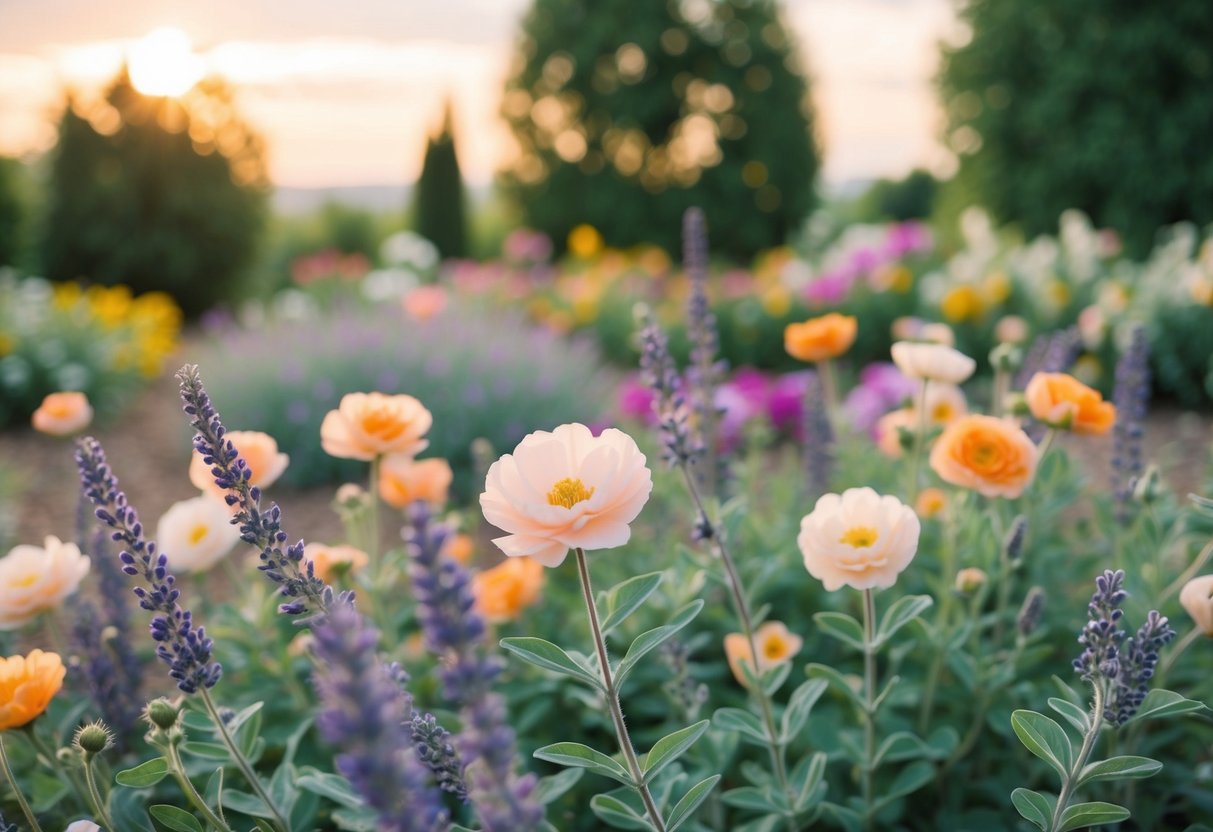
Choosing your wedding colors can be an exciting journey. It helps to draw from trends and your personal experiences. Here are two great ways to start finding inspiration for your color palette.
Exploring Wedding Color Trends
Keep an eye on current wedding color trends. Many couples look to seasonal palettes for fresh ideas. For example, spring wedding colors often feature pastels like soft pinks, lilacs, and light yellows. In contrast, summer wedding colors might include vibrant hues such as coral, aqua, and sunny yellow.
For fall weddings, rich colors like burgundy, mustard, and deep green can create a warm, cozy vibe. Consider using secondary colors to complement your main choices. They can add depth and balance to your palette. Look for inspiration on wedding blogs or Pinterest to see how others mix these colors effectively.
Drawing Ideas from Your Personal Story
When choosing colors, think about your personal story. What colors resonate with you and your partner?
You could reflect on your first date or a meaningful trip. Maybe you have a favorite place that inspires your choices.
Using these memories can make your color palette more personal. Incorporate colors that remind you of special moments together.
This could be the soft blue of your favorite beach or the vibrant colors of a sunset you both admired. By linking your palette to your unique experiences, your wedding will feel even more special and intimate.