
Can You Have a Celebrant Instead of a Registrar? Exploring Your Wedding Options
Choosing the right person to lead your wedding ceremony is important for creating a meaningful experience. Many couples wonder, you can absolutely have a celebrant instead of a registrar for your wedding, but there are some legal steps to consider. While a registrar is required for the legal part of your marriage, a celebrant can help you create a personalized ceremony that truly reflects your style and values.
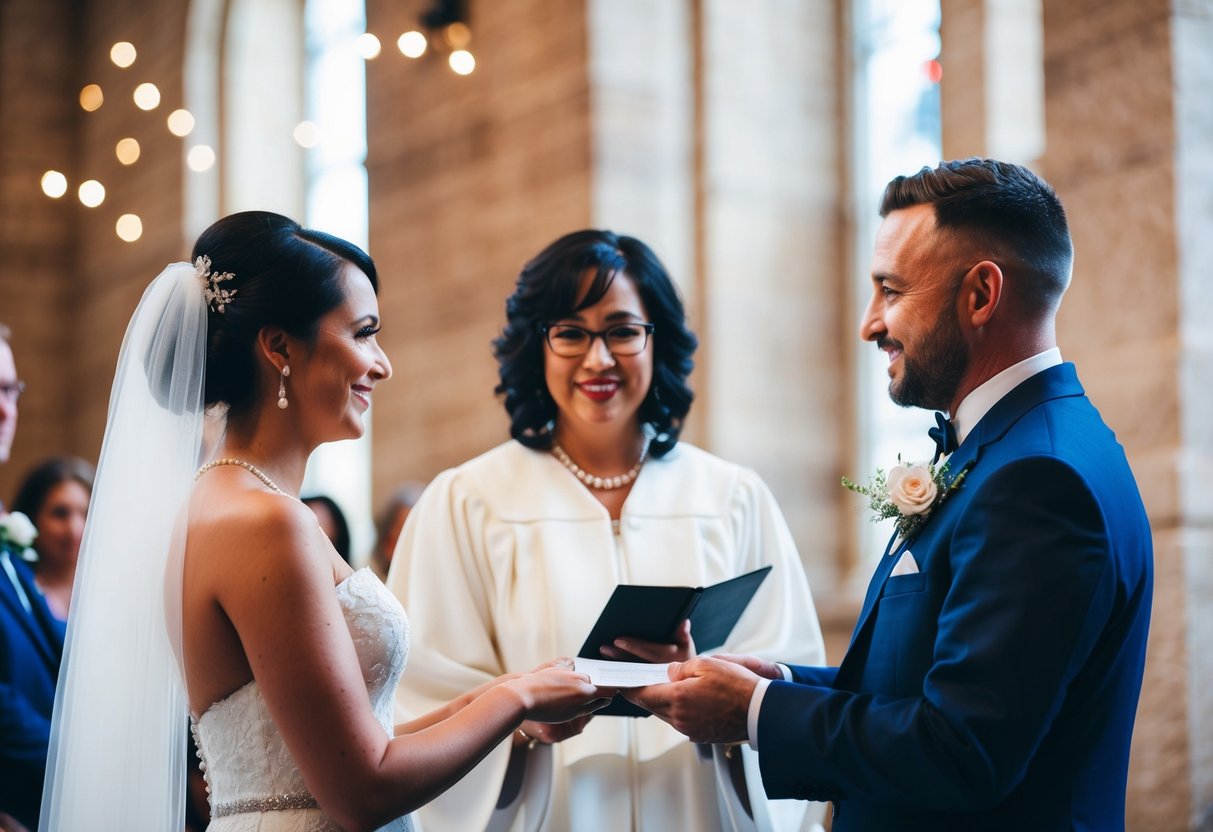
With a celebrant, you have the flexibility to design your wedding ceremony however you like. This means you can incorporate unique rituals, choose your own location, and express your love story in a way that feels authentic to you.
However, remember that you will still need to have a registrar complete the official legal aspects to be legally married.
Exploring the difference between a celebrant and a registrar can help you make the best choice for your special day. Whether you prefer the structure of a registrar or the personal touch of a celebrant, knowing your options will ensure your wedding is everything you dreamed it would be.
Understanding the Roles
Choosing between a registrar and a celebrant is important for your ceremony. Each role serves different purposes and can impact your experience. Let’s explore what each one does, so you can make the best choice for your special day.
Registrar’s Responsibilities
A registrar plays a crucial role in the legal aspects of your marriage or civil partnership. They are responsible for ensuring that all legal requirements are met. This includes checking documents, conducting the ceremony, and completing marriage certificates.
To legally marry, you must book your ceremony at a registry office and comply with local laws. The registrar will guide you through the process. This often includes a brief interview to confirm identity and eligibility.
Registrars typically conduct simple and straightforward ceremonies. They may follow a specific script that includes required wording. This ensures that the legalities of your marriage are fulfilled correctly.
What a Celebrant Does
A wedding celebrant provides a more personalized experience. They focus on creating a unique and meaningful ceremony tailored to your preferences. This includes writing custom vows and incorporating special readings or rituals that reflect your values.
Celebrants have the freedom to design the ceremony any way you wish, making it distinct. They can perform your ceremony in various locations, whether it’s a garden, beach, or your home.
However, it’s important to note that while celebrants can host a beautiful ceremony, they cannot legally marry you. You will still need to go to a registrar to handle the legal marriage part if you choose a celebrant-led ceremony.
Differences between Registrars and Celebrants
The key difference lies in the focus and flexibility of the ceremony. Registrars ensure that all legal marriage requirements are met, while celebrants bring creativity and personalization.
Here are some major distinctions:
- Legal Authority: Only registrars can perform the legal marriage ceremony.
- Ceremony Style: Celebrants offer custom ceremonies, while registrars follow a standard script.
- Location: Celebrants can officiate in various settings, whereas registrars are limited to specific venues.
Understanding these differences allows you to decide what fits best for your wedding vision. Whether you prefer the legal structure of a registrar or the personal touch of a celebrant will shape your special day.
Types of Ceremonies

When choosing between a celebrant and a registrar, it’s important to understand the different types of ceremonies available. Each option provides unique benefits and can be tailored to fit your desires and beliefs. Here, you’ll find insights into celebrant-led weddings, registrar weddings, civil partnerships, and the use of symbolic rituals and readings.
Celebrant-Led Weddings
A celebrant-led wedding offers you the most flexibility in planning your ceremony. You can design a personalized ceremony that reflects your love story, values, and preferences.
Celebrants can perform weddings anywhere, from serene beaches to lively gardens. They can include unique rituals, poems, or readings that hold special meaning for you and your partner.
A celebrant will work closely with you to create a script that captures the essence of your relationship. This approach can make your wedding feel more authentic and heartfelt.
Registrar Weddings
Registrar weddings typically follow a more formal structure. These ceremonies are conducted in designated registration venues, often requiring a set script.
While this option is legally binding, it may not allow as much creativity as a celebrant-led ceremony. You’ll be limited to certain locations and types of content.
The ceremony usually includes standard legal requirements, such as signing the register, which can take away some of the personal touches you might want.
Civil Partnerships
Civil partnerships are another option for couples who may not wish to marry but still want to formalize their commitment. Similar to a celebrant-led or registrar wedding, these ceremonies can be tailored to suit your needs.
You can have a civil partnership at various venues and include similar elements as in a wedding ceremony. Celebrants and registrars can both conduct civil partnerships, giving you choices in how to celebrate your love.
This option allows for a unique expression of your relationship without the label of marriage, making it a meaningful alternative for many couples.
Symbolic Rituals and Readings
Incorporating symbolic rituals and readings into your ceremony can add depth and significance. Celebrants are especially skilled at weaving these unique elements into the ceremony.
You might choose a unity candle, sand ceremony, or cultural traditions that resonate with your background. Each ritual can represent your commitment and connection.
Readings can also play a powerful role. Whether it’s poetry, literature, or personal vows, they can express your feelings and intentions beautifully.
These elements help to personalize your ceremony even further, allowing you and your guests to connect on a deeper level.
Planning Your Ceremony

When planning your ceremony, consider important details that will enhance your special day. You will want to think about your officiant, choose the right venue, and personalize every moment to reflect your unique love story.
Choosing the Right Celebrant or Registrar
Choosing between a celebrant and a registrar can set the tone for your wedding. A celebrant offers flexibility in creating a personalized ceremony, allowing you to include spiritual content or other meaningful elements. They can help craft a ceremony script that reflects your relationship.
On the other hand, a registrar is often limited to what they can include in the ceremony. They generally stick to a standard format and are more suited for traditional ceremonies in licensed venues. Consider what feels authentic to you as a couple.
Selecting the Venue
The venue plays a vital role in your ceremony. If you opt for a celebrant, you can choose unconventional venues like gardens, beaches, or even a cozy home. This flexibility allows your wedding day to be a true reflection of your personality.
In contrast, registrars can only officiate at licensed venues. Make sure to check the venue’s licensing status if you decide to go this route. Think about how the location enhances the atmosphere you want for your special day.
Personalising Your Ceremony
Personalization is key to making your wedding a memorable experience. You can include special readings, vows, or rituals that represent your journey together. A celebrant can help you weave in details about your relationship, making the ceremony uniquely yours.
Consider adding meaningful symbols or rituals that carry personal significance. This can make the ceremony feel richer and more aligned with your beliefs. Choose elements that will resonate with both you and your guests, creating a wedding day that reflects your authentic love.
Legal Considerations

When planning your wedding, understanding the legal aspects is crucial. You need to know what is required to make your marriage valid. Here are the key legal considerations to think about when choosing between a celebrant and a registrar.
Understanding Legal Requirements
To have a legally binding marriage, you must meet certain legal requirements. This typically involves giving notice of your intention to marry at your local registry office.
In many cases, a celebrant-led ceremony is not legally binding. Therefore, you will still need to complete the legal part of the marriage through a registrar. This usually takes place at a licensed premises, like a registry office or town hall, with two witnesses present.
Some couples opt for a simple legal ceremony earlier in the week and then hold a larger celebrant-led ceremony to celebrate with family and friends. This allows you to personalize your celebration while fulfilling legal requirements.
Handling Legal Paperwork
Managing legal paperwork can seem daunting, but it’s essential for a smooth wedding process.
When working with a registrar, you’ll need to gather necessary documents, such as identification and proof of residency.
You’ll often need to fill out a marriage application and schedule an appointment to give notice. After these steps, the registrar will issue a marriage license.
On the day of the celebrant ceremony, remember that the celebrant cannot complete your legal marriage. Make sure your paperwork is in order before the celebration.
It’s also wise to confirm any specific legal requirements for your area in advance, ensuring no surprises on your special day.