
Can You Have a Wedding Ceremony Without Religion? Exploring Secular Options for Your Big Day
Planning a wedding can be exciting, but it also raises important questions about the ceremony. Many couples are choosing to celebrate their love in a way that reflects their personal beliefs and values. You absolutely can have a beautiful non-religious wedding that focuses on your unique story and relationship.
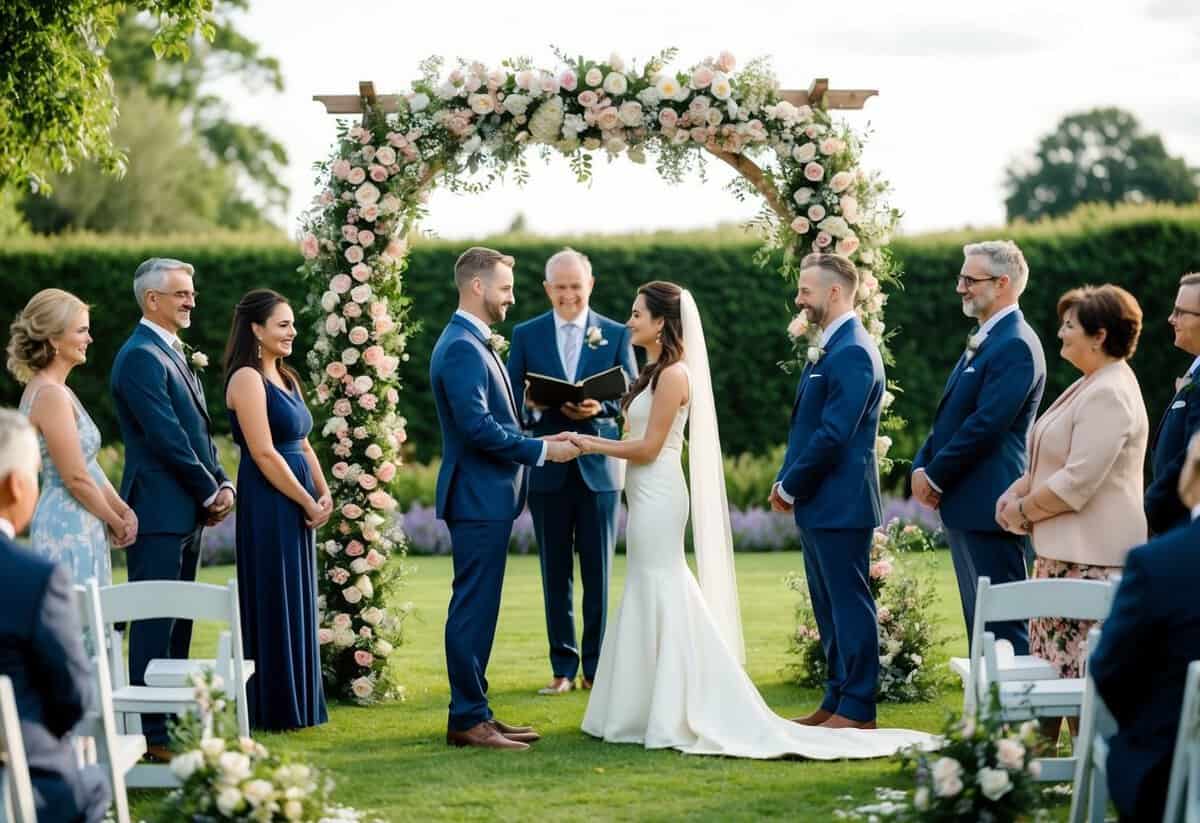
Creating a personalized ceremony allows you to express your commitment through meaningful vows that resonate with both you and your partner. You have the freedom to choose the venue, the script, and even the rituals that speak to your hearts.
Whether you want to include family traditions or start entirely new ones, the options are endless for celebrating your love.
Your wedding day should be a reflection of who you are. With careful planning and creativity, a non-religious wedding can be just as special and memorable as any other ceremony. So, let’s explore how you can craft a celebration that truly represents your journey together!
Planning Your Non-Religious Wedding
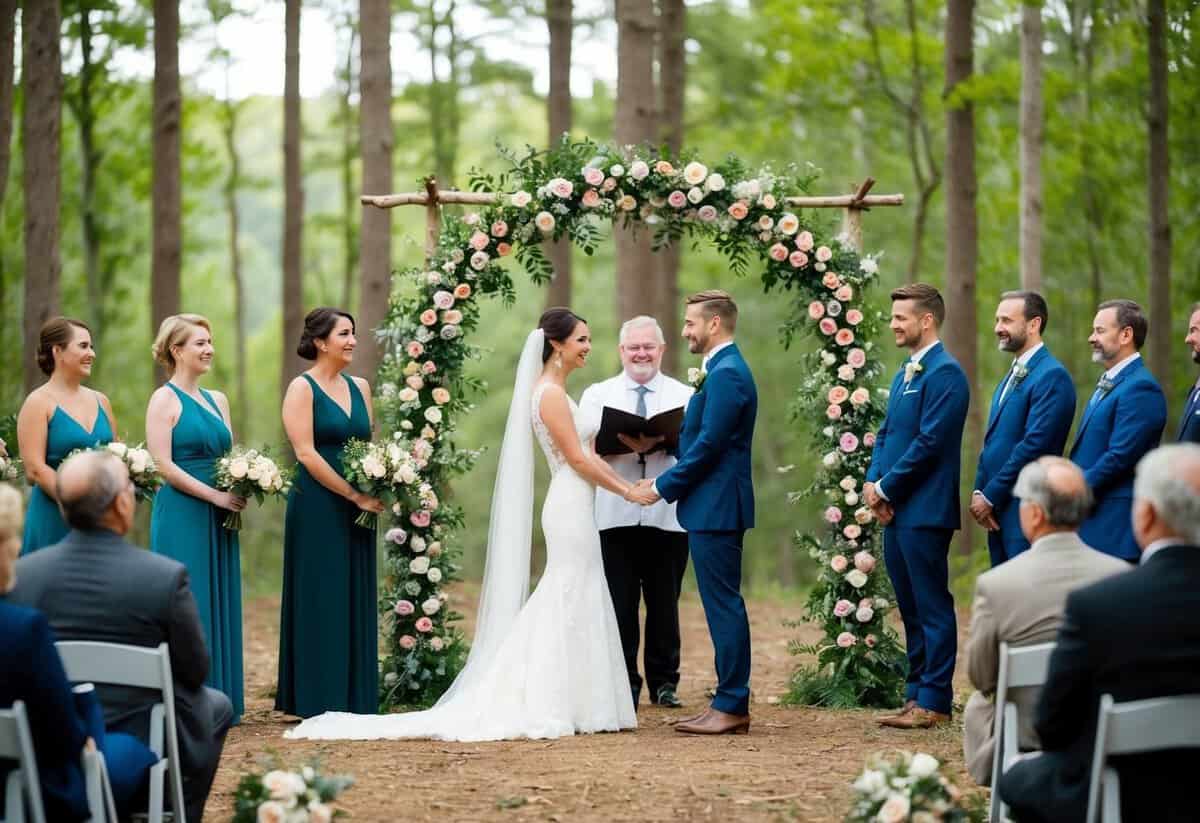
Planning a non-religious wedding allows you to create a ceremony that reflects your personal values and relationship. Focus on choosing the right venue, selecting an officiant, and designing a ceremony that feels unique to you.
Choosing the Perfect Venue
Selecting the right venue is key for your non-religious wedding. Look for locations that align with your vision, such as parks, gardens, or community centers. You might even consider unique spots like beaches or a backyard.
Make sure the venue fits your budget. Don’t forget to check for amenities like seating, bathrooms, and parking.
It’s important to visit the site in person before making a decision. Take note of the atmosphere and how it feels for you and your guests.
Consider whether the venue allows for personalization. Some places let you bring in decorations or caterers. This can help create the perfect setting for your ceremony.
Selecting a Secular Officiant
Your officiant plays a crucial role in your wedding ceremony. For a non-religious wedding, look for someone who specializes in secular ceremonies. A Justice of the Peace or an officiant from a group like the Universal Life Church can help.
Meet with potential officiants to discuss their experience and how they can fit your vision. Ensure they understand your values and are willing to create a personalized ceremony structure.
Your ideal officiant should be someone who makes you feel comfortable and can communicate your story beautifully.
Don’t hesitate to ask about their ideas for your ceremony. Good officiants will have plenty to share!
Creating a Personalized Ceremony Structure
A personalized ceremony structure is what makes your wedding truly special. Start with a clear outline that includes elements like opening remarks, vows, and a unity ceremony.
In your outline, decide if you want to include readings or music that reflects your relationship. This adds a personal touch and engages your guests.
You can also involve family and friends by having them participate in certain parts of the ceremony.
Think about the flow of the ceremony. A seamless progression from one section to the next creates a memorable experience. The aim is for both you and your guests to feel the joy of the moment.
With careful planning, your personalized ceremony will be a beautiful representation of your love.
Designing the Ceremony
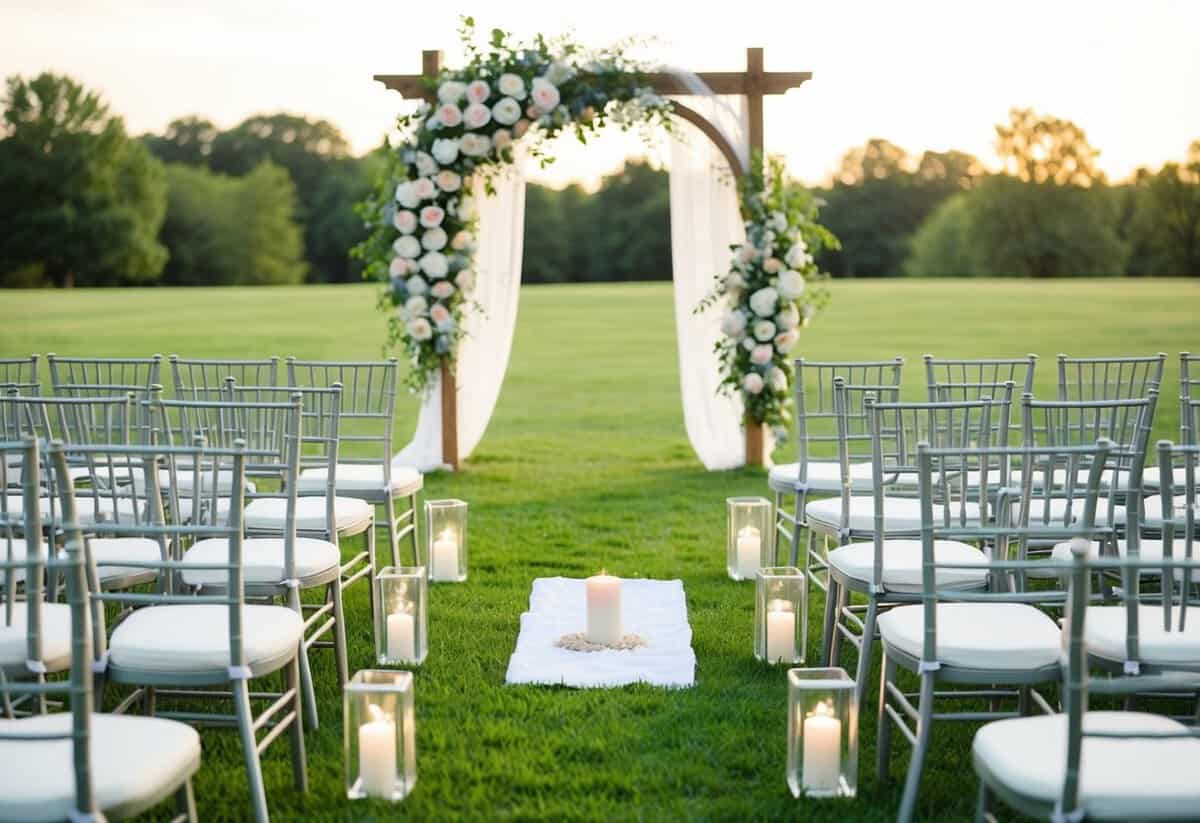
Creating a wedding ceremony without religious elements allows you to focus on what truly reflects your relationship. You can craft vows and incorporate rituals that are unique to your journey together.
Crafting Meaningful Vows
When crafting your vows, think about what your commitment means to you. Personalized vows can express your love and dedication in your own words.
Consider including personal anecdotes that illustrate your journey as a couple. You might want to start with a few key points you want to touch on like:
- How you met
- What you love about each other
- Your hopes for the future
Using a mix of humor and heartfelt statements can make your vows resonate even more. Remember, these vows are a promise to each other, so make them authentic.
Incorporating Unique Rituals
Incorporating unique rituals can add depth to your non-religious ceremony. Handfasting is a beautiful option, where you tie your hands together to symbolize your union.
You could also choose to include meaningful cultural traditions that resonate with both of you. This might involve lighting a unity candle or creating a special time capsule together.
These rituals not only enhance the ceremony, but they also make it feel more personal. Think about what reflects your values and beliefs. Make sure each element connects to your story and enhances the celebration of your commitment.
Navigating Family Expectations and Cultural Traditions
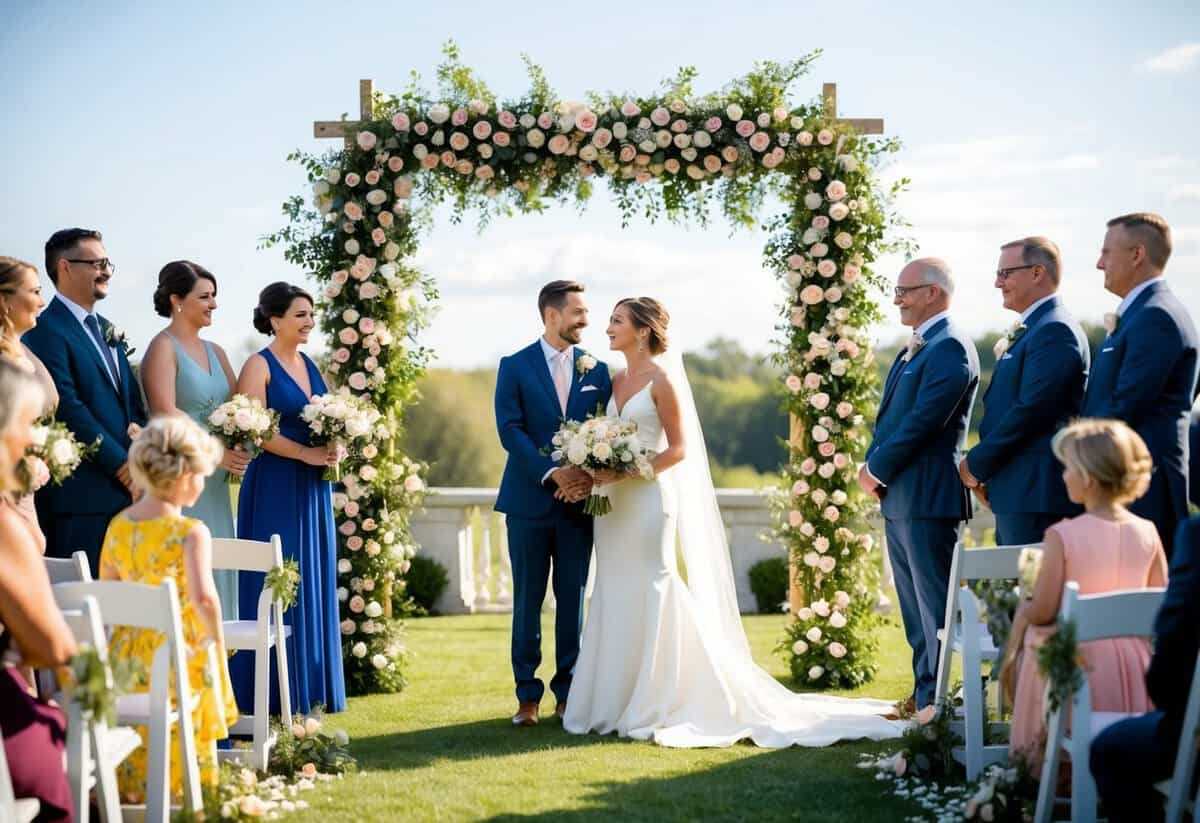
Planning a non-religious wedding ceremony can bring up different feelings within families. Some family members may expect traditional rituals, so it’s essential to communicate openly about your choices.
Start by discussing your vision for a secular wedding with your family. Share why you’ve chosen this path and what it means to you. This can help set expectations.
Consider creating a list of family traditions that are meaningful. Here are some ideas you might include:
- Cultural ceremonies: Incorporate elements like dances or songs.
- Family heirlooms: Use items that hold special meaning.
- Shared meals: Offer foods that reflect your backgrounds.
If family members have concerns, try to listen and understand their viewpoints. You might find a balance between your non-religious ceremony and their traditions.
You can also include a brief explanation of your plans in wedding invitations. This can help guests appreciate your style. A small note about the significance of any cultural elements can guide them.
With patience and kindness, you can navigate these expectations. Your wedding can honor both your wishes and your family’s traditions.