
Can You Have a Wedding Without a Registrar? Exploring Alternative Options for Your Big Day
Planning a wedding can be exciting, but it can also bring up a lot of questions. One of the most common questions is whether you can have a wedding without a registrar.
The short answer is no; a registrar is essential for the legal recognition of your marriage. Without them, any ceremony you hold will not be legally binding.
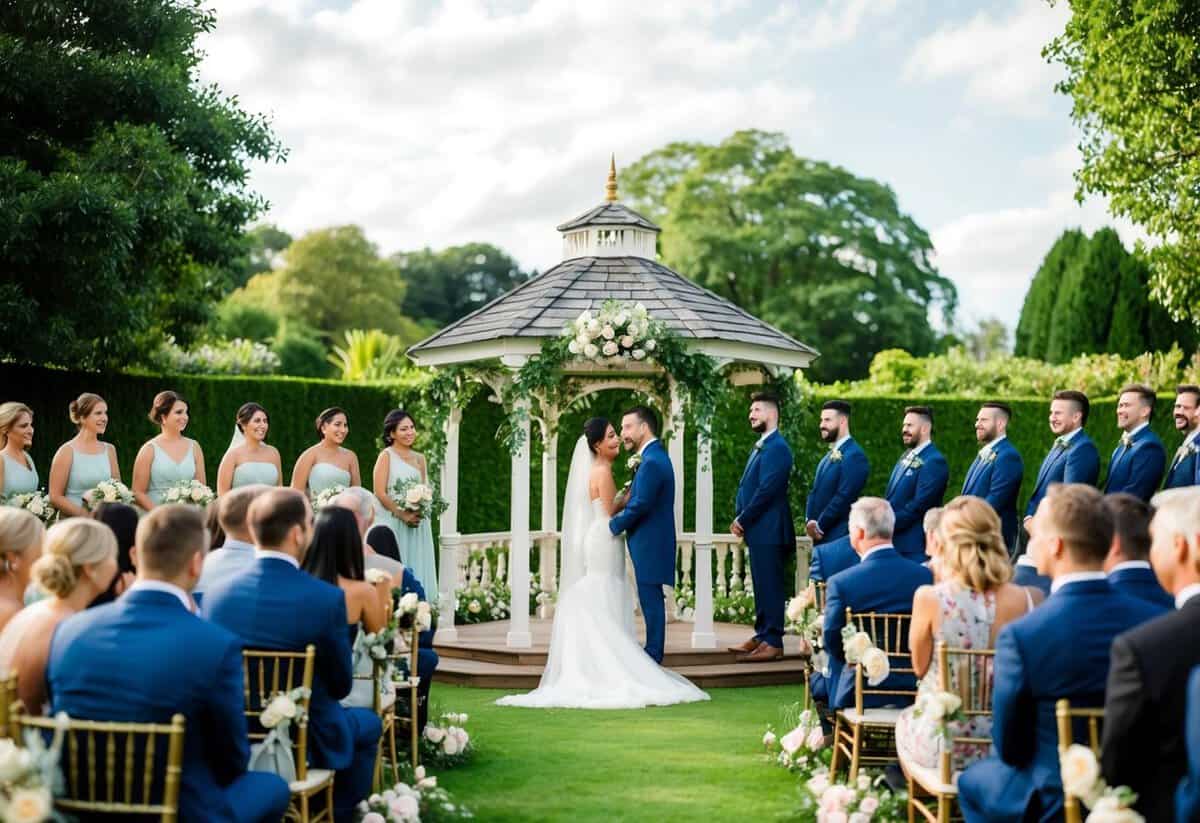
You might think about having a beautiful ceremony with friends and family, but remember that just having a celebration isn’t enough. If you want your marriage to be official, you will need to follow certain legal steps. This often means booking a registrar to conduct the marriage process.
Even if you’re dreaming of a more casual and personal gathering, you’ll need to make sure that the legal elements are covered. This way, you can fully enjoy your special day without any worries about legality. Reading more will help you explore your options and understand how to plan the perfect ceremony.
Understanding the Role of a Registrar in Weddings
A registrar plays a crucial role in the legal aspects of your wedding. Knowing what they do and how they work with different types of ceremonies helps you understand what you need for your big day.
Legal Requirements for Marriage
To get legally married, you must meet specific requirements. One of the most important steps is giving notice at your local register office. This is where you inform the registrar of your intention to marry. You need to do this at least 28 days before your wedding.
During this notice period, you will need to provide identification and any documents showing you are free to marry. Once you give notice, the registrar will then schedule your official ceremony. Remember, without a registrar, your marriage won’t have legal standing.
Different Types of Ceremonies
There are different types of wedding ceremonies, primarily civil and religious ones. A civil ceremony is legally binding and performed by a registrar. This type usually occurs in a register office or licensed venue.
On the other hand, a religious ceremony may have spiritual significance but must still be followed by a legal ceremony to be recognized. Some couples choose to have both a celebrant ceremony and a registrar-led ceremony to combine personal touches with the legal requirements. Understanding these differences helps you plan your wedding better.
Alternative Wedding Ceremonies
If you’re considering getting married without a registrar, there are several meaningful options to explore. Alternative ceremonies can still create a special experience for you and your partner, allowing you to express your love uniquely.
Celebrant-Led Ceremony Explained
A celebrant-led ceremony offers a personal touch to your wedding. In this type of ceremony, a professional celebrant guides you through the process. They help you create a unique script that reflects your relationship, values, and beliefs.
You can customize every aspect, from readings and music to vows and rituals. This flexibility allows you to have a ceremony that feels true to you. Celebrants often have experience in crafting beautiful experiences, ensuring your ceremony is both memorable and heartfelt.
Just remember to check your local laws regarding celebrant-led ceremonies. You may still need to complete certain legal requirements. Feel free to ask your celebrant about this to ensure everything is in order.
Symbolic Ceremonies: What Are They?
Symbolic ceremonies are a wonderful way to celebrate your commitment without the legalities of a traditional wedding. With this option, you can express your love and devotion through personal rituals and customs that hold meaning for you.
These ceremonies can incorporate various elements like unity candles, sand ceremonies, or handfasting. Each symbolizes the union between you and your partner in a unique way. You have full control over how to create the atmosphere, making it as romantic or fun as you desire.
Since symbolic ceremonies don’t require legal recognition, they are perfect for destination weddings or intimate gatherings. Just remember, you will need to take care of the legal marriage elsewhere if that’s a priority for you.
Completing the Legalities of Marriage
When planning your wedding, it’s essential to understand the legal steps needed to ensure you’re officially married. This section covers the key processes involved in obtaining a marriage license and certificate, as well as the options available through civil partnerships.
Getting the Marriage License and Certificate
To be legally married, you must first obtain a marriage license. This license is issued by a registry office and is usually valid for a limited time, often 30 days.
Steps to obtain a marriage license:
- Give Notice: You need to give notice of your intention to marry at your local registry office. This involves providing identification and details about you and your partner.
- Waiting Period: There may be a waiting period after you give notice before you can officially tie the knot. Check your local regulations for specifics.
Once you have the marriage license, you can schedule your ceremony. After the ceremony, the officiant will complete your marriage certificate. This document serves as proof of your marriage and is necessary for legal purposes.
Civil Partnership and Legal Statement
If you and your partner prefer not to marry, you can consider a civil partnership. This option offers similar legal rights and responsibilities without the traditional wedding ceremony.
Key points about civil partnerships:
- A civil partnership requires registration, similar to a marriage license.
- You must also give notice, just like with a marriage.
You will receive a legal statement once the civil partnership is registered, confirming your status.
Personalizing Your Wedding
Personalizing your wedding can make your ceremony feel unique and meaningful. Two important aspects are writing your own wedding vows and choosing the right witnesses. Both elements help capture the essence of your relationship.
Writing Your Own Wedding Vows
Writing your own vows is a wonderful way to express your feelings. Start by reflecting on your journey together. Think about what makes your relationship special.
You might include specific memories, shared dreams, or promises for the future. Keep your vows personal and true to your voice. Aim for a balance of heartfelt sincerity and light-hearted moments.
Consider a format that feels comfortable. It’s okay to write them down and even memorize a few lines. This adds a personal touch to your marriage ceremony and connects you with your partner in a special way.
Choosing the Right Witnesses
Your wedding witnesses play an important role. They support you and confirm your commitment. Choose people who mean the most to you, such as close friends or family.
Think about their personalities, too. You want witnesses who will be supportive and positive during the ceremony. Their presence can enhance the experience.
Also, check the legal requirements in your area. Some places may have specific rules about the number of witnesses. By selecting the right witnesses, you create cherished memories that will last a lifetime.