
Can You Just Get Married Without a Wedding? Exploring Your Options for a Simple Union
You might be wondering if you can just get married without a wedding. The good news is that yes, you absolutely can get married without a traditional wedding ceremony. Many couples choose to bypass the big event for various reasons, such as wanting a more intimate experience or saving money.
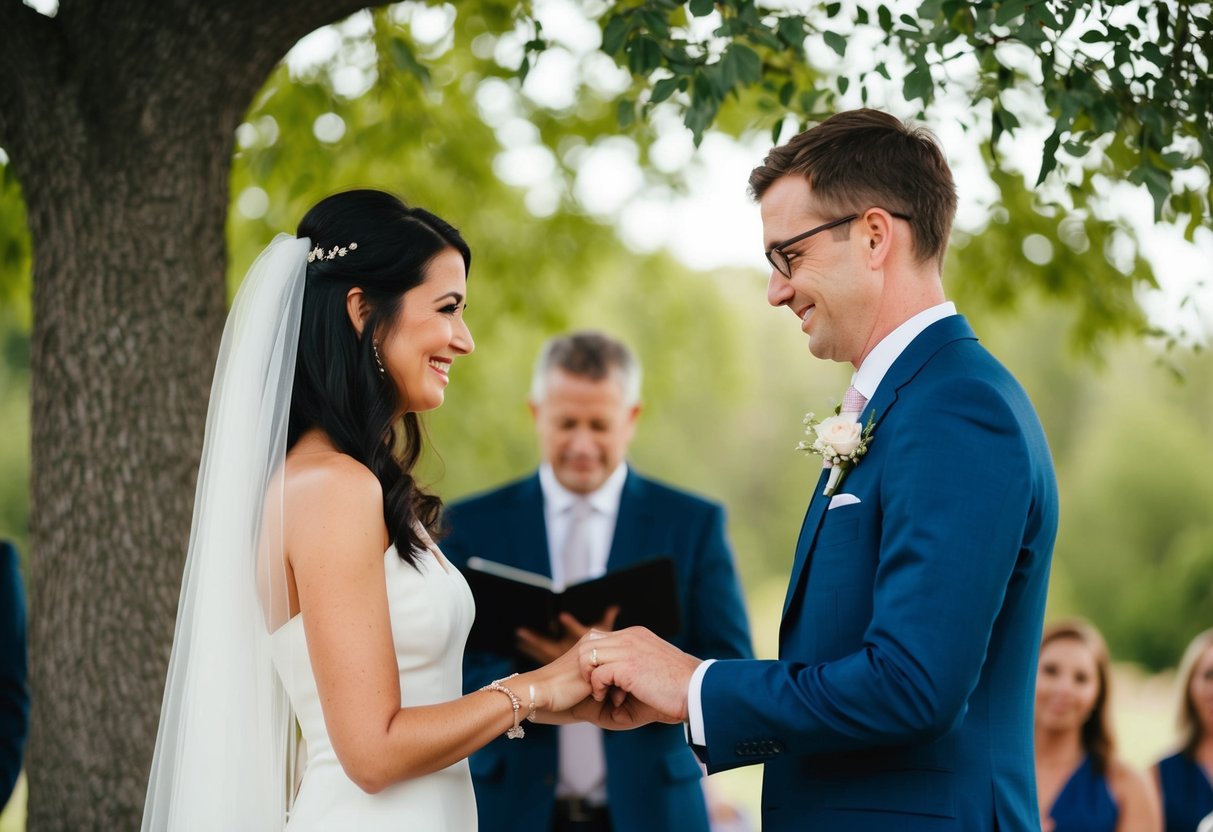
Getting married without a wedding allows you to focus on what truly matters: your commitment to each other. You can opt for a simple civil ceremony, elope, or even just sign the marriage license without any fanfare. It’s all about what feels right for you and your partner.
If you’re considering this path, make sure to discuss it openly with each other. Understand what both of you want and make sure that this choice fits your vision for your relationship. The possibilities are endless, and your marriage can still be a beautiful milestone without the traditional wedding.
Understanding Different Marriage Concepts
Marriage can take various forms, with each type having its own unique characteristics and requirements. Understanding these concepts helps you make informed decisions about how you want to approach your relationship and commitment.
Legal Foundations of Marriage
When it comes to legal marriage, certain requirements must be met to ensure recognition by the state. Typically, you must apply for a marriage license, which is a legal document granting you permission to marry.
In addition to a marriage license, you can choose between different ceremonies, including civil ceremonies and religious ceremonies. A civil ceremony is a non-religious event conducted by a government official. This type of marriage emphasizes legal recognition over traditional rituals.
You may have heard about alternatives like domestic partnerships and civil unions. These arrangements offer legal benefits similar to marriage but can have fewer requirements. Make sure to research what options are available in your area, as laws vary by location.
Alternative Forms of Marriage
Not everyone prefers the traditional wedding route. You might consider alternative forms of marriage like cohabitation agreements or common-law marriage. Cohabitation agreements outline rights and responsibilities for couples living together without formal marriage. This can be a practical solution if you want legal clarity without a wedding.
Common-law marriage is when you and your partner live together and present yourselves as a married couple without a formal ceremony. Not all states recognize common-law marriage, so you should check local laws.
These alternatives can mean different things for your benefits and rights, so it’s wise to seek legal guidance if you’re considering this path.
Cultural and Religious Considerations
Cultural and religious beliefs greatly influence how people view marriage. For many, a religious ceremony holds deep significance. It may involve specific rituals, blessings, or traditions that are meaningful to you and your family.
Conversely, some cultures encourage civil ceremonies that focus more on legal aspects than religious ones. If you belong to a particular faith, understanding its requirements can help you navigate your marriage decisions better.
Make sure to communicate with your partner about your beliefs and what matters most to you. Finding common ground enhances your relationship and helps ensure that your marriage reflects both your values.
The Process of Getting Married Without a Wedding
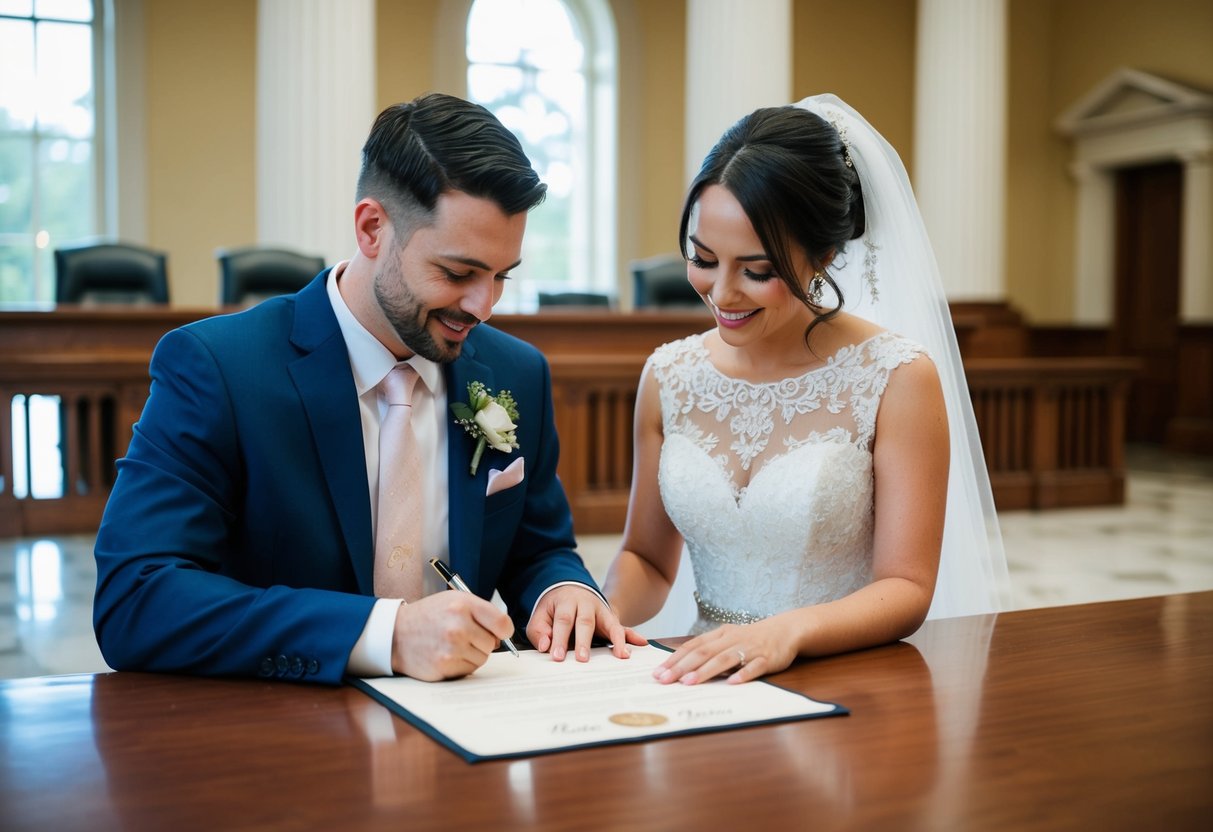
Getting married without a traditional wedding is simpler than you might think. You can have a meaningful experience without the fuss. Here are important steps to consider in your journey.
Marriage License and Certification
First, you need a marriage license. This document is essential for legally recognized marriage. Check your state’s requirements, as they can vary. Most states require both partners to apply together. You may need to provide identification and possibly proof of residency.
After the ceremony, ensure that your officiant files the marriage certificate. This is proof of your marriage and is crucial for legal purposes. Keep a copy for your records, as you may need it for things like changing your name or filing taxes.
Civil and Online Marriage Procedures
You can choose to get married through civil procedures. These typically include a courthouse or city hall wedding. This option is straightforward and often budget-friendly. You can expect a simple ceremony with a few witnesses.
For added convenience, consider online weddings. Many states now allow virtual ceremonies. This option can be perfect for couples who want to marry from home. Just ensure you understand your state’s legal requirements for online ceremonies.
Elopements and Intimate Vow Exchanges
Eloping is another wonderful way to tie the knot without a traditional wedding. You can plan a surprise ceremony or an intimate getaway. Many couples choose stunning locations, such as a beach or mountain.
An intimate vow exchange is another lovely alternative. This can happen in your backyard or a nearby park. Focus on what truly matters: your commitment to each other. Regardless of the setting, keeping it personal can create lasting memories.
The Social and Emotional Aspects of Marriage without a Wedding
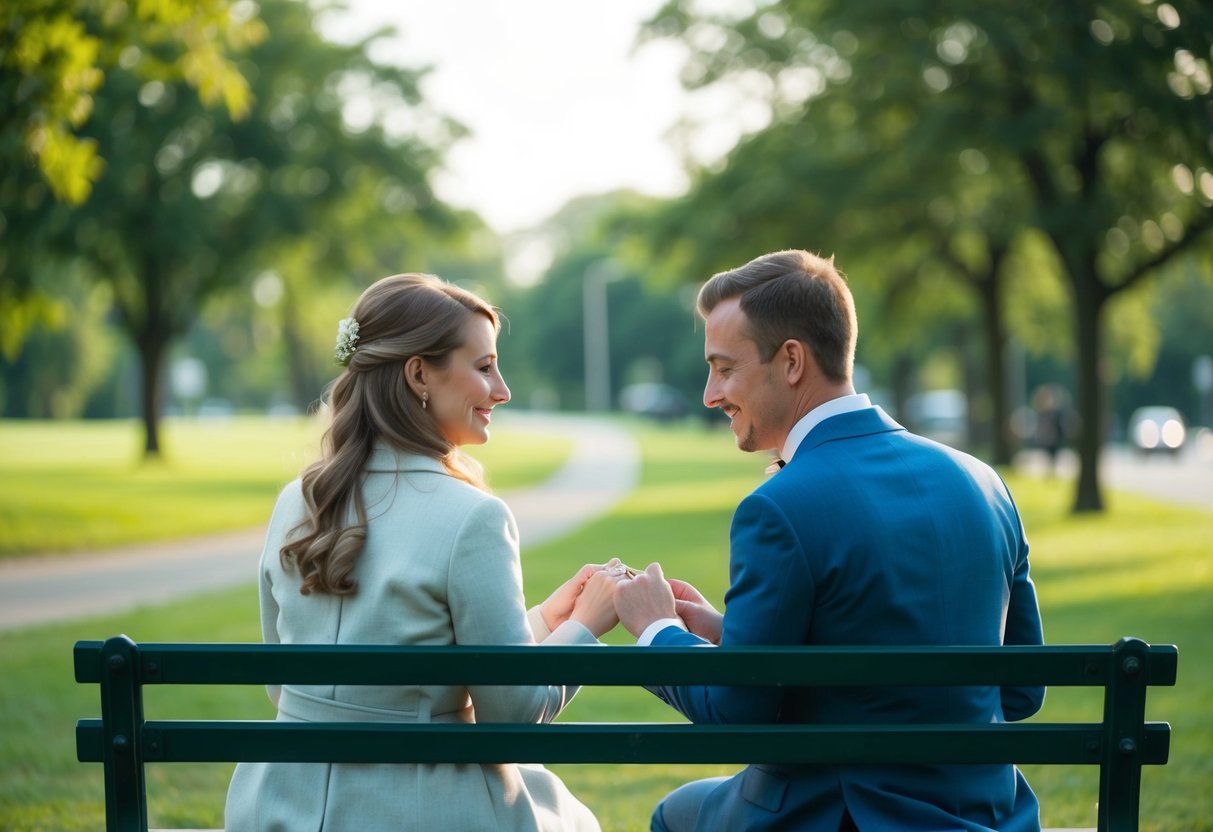
Choosing to get married without a wedding can change social expectations and deepen emotional connections. This choice often reflects personal values and priorities, leading to unique experiences.
Non-Traditional Approaches to Marriage
Eloping or having a simple civil ceremony allows you to focus on what truly matters—the commitment between you and your partner. You might decide to forgo typical wedding traditions, such as a formal venue or extensive guest list.
Instead of a large celebration, you can create an intimate moment with just a few loved ones or even just the two of you. This approach can be freeing and allows for personal touches that reflect your relationship.
Considering cohabitation as an alternative can also strengthen your bond. Living together before or instead of a traditional wedding fosters teamwork and shared responsibilities. This non-traditional approach often leads to deeper understanding and connection.
Impact on Relationships and Society
Getting married without a wedding can shift how your friends and family view marriage. Some may appreciate the choice, feeling it’s more authentic to your relationship. Others might struggle with changing norms since traditional weddings are often seen as the standard.
Your decision can encourage others to think about what marriage means to them. When more couples choose non-traditional paths, it can help reduce the pressure to conform to societal expectations.
Your choice to skip a big ceremony may also lead to more honest conversations about finances, future plans, and emotional well-being with your partner. Building a solid foundation based on shared values rather than external pressures can strengthen your relationship in the long run.