
Can You Just Go and Get Married UK? A Simple Guide to Quick Weddings
If you’re thinking about tying the knot in the UK, you might wonder if you can just show up and get married on a whim. Unfortunately, you can’t; there are legal requirements you need to meet first. Whether you’re planning a civil ceremony or a religious ceremony, understanding these steps is key to making your big day a reality.

To get married in the UK, both partners must be at least 16 years old and provide certain documents, like a marriage license. After giving notice at your local registry office, you’ll need to wait at least 28 days before the ceremony takes place. Don’t forget that you’ll receive a marriage certificate after the ceremony, which proves your marital status.
So, if you’re ready to jump into married life, make sure you check off all the necessary items on your list. This will help ensure your celebration goes smoothly from start to finish!
Eligibility and Legal Requirements
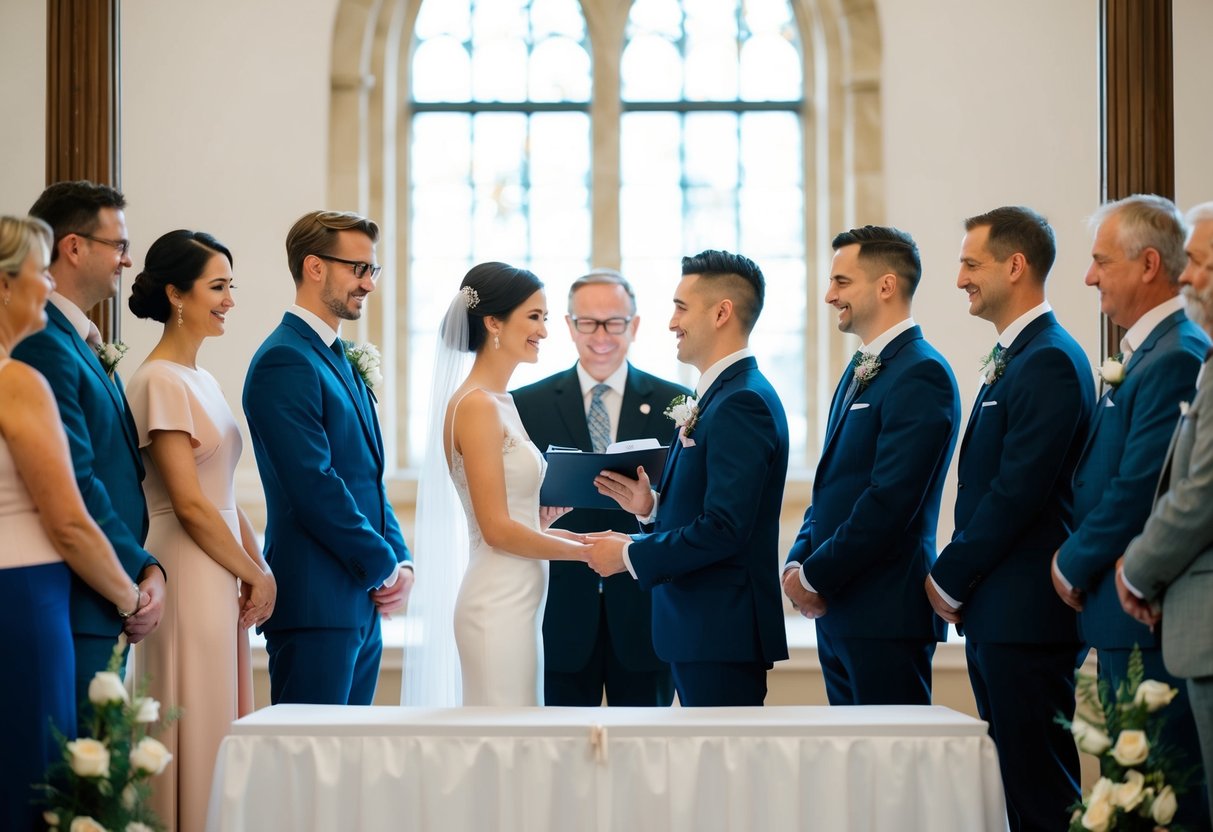
Getting married in the UK involves specific rules and legal requirements. You need to establish your identity, understand the options for civil partnerships, and know the residency rules. Here’s what you need to focus on.
Establishing Your Identity and Nationality
To marry in the UK, you must prove who you are. A valid passport is typically required for both partners. If you’re a British citizen or an Irish citizen, your passport serves as the primary form of identification.
You may also need additional documents, like proof of address such as utility bills or bank statements. If you hold Indefinite Leave to Remain, Settled Status, or Pre-Settled Status, you may also need to show proof of this residency. Ensure you gather these documents ahead of time to streamline the process.
Understanding Civil Partnerships and Same-Sex Marriages
In the UK, same-sex couples have the option to enter into a civil partnership or marriage. If you decide on a civil partnership, the legal process is often similar to that of marriage.
To convert a civil partnership to a marriage, same-sex couples have specific procedures they can follow. You will need to adhere to the legal requirements set by your local council. It’s essential to check how these laws apply based on your circumstances. Resources such as the GOV.UK website can provide detailed guidance.
Residency Requirements for Marriage
Residency impacts your ability to marry in the UK. For non-UK residents, there are specific rules to follow. If you are in the UK on a visa lasting over six months, you should inform the Home Office about your marriage plans.
Couples from the EU Countries or those with applications under the EU Settlement Scheme should be aware of additional criteria around their residency status. All of these factors may influence your ability to marry, so it’s critical to clarify your situation before proceeding.
Planning Your Ceremony
Getting married in the UK involves careful planning. You’ll need to decide on the type of ceremony you want and find the perfect venue. Plus, arranging for a registrar or a religious leader is essential to make your ceremony official.
Choosing Between Civil and Religious Ceremonies
When picking your ceremony type, you have two main options: civil and religious. A civil ceremony is held at a local register office or an approved venue. This option is great for those who prefer a non-religious setting.
On the other hand, a religious ceremony is held in a place of worship and led by a religious leader. If you have strong beliefs, this may feel more meaningful. Both types allow you to exchange vows, but the atmosphere and rules can vary significantly. Make sure you choose what feels right for you.
Selecting Your Dream Wedding Venue
Your wedding venue sets the tone for your big day. You can choose from many locations, including historic buildings, hotels, or picturesque gardens. If you opt for a civil ceremony, ensure the venue is approved for weddings.
You should visit potential venues to see how they fit your vision. Pay attention to the décor, size, and accessibility for you and your guests. If you choose a religious ceremony, confirm with your church or place of worship about their requirements and availability.
Arranging for a Registrar or Religious Leader
To make your ceremony official, you need to arrange for a registrar if you have a civil ceremony. You can book a registrar through your local register office. It’s essential to do this well in advance, as they can get busy, especially during peak wedding seasons.
If you choose a religious ceremony, contact your religious leader to discuss your plans. They can guide you on the requirements, including any specific vows or traditions you might want to include. Be sure to ask about the dress code, timing, and any required paperwork.
The Legal Process of Getting Married
Getting married in the UK involves a few important legal steps. You must give notice at your local registry office, review your legal statements, and obtain your marriage certificate. Here’s what you need to know.
Giving Notice at Your Local Register Office
The first step in the legal process is giving notice at your local registry office. You and your partner must do this in person at least 28 days before your wedding date. You’ll need to fill out a Notice of Marriage form.
Bring important documents such as your passport, birth certificate, and proof of address. If either of you has been married before, you may need to provide divorce papers or a death certificate.
Once you submit your notice, it will be displayed publicly for a week. If no objections arise, your ceremony can proceed as planned.
Reviewing the Legal Statement of Marriage
Before your wedding, you’ll also need to review the legal statement of marriage. This document provides important information about your marital status and confirms that you have met all legal requirements.
During your ceremony, the registrar will read the declaratory words. This is a formal statement confirming that you are legally able to marry. Make sure to pay attention to this part, as it’s a key moment in the legal process.
Having a clear understanding of what is stated in the legal statement helps avoid any confusion during your civil wedding or civil partnership ceremony.
Obtaining the Marriage Certificate
After your wedding ceremony, you’ll need to obtain your marriage certificate. This official document proves that you are legally married and is essential for changing your name, applying for joint accounts, or even moving to a new home.
You can request the marriage certificate from the local registry office where your marriage took place. It usually costs a small fee. Make sure to keep it in a safe place, as you might need it for future legal matters.
After the Wedding
Once the wedding ceremony is over, there are important steps to take to ensure everything is in order. You may need to update your legal documents and consider any name changes. These actions are crucial for settling into married life.
Updating Your Legal Documents
After your wedding, the first thing to do is obtain your Marriage Certificate. This document proves you are married and is essential for updating your personal records. You can request it from your local Register Office.
Once you have the certificate, update important documents like your passport, driver’s license, and bank accounts. Make sure to contact your bank and other institutions to know their specific requirements for updating your name or marital status.
Remember, some organizations may require a copy of your marriage certificate, so keep extra copies handy. This way, you’ll avoid delays in making these updates.
Considering Name Changes After Marriage
Deciding to change your name after marriage is a significant step. Many people choose to take their partner’s surname, hyphenate, or keep their original name. Think about what feels right for you.
Once you’ve made a decision, start updating your records. Notify your employer and update your name on tax documents, health insurance, and any other relevant documents.
Don’t forget about your social media accounts and personal contacts. A little communication goes a long way in letting everyone know about your new name. This can also be a fun way to announce your new status as a married couple!