
Can You Just Have a Maid of Honor and No Bridesmaids?
Yes, you can have a maid of honor without bridesmaids. Your wedding party can include one trusted person who supports you throughout wedding planning and on the wedding day. You can also choose a maid of honor, a man of honor, or another title that fits your relationship.
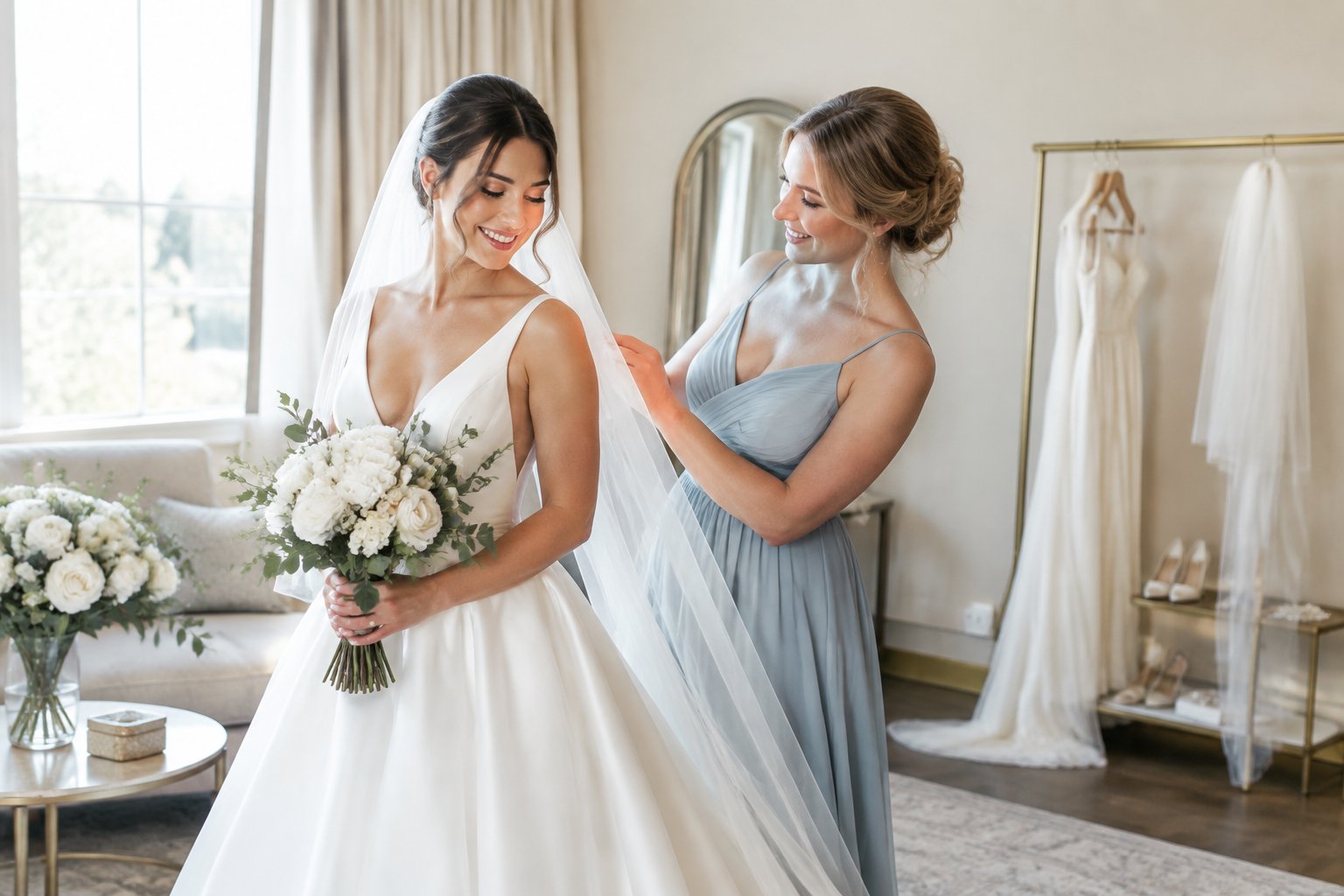
A maid of honor without bridesmaids gives you a smaller, more personal wedding party. You avoid choosing between several close friends, keep the ceremony streamlined, and still have someone beside you for moral support.
Your other loved ones can take part through readings, planning help, special photos, or pre-wedding events. Traditional wedding customs offer a starting point, not a requirement.
If this arrangement suits your relationship and your wedding plans, you can use it with confidence. As you plan, decide which responsibilities your maid of honor will handle and how you will include the people who do not have an official title.
The Short Answer: This Is a Valid Wedding Party Choice
A maid of honor and no bridesmaids is a valid wedding party choice, whether you are planning a large celebration or an intimate wedding. Your maid of honor can stand beside you, sign documents where allowed, give a toast, and provide support without leading a larger group.
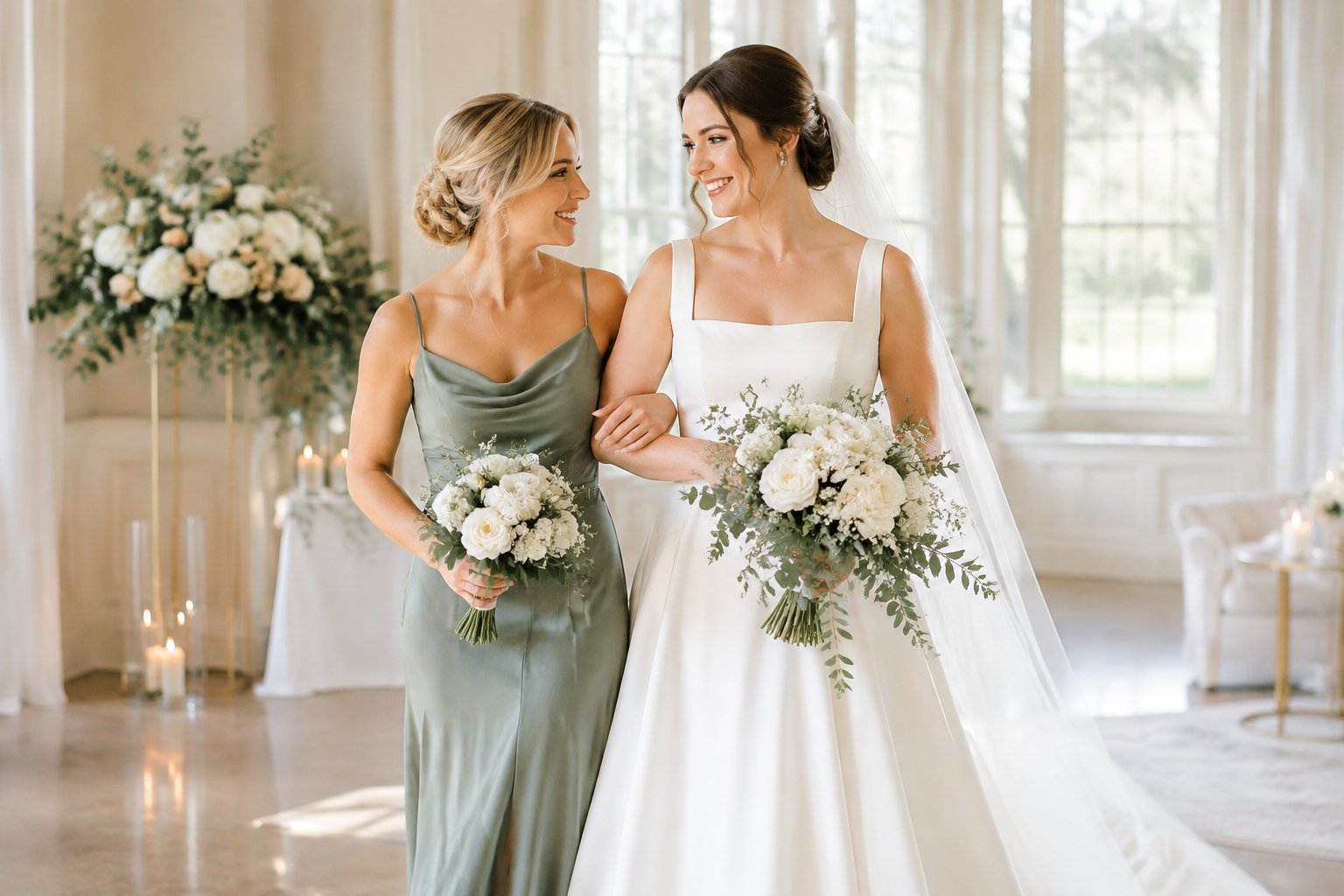
A bridal party does not need matching numbers on both sides. Your partner might have a best man and several groomsmen, or the two of you might choose only a maid of honor and best man.
Gender roles also do not set the rules. You can include a man of honor, a woman as best man, or any combination that feels natural.
Why One Attendant Can Feel More Meaningful Than a Traditional Bridal Party
One attendant gives you a focused source of moral support. Your maid of honor can join dress appointments, help organize key details, keep you calm during stressful moments, and stay close during the wedding day.
A smaller wedding party also reduces coordination. You have fewer schedules, outfits, bouquets, transportation plans, and group messages to manage.
Your photographs can highlight the close bond between you and your maid of honor without requiring a large lineup. You can also avoid placing friends in a difficult ranking system.
If several people matter deeply to you, one maid of honor lets you recognize one person while involving everyone else in roles that suit them.
Do Both Sides Need the Same Number of Attendants?
No, each partner can choose a different number of attendants. Uneven numbers do not create a ceremony problem because your officiant, planner, and photographer can arrange the processional and portraits around your preferences.
You can have one maid of honor walk with one groomsman, have attendants enter separately, or have your maid of honor stand with you while the other side has several attendants. Ask your venue and officiant about space, then choose the layout that feels comfortable.
How to Define Your Maid of Honor’s Role
Your maid of honor can serve as your closest helper and point person, even when no bridesmaids share the work. Give her a clear list of tasks, a realistic budget, and permission to ask for help.
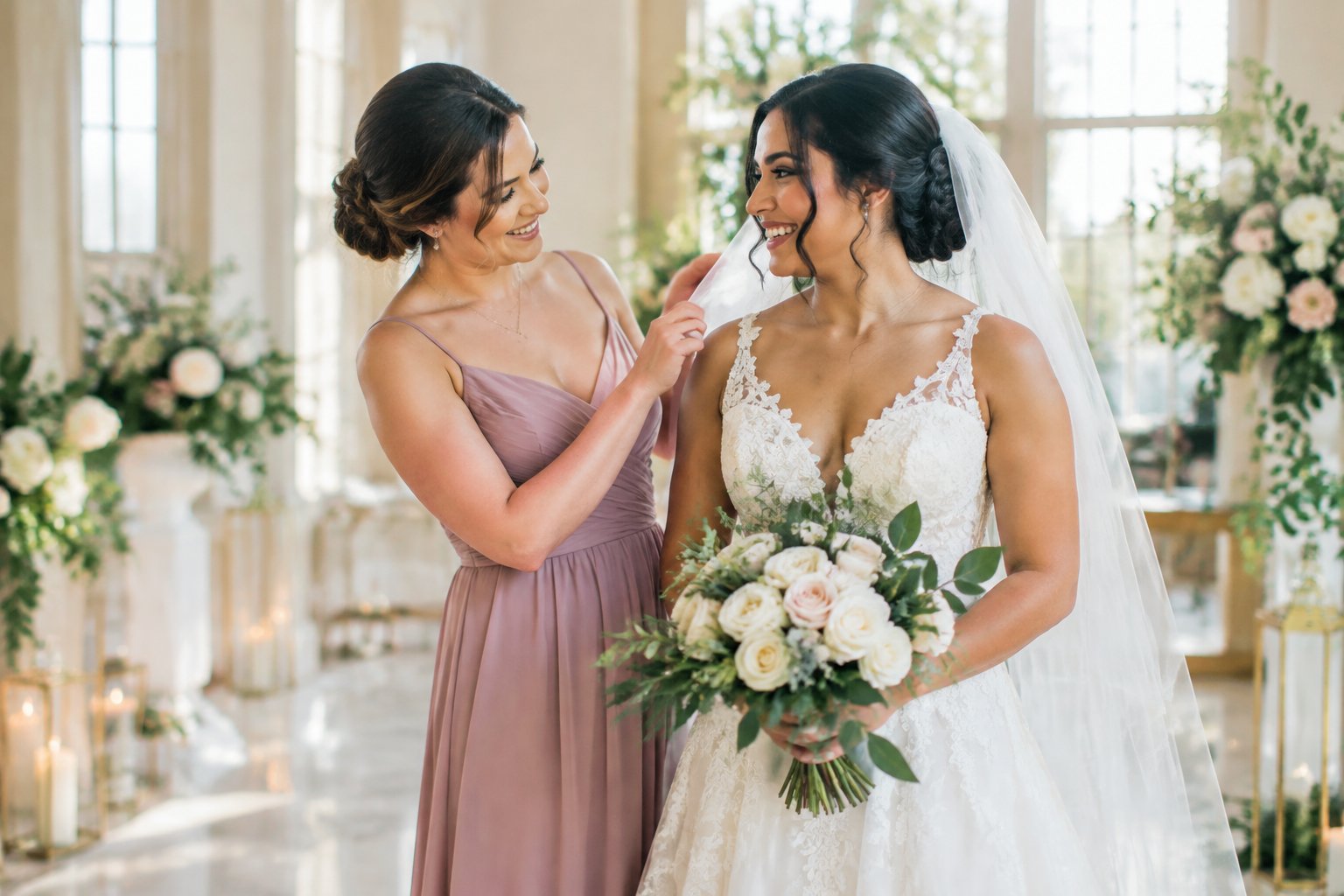
The role can cover emotional support, selected planning duties, communication with vendors, and wedding-day assistance. You do not need to assign every traditional responsibility to one person.
Which Responsibilities Should She Actually Take On?
Choose duties that match her time, skills, and comfort level. Her responsibilities might include:
- Joining important planning appointments
- Helping you compare vendors or review details
- Coordinating a bridal shower with relatives or friends
- Planning a bachelorette party that fits the group’s budget
- Giving a toast or helping prepare one
- Keeping track of your personal items on the wedding day
- Helping you stay hydrated, fed, and on schedule
- Serving as a contact person for selected guests
Your maid of honor can also walk in the wedding ceremony, stand beside you, hold your bouquet, or sign as a witness where local rules permit. Confirm legal witness requirements with your officiant or marriage-license office.
How to Set Expectations Without Making Her Feel Overburdened
Talk through the role before you ask her to accept it. Explain which tasks you want her to handle, which costs you will cover, and which duties belong to you, your partner, a planner, or another friend.
Put the plan in writing so neither of you has to rely on memory. Set limits for travel, spending, event planning, and communication.
If the bridal shower or bachelorette party requires more help, invite family members and close friends to share the work. Use direct language such as, “I would love your support with the ceremony and wedding morning. My family will help with the shower, and I will manage vendor communication.”
Clear expectations protect your friendship and give her room to enjoy the role.
Can You Have a Maid of Honor and a Best Man Only?
Yes, you can have a maid of honor and a best man as your only attendants. This setup gives each partner a designated person while keeping the wedding party small.
The maid of honor and best man can coordinate with each other on transportation, ceremony timing, speeches, and guest questions. They can also divide tasks so neither person becomes responsible for every pre-wedding event or wedding-day detail.
How to Plan the Ceremony and Wedding Day
Your wedding ceremony works smoothly with one maid of honor when you assign each practical task before the processional. The officiant, a trusted guest, or a family member can handle duties that would otherwise go to additional attendants.
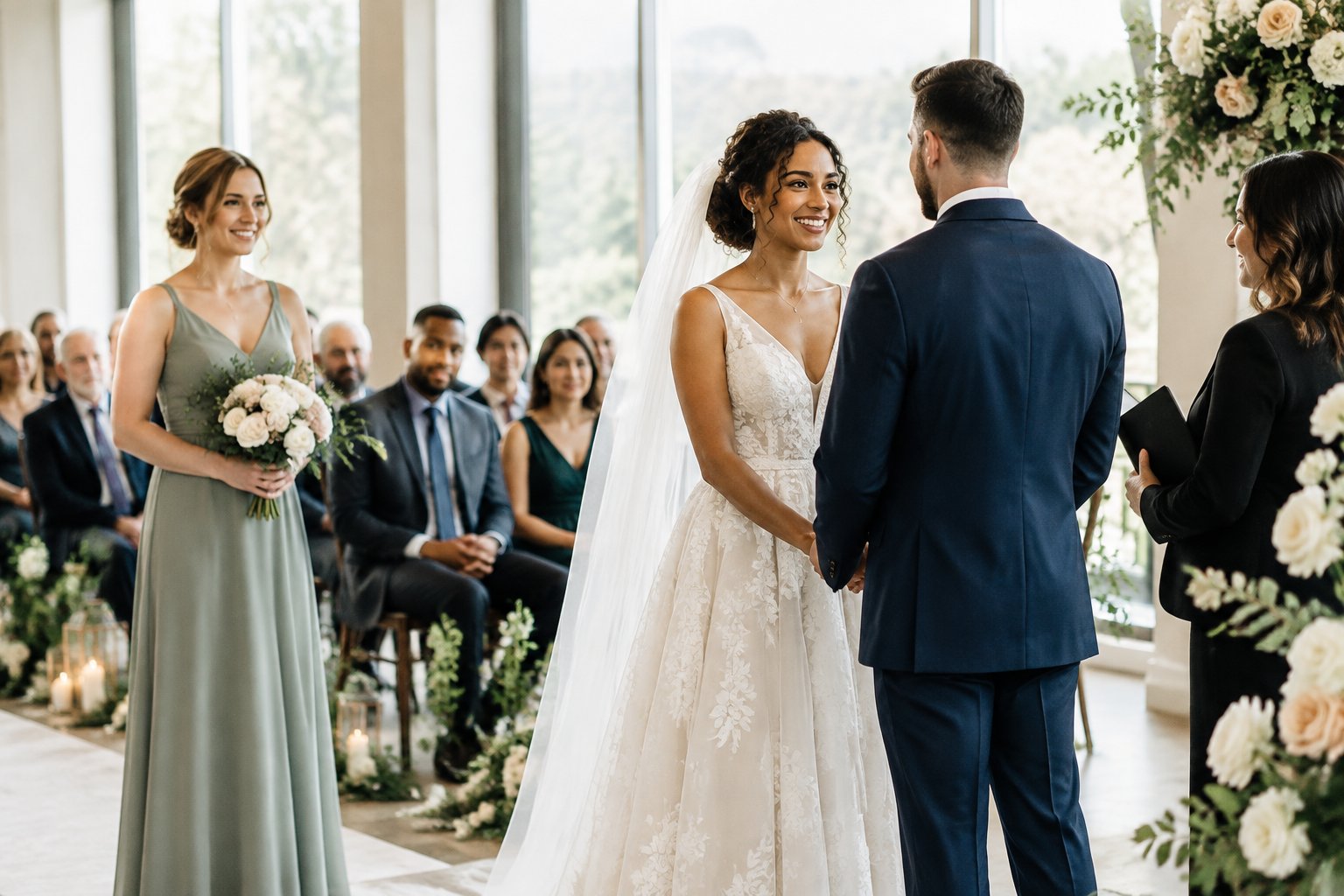
A short rehearsal helps everyone know where to stand, when to move, and who holds each item. Include the ring bearer or flower girl only if those roles fit your ceremony.
Children can participate without becoming part of a larger wedding party.
Who Holds the Bouquet and Rings?
Your maid of honor can hold your bouquet during the vows, while the officiant holds the rings. You can also place the rings in a ring box near the ceremony table or ask a parent to keep them until the exchange.
Tell each person when to receive and return the items. A quick run-through prevents confusion during the ceremony, especially if your maid of honor also needs to adjust your dress or manage your train.
Who Can Serve as Witnesses or Help the Officiant?
A close friend or family member can read a passage, offer a blessing, light a unity candle, play music, or escort a relative. You can also ask someone special to officiate if they meet your state’s requirements and complete any needed registration.
Witness rules vary across the United States. Ask your officiant or county clerk who qualifies and whether witnesses need to sign during the wedding ceremony or at another point.
How to Handle Getting Ready and Wedding Photos
You can get ready with your maid of honor and invite additional close friends and family to join you for part of the morning. Offer a clear arrival time and explain whether they will receive professional hair and makeup services.
Tell your photographer to schedule portraits with your maid of honor, your partner’s attendants, and the loved ones who supported you. Add a short list of group combinations to your timeline so these photographs fit naturally around the first look and family portraits.
How to Include Loved Ones Without Naming Bridesmaids
You can honor close friends and family through specific roles, shared experiences, and personal gestures that do not require a bridesmaid dress or formal title. Choose responsibilities that feel meaningful and match each person’s strengths.
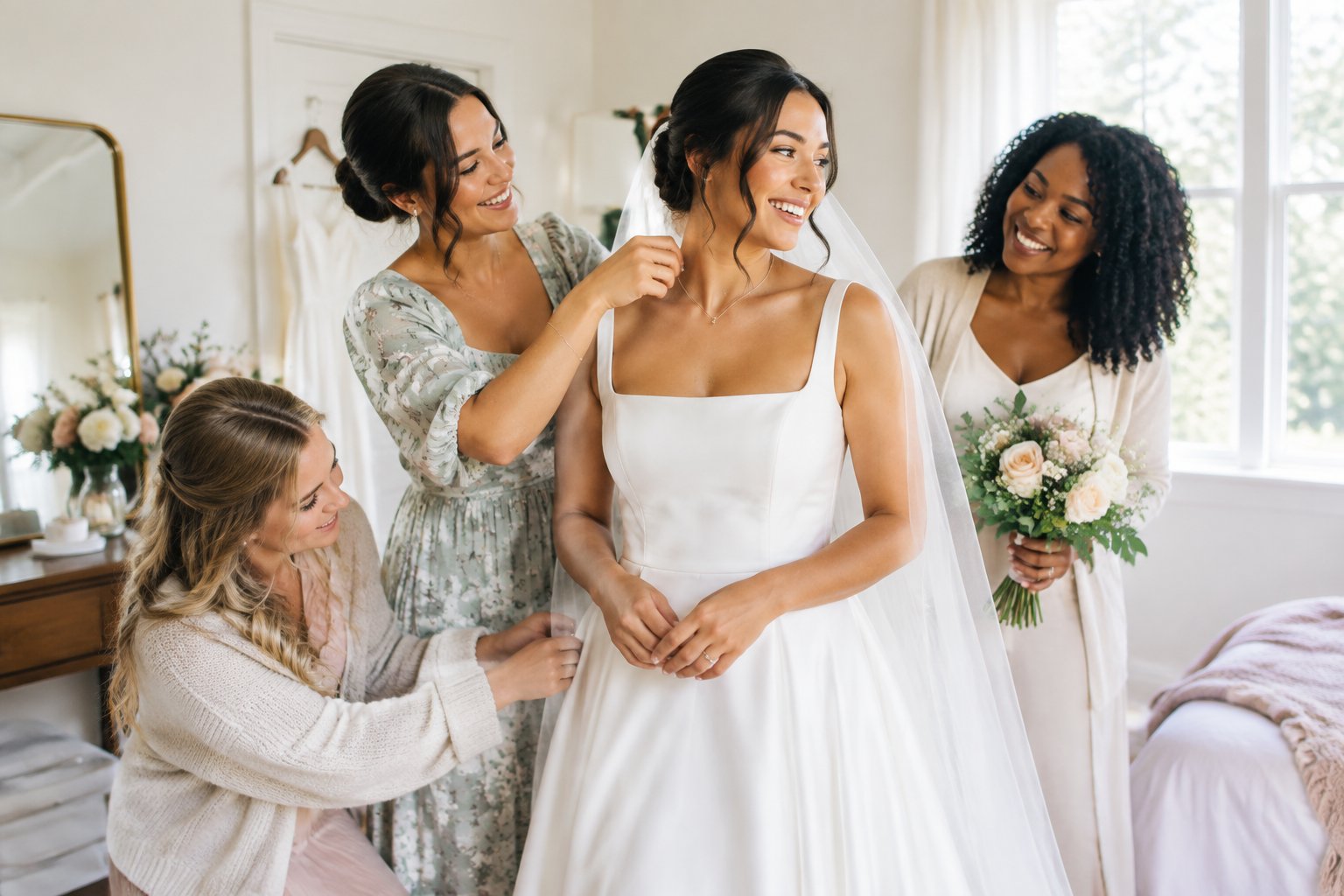
Invite loved ones to help with a planning task, join a pre-wedding event, or participate in the ceremony. Tell each person why you chose that role so the invitation feels personal.
Meaningful Roles for Best Friends and Family
You can ask friends and relatives to:
- Read a poem, prayer, or family passage
- Perform music during the ceremony or reception
- Serve as ushers or welcome guests
- Escort a grandparent or family member
- Sign the marriage license where permitted
- Give a rehearsal dinner or reception toast
- Help create favors, signage, or welcome bags
- Coordinate the guest book or memory box
- Join you for getting-ready photos
- Wear a chosen color, corsage, or boutonniere
These roles let people contribute without adding a bridesmaid dress, matching accessories, or a formal place in the processional.
Can You Still Have a Bridal Shower or Bachelorette Party?
Yes, you can have either event without bridesmaids. Ask your maid of honor to coordinate with relatives and friends, or invite a small planning group to share the work.
You can also host a couple’s shower, a casual brunch, a local activity, or a low-key dinner. Share your preferred guest list, budget, and schedule early so the event reflects your comfort level and does not place all planning duties on one person.
Ways to Make Friends Feel Appreciated
Include friends in the parts of wedding planning they will enjoy. Invite someone to a dress appointment, tasting, rehearsal dinner, welcome party, or creative project.
Give each person a clear invitation, such as helping choose music or joining a special photo group. A handwritten note, meaningful gift, or private thank-you conversation can add warmth.
If you want someone to wear a coordinated color or attend the rehearsal, explain the idea as an honor and provide the details well in advance.
How to Communicate the Decision and Avoid Hurt Feelings
Share your wedding-party decision early, directly, and with affection. Friends might feel disappointed when they expected a bridesmaid role, so acknowledge their connection to you while explaining the structure you chose.
What to Say to Friends Who Expected to Be Included
Speak privately with anyone who might hear the news through someone else. You could say:
“You mean so much to me, and I want you involved in our wedding. I decided to have one maid of honor so the wedding party stays small. I would love for you to help with [specific role] and celebrate with us at [event].”
Give your friend space to respond. You do not need to change your decision to prove that you care, and you can listen without treating their feelings as a problem you must fix.
How to Make the Choice Feel Personal Rather Than Exclusionary
Explain the structure as a wedding-planning choice that reflects your priorities. Avoid comparing friends or describing who ranked highest.
Focus on the role you want each person to play and offer details that show you thought about their interests. Invite loved ones to participate in ways that fit their schedules and comfort.
Someone who dislikes public speaking might prefer helping with a playlist or joining you for getting-ready time. Someone who enjoys hosting might welcome a role in the bridal shower or rehearsal dinner.
Personal invitations turn a broad announcement into a caring conversation.