
Can You Just Say I Do at a Wedding? Exploring Simplicity in Vows
When planning your wedding, you might wonder about the importance of the phrase “I do.” You can simply say “I do” during your wedding ceremony and still have a valid marriage. This simple response serves as a key moment in the vows when you declare your commitment to your partner.
The act of saying “I do” is not just about the words. It represents your agreement to enter this lifelong commitment together. Many couples personalize their vows, but the standard declaration signifies your consent and intent to marry.
Whether you choose to exchange personalized vows or stick with the traditional “I do,” the essence of the moment remains the same. This is a special occasion to celebrate your love and commitment in front of family and friends.
The Significance of Saying ‘I Do’
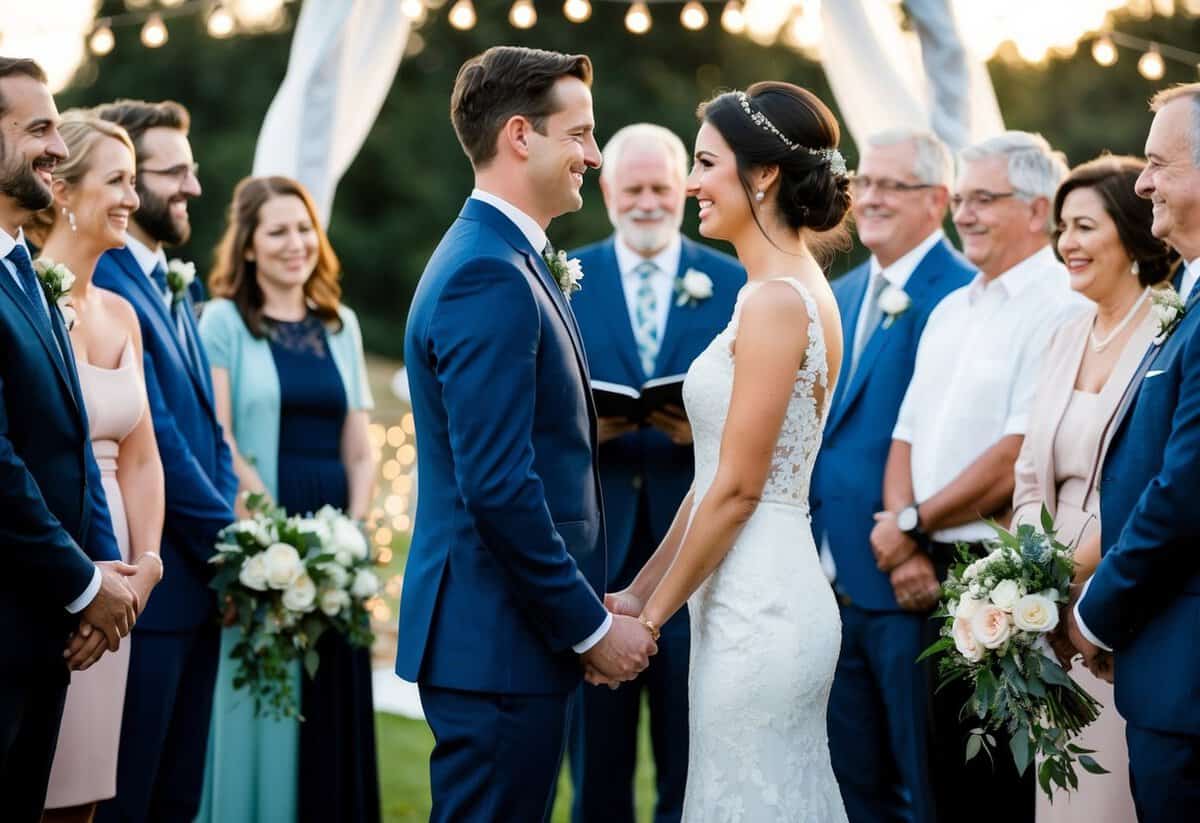
Saying “I do” at a wedding is a key part of the ceremony. This expression carries deep meaning, rooted in tradition and evolving to fit modern times. Understanding its importance can enhance your appreciation for this special moment.
Historical Context
Historically, saying “I do” serves as a declaration of intent. This phrase signifies your commitment to your partner and is essential in many wedding ceremonies.
In different cultures, these words have held various meanings. For example, in some traditions, they represent the sealing of an agreement. Saying “I do” was once a way to confirm the union and establish legal status for the couple.
The officiant asks this important question, highlighting the formality of the moment. By saying “I do,” you acknowledge your role in a lifelong partnership. This declaration dates back centuries, reflecting the enduring importance of marriage throughout history.
Modern Interpretations
In today’s weddings, saying “I do” still holds significant weight. Many couples choose to combine this traditional phrase with personalized vows. This blend allows for a heartfelt expression of commitment while respecting tradition.
The phrase symbolizes your willingness to love, honor, and cherish your partner. Many couples find that saying “I do” creates a strong emotional connection. It acts as a reminder of the promises you plan to keep together.
Modern vows can be as unique as the couple, but the declaration of intent remains a constant. Using “I do” ensures the marriage is valid, making it a key part of your ceremony. Embracing both traditional and personal elements can make this moment even more special.
Components of a Wedding Ceremony
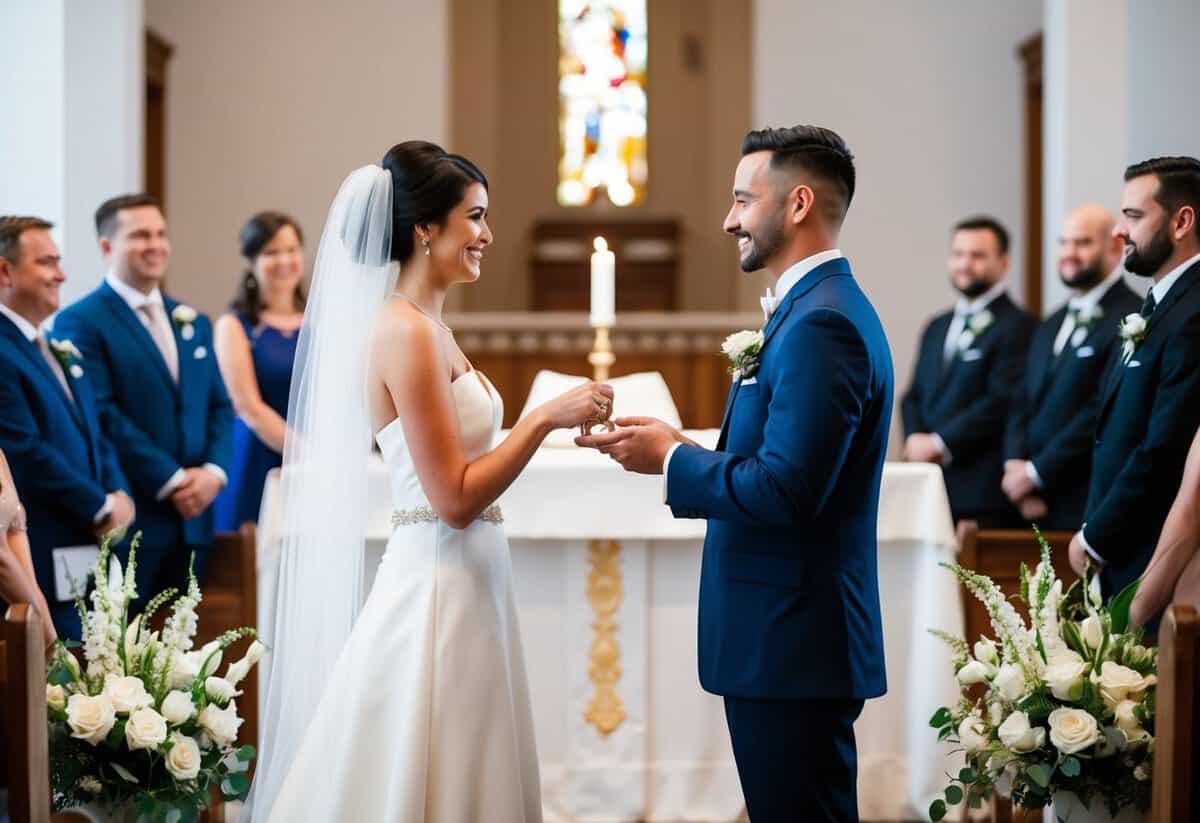
A wedding ceremony includes several important parts that help create a memorable experience. Each component serves a unique purpose, ensuring that the couple’s commitment is both formal and heartfelt.
Roles of the Officiant
The officiant plays a key role in your wedding ceremony. This person leads the ceremony and ensures that every step is followed correctly.
They guide you and your partner through the process of exchanging vows. The officiant also ensures that all legal requirements are met.
Choosing the right officiant can make a big difference. Look for someone who understands your vision and can add a personal touch.
Exchange of Vows
The exchange of vows is a central part of your ceremony. This moment allows you to express your love and commitment to each other.
You can choose traditional vows or write personal ones that reflect your relationship. If you decide to personalize your vows, consider sharing stories or reasons why you love each other.
This heartfelt exchange can bring tears of joy, laughter, or both! The important thing is to speak from the heart. Whether you keep it simple or make it elaborate, your vows will be a lasting memory.
Wedding Ring Vows
Wedding ring vows are often included during the vow exchange. When you share rings, you also express promises using words that tie the rings to your love.
You can choose to say a few meaningful phrases, emphasizing love, fidelity, or support. The rings symbolize your commitment and serve as a constant reminder of your promises.
Discussing what you want to say about the rings can add a personal touch. This moment ties your vows together effectively, making the ceremony meaningful as you commit to each other for life.
Crafting Your Vows
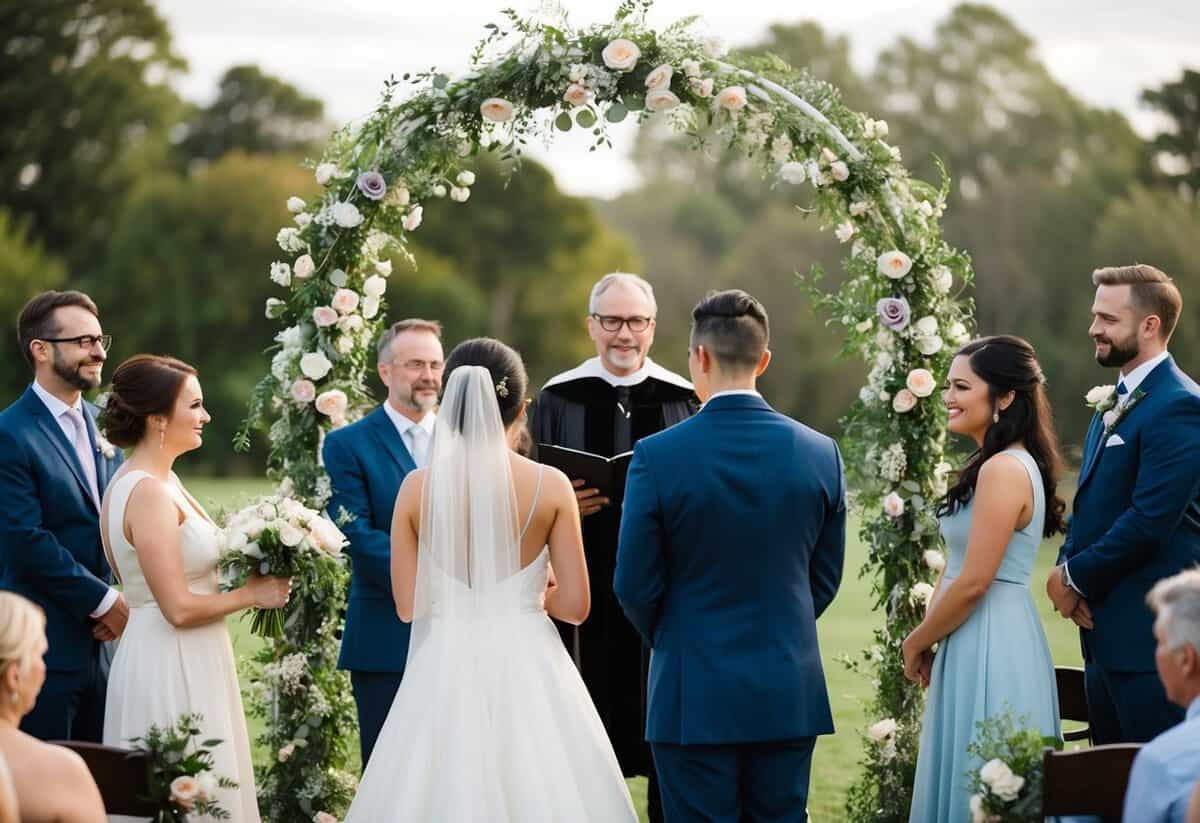
Creating your own wedding vows can be a meaningful experience. It allows you to express your love story and make promises that reflect your unique relationship.
Writing Your Own Vows
Start by thinking about what you want to say. You may want to include key phrases like “I will love and cherish you” or other commitments that mean a lot to you.
Begin with a brainstorm of memories, feelings, and promises. This can be a fantastic way to get your thoughts flowing.
Keep your vows personal. Use your shared experiences and inside jokes to make them special. This sets the tone for a heartfelt moment during your ceremony. Aim for around 1-2 minutes when you speak them.
Personalization Tips
When personalizing your vows, focus on the qualities you admire in your partner. List three or four things you love about them to include in your vows. You might say, “I love your kindness and how you always make me laugh.”
Adding a story can also make your vows memorable. Share a moment that showcases why you chose this person.
Consider your tone. Do you want it to be sweet, funny, or a mix? Choose words that feel true to you.
Lastly, rehearse your vows a few times. This will help you feel comfortable when the big day arrives.
Legal Considerations
When planning your wedding, it’s essential to understand the legal aspects. You need a marriage license to make your union official. Before the ceremony, you must obtain this legal document.
Saying “I do” is a key part of the legal process. It serves as your verbal agreement to the marriage. Without this statement, the marriage may not be recognized legally. This moment signifies that you accept your partner as your lawfully wedded wife or husband.
During the ceremony, many couples include vows about their commitment. Phrases like “in sickness and health” and “honor and respect” are common. While they are meaningful, saying “I do” is often the minimum requirement.
Here are some important points to remember:
- Marriage License: Required to marry legally.
- Verbal Consent: Saying “I do” is necessary for legality.
- Wedded Partner: You become each other’s wedded husband or wife upon agreement.
Each state may have different rules regarding marriage. Be sure to check your local laws to ensure that you meet all requirements. Understanding these legal considerations will help you create a smooth and memorable wedding day.