
Can You Just Turn Up and Get Married in the UK? Understanding the Rules and Process
Getting married is a big step, and you might wonder if you can simply show up and tie the knot in the UK. The answer is no; you cannot just turn up and get married without following specific legal steps. There are important rules and procedures to follow to ensure your marriage is valid.
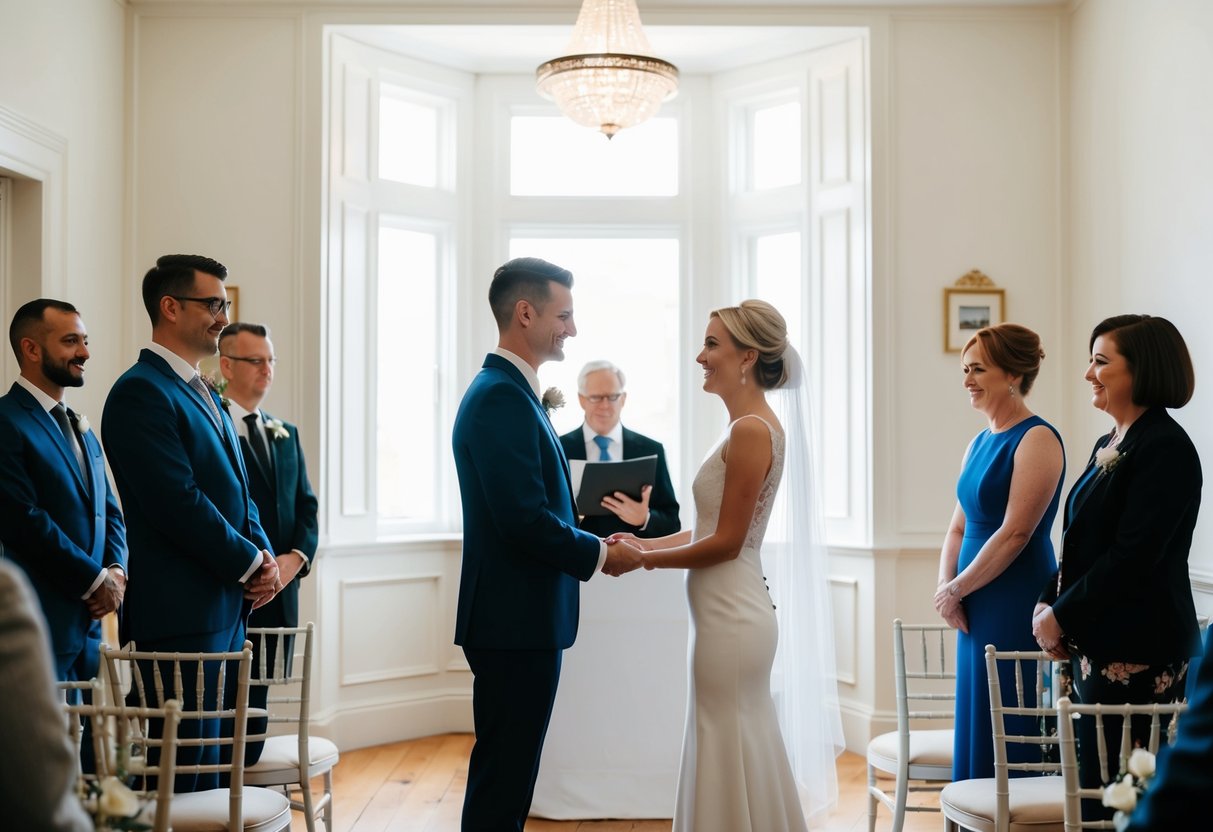
Before planning that spontaneous wedding, it’s essential to understand that you need to give notice at your local registry office and have a ceremony that meets legal requirements. This ensures that your special day goes off without a hitch and that your marriage is recognized by law.
By understanding the steps involved in getting married in the UK, you’ll be better prepared for your big day. It might seem complicated, but knowing what to expect can help make the process smoother and more enjoyable for you and your future spouse.
Understanding the Legal Requirements
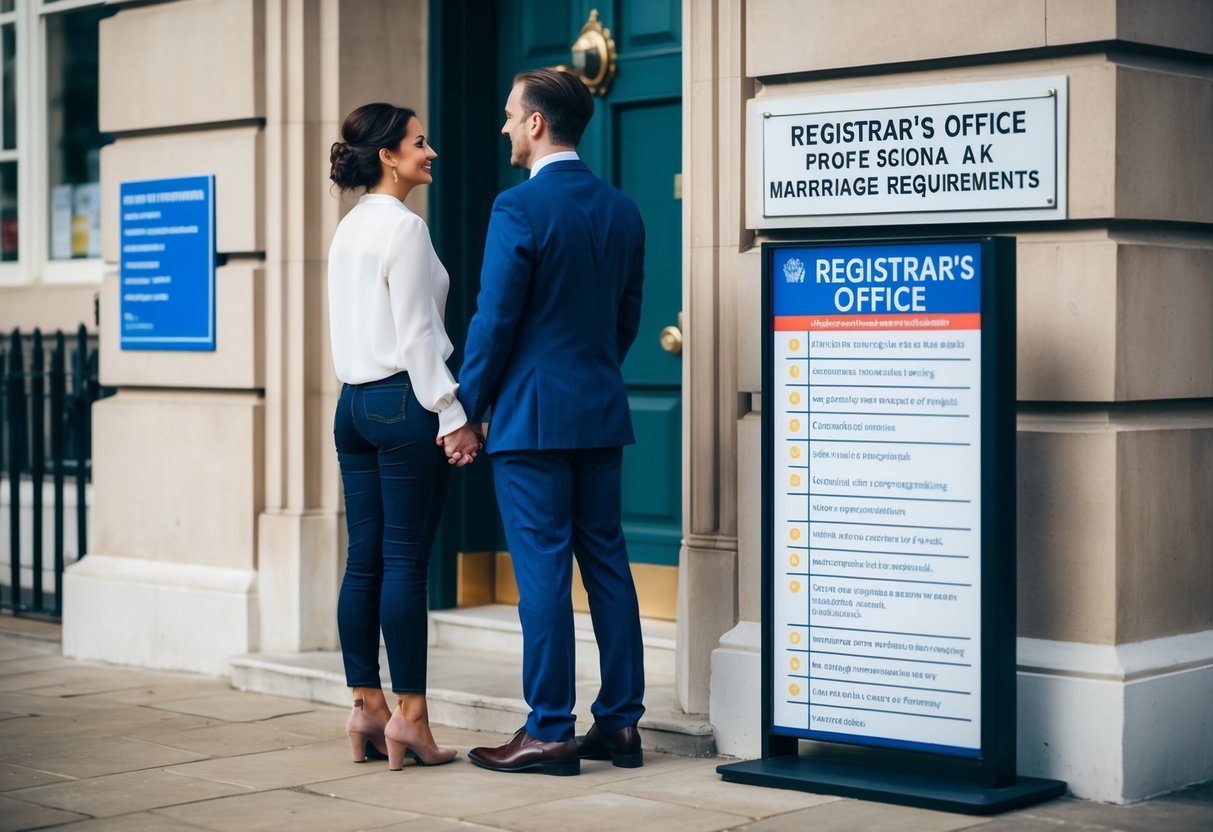
Getting married in the UK involves several legal steps and documents. You need to know the requirements that apply specifically to you and your situation, especially if you are from another country. Here’s what you need to understand.
General Legal Framework
In the UK, you must meet certain legal requirements to marry. Both partners must be at least 16 years old. If you are under 18, you need parental consent.
You and your partner should not be closely related. Marriages between relatives are not allowed. For couples who are both UK citizens or have settled status, the process can be straightforward. If you are an Irish citizen or part of the EU Settlement Scheme, there might be different considerations.
Those without settled status will generally need to apply for a visa to marry, like a marriage visitor visa. This helps ensure that all couples follow the legal guidelines established by UK immigration authorities.
Required Documentation
To get married, you’ll need several important documents. Start with valid identification like a passport or national ID card. Proof of your address is also necessary. This could be a utility bill or bank statement dated within the last three months.
If you’ve been married before, you’ll need to provide evidence that the previous marriage has ended. This could be a divorce decree or a death certificate. Additionally, for non-UK residents, having the right visa or residency permit, such as indefinite leave to remain, is crucial. Always check with your local registry office about specific document requirements.
Notice Period and Marriage Schedule
Before you can marry, you must give notice of your intention at your local registry office. This notice must be given at least 28 days before your wedding date. The notice will be displayed publicly, so people can raise any objections.
Once you give notice, you will receive a marriage schedule which must be used for the ceremony. If you are from abroad, you might have to present different documents during this notice period. For example, if you’re using a marriage visitor visa, that will need to be verified. It’s best to check with the Home Office for the latest information specific to your circumstances.
Special Considerations for Foreign Nationals
If you’re a foreign national, there are extra steps to keep in mind. You might need to show your visa status. If you have pre-settled status under the EU Settlement Scheme, this will affect your eligibility as well.
Additionally, some visas, like the family visa or family permit, allow you to marry in the UK. Always ensure your documents meet the requirements of your visa type. If you plan to stay in the UK after marriage, understanding how to apply for citizenship or indefinite leave to remain is important. Check the UK government website or consult with an immigration lawyer to clarify your unique situation.
Types of Marriages and Partnerships in the UK
In the UK, there are several types of marriages and partnerships you can choose from. Each has specific rules and procedures, depending on your preferences and circumstances. Here are the key types you should know about.
Civil Ceremonies and Register Offices
A civil ceremony is a non-religious wedding that takes place in a legal setting, such as a register office. You need to give notice of your marriage at your local register office at least 28 days in advance.
During the ceremony, you will exchange vows and sign the marriage register. Civil ceremonies are simple and usually shorter than religious weddings. You can personalize your ceremony with music and readings, but it must follow certain legal requirements.
To book your civil ceremony, check with your local registration office for available dates and fees. Remember, both partners must be present when giving notice.
Religious Ceremonies and Weddings
If you want a wedding with religious elements, you can choose a religious ceremony. This can take place in a church, mosque, temple, or other places of worship.
Before getting married, you typically need to have a conversation with the religious leader. It’s important to follow the rules of the faith you belong to. Certain denominations may have different requirements for weddings.
In England, you still need to give notice at a register office, even if the ceremony is religious. After the ceremony, your marriage will be registered with the local authorities, making it legally binding.
Civil Partnerships and Same-Sex Couples
Civil partnerships were created to give same-sex couples legal recognition similar to marriage. In England and Wales, you can convert a civil partnership into a marriage if you choose.
To form a civil partnership, both partners must be at least 16 years old and not closely related. Just like marriage, you must also give notice at your local registration office.
Civil partnerships offer similar legal rights but are not considered marriages under certain religious laws. It’s essential to understand your options when deciding what suits your relationship best.
If you’re a same-sex couple considering getting married or forming a civil partnership, you have a variety of choices available to you based on your preferences.
Unique Aspects of Getting Married in the UK
Getting married in the UK has several unique features that can make your experience special. From historical locations to legal responsibilities, knowing these aspects can help you navigate your wedding smoothly and with confidence.
Gretna Green and Historical Venues
One of the most famous places to get married in the UK is Gretna Green. Located just over the Scottish border, it has been a popular spot for eloping couples since the 18th century. The famous blacksmith’s shop in Gretna Green is where many couples tied the knot quickly, often without the need for parental consent.
Another unique feature of this venue is its charm. You can choose between a traditional ceremony or a more personal wedding that suits your style. Many couples love the historic backdrop, making their special day even more memorable.
Parental Responsibility and Underage Marriage
In the UK, both partners must be at least 16 years old to marry. If you are under 18, you must have parental consent. This rule is important for ensuring that young couples have support in their decision.
Parental responsibility plays a significant role if one partner is underage. It is necessary to inform the local registrar when applying for the marriage license. Making sure you have the correct paperwork can save you from complications later on.
Changing Your Name After Marriage
Many couples choose to change their last name after getting married. In the UK, you can take your partner’s surname, keep your own, or use a combination of both. There are no legal requirements forcing you to change your name, so the choice is entirely yours.
If you decide to change your name, you will need to update several documents. These include your passport, driver’s license, and bank accounts. Making a list can help ensure you cover everything. Consider using the GOV.UK guide for further information on the steps involved.