
Can You Just Turn Up at a Registry Office and Get Married? Here’s What You Need to Know!
If you’re dreaming of a spontaneous wedding, you might wonder if you can just show up at a registry office to get married. Unfortunately, the answer is no; you must make arrangements and give notice ahead of time.
This means some planning is necessary to ensure your special day goes smoothly.
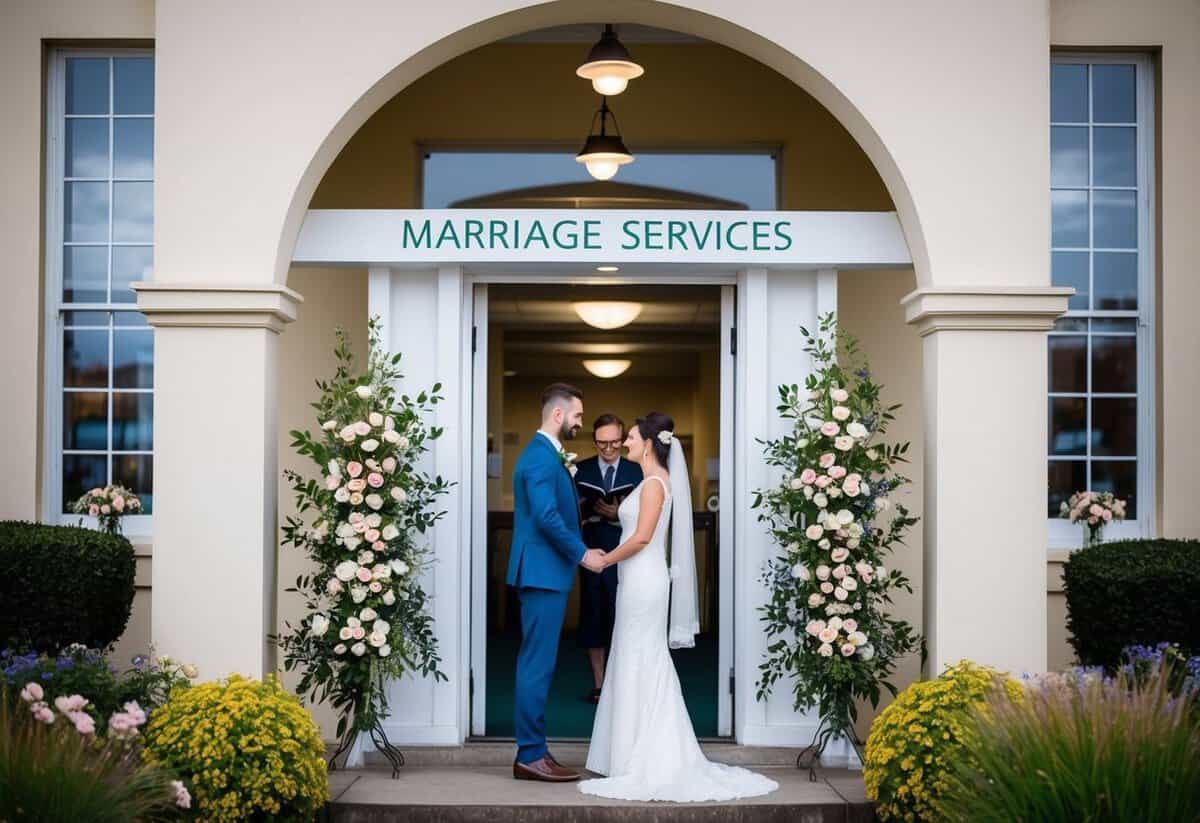
Registry offices provide a simple and legal way to tie the knot. They focus on the essential aspects of marriage, allowing you to have a meaningful ceremony without the extra fuss. Knowing the right steps in advance can help you navigate the process easily.
Whether you’re looking for a quiet gathering or a no-frills ceremony, understanding the requirements at a registry office is key. Getting familiar with the rules will help you prepare for your wedding day without any last-minute surprises.
Understanding Registry Office Weddings
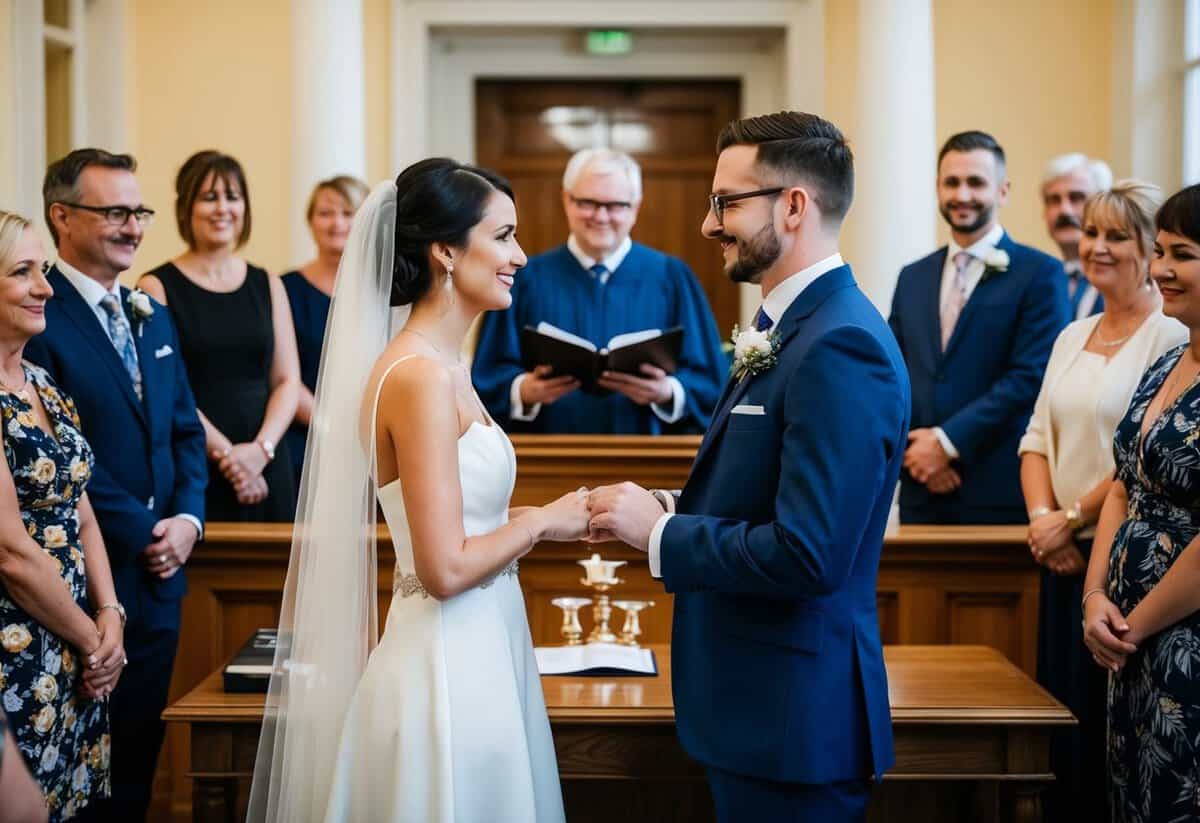
A registry office wedding is a simple and legal way to get married without the elaborate details of a traditional ceremony. It offers a quick option to start your life together and can be tailored to fit your preferences.
What Is a Registry Office Wedding?
A registry office wedding is a civil ceremony that takes place at a designated venue. These venues are typically run by local government authorities. You do not need to have any religious elements in this type of marriage, making it ideal for those seeking a non-religious marriage option.
To get started, you will need to give notice to the registrar at your local office. They will guide you through the necessary legalities, such as completing forms and providing required documents. The actual ceremony is generally shorter and can be personalized with vows, but it sticks to a standard format.
Differences Between a Registry Office and Traditional Wedding
There are distinct differences between a registry office wedding and a traditional wedding. A traditional wedding often features a religious or cultural ceremony in a church or another venue. It usually includes additional elements like music, decorations, and a more extensive guest list.
In contrast, a registry office ceremony is straightforward and focused on the legal aspects of getting married. While you can still include some personal touches, the setting is typically more minimal.
Costs can also differ. Registry office weddings often have lower fees compared to traditional weddings, which can involve significant expenses for venues, catering, and entertainment. Choosing a registry office can make your special day simpler and more budget-friendly, allowing you to focus on what truly matters: your commitment to each other.
Pre-Wedding Legal Requirements
Before you can tie the knot at a registry office, it’s important to understand the legal steps you need to take. These steps include giving notice, preparing required documents, and knowing the legal implications of marriage.
Giving Notice at Your Local Registry Office
You must give notice of your intention to marry at your local registry office. This notice needs to be done at least 28 days prior to your wedding. During this time, the registry office will post your notice publicly, allowing anyone to raise concerns.
Both partners must attend this appointment. Bring proof of identity, such as a passport or driver’s license. If applicable, you’ll need to show documents related to previous marriages, like a divorce decree or death certificate.
If you’re not a UK resident, you’ll need to provide additional information, such as visa details. After the notice period, you can schedule your ceremony.
Required Documents for Marriage
To get married, you’ll need to provide specific documents when you give notice. These typically include:
- Passport or National ID: This serves as proof of your identity and age.
- Proof of Residence: A utility bill or bank statement works well.
- Divorce Decree: If you’ve been married before, bring the official papers showing your divorce.
- Death Certificate: If you’re a widow or widower, this document is also needed.
Make sure your documents are original and not copies. Depending on your situation, additional documents may be required. Always check the UK government website for the most current requirements.
Understanding the Legal Implications
Marriage is a legal contract that creates rights and responsibilities. Once you marry, you gain legal recognition as a couple. This can affect your finances, taxes, and inheritance rights.
It’s essential to understand that marriage also means you have some obligations. For example, you should inform the relevant authorities if your circumstances change, like moving or if a partner dies.
Knowing the legal implications can help you navigate what comes next. It’s always a good idea to consult legal advice if you have specific questions regarding marriage laws that apply to you.
Personalizing Your Registry Office Ceremony

A registry office ceremony doesn’t have to be plain. You can make it special and unique to you. Personal touches can include your choice of readings, music, and who you invite to witness your vows.
Selecting Readings and Music
Choosing readings for your ceremony can reflect your personality and values. You might select poetry, quotes, or excerpts from favorite books. These can express your feelings and tell your story.
When it comes to music, consider your preferences. You may opt for traditional wedding music or a favorite song that resonates with you both. Remember, the selection should create the right atmosphere. Discuss your ideas with the registrar to ensure everything meets their requirements.
Choosing Witnesses and Guests
Your witnesses play a crucial role in the ceremony. You need at least two, so think about who would best represent your journey as a couple. This could be close family members or friends who know you well.
As for guests, share your special day with those who matter most. A small group can create an intimate feel. By including loved ones, you create a supportive environment. Think about how many people you want and check the venue’s capacity. It’s your day, so make choices that feel right for you.
Post-Wedding Considerations
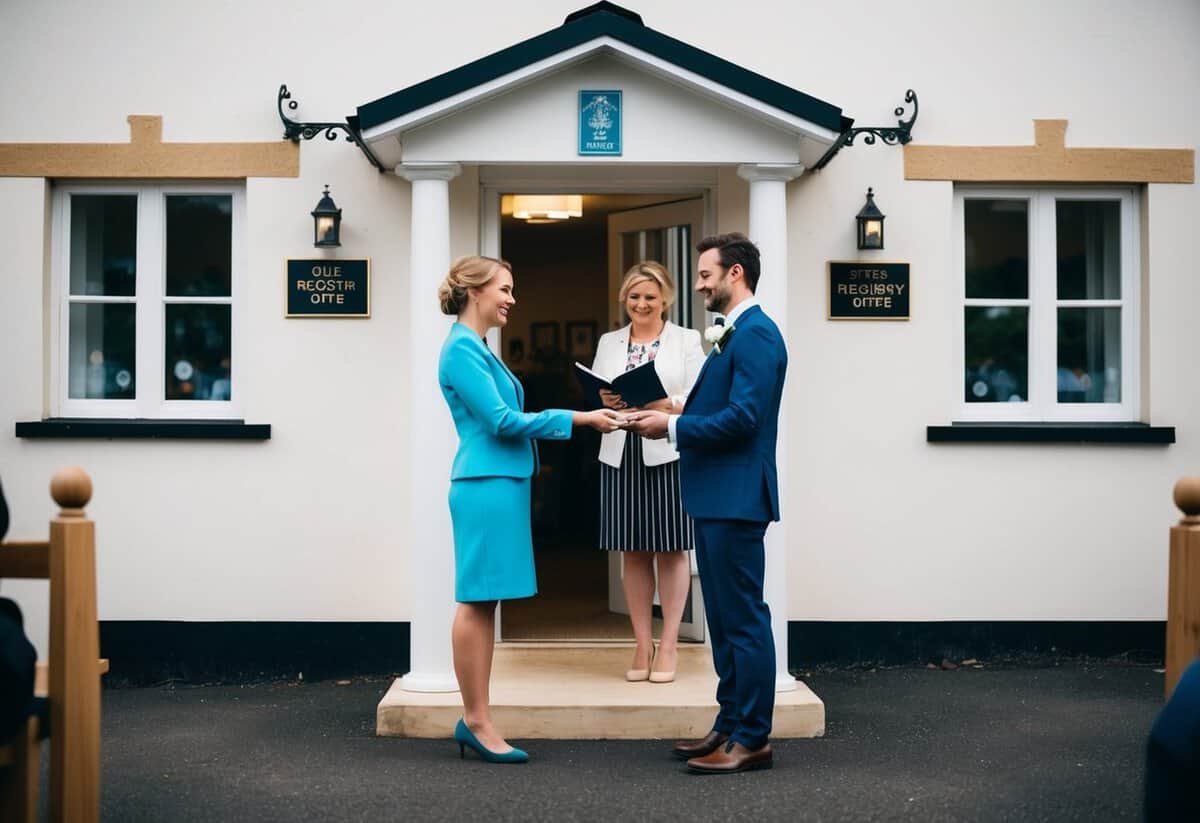
After your registry office wedding, there are important steps to take to celebrate and legalize your union. You’ll want to think about hosting a reception and how to obtain your marriage certificate.
Hosting a Reception After the Ceremony
Consider planning a reception to celebrate with family and friends. This can be a dinner at a cozy restaurant, a gathering at a boutique hotel, or even a budget-friendly home party.
Decide on a theme that suits you both. You can choose a casual affair with finger foods or a more formal sit-down dinner.
Think about your guest list and venue. If you want a memorable experience, venues at places like Gretna Green can be beautiful for intimate celebrations. Don’t forget to toast with wine glasses that match your theme!
Consider including wedding gifts information for guests who may inquire about giving.
Obtaining Your Marriage Certificate
After your ceremony, you need to obtain your marriage certificate. This document legally proves your marriage.
You usually need to apply through your local registrar to get your certificate. This can often be done online or in person. Check if there’s a fee and how long it takes to process.
Having your marriage certificate is important for legal matters and benefits. For example, you can use it to change your name on official documents or access spousal benefits. Be sure to keep it in a safe place after you receive it.