
Can You Legally Get Married at Home? Essential Guidelines and Tips
Imagine saying your vows in the comfort of your own home. You can legally get married at home, but you must follow specific state laws and guidelines to make it official. Couples are seeking more personal and intimate wedding experiences, making home ceremonies a popular choice.
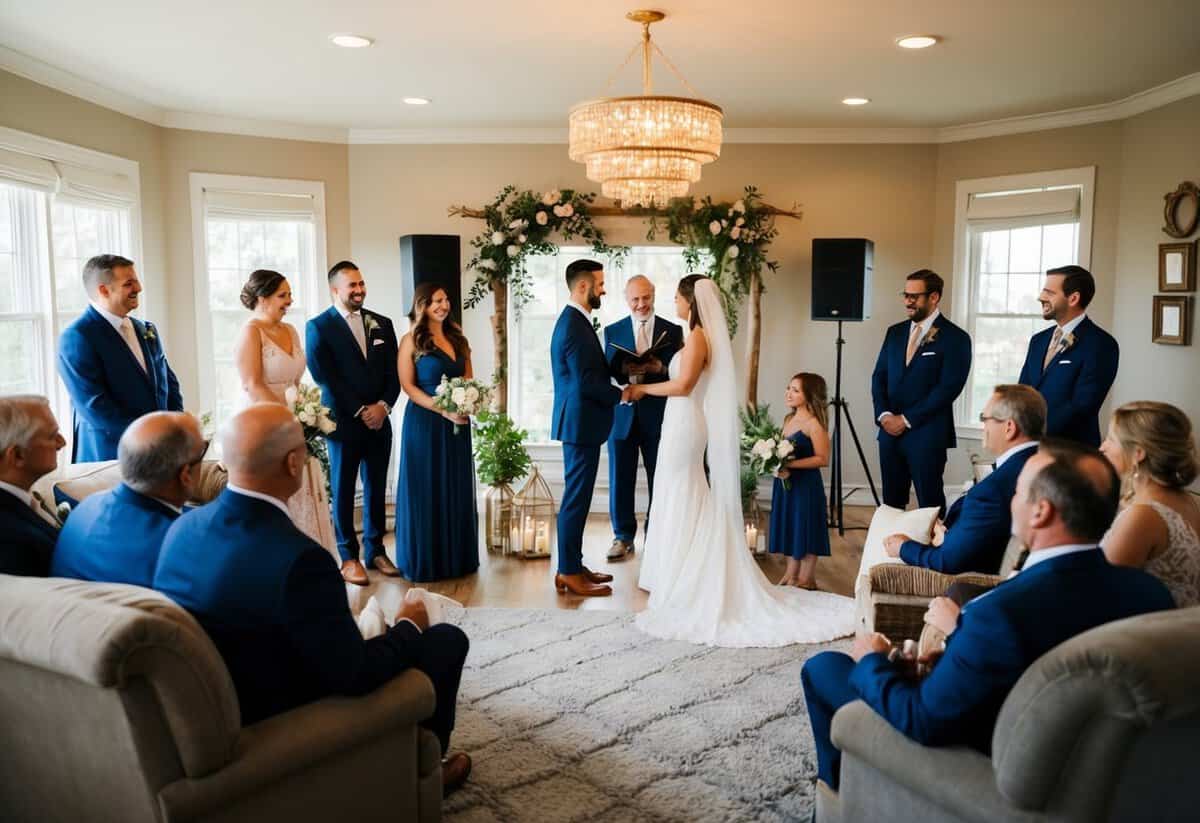
Many states now allow online marriage ceremonies, which can make things even simpler. You might not need to travel to a courthouse or a wedding venue. Instead, you can celebrate your love surrounded by the familiarity of your space, while still ensuring your marriage is recognized by law.
If you’re curious about how to start this process, there are important steps to consider, like obtaining a marriage license and finding a qualified officiant. Understanding the requirements in your state will help you plan the perfect home wedding without any hiccups.
Understanding Legal Requirements
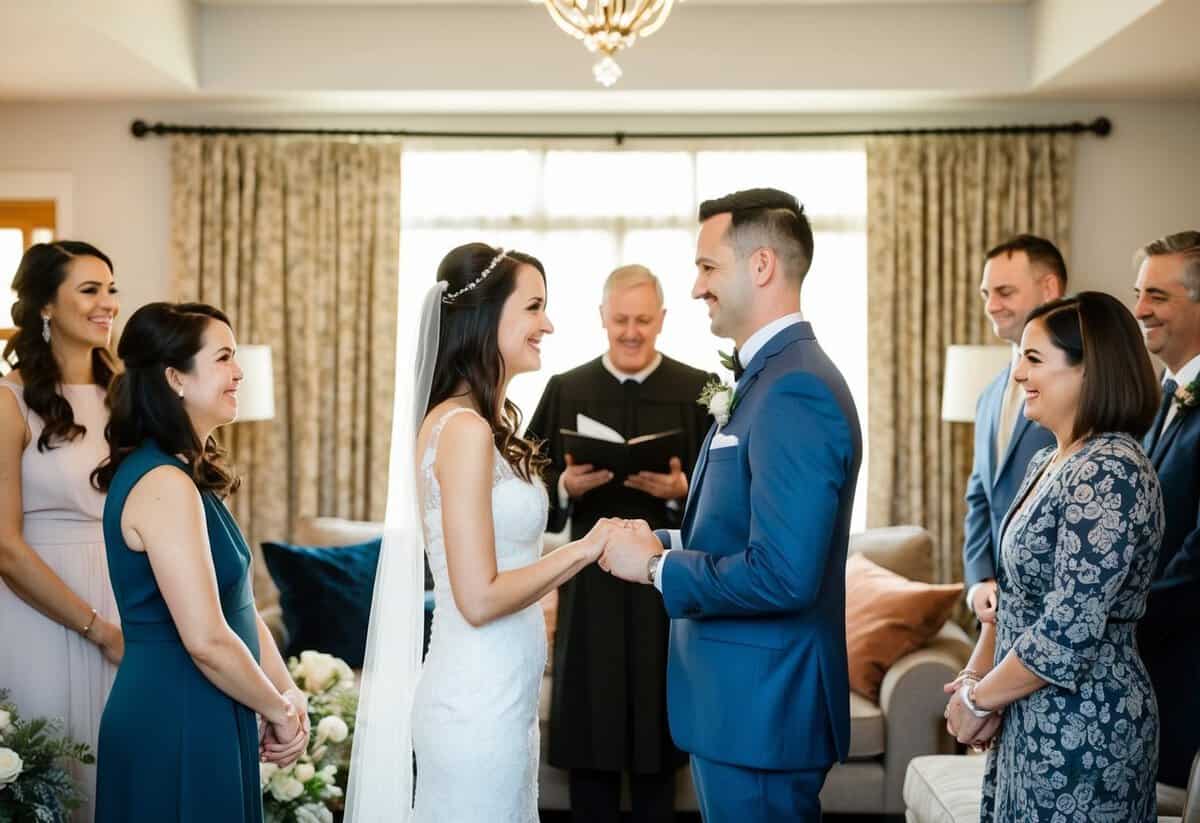
When planning to get married at home, it’s important to know the legal rules that apply. Understanding the marriage laws and who can officiate your ceremony will help ensure your marriage is recognized.
Marriage Laws and Licenses
To legally get married at home, you need a marriage license. This document allows you and your partner to officially wed. The rules for obtaining a marriage license vary by state, so check the specific requirements in your state.
Typically, both partners must apply together and provide identification. Once you have the license, it usually has to be filed with the appropriate local government after the ceremony.
Key points to consider:
- Age Requirements: Most states require you to be at least 18 years old to marry.
- Residency: You do not always need to be a resident of the state where you get the license.
- Waiting Period: Some states have a waiting period after applying for your license before you can marry.
Besides the marriage license, ensure you understand the process for obtaining a marriage certificate, which formally records your marriage.
Role of the Officiant
An officiant is someone who legally performs your wedding ceremony. To ensure your marriage is valid, you must choose an authorized officiant. This could be a religious leader, judge, or even a friend who has been ordained.
Important aspects to remember:
- Authorization: Check if your chosen officiant is legally allowed to conduct marriages in your state.
- Ceremony Format: Some states have specific requirements for the structure of the ceremony. Make sure your officiant is familiar with these.
After your wedding, the officiant will usually sign the marriage certificate, along with you and your witnesses. This document is crucial for proving your legal marriage status in the future.
Planning Your Home Wedding
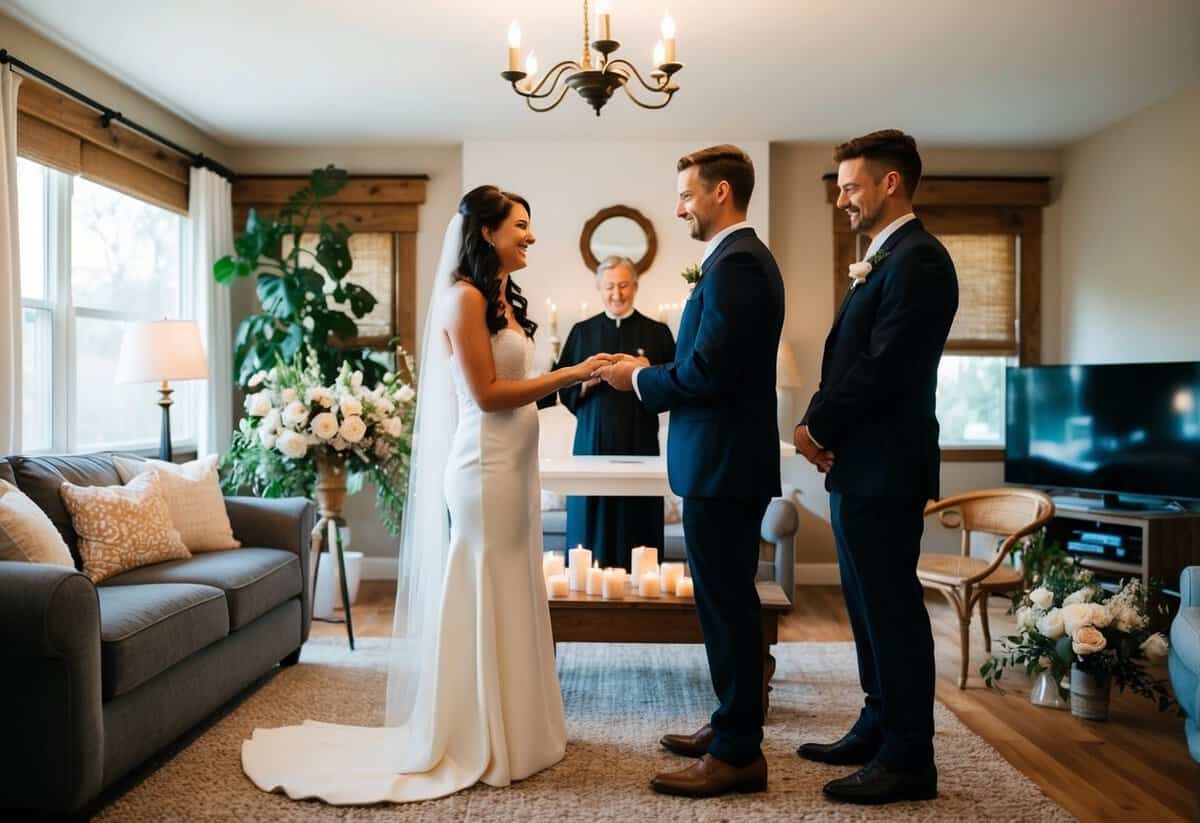
Planning your home wedding is an exciting journey. You’ll want to create a special atmosphere that reflects your style. Focus on two main areas: the location and the decor. Both play a big role in making your day memorable.
Choosing Your Location
First, decide where in your home you’d like your wedding ceremony to take place. You can choose a spacious living room, a lovely garden, or even a cozy backyard. Ensure there’s enough room for guests and the wedding officiant.
Think about accessibility for everyone, including elderly guests or those with limitations. If you’re having a larger gathering, check local laws about noise or space limits. Many couples opt for virtual marriage ceremonies, which allow friends and family to join from afar. This is a great option if not everyone can travel.
Decor and Theme
Your decor sets the mood for your wedding. Choose a theme that resonates with both of you. It could be rustic, modern, or whimsical.
Here are some essential decor elements:
- Flowers: Fresh blooms can brighten any space.
- Seating: Comfortable seating is a must for your guests.
- Lighting: Soft lighting can create a romantic feel.
Consider adding personal touches like family photos or handmade decorations. Don’t forget to discuss your vision with the wedding officiant to ensure everything fits well into your ceremony plan.
Virtual Marriage Options
You can now explore various virtual marriage options that allow you to tie the knot from the comfort of your home. Many couples find online ceremonies convenient and legally valid, making it easier to celebrate love even when distance is a factor.
Remote and Online Weddings
Remote weddings have become a popular choice for couples, especially during the COVID-19 pandemic. With platforms like Zoom, you can host an online wedding ceremony with friends and family attending virtually.
To get married online, you usually need a virtual marriage license. Many services guide you through the process of applying for this license online. Once everything is set, an officiant can conduct the ceremony remotely, making your marriage legally recognized in all 50 states.
Couples often receive an official marriage certificate by mail after the event. This certificate serves as legal proof of your marriage. With options like wedfuly and other platforms, the experience can be both meaningful and fun.
International and Proxy Marriages
If you’re an international couple, virtual marriages might be the answer to your long-distance challenges. Different countries have various laws regarding online weddings. Therefore, it’s essential to check the specific legal requirements in your countries.
Proxy marriages are another interesting option. In this arrangement, one partner can be represented by another person during the ceremony, allowing you to be legally wed even if one of you can’t be physically present. This can be particularly useful for couples who are separated by travel or work commitments.
After the Ceremony: Certification and Legalization
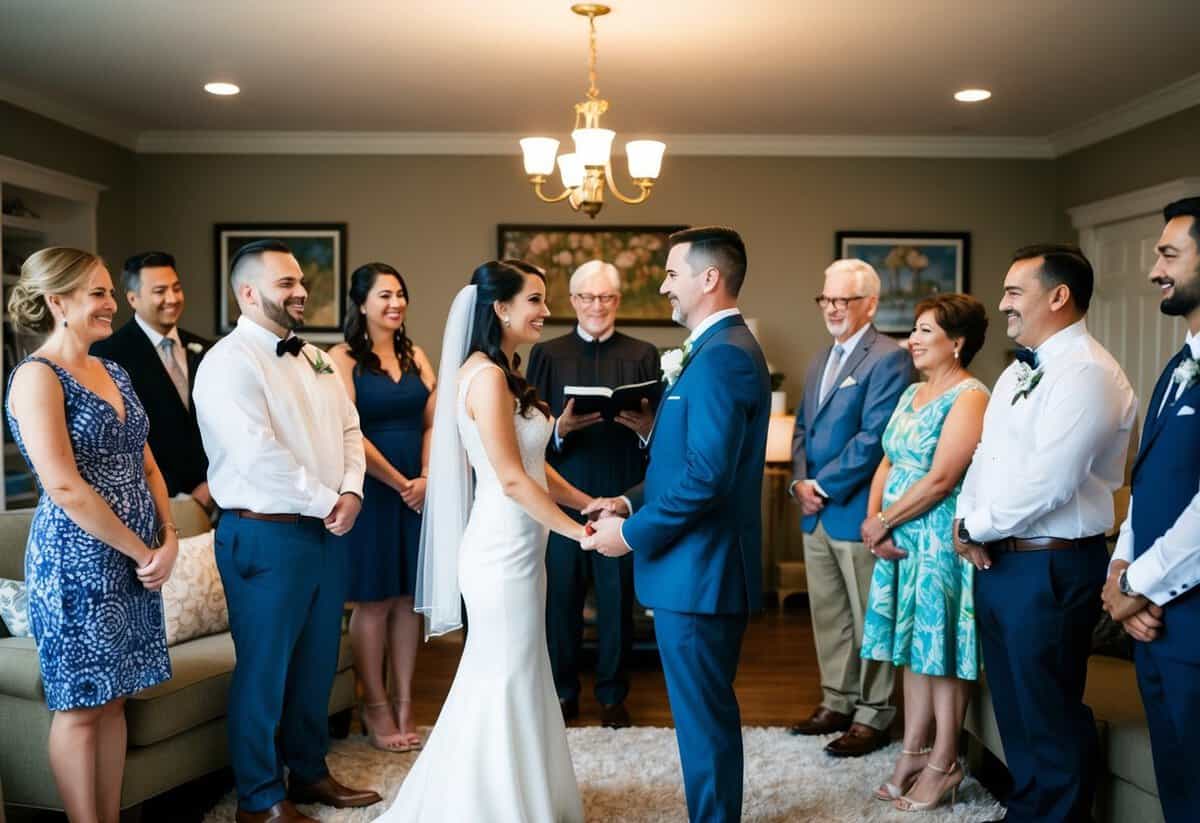
After your wedding ceremony, there are important steps to complete regarding the legal aspects of your marriage. This includes obtaining your marriage certificate and understanding how to get international recognition if needed. These steps help ensure that your union is recognized legally.
Obtaining Your Marriage Certificate
Once your ceremony is complete, you need to obtain a marriage certificate. This document serves as proof of your marriage and is critical for legal purposes.
You typically need to apply through the local clerk’s office. The requirements vary by state or county, but generally, you will need:
- Completed marriage license
- Identification for both spouses
- Payment for the certificate
Many jurisdictions allow you to request your marriage certificate online, making the process easier. Having this document is essential if you plan to change your name, apply for a spousal visa, or access marriage services.
Apostille and International Recognition
You may need an apostille if you plan to use your marriage certificate outside the country. An apostille is a form of certification that verifies your marriage certificate is legitimate.
To get an apostille, contact the appropriate state office, often the Secretary of State. You usually need to provide:
- A certified copy of your marriage certificate
- A request form
- Payment for the service
This step is especially important for couples moving abroad or needing to prove their marriage for legal purposes elsewhere. An apostilled certificate helps you navigate international regulations easily.