
Can You Legally Get Married in a Pub? Exploring the Rules and Regulations
Getting married is a special occasion, and many people are looking for unique venues to celebrate their big day. If you’ve ever considered saying your vows in a cozy pub, you’re not alone. Yes, you can legally get married in a pub, but there are important legal steps and requirements to keep in mind.
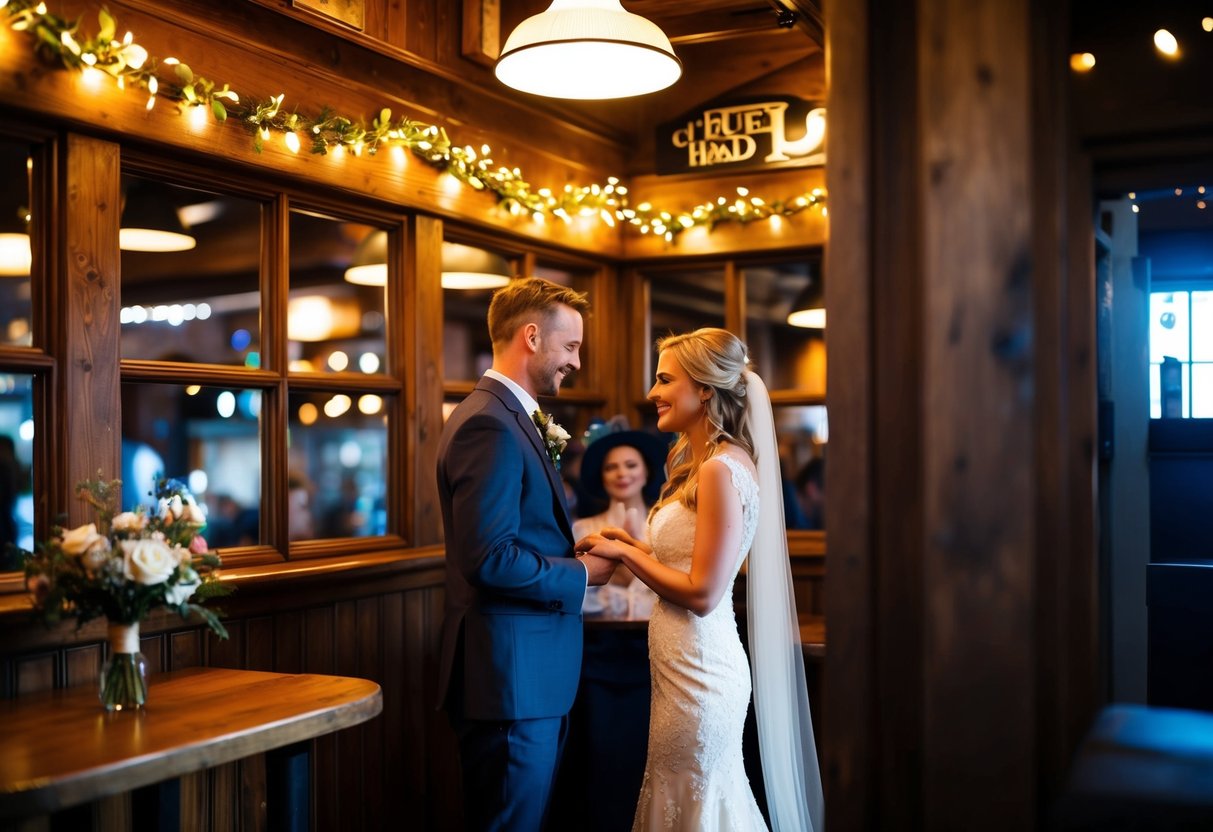
As you plan your pub wedding, it’s essential to research the venue to ensure it’s licensed for ceremonies. This unique setting can create a casual and delightful atmosphere for your wedding ceremony, surrounded by friends and loved ones.
Plus, a pub can offer fun elements, like great food and drinks that match your celebration style.
Remember, wedding planning involves more than just choosing a venue. You’ll need to secure a marriage license and possibly coordinate with the pub staff to ensure everything runs smoothly. A pub wedding can be both memorable and meaningful when done right!
Legal Requirements for Marriage in a Pub

If you’re thinking about getting married in a pub, it’s essential to know the legal steps involved. Meeting specific requirements ensures your special day goes smoothly.
Marriage License Application Process
To get married in a pub, you first need a marriage license. You can apply for it at your local county clerk’s office.
Here’s what you typically need:
- Valid ID: Bring a government-issued photo ID.
- Application Fee: There’s usually a small fee.
- Waiting Period: Many places require a waiting period of a few days before the license is issued.
Once obtained, your marriage license is generally valid for about 30 days. If you don’t use it within that time, you’ll need to apply for a new one. Make sure to check your local requirements, as they may vary.
Civil Ceremonies and Legalities
In most places, you can hold a civil ceremony in a pub, but the venue must be authorized to host weddings. Speak with the pub management to confirm they meet legal requirements.
Important points to consider:
- Officiant: You’ll need a licensed officiant to conduct the ceremony. This could be a judge, a religious figure, or a professional officiant.
- Witnesses: You typically need at least one or two witnesses present during the ceremony.
- Marriage Certificate: After the ceremony, ensure that the officiant files your marriage certificate with the local authorities.
Be aware of any additional local laws that might affect your plans!
Planning Your Pub Wedding
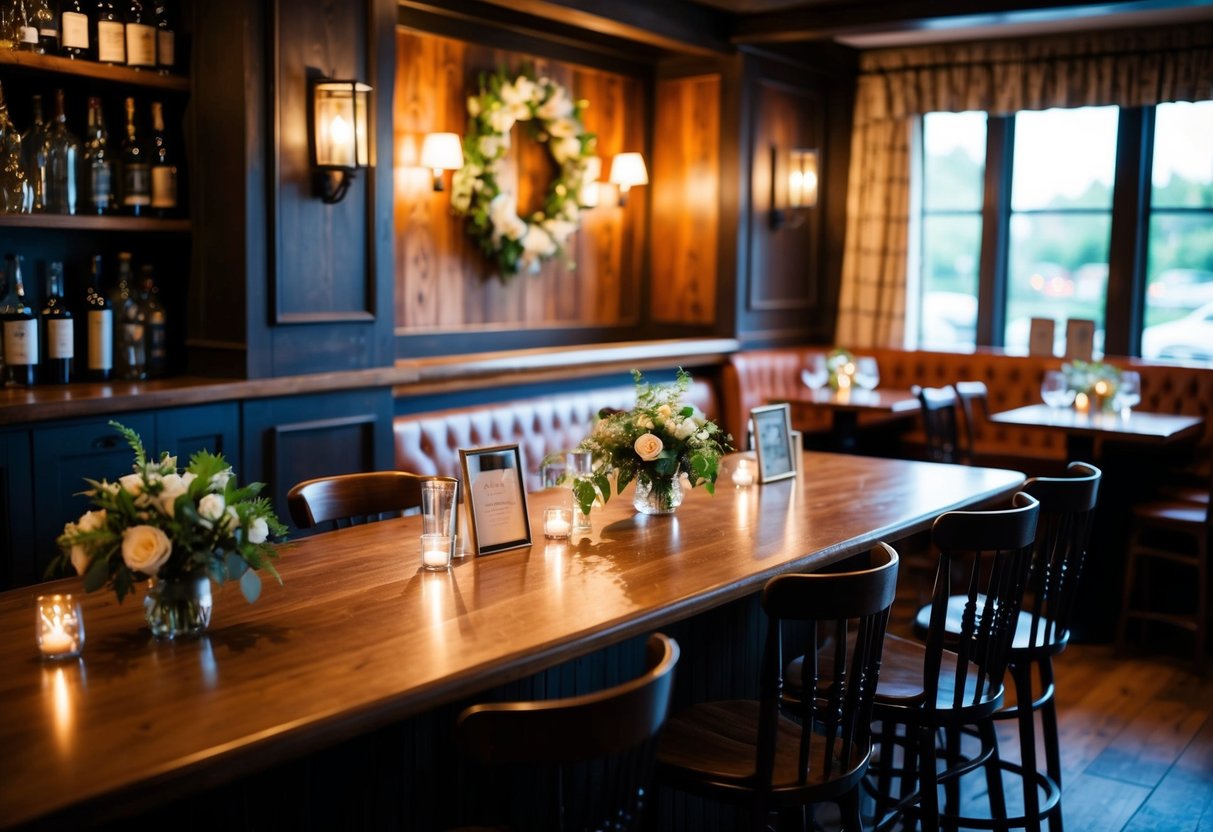
When planning a pub wedding, choosing the right venue and personalizing your ceremony are key steps. Here’s how you can make your special day memorable and tailored to your preferences.
Selecting the Right Pub Wedding Venue
Begin by researching local pubs that are licensed for weddings. Ensure they meet the legal requirements to host your ceremony.
Many pubs may only hold receptions, so verify if they can accommodate the full wedding event.
Assess the size of the venue. Think about your guest list and how comfortably everyone can fit.
It’s essential to visit a few venues in person. Look for features that match your style, like cozy interiors or outdoor spaces.
Don’t forget about the menu. A great pub wedding includes delicious food. Ask about catering options and consider including classic pub favorites. This can make your wedding feel more special and personal.
Personalizing Your Wedding Ceremony
Your wedding ceremony should reflect your unique story. Talk to the pub management about your options.
If the pub isn’t licensed, you can choose to have a legal ceremony somewhere else and then celebrate at the pub.
Consider hiring a celebrant who can help craft a meaningful ceremony. You can personalize vows, include readings, or have music that resonates with you both.
Incorporate elements that showcase your relationship. For example, use decor that reflects your journey together.
Think about pictures or personal items that guests can see and enjoy.
Post-Wedding Considerations

After your pub wedding, there are important steps to take to ensure your legal status and name are updated. This section covers how to change your name legally and what you should know about common-law marriages.
Changing Your Name Legally
If you decide to change your name after marriage, you’ll first need your marriage certificate. This document serves as proof of your marriage and is essential in the name change process.
To start, visit your local social security office to update your name on your Social Security card. Bring your marriage certificate and identification with you.
Next, update your name on any government-issued IDs, like your driver’s license or passport.
Each state has its own rules, so check your local DMV for requirements.
Also, remember to notify banks, credit cards, and utility companies of your name change.
Keeping a list of places that need your new name can help ensure you don’t miss anything.
Understanding Common-law Marriages
Not every state recognizes common-law marriage. A couple is in a common-law marriage when they live together for a certain period and present themselves as married, without a formal ceremony or marriage certificate.
If your state recognizes common-law marriages, make sure you understand the requirements. Often, you must live together for several years and both agree you’re married.
If your relationship fits this description, consider documenting it. This can include joint bank accounts, shared leases, or even witnesses who can confirm your marriage.
If you later decide to separate, know that ending a common-law marriage can involve similar legal processes as a formal divorce. Be informed about your state’s laws regarding common-law marriage to protect your rights.