
Can You Lie About Being Previously Married? Understanding the Implications and Consequences
When it comes to marriage, honesty is essential. You might wonder if you can hide the fact that you’ve been married before. Lying about your previous marriage can lead to serious legal issues and can make your new marriage invalid. It’s important to understand the implications of such a lie before taking any steps forward.

Imagine standing at the altar, excited to say “I do,” only to find out that a small detail from your past could change everything. Many people don’t realize that providing false information on legal documents, like a marriage license, can have significant consequences.
Knowing the rules in your state can help you avoid unnecessary problems.
Navigating relationships can be tricky, but being truthful about your past is key. Your future partner deserves to know the full story, and it’s best to address any previous marriages openly. Understanding the risks involved can help you make better choices in your relationship.
Understanding the Legalities of Marriage Disclosure
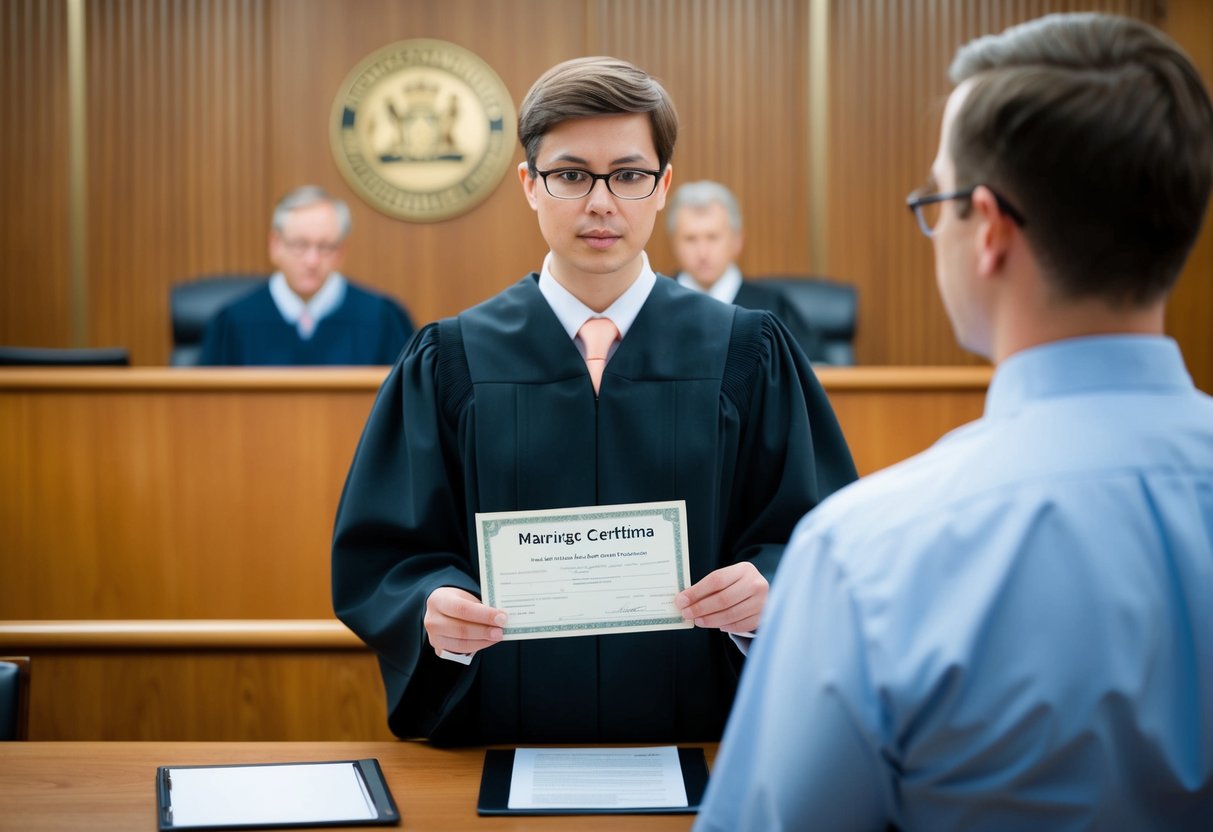
Being truthful about your marital history is crucial when applying for a marriage license. Lying about a previous marriage can lead to serious legal issues, including criminal charges. Here’s what you need to know.
The Role of Honesty in Marriage License Applications
When you apply for a marriage license, you must provide accurate information about your marital status. This includes disclosing any previous marriages. Failing to do this is considered marriage fraud.
Most states require this disclosure to ensure that both parties are legally eligible to marry.
If you have been previously married, you will typically need to show proof of divorce or annulment. This helps to confirm that you are free to marry again.
Not disclosing this information can lead to complications in your marriage’s legal standing. It may even invalidate the license itself if discovered.
Consequences of Committing Marriage Fraud
Committing marriage fraud has significant legal consequences. If you lie about being previously married or falsify documents, you may face charges of perjury. This is a serious offense that can affect both your personal and legal status.
In some cases, marriage fraud can be treated as a federal offense. Consequences can include fines or even imprisonment.
If a court finds that your marriage was based on fraud, it may annul the marriage. This means that the marriage is considered legally void, and you could lose benefits that come with marriage, such as tax breaks or inheritance rights.
Navigating Family Law and Previous Marriages

Understanding family law regarding previous marriages is crucial. If you have undisclosed previous marriages, this can affect matters like child support and the accuracy of marriage records.
The Impact of Undisclosed Previous Marriages on Child Support
If you have children from a previous marriage, it’s essential to disclose this when discussing child support. Child support payments often take into account your entire financial situation.
Failing to mention prior marriages or children can lead to legal troubles later.
When child support is determined, courts consider both parents’ financial obligations. If you are married again without revealing a previous marriage, you might face complications. Your new spouse’s income may be assessed if the court suspects you are concealing information.
Being transparent helps avoid misunderstandings, ensuring that every child receives the support they need.
The Importance of Accurate Marriage Records for Legal Processes
Accurate marriage records are vital for various legal matters. They help prove current marital status and can affect divorce proceedings.
If you didn’t disclose a past marriage, it might not only complicate divorce but also affect the validity of prenuptial agreements.
Courts require proof to determine asset division upon annulment or divorce. Without correct records, your current marriage could face challenges regarding legitimacy.
This is why it’s essential to keep all marriage licenses documented. Ensure that the details in these records are correct to simplify any future legal processes.
Legal Professional Guidance and Support

Seeking legal help is important if you have questions about marriage and previous relationships. A good attorney can provide valuable advice tailored to your situation. Here’s what you need to consider when looking for legal support.
Selecting a Trustworthy Family Law Attorney
When choosing a family law attorney, you want someone who understands your needs. Start by researching their background.
Look for an attorney with years of experience in family law. Check their education and any specific training related to marriage law.
It’s also beneficial to find out if they have recognition in the legal community, such as awards or titles.
Reading reviews can give you insight into their reputation. Don’t hesitate to ask about their Avvo rating, as it represents feedback from clients and peers.
It’s essential to ensure that the attorney is in good standing with their state bar association. This can often be checked on the association’s website.
Understanding Attorney Credentials and Reputation
Understanding the credentials of your potential attorney is key. Look for details about their education and any advanced certifications they have earned.
Consider their work experience, particularly in cases similar to yours. An attorney who has handled issues related to misrepresentation in marriage applications will be more equipped to help you.
Additionally, seek out information on their involvement with professional associations. Participation often indicates a commitment to ongoing education and legal thought leadership.
Check for publications or speaking engagements where the attorney has contributed. Such contributions can signify expertise and respect in the field.
Finally, take note of any peer endorsements. These can provide reassurance that other lawyers value their knowledge and skills in family law.