
Can You Make a Living Off of Photography? Tips for Success in the Industry
If you have a passion for photography, you might wonder if it’s possible to turn that love into a career. Many people dream of making money with photography, capturing beautiful moments and sharing their vision with the world. While it’s challenging to make a steady living solely from photography, you can do it if you’re dedicated and willing to explore different avenues.
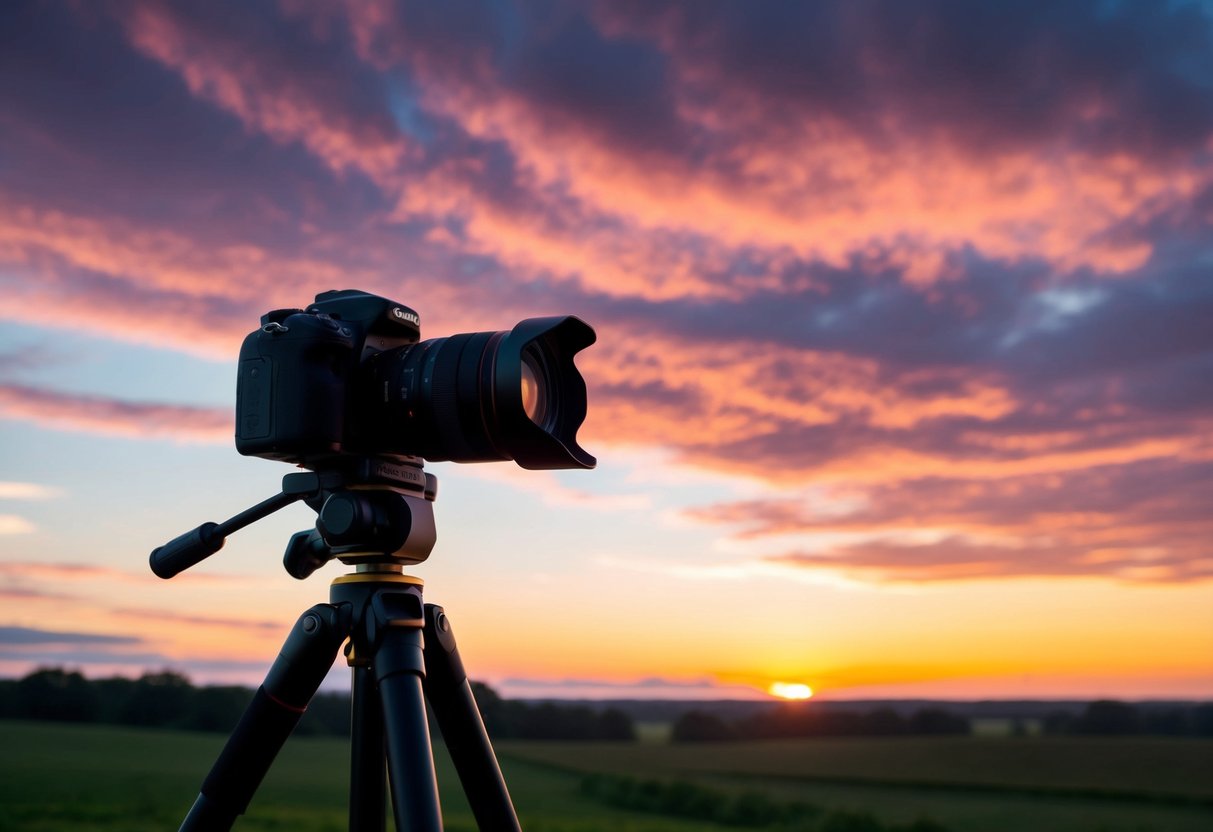
There are various ways to monetize your skills, from portraits and events to selling prints online or writing about photography. Each path can lead you to potential income, depending on your interests and efforts.
With the right strategies and a well-thought-out plan, you can find opportunities that align with your artistic style and professional goals.
The journey to establishing a successful photography career may not be straightforward. Yet, with persistence and a proactive attitude, you can navigate the challenges and create a fulfilling path in the world of photography.
Getting Started in Photography
To begin your journey in photography, focus on developing critical skills, selecting the right gear, and understanding different photography niches. These steps will help you build a solid foundation for your photography career.
Essential Photography Skills
Start by learning the basic skills that every photographer needs. Familiarize yourself with camera settings, such as aperture, shutter speed, and ISO. Understanding these elements is crucial for taking great photos.
Consider taking a photography class to boost your knowledge. Many classes cover essential techniques and provide practical experience through projects. You should practice often to improve your skills, especially in areas like composition and lighting.
Try working with various subjects, like people or landscapes. Experimenting will help you discover what you enjoy, whether it’s portrait photography or travel photography.
Choosing the Right Equipment
Selecting the right gear can feel overwhelming, but it’s essential for your growth. Start with a good camera that fits your budget. Many beginners choose DSLRs or mirrorless cameras for their versatility and image quality.
Lenses are also vital. A 50mm lens is great for portrait photography, while a wide-angle lens is perfect for capturing expansive landscapes. Don’t forget about accessories like a tripod and external flash, which can enhance your shots.
As you grow, consider investing in more specialized equipment for niches like sports photography or wedding photography. Each niche may require different gear to achieve the best results.
Understanding Photography Niches
Photography encompasses various niches, each with unique qualities. Take the time to explore different areas to find what resonates with you.
For instance, portrait photography focuses on capturing people, requiring good communication skills. In contrast, travel photography emphasizes storytelling through images, often combining landscapes and culture.
Sports photography demands quick reflexes and an understanding of the action. Wedding photography involves capturing special moments, requiring both creativity and organization.
Researching each niche will help you decide where your passion lies. As you gain experience, you might even blend different styles to create something uniquely yours.
Building Your Photography Brand
Creating a strong photography brand involves showcasing your work, establishing an online presence, and using effective marketing strategies. These elements help you connect with potential clients and stand out in a competitive market.
Creating a Compelling Portfolio
Your portfolio is your best tool to attract clients. Choose your best work and display a range of styles, if possible. Focus on quality over quantity. Highlight your unique style, themes, or subjects.
Consider using online platforms like stock websites to broaden your reach. Make sure to include detailed descriptions of each photo to inform viewers about your approach and techniques.
A well-organized portfolio can lead to new opportunities. Keep it fresh by updating it regularly with new projects. This way, you show that your skills evolve, which can impress potential clients.
Developing an Online Presence
Having a photography website is essential. It acts as your online business card, showcasing your portfolio and providing contact information. Include an about page to share your story and style, making a personal connection with visitors.
A photography blog can also enhance your online presence. Share stories behind your shoots, photography tips, or tutorials. This not only showcases your expertise but also helps with search engine optimizations.
Don’t forget about social media! Platforms like Instagram and Pinterest can attract followers and clients. Post regularly and engage with your audience to build a community around your brand.
Marketing Strategies for Photographers
Effective marketing makes a big difference in reaching clients. Start by defining your target audience. This helps you tailor your marketing efforts.
Use email marketing to share updates, promotions, or new blog posts with your audience. Create an online store for prints or services, making it easy for clients to purchase.
Participate in local events or workshops to network and gain exposure. Collaborating with other creatives can also be beneficial. Share portfolios or blogs with each other to reach a wider audience.
Remember, consistency in your branding across all platforms is key to building trust and recognition in the market.
Monetizing Your Photography
There are several effective ways to make money as a photographer. By exploring diverse options like stock photography, offering services, and generating passive income, you can turn your passion into a reliable source of earnings. Let’s dive into these strategies.
Selling Stock Photography
Selling stock photography is a great way to earn money from your images. Websites like Shutterstock and Adobe Stock allow you to upload your photos for others to buy.
Focus on popular subjects such as landscapes, food, and people. High-quality images that fulfill a specific demand can sell multiple times.
To succeed, research current trends and keywords that buyers are searching for. This way, you can create content that meets those needs.
Uploading regularly helps keep your portfolio fresh and gives buyers more options.
Offering Photography Services
As a photographer, offering services can be a direct path to income. You might consider becoming a wedding photographer, event photographer, or commercial photographer.
Each type of photography can attract different clients. For instance, weddings can provide lucrative packages, while corporate events may lead to repeat business.
Promote your services through social media, a personal website, or local ads. Make sure to showcase your best work, as this builds trust with potential clients.
Networking with other professionals, like planners and businesses, can lead to referrals and new opportunities.
Generating Passive Income
Generating passive income is a smart way to earn while you sleep. Selling prints of your best images can provide a steady revenue stream.
You might also consider creating online courses or tutorials to share your photography skills. Platforms like Skillshare or Udemy can help you reach a larger audience.
Additionally, consider affiliate marketing by promoting photography gear you love. By sharing your experiences and linking products, you can earn commissions on sales.
Each of these methods allows you to maximize your earnings without needing constant active engagement.
Expanding Your Skill Set and Services

To successfully make a living off photography, it’s essential to expand your skills and services. This helps you reach a wider audience and find new income streams. Here are some key areas to focus on.
Diversifying into Different Photography Types
You can increase your earning potential by exploring various types of photography. Start with food photography to work with local restaurants or food brands. This genre is booming with social media. Next, consider real estate photography. High-quality images of homes are in demand for listings.
Don’t forget about sports photography if you enjoy action shots. Capture local events or school sports for exposure. You can also delve into fashion photography. Collaborate with local boutiques for modeling shoots. Lastly, specialize in wildlife or landscape photography for outdoor enthusiasts. Each niche can lead to unique job opportunities and clients.
Advanced Photography Workshops and Training
Investing in your education is crucial. Look for photography workshops that focus on advanced techniques, such as aerial photography or photojournalism. Many schools or local studios offer classes where you can learn new skills and meet fellow photographers.
Additionally, consider hosting your workshops. Sharing your knowledge can attract clients and build your reputation. Make these workshops memorable by offering hands-on experiences. Include sessions on taking stunning fine art photography shots to help attendees develop a unique style.
Exploring Innovative Avenues like NFTs
As technology evolves, your photography business should evolve too. Explore the world of NFTs (non-fungible tokens). This digital trend allows you to sell your artwork online as unique assets.
Research platforms like OpenSea or Rarible to get started.
Creating digital art or unique photography pieces as NFTs can open up a new income stream. You can promote your work through social media and engage with interested buyers. This innovative approach can set you apart from traditional photographers and attract younger audiences.
Diversifying your skills and being open to new opportunities can help you thrive in the evolving photography market.