
Can You Marry and Not Tell Anyone? Exploring the Secrets of Silent Weddings
Imagine getting married and keeping it a secret from everyone in your life. Yes, you can legally marry and not tell anyone, but it comes with important considerations. Whether it’s to avoid family drama or simply for personal reasons, keeping your marriage under wraps can lead to complications.
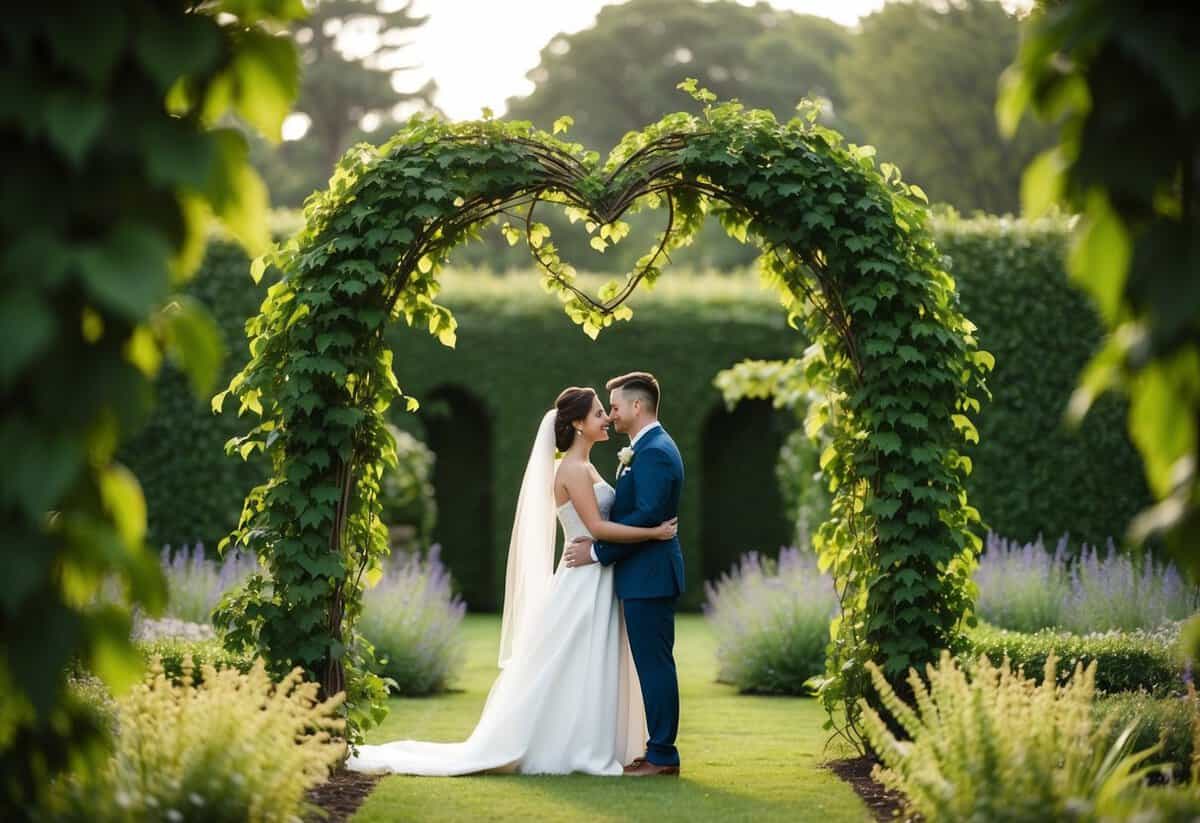
You may wonder about the legal implications and whether your union would hold up if it’s not disclosed to anyone. The state laws can play a significant role in who needs to know about your marriage. Engaging in a secret marriage might not fully protect you from legal issues that could arise later.
As you read on, you will discover the practical steps you need to take if you choose this path, along with the potential risks involved. Understanding these factors will help you make an informed decision about your hidden vows.
Understanding the Concept of Marriage
Marriage is a significant commitment that involves both emotional and legal aspects. It typically requires mutual consent and adherence to legal guidelines. Understanding these elements is crucial for anyone considering marriage.
Defining Marriage and Consent
Marriage is often defined as a union between two individuals who promise to share their lives together. This partnership is based on love, trust, and mutual agreement. Consent is essential, meaning both parties must agree to the union without any pressure.
It is important to understand that simply being in a relationship does not equate to marriage. A formal agreement and often a ceremony are involved. Consent is not just a formality; it is a deep commitment that shapes the couple’s future.
The Legal Requirements for Marriage
To get married legally, you generally need to obtain a marriage license. This document is issued by a local government, allowing you to marry. Requirements can vary by location, so it is wise to check local laws.
Most jurisdictions also require witnesses at the ceremony. These witnesses can confirm that the marriage took place voluntarily, ensuring that consent was given. Failing to meet these legal criteria can result in an invalid marriage, highlighting the importance of understanding what is necessary when considering this commitment.
The Social and Familial Aspects of Marriage

Marriage is not just a legal union; it also ties into family dynamics and social connections. You might wonder how family involvement and social interactions affect your decision to marry or keep it a secret.
Family Involvement and Expectations
Family often plays a big role in marriage. From a young age, you may face expectations regarding who you should marry and when. Families might have their own ideas about traditions and values that can influence your choices.
When you decide to marry, family support can be both a blessing and a challenge. Open discussions about your intentions can ease tensions. However, keeping your marriage a secret might lead to misunderstandings or hurt feelings. Some families might not understand your reasons for wanting privacy, which could create distance.
Marriage and Social Dynamics
Marriage can shift your social circles. When you marry, you often find yourself interacting with your spouse’s family and friends. This can expand your social network, but it might also bring pressure to conform to new expectations.
Additionally, being married might change how others perceive you. Friends may treat you differently, as people often view married individuals as more stable and committed. This change can influence your relationships, leading to new support systems or even social isolation if your life choices differ from your peers.
Marrying in Secrecy: Pros, Cons, and Consequences
Choosing to marry in secret can feel exciting and refreshing. However, it also comes with important factors to consider. Here are some reasons people choose this path and the possible consequences that can arise.
Reasons for Marrying in Secret
Many couples decide to marry in secret for various personal reasons. One common motivation is privacy. You may want to keep your life private, away from social pressures and expectations.
Some couples might face cultural or familial obstacles. They may worry that their families won’t support their decision to marry. Another reason could be related to work or legal issues. For instance, marrying could affect your job status or benefits, prompting you to keep it under wraps.
Travel is another consideration. If you plan to travel soon after your wedding, you might prefer to marry discreetly to avoid scrutiny. In some cases, people feel that a secret marriage allows them to enjoy their love without external distractions.
Potential Consequences of Secret Marriages
While marrying in secrecy may seem appealing, you need to think about the potential consequences. Trust issues can arise. Keeping such a significant event hidden may lead to misunderstandings or feelings of resentment later on.
There can also be legal challenges. Many places require a marriage certificate for certain legal rights or benefits. If your marriage goes unnoticed, you may miss out on these opportunities.
Social stigma is another important factor. Friends and family might feel hurt or confused if they find out about your secret marriage later. This can create distance in relationships that matter to you.
Spiritual Perspectives on Marriage

Understanding the spiritual aspects of marriage is essential in many cultures. For many, it represents more than just a legal agreement; it’s often seen as a sacred bond guided by spiritual principles, especially in Islam.
Marriage in Islamic Law
In Islamic tradition, marriage, or nikah, is not just a contract but a significant spiritual commitment. It symbolizes a union ordained by Allah, meant to foster love and compassion. The nikah is performed publicly and includes specific rituals to uphold its sanctity. Islamic law emphasizes the importance of mutual rights and responsibilities in this union, ensuring a balanced relationship.
The Importance of Tawba and Repentance
Tawba, or repentance, plays a vital role in Islamic spirituality. When entering marriage, seeking forgiveness for past mistakes is essential. This act not only cleanses your heart but also prepares you for a new beginning. It allows you to approach your spouse with a clear conscience and a pure spirit. Embracing tawba helps cultivate pious descendants by setting a strong foundation of faith in your family. As you grow together, it’s important to remember that seeking forgiveness from Allah strengthens your marriage bond and enhances your spiritual journey together.
Seeking Guidance through Istikhara
Before making significant decisions, including marriage, many Muslims turn to Istikhara, the prayer of seeking guidance. This special prayer asks Allah for clarity to choose the best path for your life.
When you perform Istikhara, you submit your uncertainties and trust in divine wisdom. Taking this step before marriage helps alleviate doubts, allowing you to feel more confident in your choice.
By seeking this guidance, you align your decision-making with spiritual values, fostering a deeper connection not just with your partner but with Allah as well.