
Can You Marry Someone in Another Country If You’re Already Married? Understanding the Legalities and Implications
If you’re considering marrying someone while already being married, you might wonder about the rules in different countries. In many places, you cannot legally marry someone else if you are still married, as this is considered bigamy.
It’s important to understand how marriage laws vary from one country to another, as what is acceptable in one place may not be in another.
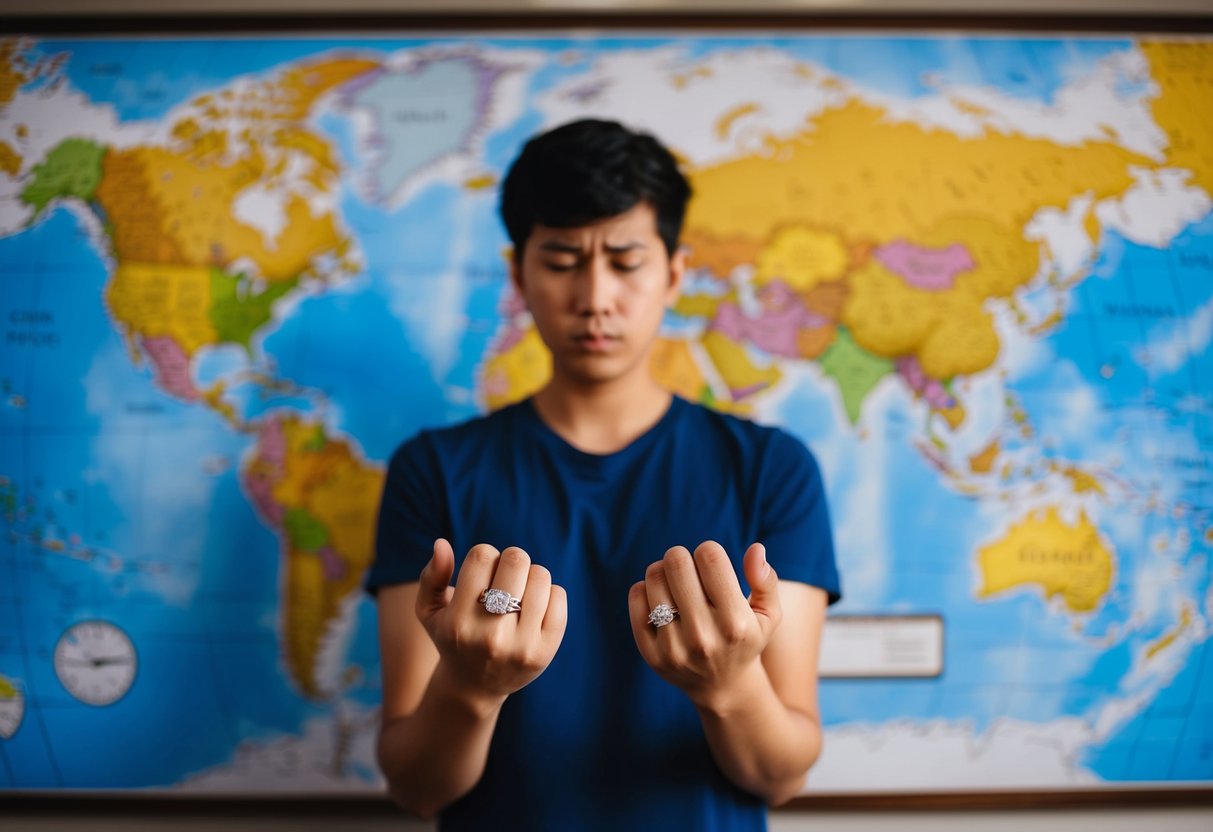
Some countries may recognize polygamy, allowing you to marry multiple partners. However, if you return to your original country, that marriage might not be recognized, leading to complicated legal issues.
It’s crucial to know the laws of the country where you plan to marry before making any decisions.
Navigating love across borders can be exciting but also legally tricky. Knowing the rules can help you avoid misunderstandings and potential legal problems down the line.
Understanding International Marriage Laws
When considering marriage in another country, it’s essential to grasp the specific laws that govern such unions. The rules can differ widely based on the country where you intend to marry.
Understanding these laws can help you navigate potential challenges, especially if you’re already married.
The Basics of Getting Married Abroad
To get married in another country, you must first know the local marriage laws. Each country has its own requirements for legal marriage.
This might include obtaining a marriage license, providing identification, or getting documents translated.
It’s crucial to prepare all necessary documents ahead of time. Requirements may include:
- Valid passport
- Birth certificates
- Proof of divorce if previously married
Also, ensure you have an authorized local officiant for the ceremony.
If you follow these steps, your marriage is likely to be recognized later, but always check local laws in advance.
Legal Implications of a Foreign Marriage
Marrying someone in another country while already married can complicate your legal status. Many countries require proof that any previous marriage is legally dissolved before allowing a new marriage.
If you attempt to marry while still legally married in your home country, you could face serious consequences. Issues may arise around immigration law if you plan to bring your new spouse to your country.
It’s wise to consult a family law attorney familiar with international marriages. They can guide you on how your marriage might affect your legal standing and responsibilities in your home country.
The Consequences of Bigamy
Bigamy can lead to serious legal troubles, especially if you are already married in the U.S. Understanding bigamy’s definition and its legal repercussions is essential. You also need to know how divorce or annulment may fit into your situation.
Defining Bigamy and Its Legal Repercussions
Bigamy occurs when someone marries another person while still legally married. In the U.S., this act is considered a crime and can result in felony charges. The legal implications may vary by state, but punishment often includes fines and possible jail time.
If you marry someone in another country while already married, you may face complications. Many countries do not recognize marriages that violate their bigamy laws. This can affect your civil marriage status and complicate family law if you seek divorce or legal separation.
Understanding Divorce and Annulment
If you find yourself in a situation of bigamy, it’s crucial to consult a legal professional. They can explain your options for divorce or annulment.
A divorce legally ends the marriage, while an annulment declares it invalid from the start.
When filing for divorce in your state, be aware of marriage requirements. Some states may have specific processes for cases involving bigamy.
Getting advice from your state bar association can help clarify these legal pathways and ensure you comply with local laws.
Preparing for Marriage to a Non-U.S. Citizen

When planning to marry someone from another country, it’s essential to focus on visa and residency requirements, as well as the cultural and legal documents needed for your union. Here are some important things to consider as you prepare.
Visa and Residency Considerations
If you’re marrying a non-U.S. citizen, understanding visa options is crucial.
A popular choice is the K-1 visa, which allows your fiancé(e) to enter the U.S. for marriage. After the wedding, they can apply for permanent residency.
Alternatively, if you are getting married abroad, consider consular processing. This means starting the process through a U.S. embassy or consulate in the other country.
Check the specific requirements for the country where you plan to marry.
You’ll also need to gather necessary documents, such as proof of your citizenship and a certificate of eligibility to marry. Health certificates may also be required in some countries.
Cultural and Legal Documentation
Cultural norms and legal requirements vary widely around the world. Make sure to research the laws in your partner’s country.
Some places may require additional documents or specific procedures for marriage.
Important documents to obtain might include:
- Birth certificates
- Proof of single status
- Divorce decrees, if applicable
If you choose a destination wedding, confirm what is legally needed to ensure the marriage is valid in both countries. Each location may have different requirements, so preparation is key.
Evaluating Legal Expertise and Support

When considering marriage in another country while already being married, it’s crucial to find the right legal support. Understanding the qualifications of lawyers who specialize in family law is essential. This ensures that your situation is handled correctly and efficiently.
Selecting the Right Family Law Attorney
Choosing the right family law attorney can make a big difference in your case.
Look for an attorney with a strong Avvo rating. This rating shows their reputation based on client reviews and peer endorsements. An attorney with a high rating likely has a good track record and is recognized in the legal community.
Experience also matters.
Consider how many years the attorney has been licensed and their work history. An attorney with extensive experience in international marriage and divorce will be better equipped to help you navigate potential legal issues.
Pay attention to their education and any publications they may have written, as these can demonstrate their knowledge and authority in the field.
Understanding Legal Community Credentials
Recognizing the credentials that indicate a lawyer’s standing in the legal community is essential. Look for information about an attorney’s disciplinary status. This can tell you if they have had any issues with their professional conduct. You want to work with someone who has a clean record.
Participation in speaking engagements and contributions to legal thought leadership can also highlight their expertise. These activities show that the attorney is engaged with current trends in family law. A lawyer involved in such activities can provide insight and innovative solutions to your legal challenges.
Always research and compare several attorneys to find one that fits your needs best.