
Can You Organize Your Own Wedding? Tips for a Stress-Free Celebration
Planning your own wedding might seem overwhelming, but you can absolutely organize your own wedding and create a day that reflects your unique style. The key is to break it down into manageable steps.
Start by creating a wedding planning guide to help you stay organized and focused throughout the journey.
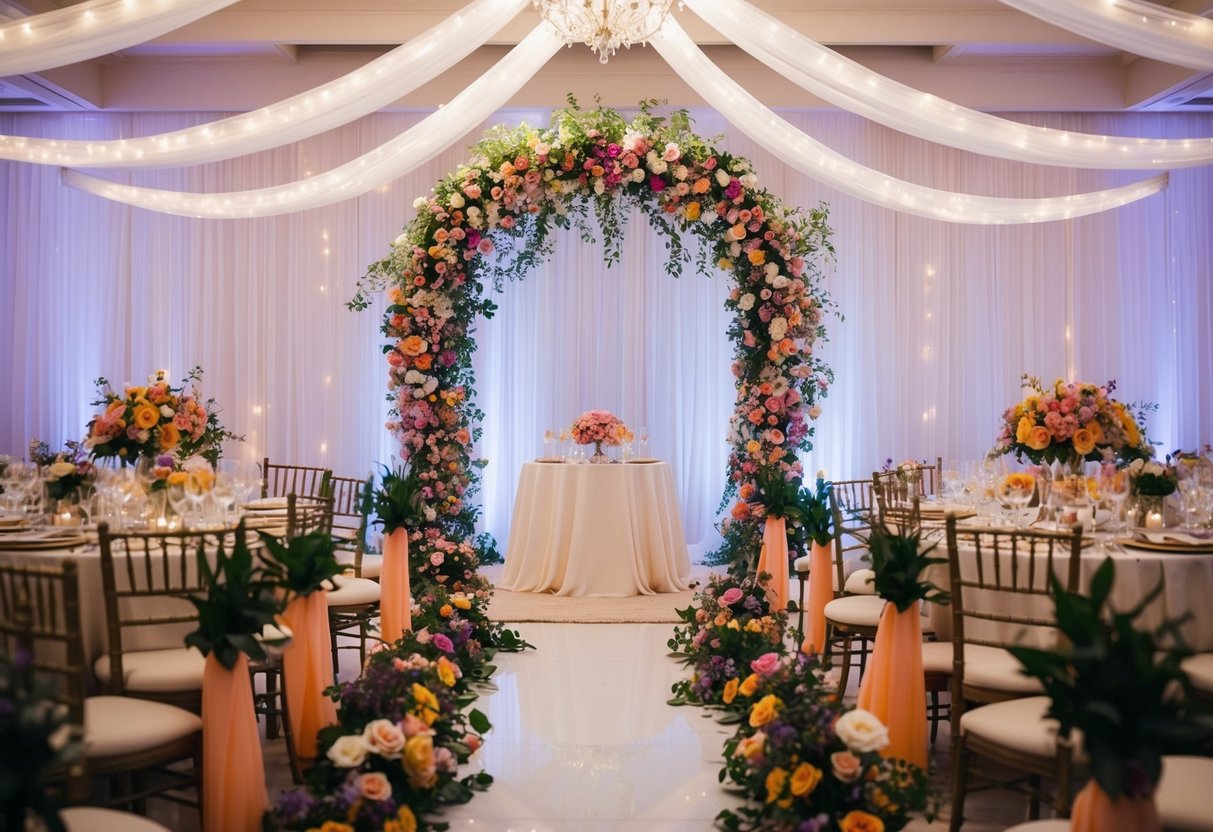
You’ll want to think about all the important details like choosing a date, selecting a venue, and planning your guest list. Each decision you make brings you closer to your dream day.
With the right approach and plenty of resources available, you can navigate the wedding planning process with ease and confidence.
Whether you’re excited about picking out flowers or designing your invitations, remember that this is your special day. Embrace the process of planning a wedding and enjoy the wonderful moments along the way!
Setting the Foundation
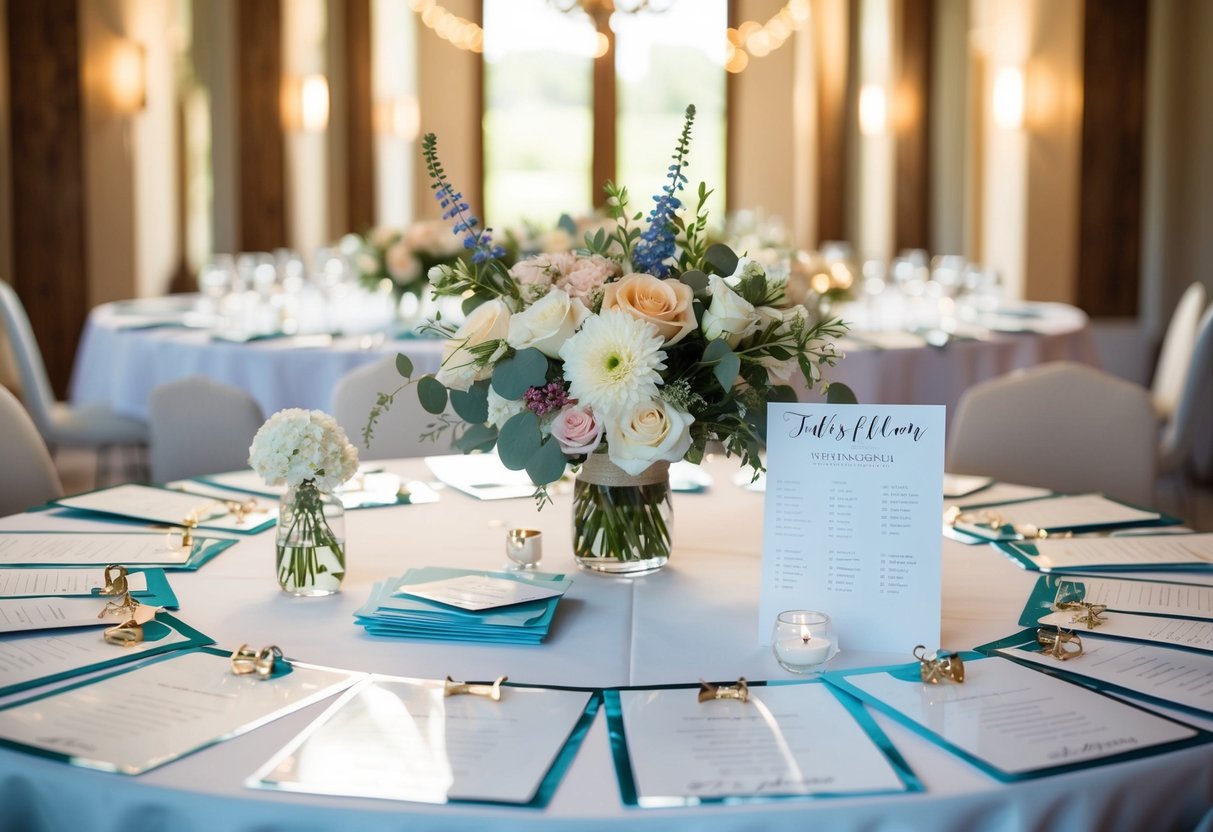
To organize your own wedding successfully, you need to set a strong foundation. This involves making key decisions about your wedding date, establishing a budget, and creating a guest list. Each of these steps is essential for shaping your overall plan.
Choosing Your Wedding Date
Selecting the right wedding date is one of the first steps. Consider the seasons and weather conditions you prefer. Popular months may require early bookings for venues and vendors.
You should also think about special dates, such as anniversaries or holidays, which can add meaning. Use a wedding checklist to track deadlines for securing the venue and sending out invitations. Don’t forget to check the availability of important guests!
Establishing the Budget
Your wedding budget will guide many of your decisions. Start by setting a total amount you’re comfortable spending.
Break this down into categories like venue, food, and attire. A simple budget tracker can help you keep an eye on expenses.
Prioritize what matters most to you. If having a great photographer is important, allocate funds accordingly. Always leave some room for unexpected costs. Tracking your spending closely will help you stay within your established limits.
Creating Your Guest List
Creating your guest list can be tricky but is necessary for planning. Begin with close family and friends, then expand to acquaintances. Your venue capacity and budget will influence how large your guest list can be.
Think about how to divide the list between both families. Once you have a draft, review it to ensure it meets your priorities. This is also a good time to decide who will enjoy your special day the most. Sending out save-the-dates will help you manage RSVPs later on.
Designing Your Dream Wedding
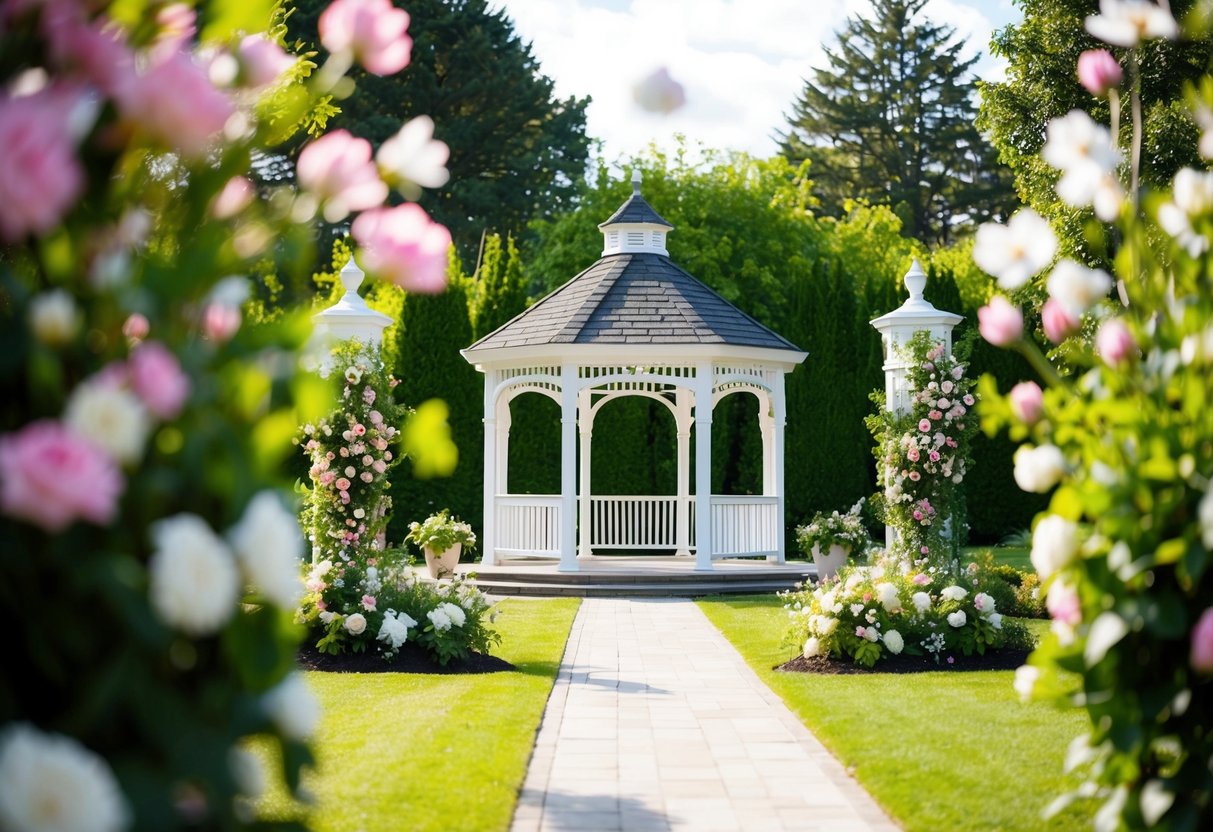
Creating your dream wedding starts with a clear vision of what you want. By focusing on key elements like theme, venue, and details, you can make choices that reflect your unique style and preferences. Let’s dive into how to bring your wedding vision to life.
Selecting a Theme and Style
Choosing a theme sets the tone for your wedding day. Think about what resonates with you and your partner. Popular options include romantic, rustic, beach, or vintage themes.
- Inspiration Sources: Look at wedding blogs, Pinterest, and magazines for ideas.
- Color Palette: Pick colors that complement your theme. Consider using bold colors or soft pastels.
- Personal Touches: Incorporate elements that reflect your personality, like custom decorations or unique favors.
Your theme will guide many decisions, so take time to find what feels right for both of you.
Finding the Perfect Venue
The venue is one of the most important decisions for your wedding. It needs to match your theme and accommodate your guest list.
- Types of Venues: Consider options like rustic barn venues, elegant ballrooms, or outdoor spaces. Each offers a different atmosphere.
- Capacity: Ensure the venue can comfortably host all your guests. It’s better to have some extra space than to feel cramped.
- Location: Think about accessibility for your guests. Easy parking and nearby accommodations can enhance their experience.
Visit several places to get a feel for what works for your vision.
Planning the Ceremony and Reception Details
The ceremony and reception are where your theme truly comes to life. Focus on details that enhance the experience for you and your guests.
- Ceremony Setup: Arrange seating that encourages intimacy. A beautiful backdrop is essential for photos.
- Reception Layout: Organize tables to promote conversations. Consider a mix of seating styles, like traditional and lounge areas.
- Decorations: Use floral arrangements, lighting, and table settings that complement your theme. Unique centerpieces can also add charm.
Planning these details thoughtfully makes your wedding feel cohesive and special.
The Essential Checklist
Planning your own wedding is an exciting journey. To keep everything organized, having a detailed checklist is key. This checklist will help you manage your attire, book the right vendors, and finalize your invitations, ensuring nothing important slips through the cracks.
Curating Your Wedding Attire
Choosing your wedding attire is one of the most enjoyable parts of planning. Start with your wedding dress. Visit bridal shops and try on various styles until you find the one that makes you feel special.
Don’t forget about accessories! Consider adding a veil or jewelry to complete your look.
Next, think about your partner’s attire. A well-fitted suit or tuxedo is essential. Choose colors that complement your dress.
Also, remember the bridal party. Coordinate their attire to match the wedding theme. You may also want to select wedding rings. Spend time finding rings that reflect your style and budget.
Booking Vendors and Managing Contracts
Finding and hiring vendors is crucial for your big day. Start with a wedding planner if your budget allows, as they can save you time and stress.
Look for reputable wedding photographers and read reviews to ensure you capture your special moments.
Create a list of needed services, which may include a florist, caterer, and entertainment. Reach out to potential vendors and ask for quotes.
Don’t forget to ask about their cancellation policy. Once you pick your vendors, ensure you get everything in writing. Keep all contracts in a designated folder so you can easily refer back to them.
Finalizing Invitations and Day-Of Stationery
Your wedding invitations set an important tone for your event. Choose an attractive design that reflects your style and wedding theme. Include essential details such as the date, time, and location.
Once you’ve selected a design, consider adding RSVP cards. This will help you get a reliable headcount for your big day.
Don’t overlook day-of stationery such as programs, place cards, and menus. These items enhance the experience for your guests and keep everyone informed. Make sure to proofread all text before printing to avoid any errors.
The Big Day and Beyond
Planning your wedding involves more than just the main event. You’ll need to think about the timeline for the day, coordinate any pre-wedding parties, and even consider tasks for after the wedding.
Crafting a Wedding Day Timeline
Creating a detailed wedding day timeline is vital. It helps reduce stress and keeps everything on track.
Start by defining key moments, like the ceremony start time and reception details.
Include when vendors arrive, such as your wedding officiant and photographer. A well-structured schedule ensures you have time for everything, from hair and makeup to family photos.
Example Timeline:
- 8:00 AM: Hair and makeup.
- 10:30 AM: Photographer arrives.
- 1:30 PM: Guests begin to arrive.
- 2:00 PM: Ceremony starts.
Remember to share the final timeline with your bridal party and vendors. This way, everyone knows where to be and when.
Coordinating Pre-Wedding Events
Pre-wedding events, like bridal showers and bachelorette parties, also need planning. Decide the dates well in advance to ensure your closest friends can attend.
Consider using a wedding registry to simplify gift-giving at these events. Providing guests with ideas makes it easier for them to choose something you’ll love.
For the bridal shower, coordinate with a trusted friend to handle invites and logistics. You can also think about small touches like personalized wedding favors to thank attendees.
Considering Post-Wedding Tasks
After the wedding, you still have some tasks on your list. First, make sure you obtain your marriage license if you haven’t already. Check the local requirements to ensure you follow the proper steps.
Next, think about your wedding dress and any rented items. Decide if you want to preserve your dress or return rentals promptly.
Finally, take the time to send out thank-you notes to everyone who gifted you or helped on your big day.
Staying organized with these post-wedding tasks can help you fully enjoy the memories you made.