
Can You Wear White to a Wedding Brunch? Tips for Dressing Stylishly and Appropriately
Weddings are joyful events where guests want to look their best, but the question often arises: can you wear white to a wedding brunch? The answer is generally no, as white is traditionally reserved for the bride. This rule helps honor the special role of the bride on her big day.

That said, weddings can have different traditions and styles. If you’re unsure, it’s best to consider your relationship with the couple and the overall vibe of the wedding.
Some brides may be more relaxed about the dress code, especially for daytime events like brunch.
Ultimately, you want to feel comfortable and respectful while celebrating with friends and family. Understanding the unwritten rules of wedding attire can help you make the right choice and enjoy the occasion to the fullest.
Understanding Oceanography

Oceanography is the study of the ocean and its many aspects. As you explore this field, you’ll find it connects with various sciences like marine biology, geology, chemistry, and physics.
You may wonder what oceanographers do. They study everything from ocean currents to marine life. Their work helps us understand how the ocean affects climate and ecosystems.
Marine biologists focus on living organisms in the sea. They look at how species interact and adapt to their environments. This is crucial for maintaining healthy oceans.
Geologists examine the ocean floor and its structure. They learn about sediment layers and underwater features. This information helps us understand earth processes and plate tectonics.
Chemistry also plays a big role. Ocean chemists study water composition and how pollutants affect ocean health. This knowledge is vital for protecting marine ecosystems.
Physics is also important in oceanography. Ocean physicists study waves, tides, and the atmosphere’s impact on the ocean. Understanding these elements helps predict weather patterns and climate change.
The Role of Oceanographers

Oceanographers play a crucial role in understanding our oceans and their ecosystems. They conduct research, promote conservation, and engage in education to raise awareness about marine life and the importance of healthy oceans. Here’s how they make an impact.
Research and Exploration
As an oceanographer, you dive into the depths of the ocean to study diverse marine ecosystems. Your research can involve collecting data on water quality, temperature, and salinity. This helps to understand how changes in the environment affect marine organisms.
Fieldwork can mean visiting coastal areas, deep-sea locations, or even working on research vessels.
You might explore underwater habitats, document species, and gather samples for analysis. This hands-on approach is essential for expanding knowledge on marine life and ecosystems.
Your findings can highlight critical issues like climate change, pollution, and habitat loss. By sharing this information, you contribute to the global conversation about ocean health and sustainability.
Marine Conservation
Conservation is a significant focus for oceanographers. You work on projects that aim to protect vulnerable species and habitats.
Your efforts might include studying endangered marine organisms or designing marine protected areas. These protected spaces can support the recovery of fish populations and preserve unique habitats. Understanding the delicate balance of marine ecosystems is essential for effective conservation strategies.
By collaborating with governments, NGOs, and local communities, you help promote policies that support ocean health. Your work can lead to better management of marine resources and sustainable practices.
Education and Outreach
Education and outreach are also critical parts of your role. You share your knowledge with the public, schools, and local communities.
This can involve giving talks, creating educational materials, or leading workshops.
By simplifying complex concepts, you make marine science accessible to everyone. Engaging your audience helps foster a sense of responsibility for ocean health. You inspire others to get involved in conservation efforts and develop a passion for marine life.
By using social media and community events, you raise awareness about marine issues. Your goal is to encourage positive action that contributes to the well-being of oceans for future generations.
Challenges in Oceanography

Understanding the challenges in oceanography is vital. You will explore the environmental issues and the technological advancements that can help navigate these challenges.
Environmental Impact
The ocean faces several threats that you should be aware of. Pollution from plastics and chemicals harms marine life and ecosystems. Many creatures confuse plastic with food, leading to ingestion and often death.
Additionally, overfishing disrupts the balance of ocean life. When fish populations decline, it alters food chains and affects other species. This is closely linked to climate change, as rising temperatures impact habitats like coral reefs.
Coastal development further strains oceanic health. As areas are developed, natural habitats are destroyed, increasing sediment and runoff, which can suffocate marine habitats. Protecting the ocean requires understanding these interconnected issues.
Technological Advancements
To tackle ocean challenges, many technological advancements are emerging.
Remote sensing allows scientists to monitor ocean currents and weather patterns efficiently. This technology helps predict waves and inform shipping routes, improving safety at sea.
Drones and underwater robots are becoming essential. They can collect data from hard-to-reach areas, offering insights into ocean health.
You might also find artificial intelligence useful in analyzing vast amounts of data, helping to identify trends in pollution or climate impact.
These tools play a significant role in conservation efforts. Combining technology with awareness can lead to a healthier ocean environment, supporting both marine life and human activities.
Careers in Oceanography
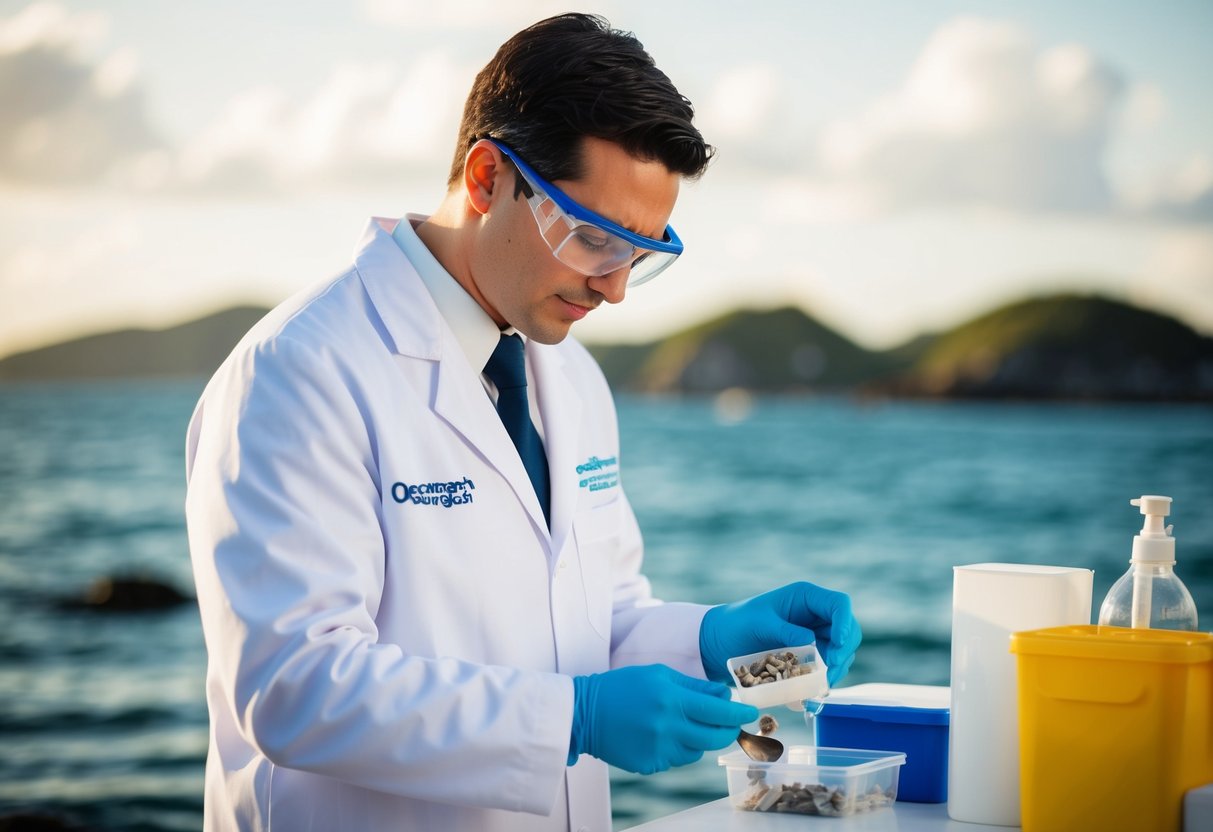
Oceanography offers diverse career opportunities, focusing on various specialized areas. Understanding different specializations, necessary educational paths, and insights about the job market can help you navigate this dynamic field.
Oceanographer Specializations
As an oceanographer, you can choose from several specializations. Here are the main types:
-
Biological Oceanographers: They study marine organisms and ecosystems. Their work often involves field research and laboratory analysis.
-
Chemical Oceanographers: They explore the chemical composition of ocean waters. They also examine how chemicals affect marine life and the environment.
-
Physical Oceanographers: They focus on ocean currents, waves, and tides. Their research helps understand climate change’s impact on ocean dynamics.
-
Geological Oceanographers: They study the ocean floor and geological processes. This includes examining underwater landforms and sediments.
Each specialization has unique research projects and approaches, making the field interesting and varied.
Educational Paths
To become an oceanographer, pursuing higher education is essential. Most positions require at least a master’s degree in oceanography or a related field like earth science. Here are the typical steps:
-
Bachelor’s Degree: Start with an undergraduate degree in marine biology, environmental science, or geology.
-
Master’s Degree: A master’s program allows you to focus on a specific area, such as biological or chemical oceanography.
-
Doctorate (optional): Some may pursue a Ph.D. for advanced research roles or teaching positions in universities.
Internships and research experiences are valuable, helping you gain hands-on skills and useful connections in the industry.
Job Market Insights
Oceanographers can expect a promising job market. Growth is expected in the coming years. Factors driving this increase include climate change research and marine resource management.
-
Job Growth: Experts project that positions in oceanography will grow as environmental issues gain importance.
-
Oceanographer Salary: Salaries vary based on specialization and experience. But generally, they range from $50,000 to $100,000 per year.
-
Interdisciplinary Work: Many oceanographers collaborate with professionals from various fields. This interdisciplinary approach enhances research projects and solutions.
Staying updated with new developments in oceanography can help you seize opportunities as they arise.