
Canon in D Wedding: Ceremony Music Guide
Canon in D is a strong choice for couples who want a graceful ceremony song with a steady flow that supports guest seating, the bridal procession, and a memorable entrance. Johann Pachelbel’s familiar melody feels warm and formal, while its repeating structure gives your musicians or DJ room to fit the music to your ceremony timing.
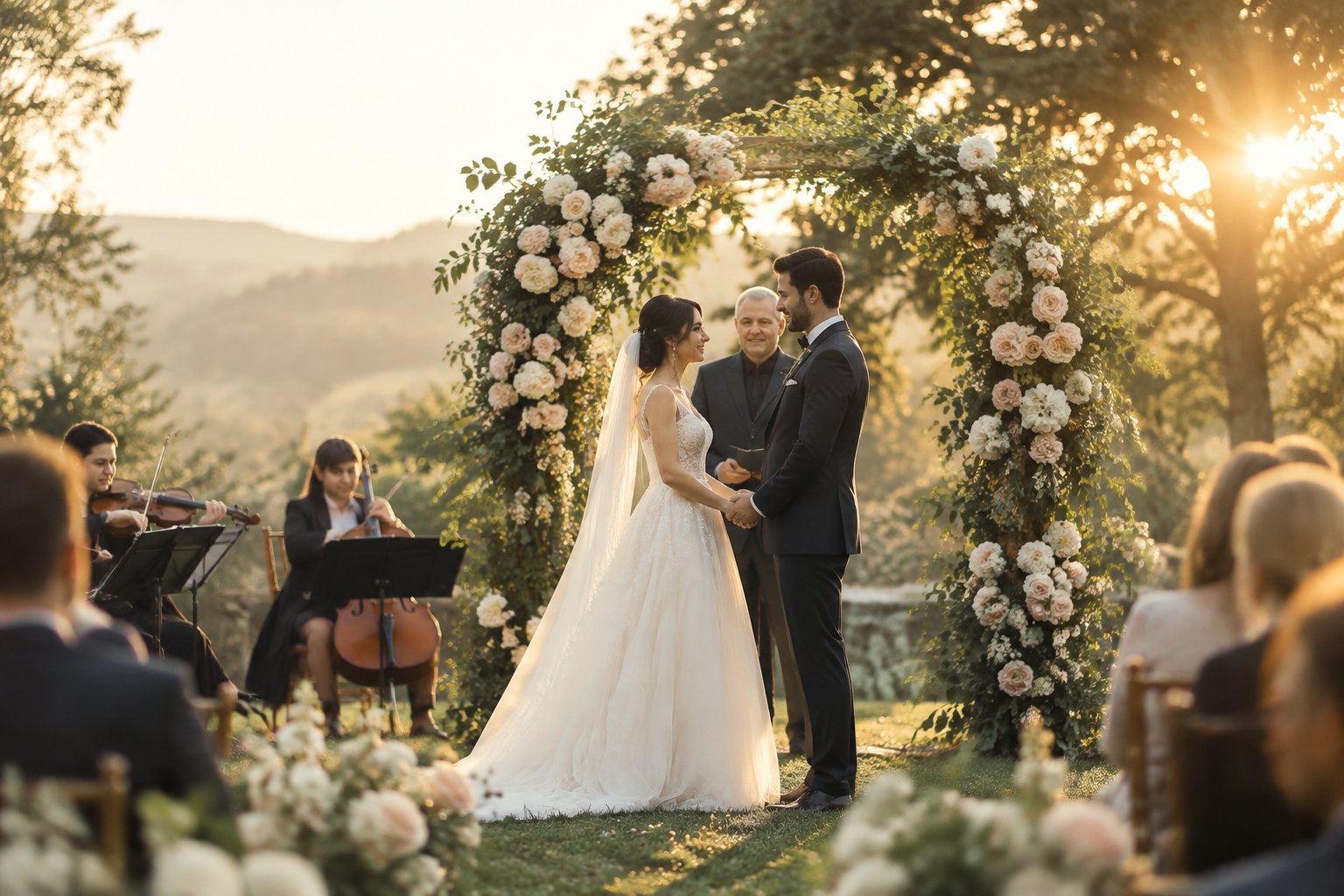
The best Canon in D wedding version depends on your venue, processional length, and personal style. A string arrangement suits a classic ceremony, while piano, cello, guitar, or a modern recording lets you shape the sound around your celebration. Choose your version early, then ask your musicians, DJ, or coordinator to plan the entrance cue with you.
Why Canon in D Works So Well for a Wedding
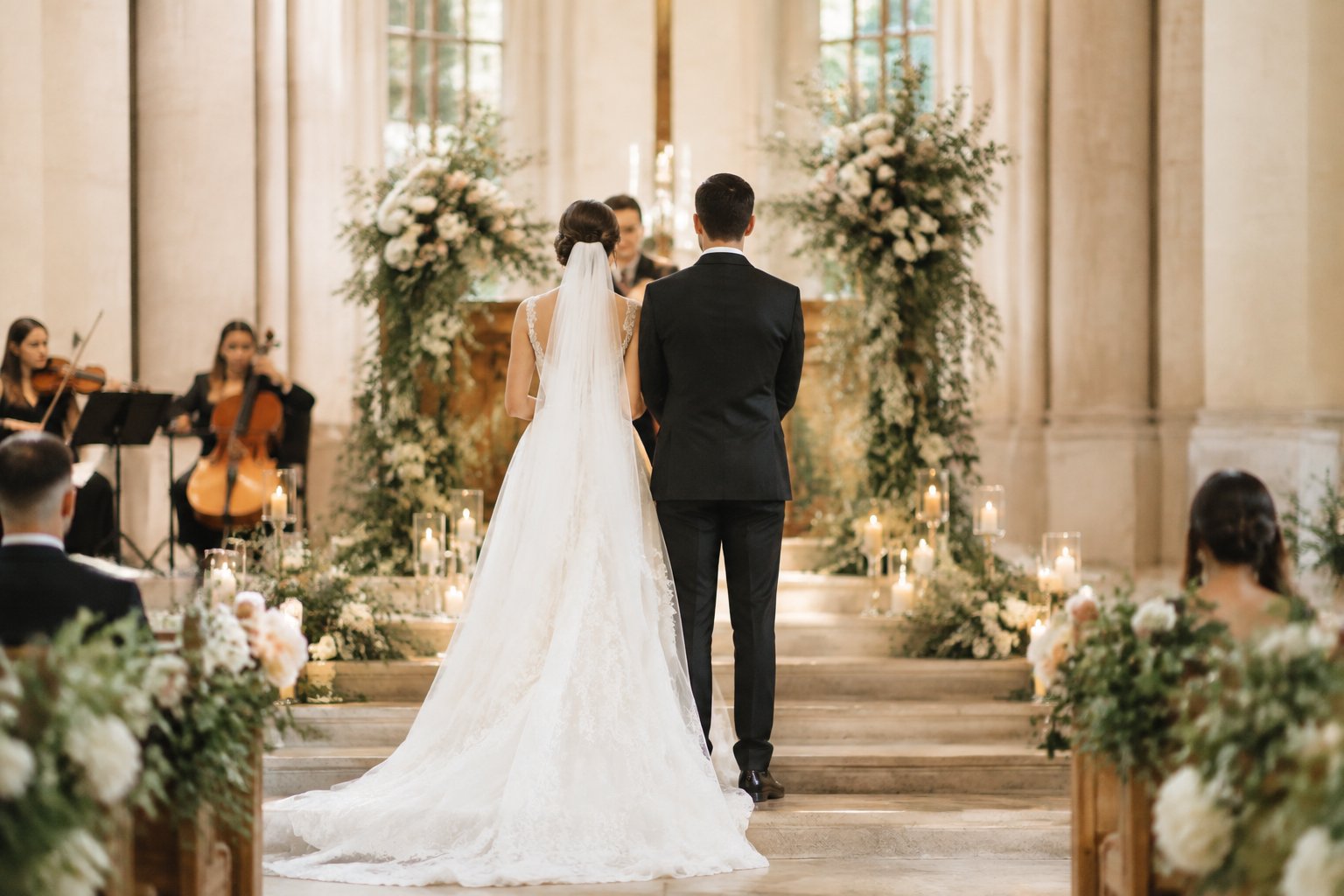
Canon in D works well for weddings because its flowing melody creates a calm entrance while its repeating progression supports flexible timing. You can use a short excerpt for guest arrival or extend the piece through several processional entries without losing its musical shape.
The Sound and Structure Behind Its Emotional Pull
Canon in D uses a repeating bass pattern beneath layers of melody. As more musical lines enter, the piece builds gentle energy without becoming too dramatic for a ceremony.
That steady movement gives your guests a clear sense that the event is beginning. The music also leaves space for conversation, movement, and spoken moments.
A soft arrangement can welcome guests before the ceremony, while fuller strings can give the bridal procession more presence. Its familiar sound carries elegance without requiring lyrics, helping the music support your vows and readings without competing with their meaning.
How Johann Pachelbel’s Baroque Piece Became a Wedding Staple
Johann Pachelbel wrote Canon in D as a Baroque chamber work, with a design built around repeating musical patterns. The piece had no original connection to wedding ceremonies.
Its modern wedding role grew through popular recordings and arrangements, especially versions for string ensembles. The recognizable melody now appears in wedding ceremonies across the United States.
Couples choose it because listeners understand its mood quickly, while performers can adapt the length, tempo, and instruments to fit the venue. Its long association with ceremonies also makes it easy for musicians and coordinators to recognize.
Share the exact recording or arrangement you want so everyone works from the same musical reference.
When Should You Play It During the Ceremony?
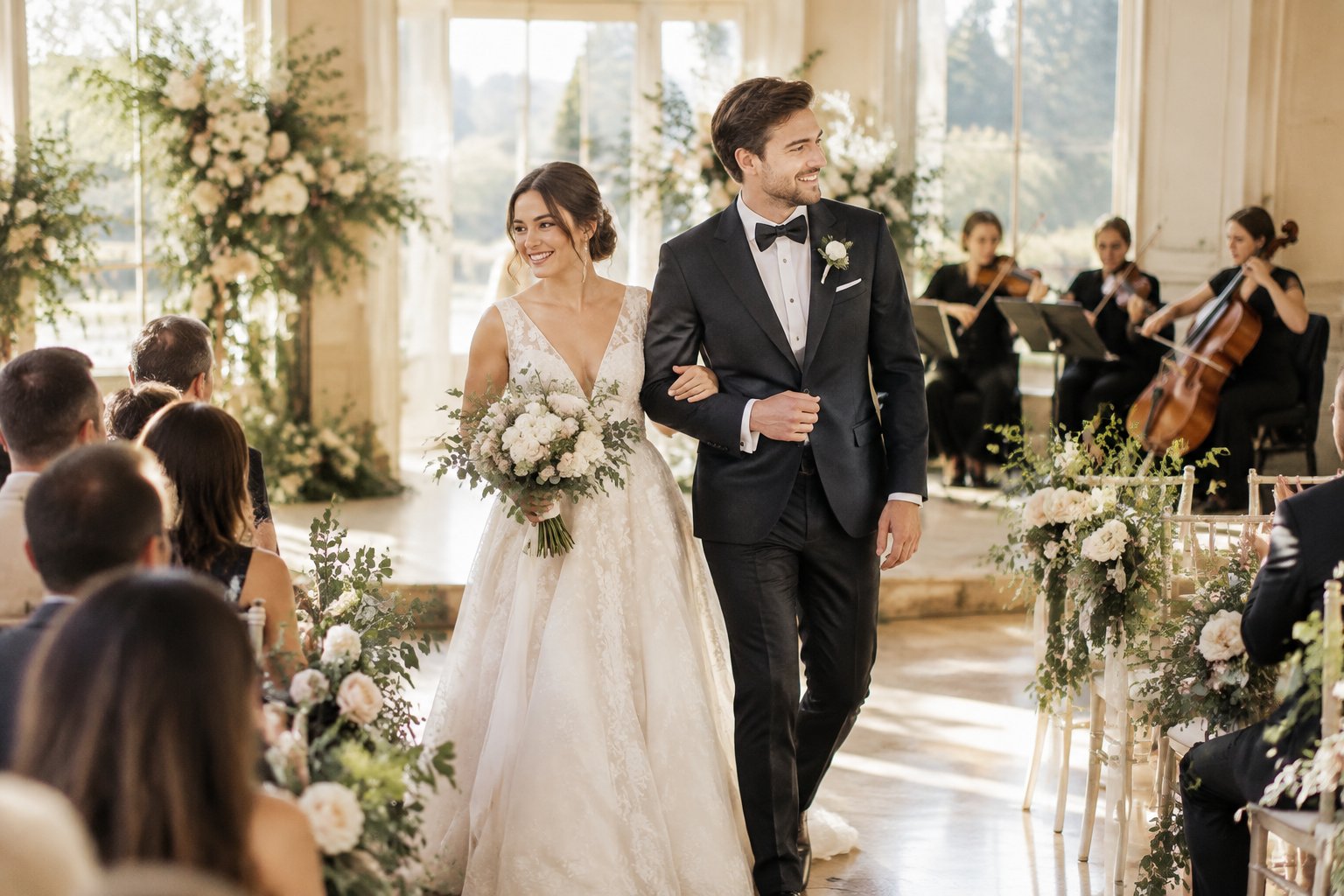
Play Canon in D during guest seating, the processional, or the recessional according to the mood you want to create. Its structure gives you several placement options, though the bridal procession remains its most recognizable use.
Using It for Guest Arrival and Family Seating
A quiet Canon in D arrangement works well as prelude music while guests find their seats. Piano, harp, or a small string group keeps the atmosphere welcoming and leaves room for ushers to give directions.
Ask the performer to begin before guests enter and continue until the ceremony starts. If you use a recording, choose a loopable version or prepare several tracks so the music does not stop during seating.
You can also reserve Canon in D for immediate family seating. A shorter arrangement gives that moment a clear musical identity before the wedding party begins walking.
Timing It for the Bridal Procession
Canon in D suits the bridal procession because its pulse supports a measured walking pace. Plan the music around the length of the route, including the time needed for attendants to move into position before you enter.
Listen for the section where the melody becomes more active if you want your entrance to arrive during a musical lift. Your musician or DJ can start that passage at the aisle entrance, then continue through your walk.
Give your coordinator a written cue plan. Include who walks first, the approximate spacing between people, and the signal for your entrance.
Can It Work for the Recessional?
Canon in D works for a recessional when you want a polished, joyful exit with a moderate pace. A brighter arrangement with stronger rhythm helps the newly married couple and wedding party walk out with energy.
You can use a separate song for the recessional if you want the entrance and exit to feel different. If Canon in D plays during both moments, select distinct arrangements or adjust the tempo so each part has its own character.
Choosing the Right Arrangement for Your Style
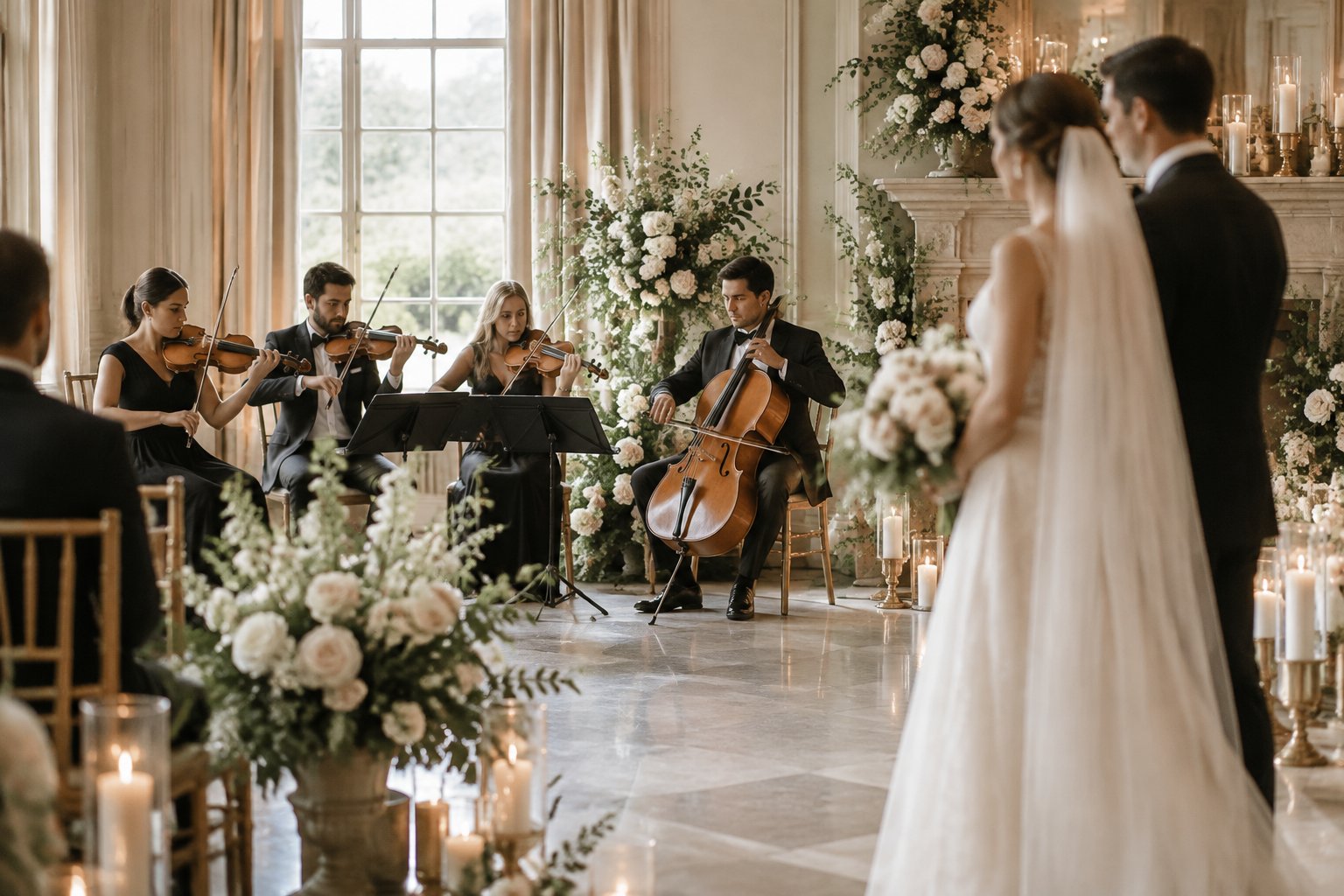
The right Canon in D wedding version should match your ceremony design, room size, and preferred level of formality. Instrument choice changes the mood, volume, and amount of musical detail your guests hear.
Traditional Strings and Orchestra
A string quartet gives Canon in D its classic ceremony sound. Violins carry the melody clearly, while viola and cello add warmth beneath it.
This setup fits formal churches, garden ceremonies, and elegant ballroom spaces. A larger ensemble creates more volume and a fuller sound.
Confirm that the venue has enough room for the musicians, chairs, music stands, and any required power or shelter. Ask for a sample of the exact arrangement when possible, since two string versions can differ in tempo, length, and intensity.
Piano, Cello, and Acoustic Versions
Piano and cello create an intimate arrangement with a clear melody and rich low notes. This pairing suits smaller ceremonies and venues where a full ensemble would feel too large.
Solo piano offers a clean, flexible sound for indoor ceremonies. Guitar, harp, or acoustic arrangements bring a softer texture that works well for outdoor weddings and relaxed celebrations.
Check the instrument’s volume against your venue. A quiet acoustic arrangement may need amplification in a large outdoor space.
Modern, Rock, and Pop-Inspired Interpretations
A modern arrangement lets you keep the recognizable progression while expressing your personal taste. Electronic textures, acoustic covers, or rock-inspired versions can fit an industrial venue, rooftop ceremony, or contemporary wedding design.
Listen for the entrance point and the ending before choosing a recording. Some modern versions build slowly, while others begin with the main melody and reach their strongest moment quickly.
Share the recording with your coordinator and officiant. A nontraditional arrangement can still support a smooth processional when everyone knows its timing.
How to Match the Version to Your Processional Timing
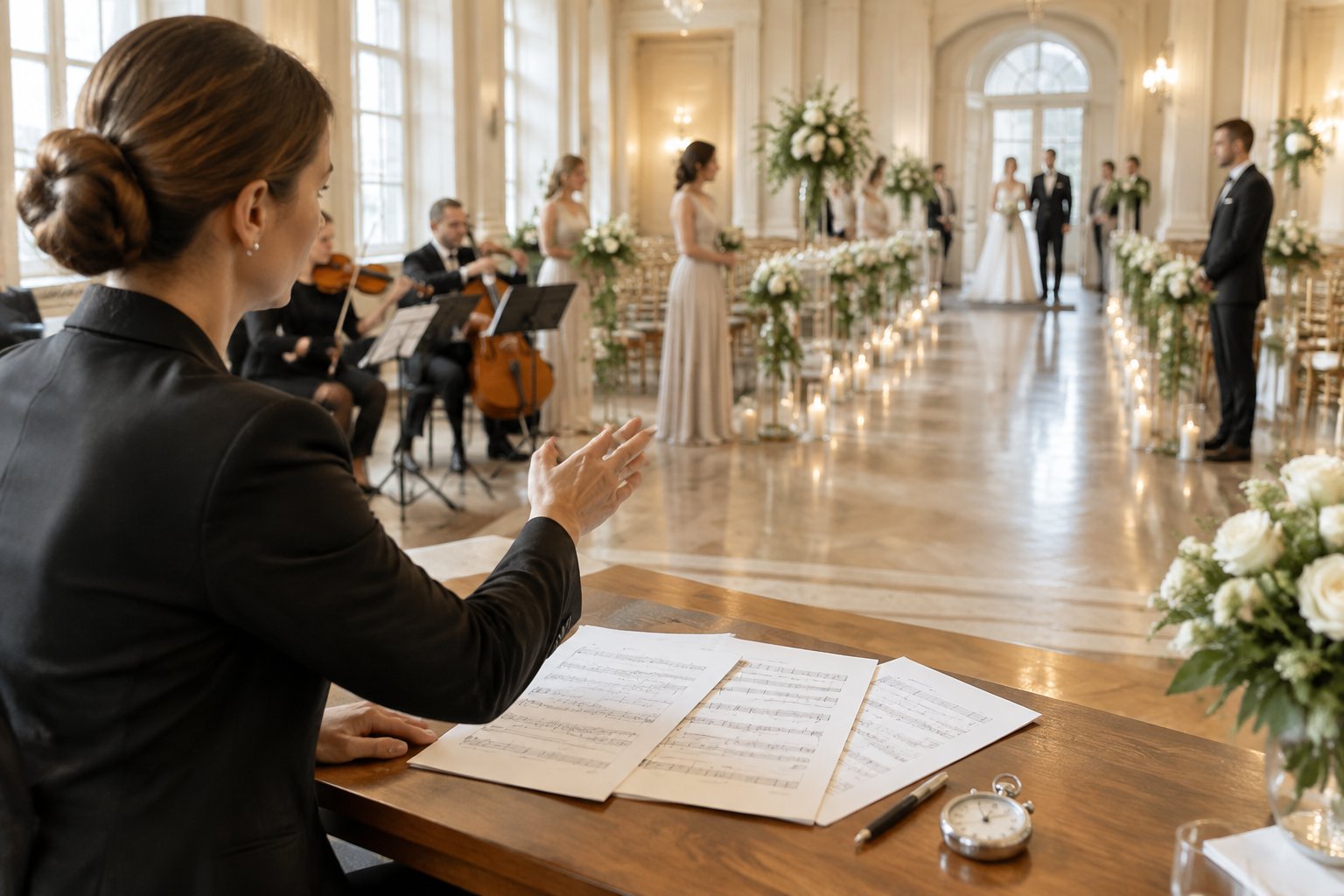
Match the arrangement length to the full bridal procession, then place your entrance at a musical moment you enjoy. Count the walking time for each person and include pauses between entries before you select a recording or ask for an edit.
Allowing Enough Time for the Wedding Party
Measure the route from the starting point to the altar. Add time for the officiant, attendants, parents, and any flower children who enter before you.
A processional lasting two to five minutes may require repeated sections or a longer arrangement. Live musicians can repeat a passage smoothly, while a recording needs a planned loop, edit, or fade.
Give each participant a simple cue. Your coordinator can release people at set intervals and tell the musicians when the next entrance begins.
Creating a Clear Moment for the Bride’s Entrance
Choose whether you want to begin walking when the melody starts, when the texture grows fuller, or when the faster decorative notes appear. Play the recording several times while timing your walk so the selected moment feels natural.
Tell your coordinator where you will wait and when you want to step forward. This prevents a long pause between the wedding party and your entrance.
If you want a strong musical lift, ask for an arrangement that reaches that passage within your walking time. A version that takes several minutes to build may place the key moment after you have reached the altar.
Planning Live Music Cues and Recorded Track Edits
Live musicians can follow a hand signal, repeat a section, or move to the ending when you arrive. Agree on the cue before the ceremony rehearsal and identify who gives it.
For recorded music, mark the start time, entrance cue, loop point, and ending. Give the DJ or sound operator a labeled file with the exact edit you approved.
Keep a backup copy on a second device. Test the file through the venue’s sound system so the volume and fade match the room.
Practical Tips for Using Canon in D at Your Wedding
Canon in D becomes easier to use when you settle the arrangement, timing, venue setup, and personal details before the rehearsal. A clear plan helps your musicians or DJ respond smoothly as the ceremony unfolds.
Live Musicians vs. a Recorded Performance
Live musicians bring natural tempo changes and can extend the piece while the wedding party walks. They can also respond to a coordinator’s cue and end the music when you reach the altar.
A recorded performance gives you a fixed length and a consistent sound. It works well when you already have a specific version in mind or want to manage the music through your DJ.
Ask either option for the exact duration and ending. Confirm whether the piece begins with an introduction, reaches its main melody quickly, or includes a long opening.
Venue Rules, Sound Checks, and Licensing
Ask your venue about musician placement, amplification, electrical outlets, outdoor weather protection, and sound limits. Some ceremony locations also require advance approval for outside performers or recorded music.
Schedule a sound check during the same time of day as the ceremony when possible. Outdoor temperature, wind, room size, and guest seating affect how the music carries.
For a commercial recording, ask your DJ or venue how music licensing is handled. A live performance and a recorded track may follow different venue procedures, so confirm the requirements before your wedding day.
Personalizing a Familiar Ceremony Song
Personalize Canon in D through the arrangement, tempo, instrument choice, or the moment you use it. You might select a family member’s instrument, request a shorter edit, or pair the processional with a different recessional song.
You can also ask the musician to adjust the opening and ending so the piece fits your ceremony length. Share a meaningful cue with your partner, such as beginning your walk when the melody becomes more active.
Write the final plan into your ceremony timeline. Include the track name, version, start cue, walking order, and stop cue so your coordinator and sound team can follow the same instructions.