
Castle Venues for Weddings: How to Find Your Fairytale Setting
A castle wedding gives you an instant fairytale setting, with grand architecture, landscaped grounds, and spaces that make your celebration feel distinct from a standard hotel reception. For the strongest starting point, choose a castle wedding venue that offers ceremony and reception spaces, a clear weather plan, guest lodging nearby, and an experienced planning team.
Those details protect your budget and your guests’ comfort while preserving the romance you want.
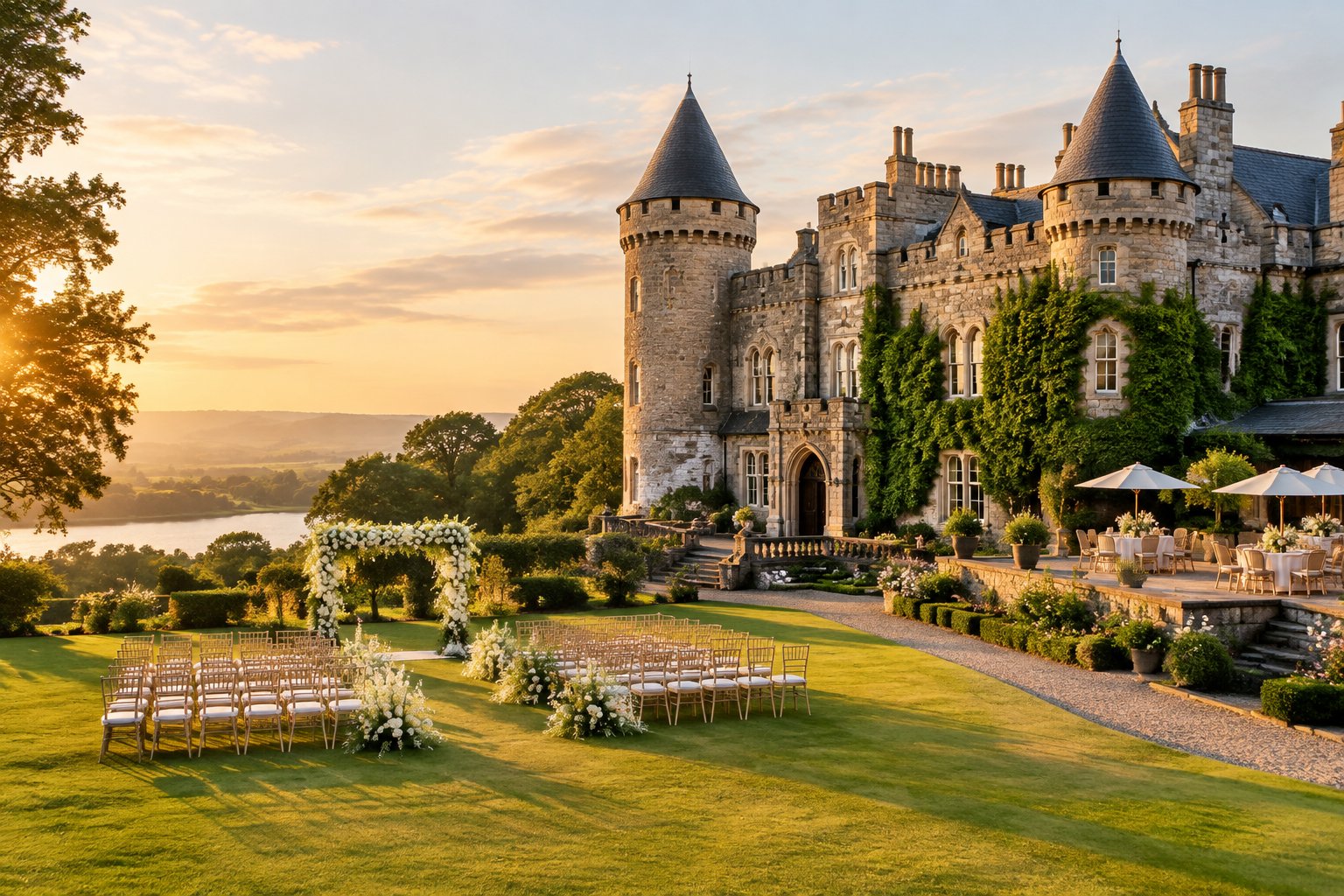
You can find castle venues for weddings across the United States, from historic estates on the East Coast to castle-style properties in the Midwest, South, and West. Start by deciding whether you want authentic history, European-inspired design, mountain scenery, coastal views, or a private estate built for modern events.
Then compare capacity, access, packages, vendor rules, and total travel costs before you book a tour.
If you have a favorite property in mind, request its current availability, package details, and site rules directly. A viewing, virtual tour, or planning call can help you see how the space will work for your ceremony, portraits, dinner, and dancing.
How to Choose the Right Setting for Your Celebration
Choose a setting that matches your guest count, architectural taste, and desired level of service before you commit to the fairytale look. Historic castles bring original details and a strong sense of place, while purpose-built venues can offer easier access, larger rooms, and smoother event logistics.
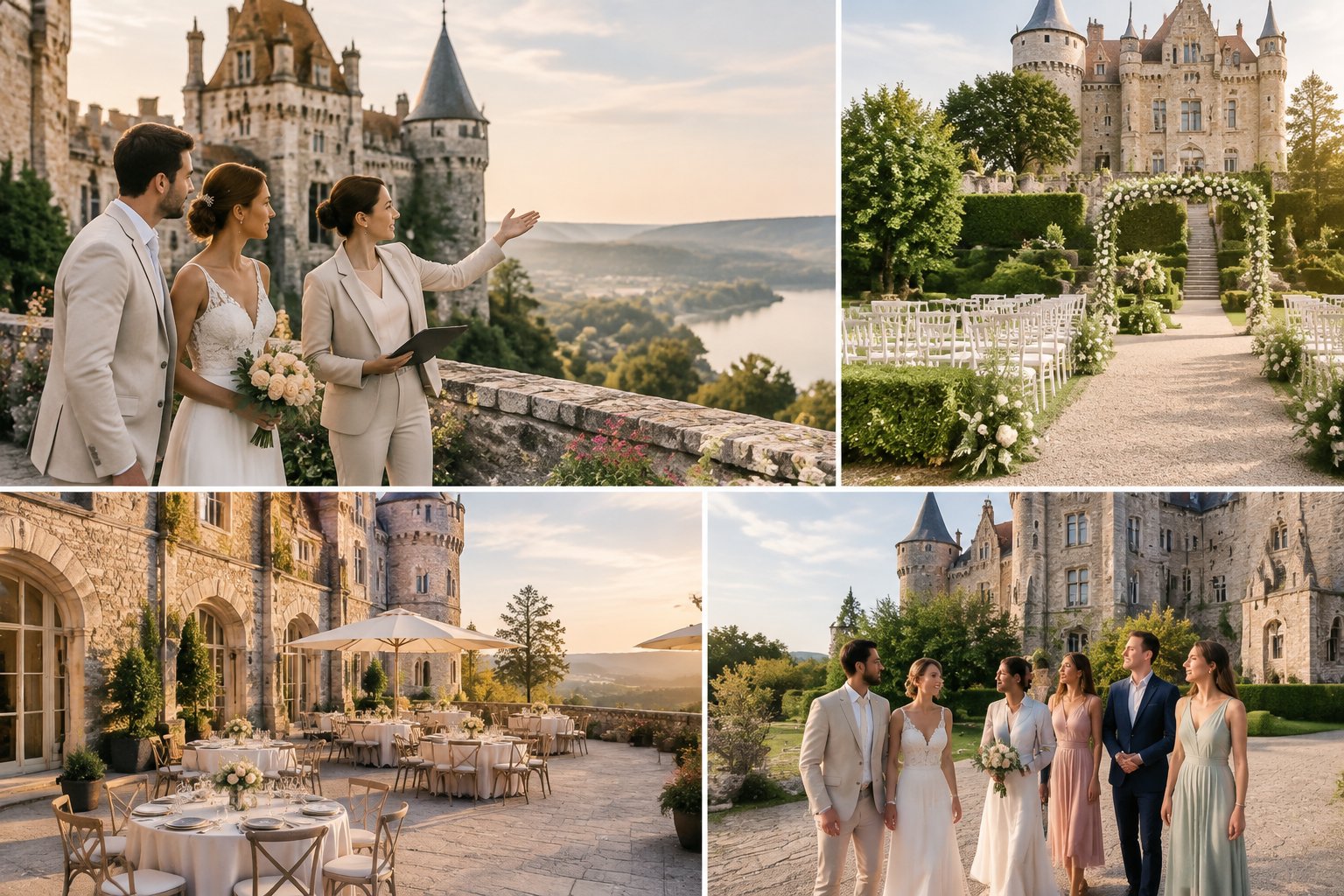
Historic Castle, Manor, Château, or Purpose-Built Venue?
A historic castle suits you if original stonework, towers, old fireplaces, and a deep sense of history shape your vision. Ask how much of the property is open to wedding guests and which areas are reserved for tours, residents, or private collections.
A manor gives you a more residential feel, with formal rooms, gardens, and a comfortable scale for dinner. A château-inspired estate brings French details such as symmetrical façades, terraces, and elegant grounds.
A purpose-built venue can deliver turrets, arched windows, and castle styling alongside modern kitchens, restrooms, loading areas, and climate control.
During a tour, trace the full guest experience from arrival through departure. Confirm where you will get ready, where the ceremony will take place, how guests will reach the reception, and whether the bridal suite has enough space for your wedding party.
Which Architectural Style Fits Your Vision?
Historic castles with medieval architecture create a dramatic setting for candlelight, rich fabrics, and formal portraits. Gothic revival properties suit you if you like pointed arches, dark wood, stone details, and a more atmospheric mood.
French château design feels lighter and more refined, with pale exteriors, tall windows, gardens, and balanced lines. Tudor-inspired manors work well with warm florals, patterned linens, and intimate dinner layouts.
Use the building’s existing character as your design guide. Strong architecture needs carefully placed décor, so focus your budget on lighting, florals, ceremony framing, and tablescape details that support the space.
How Many Guests Can the Property Comfortably Host?
Capacity should include more than the maximum number listed on a venue brochure. Ask how many guests fit at a seated dinner with a dance floor, buffet or bar area, band or DJ setup, and comfortable aisle spacing.
Request separate capacities for indoor ceremony seating, outdoor ceremonies, cocktail hour, dinner, and dancing. Check whether the ceremony and reception spaces are available at the same time or require a room flip.
A smaller castle wedding venue can feel warm and personal when the layout suits your group. For intimate planning ideas, explore these tips for choosing the perfect venue for a small wedding.
Standout U.S. Properties by Region
The best castle wedding venues in the United States range from Gilded Age estates and coastal mansions to mountain retreats and castle-style event properties. Use the region that fits your guest travel plans, scenery preferences, and wedding season as your first filter.
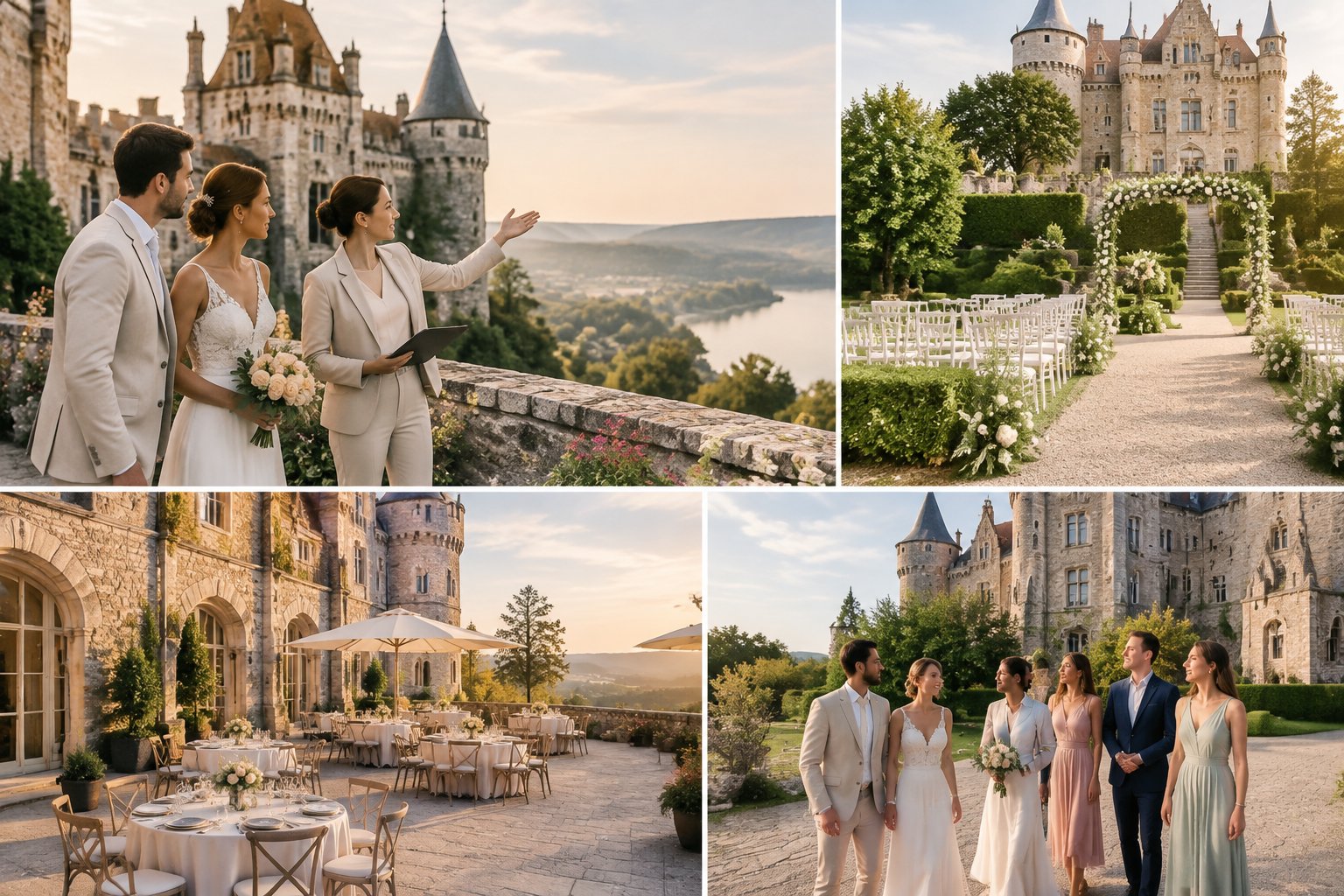
Northeast Estates and Coastal Castles
New York and New England offer grand estates, ocean views, and historic architecture within reach of major cities.
- Oheka Castle in Huntington, New York: This Long Island estate suits a formal fairytale wedding with grand rooms, landscaped grounds, and a strong Gilded Age feel.
- Sands Point Preserve on Long Island Sound: The preserve offers historic estates and waterfront scenery for couples who want a refined coastal backdrop.
- Whitby Castle in Rye, New York: Its stone exterior and park setting create a classic castle mood close to New York City.
- Skylands Manor in Ringwood, New Jersey: This manor combines European-inspired architecture with expansive grounds and wooded scenery.
- Hammond Castle Museum in Gloucester, Massachusetts: Dramatic stonework and ocean air give this property a memorable setting for a distinctive celebration.
- Rosecliff in Newport, Rhode Island: The mansion’s formal interiors suit an elegant reception with ballroom-style details.
- Saint Clements Castle & Marina in Connecticut: Waterfront grounds and castle-inspired design support ceremonies, receptions, and portraits.
- Bill Miller’s Castle in Branford, Connecticut: This private event property offers a storybook atmosphere with tailored spaces for weddings.
- Fonthill Castle in Doylestown, Pennsylvania: Tilework, towers, and historic rooms create an artistic setting with strong visual character.
Southern and Appalachian Mountain Escapes
Southern properties pair castle details with warm weather, broad lawns, and mountain or garden views.
- Rhodes Hall in Atlanta, Georgia: This Jacobean Revival mansion brings carved wood, stained glass, and a historic city setting.
- Biltmore Estate in Asheville, North Carolina: The Biltmore offers grand architecture, gardens, and Blue Ridge Mountains scenery across a large estate.
- Castle Ladyhawke in Tuckasegee, North Carolina: Mountain views and medieval-inspired design create a private escape for a smaller celebration.
- The Cloisters in Lutherville, Maryland: European architectural details and formal grounds suit an intimate, old-world wedding.
- Searles Castle in Windham, New Hampshire: This property offers dramatic stone architecture, grand interiors, and a New England setting.
Midwest and Great Lakes Celebrations
The Midwest and Great Lakes region gives you castle-style architecture, lake scenery, and accessible options for regional guest lists.
- The Van Dusen Mansion in Minneapolis: This historic mansion offers ornate interiors and an urban setting for an elegant reception.
- The Sterling Castle in Loudonville, Ohio: Castle-inspired rooms and landscaped grounds support a traditional fairytale design.
- Castle Farms in Charlevoix, Michigan: This property combines historic stone buildings, courtyards, gardens, and Northern Michigan scenery.
- Castle in the Clouds near Lake Winnipesaukee: Mountain and lake views create a strong outdoor setting with historic character.
- Alden Castle in the Midwest: Its castle styling gives you a distinctive backdrop for a celebration with modern event needs.
West Coast and Southwest Storybook Venues
Western properties offer mountain landscapes, Spanish and Mediterranean influences, and purpose-built castle settings.
- Thornewood Castle in Lakewood, Washington: This historic property offers ornate rooms, grounds, and Pacific Northwest scenery.
- Mission Inn Hotel and Spa in Riverside, California: Mission Revival architecture, courtyards, and hotel lodging make it useful for a multi-part celebration.
- Castle Green in Southern California: Historic interiors and a central location suit couples who want old-world style near urban amenities.
- The Ashley Castle in Chandler, Arizona: This purpose-built venue provides castle details with event-focused rooms and desert access.
- Wadley Farms in Lindon, Utah: The property combines European-inspired buildings with open grounds and mountain views.
- The Castle at Rockwall in Texas: Castle architecture and large event spaces support a grand celebration near the Dallas area.
- Dyer in Omaha, Nebraska: This castle-style setting adds historic character to a Midwest wedding without requiring European travel.
Property names, availability, guest limits, and wedding services change, so confirm current details before you build your shortlist.
When Is a Destination Castle Wedding Worth It?
A destination castle wedding earns its extra travel when the setting, guest experience, and multi-day celebration justify the added planning. It works best for couples with a focused guest list, flexible dates, and enough lead time for passports, lodging, transportation, and local legal requirements.

Irish Castles for Multi-Day Wedding Weekends
Ireland suits you if you want a historic estate, green landscapes, and a relaxed wedding weekend. Castle wedding venues in Ireland range from grand hotels to private estates with gardens, libraries, banquet rooms, and guest accommodations.
An Irish castle experience can include a welcome dinner, ceremony day, and farewell gathering. Ashford Castle offers a highly established luxury setting, while Luttrellstown Castle provides a private estate atmosphere near Dublin.
Ask each property about exclusive use, room blocks, minimum stays, meal plans, airport transfers, and wet-weather ceremony locations. Your guests should know the full cost and schedule before they commit to the trip.
France and Austria for European Grandeur
France gives you château architecture, formal gardens, vineyards, and palace-inspired interiors. A wedding near the Palace of Versailles offers visual grandeur, though nearby event properties may provide more practical wedding services and guest access.
Austria brings Alpine scenery, imperial design, and music-rich cultural settings. If The Sound of Music inspires your wedding style, look for a property with gardens, mountain views, and indoor rooms that support dinner and dancing.
A castle-inspired celebration also works closer to home. Disney’s Cinderella Castle creates a fantasy setting through themed event planning, while European properties offer historic architecture and a deeper connection to local culture.
Travel, Lodging, and Local Planner Considerations
Build a destination budget around the full guest journey. Include flights, ground transportation, room rates, meals, welcome events, wedding attire logistics, vendor travel, currency exchange, and possible extra nights.
A local planner helps you manage venue rules, language differences, permits, weather plans, and vendor contracts. Ask whether the planner works directly with the property and who will manage the event on the wedding day.
Give guests a clear timeline with booking deadlines and travel information. A legal ceremony at home followed by a symbolic castle ceremony abroad can simplify paperwork when local requirements feel complex.
For timing guidance, compare your plans with advice on when you should have a destination wedding and how much time to give guests for a destination wedding.
What Do Castle Wedding Packages and Costs Include?
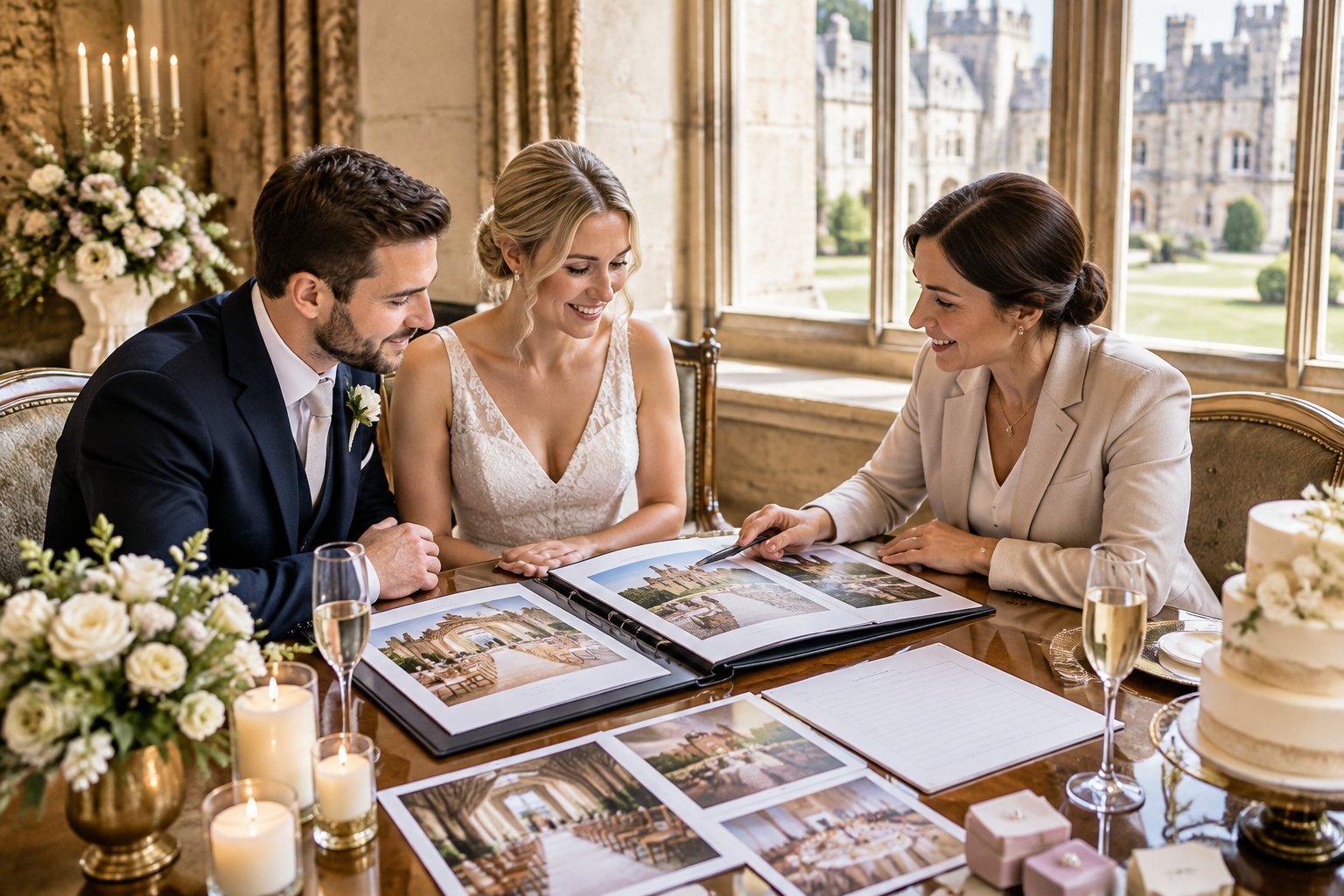
Castle wedding packages can combine venue access, catering, bar service, staffing, rentals, and planning support, yet every property defines its package differently. Read the proposal line by line and ask for a complete estimate that includes taxes, service charges, rentals, overtime, and required vendors.
Venue Fees, Food and Beverage Minimums, and Service Charges
The venue fee may cover exclusive use, ceremony access, reception rooms, setup time, cleanup, tables, chairs, and a bridal suite. Some properties price these items separately, so request a detailed rate sheet.
Food and beverage costs may use a per-person package, a catering minimum, or a combination of both. Ask how the price changes for children, vendors, late-night food, dietary meals, tastings, and additional reception hours.
Bar service deserves its own review. Confirm whether you receive beer and wine, a full bar, signature drinks, champagne service, bartenders, mixers, glassware, and a consumption limit. Ask when service charges and gratuities are added.
Properties such as Oheka Castle and Hammond Castle Museum have distinct operating models, while Castle Ladyhawke and Fonthill Castle may structure access and vendor policies differently. Use each venue’s current proposal as the source for your budget.
All-Inclusive Packages vs. Outside Vendors
An all-inclusive package can simplify planning by grouping catering, staffing, rentals, setup, and coordination. It gives you one main point of contact and a clearer starting price.
Outside-vendor flexibility gives you more control over photography, music, florals, desserts, and cultural food traditions. Confirm the approved-vendor list, outside-vendor fees, insurance rules, delivery windows, kitchen access, and cleanup duties before signing.
Ask which package items are fixed and which can be swapped. A lower package price can rise after upgrades for linens, chairs, lighting, specialty meals, late-night service, or additional hours.
If you are comparing bundled services, review affordable all-inclusive wedding venues alongside the castle proposals.
Elopements, Micro Weddings, and Weekday Options
Elopement packages and micro wedding packages can give you the architecture and photography value of a castle with a smaller guest list. Look for ceremony-only bookings, shorter rental windows, weekday dates, brunch receptions, and off-season pricing.
Ask whether the package includes an officiant, bouquet or boutonniere, photography time, cake, sparkling wine, chairs, and a private room for signing documents. A small package still needs a clear plan for access and guest movement.
Weekday celebrations may open more dates and reduce minimum guest requirements. Confirm whether the property hosts another event on the same day and whether your package includes enough time for setup and portraits.
Plan for the Realities Behind the Romance
Successful castle wedding planning connects the visual dream to access, weather, transportation, sound, and preservation rules. A property tour should test the guest experience as closely as it showcases the architecture.
Accessibility, Guest Comfort, and Transportation
Historic buildings often include stairs, narrow passages, uneven floors, and long walking routes. Ask for an accessible entrance, elevator details, accessible restrooms, seating options, and a plan for guests who need mobility support.
Map transportation from airports, hotels, parking areas, ceremony spaces, and reception rooms. Properties near New York, Atlanta, Gloucester, Rye, and Ringwood may have different traffic, parking, and shuttle needs.
Give guests clear information about walking distances, footwear, weather, coat storage, and transportation timing. If rooms are spread across the property, provide signs or staff support so guests do not need to navigate alone.
Weather Plans for Gardens, Lawns, and Waterfront Views
Outdoor ceremonies need a complete indoor backup with a confirmed layout, not a vague promise that staff will “move things inside.” Ask when the decision will be made, who makes it, and how quickly the room can be reset.
Review tent rules, heating or cooling options, rain coverage, wind limits, lighting, power, and flooring. Waterfront properties need a plan for wind and damp air, while sunny lawns need shade and hydration stations.
Plan portraits in more than one location. A stone corridor, grand staircase, library, or covered terrace can preserve your photo schedule during rain or extreme heat.
Historic Preservation Rules and Vendor Restrictions
Historic venues protect floors, walls, artwork, gardens, and original fixtures through detailed event rules. Ask about candles, open flames, hanging décor, floral mechanics, confetti, amplified sound, furniture movement, and vehicle access.
Some properties require approved vendors, event insurance, professional rigging, or staff supervision for setup. Confirm delivery times, loading zones, cleanup standards, waste removal, and strike deadlines in writing.
Riverside, New York, Atlanta, Gloucester, Rye, and Ringwood each bring different local conditions, so review permits, noise limits, alcohol rules, and transportation plans with the venue team. A clear operations plan lets you enjoy the castle while your vendors work within its boundaries.