
Castle Wedding Venues Baltimore: Planning Guide
A castle-style wedding near Baltimore gives you stone architecture, wooded grounds, stained glass, and a built-in storybook mood. The Cloisters in Lutherville is a strong fit for couples who want an authentic medieval-European setting, with 60 acres of secluded woods, detailed interiors, and spaces for ceremonies and receptions.
You can also compare historic mansions, manor estates, and castle-inspired properties across Baltimore County, Howard County, Annapolis, and the Chesapeake region. Start with your guest count, preferred ceremony setting, budget, and travel needs, then tour the spaces in person. To schedule a visit to The Cloisters, call 410-821-7448 or 1-888-330-9571.
What Defines a Castle-Style Wedding Setting?
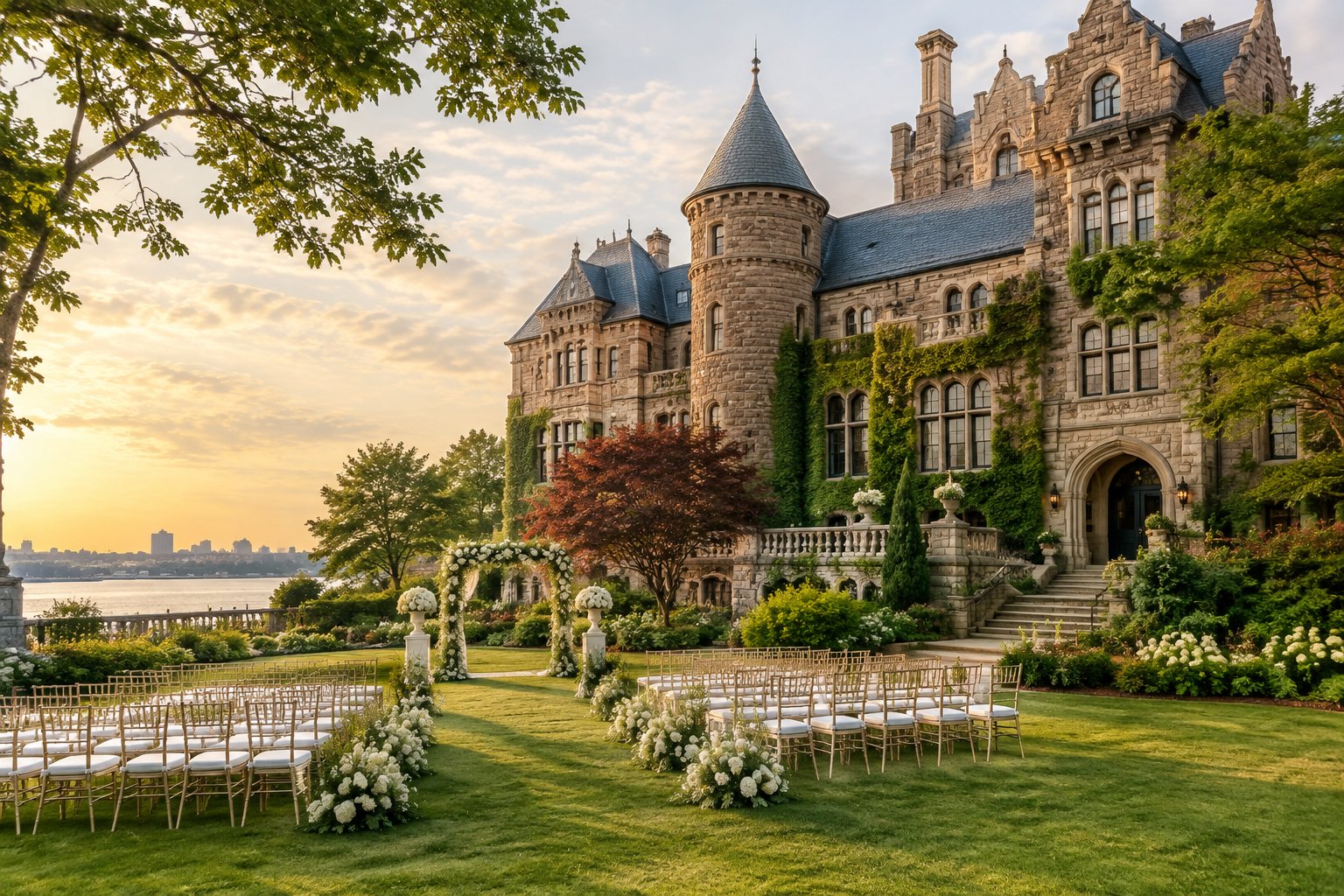
A castle-style wedding setting combines dramatic architecture with private grounds and event spaces that support your full celebration. Stone walls, turrets, archways, stained glass, wrought iron, carved wood, and formal gardens create a strong visual identity before you add any décor.
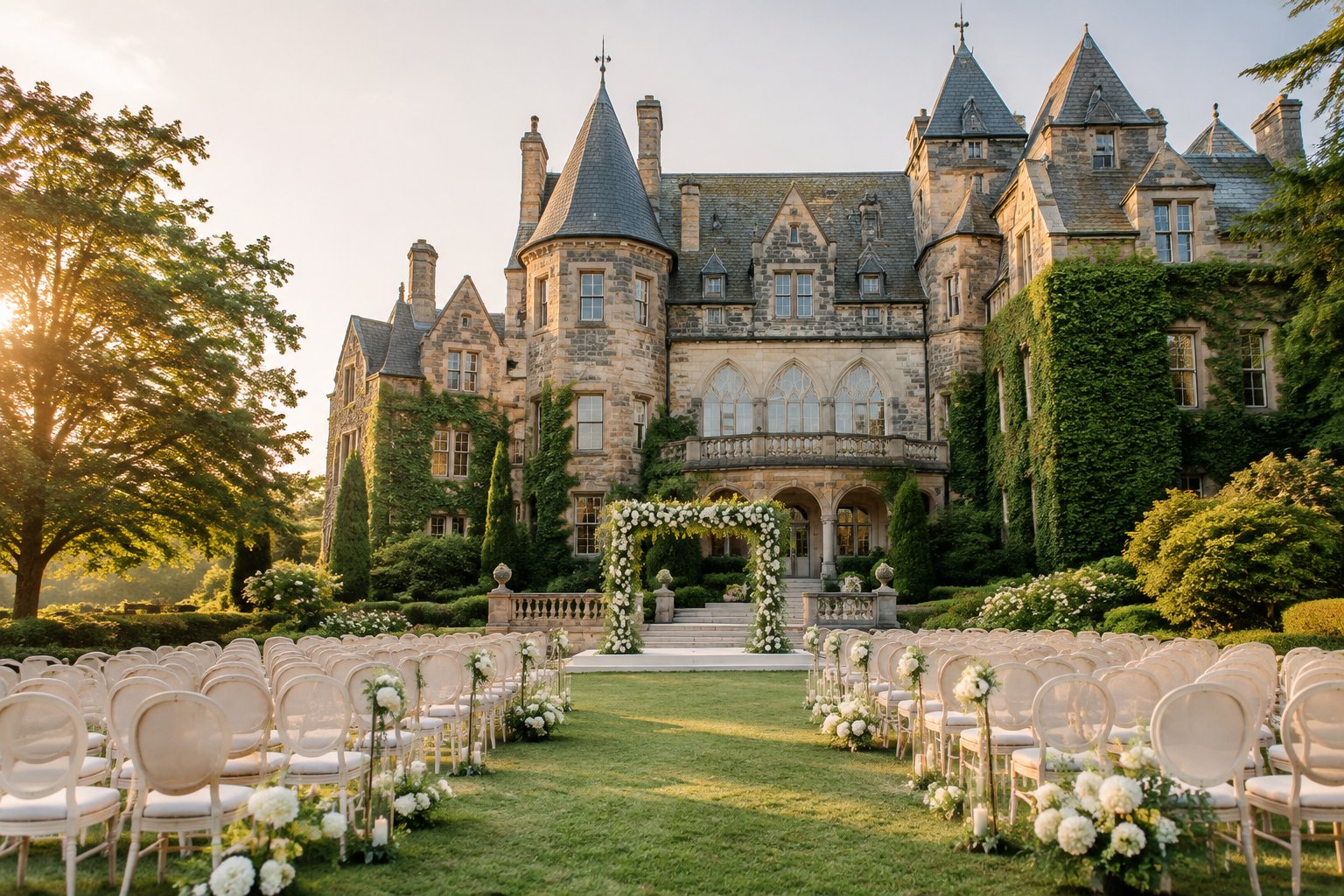
The label can describe several property types:
- Historic castles: Original or restored buildings with medieval, Gothic, Tudor, or European details.
- Grand estates: Mansion properties with formal gardens, libraries, ballrooms, and wooded grounds.
- Castle-inspired venues: Modern event spaces designed with towers, stonework, grand staircases, or royal styling.
Look closely at the features that shape your guest experience. A dramatic exterior helps with portraits, while a comfortable indoor layout supports dinner and dancing. The Cloisters reflects medieval Europe through carved wood, stained glass, wrought iron, and an extensive collection of medieval art and artifacts.
Your preferred mood can guide the search. Stone walls and candlelight suit a medieval wedding, while manicured gardens and refined table settings create a French château feel. Tudor interiors bring warmth through wood paneling, fireplaces, and rich colors.
Where to Find Historic Estates Near Baltimore
Historic wedding venues near Baltimore range from secluded castle properties in Baltimore County to elegant estates within reach of Annapolis and the Chesapeake region. Location affects travel time, lodging, parking, and the atmosphere your guests experience when they arrive.
Baltimore County and Northern Maryland Options
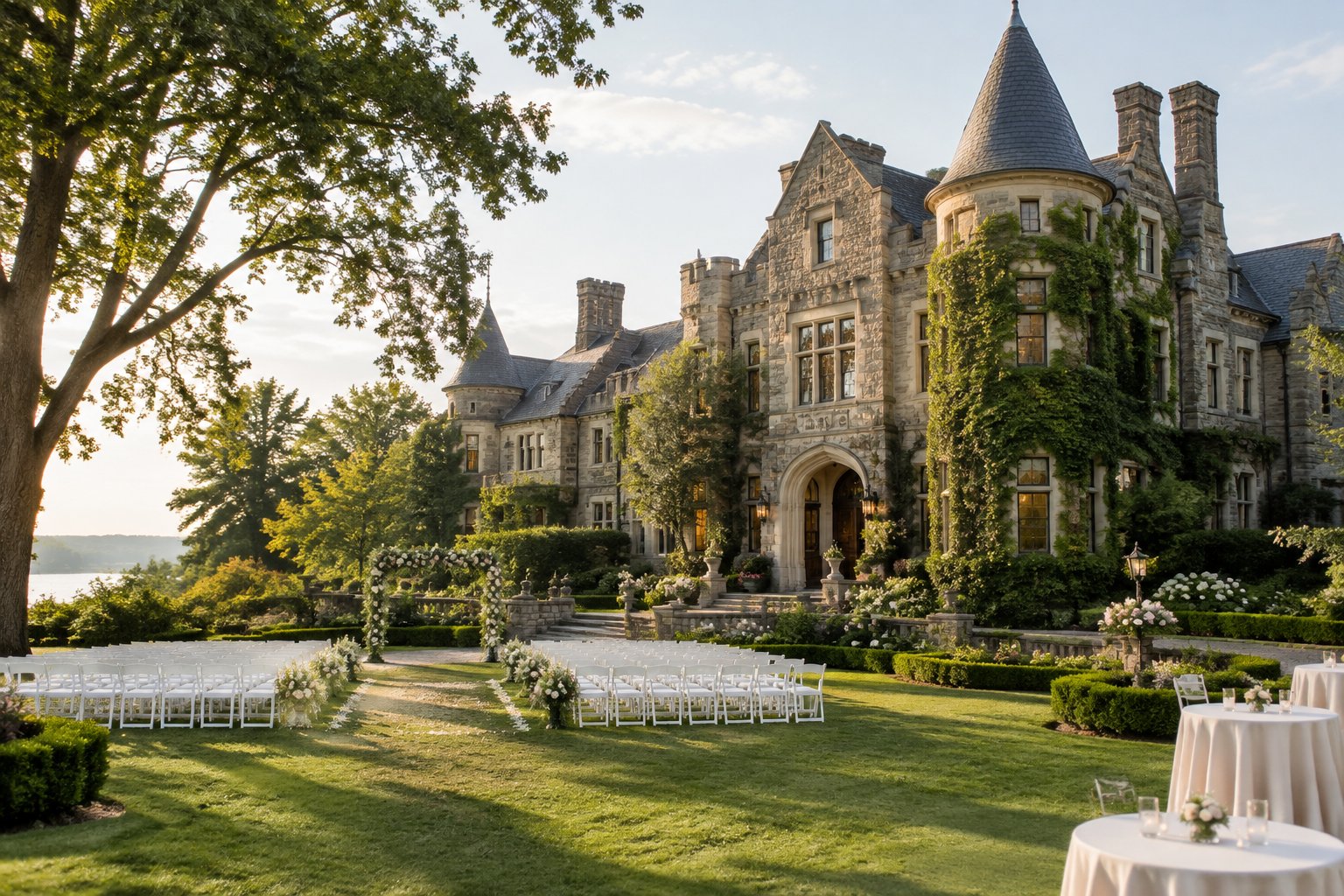
Lutherville, Timonium, Pikesville, and other communities north of Baltimore offer historic estates with wooded grounds and easy access to the city. The Cloisters sits high on a hill in Lutherville and provides a secluded setting across 60 acres of woods.
Grey Rock Mansion in Pikesville offers a different style, with an 1858 historic mansion, landscaped grounds, garden ceremony options, and refined interior spaces. Properties in this area suit couples who want privacy while keeping Baltimore hotels, restaurants, and transportation within reach.
Ask each venue about its exact address, drive time from downtown Baltimore, guest parking, shuttle access, and nearby accommodations. A rural-feeling property can still work well for city-based guests when the route is clear and transportation is planned early.
Howard County and Ellicott City Settings
Howard County and Ellicott City give you historic charm through manor houses, gardens, restored buildings, and estate properties. These venues often blend old architecture with modern event needs, including climate-controlled rooms, updated restrooms, and flexible reception layouts.
Check whether the venue offers a private ceremony site, cocktail area, reception room, and rain backup on the same property. Ellicott City’s historic character also pairs well with vintage wedding details, garden florals, and classic transportation.
Review travel times from Baltimore, Washington, and nearby airports before choosing a date. A venue that feels convenient on a map can take longer during weekend traffic or seasonal events.
Day-Trip Venues in Annapolis and the Chesapeake Region
Annapolis and the Chesapeake region provide estate settings with waterfront scenery, formal grounds, and a relaxed Maryland feel. These locations work well when you want a destination-style wedding without sending guests far from Baltimore.
Water views add a distinct backdrop for ceremonies and portraits, while historic buildings bring character to indoor receptions. Ask about wind, shade, sunset timing, waterfront access, and a covered plan for changing weather.
For a Chesapeake-area venue, include guest transportation in your early budget. Confirm hotel blocks, shuttle routes, parking capacity, and the time required for vendors to reach the property.
How to Compare Ceremony and Reception Spaces
The best castle wedding venue gives each part of your day a clear place, from getting ready and exchanging vows to cocktails, dinner, dancing, and portraits. Compare the full guest path instead of judging a ceremony site or ballroom alone.
Indoor Rooms for Weather-Proof Celebrations
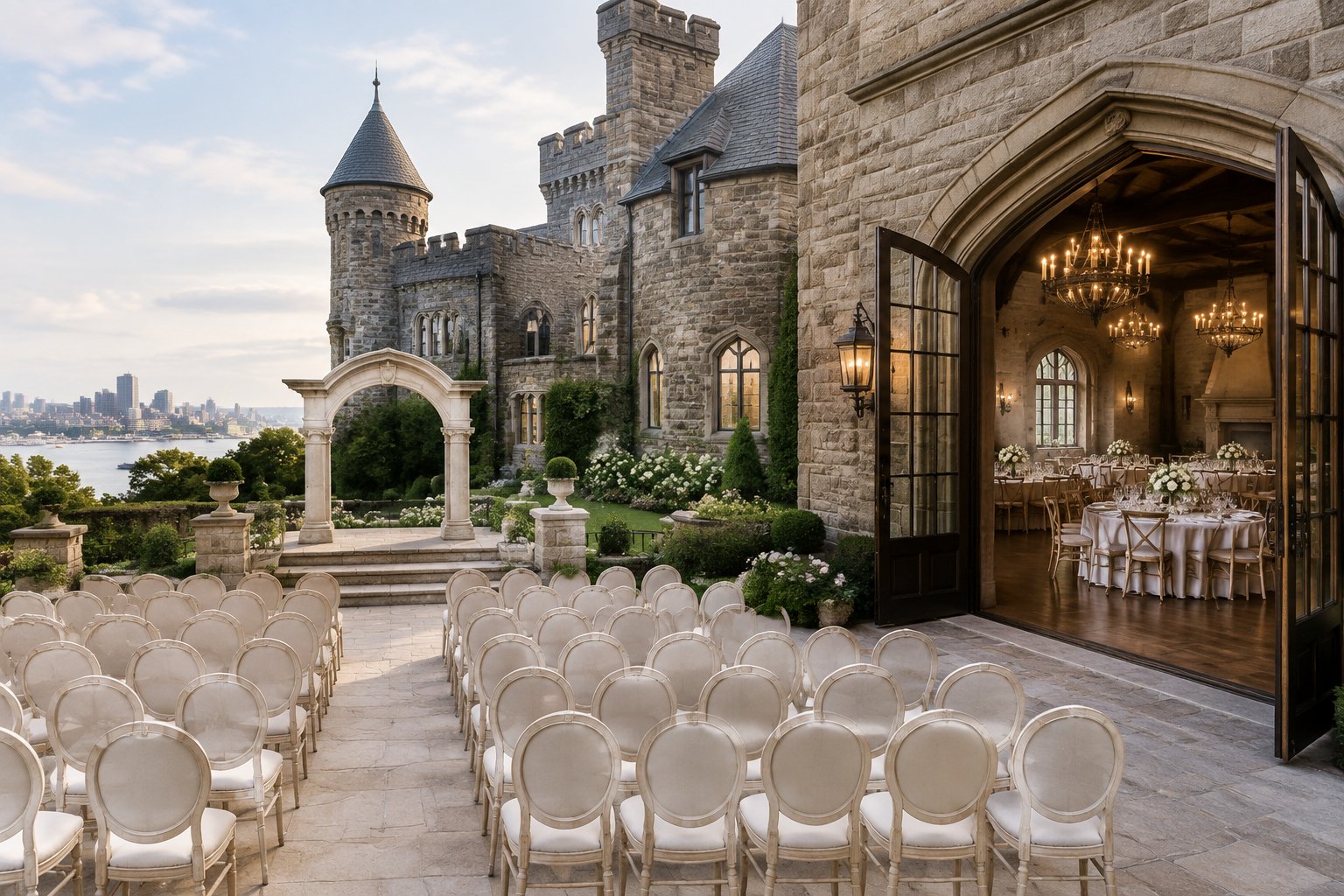
An indoor ceremony and reception plan protects your schedule during rain, heat, or cold weather. Look for rooms with enough space for seating, a bar, dinner service, dancing, musicians, and guest circulation.
Historic rooms often include libraries, dining halls, chapels, galleries, or amphitheaters. Ask for a floor plan showing tables, chairs, buffet stations, the dance floor, cake table, DJ or band, and accessible routes.
The Cloisters lists capacity of up to 130 seated guests and 150 standing guests through venue information published by Zola. Confirm current capacity directly with the venue, especially if you plan a large wedding or a complex floor plan.
Gardens, Courtyards, and Photo Backdrops
Gardens and courtyards provide natural ceremony settings and portrait locations with less need for added décor. Stone staircases, arched doorways, wooded paths, iron gates, stained glass, and mature landscaping can give your photographer several looks on one property.
Ask whether each area is included in your rental, how long you have for portraits, and which spaces remain available during cocktail hour. Confirm the walking distance between the ceremony, reception, restrooms, and indoor rain location.
Your décor should support the architecture. Low floral arrangements, lanterns, fabric accents, and restrained ceremony arches keep historic details visible.
Guest Capacity, Accessibility, and Parking
Guest capacity must include every part of the event layout, including dining tables, entertainment, bars, service areas, and restrooms. Request a floor plan at your expected headcount and review it with the venue coordinator.
Walk the route from parking to the ceremony, reception, restrooms, and getting-ready rooms. Ask about ramps, elevators, accessible bathrooms, stable garden paths, seating areas, and lighting after sunset.
Parking details deserve equal attention. Confirm the number of spaces, overflow arrangements, valet rules, shuttle drop-off points, and whether guests must walk on gravel, grass, or steep paths.
What Does a Castle-Inspired Wedding Cost in Baltimore?
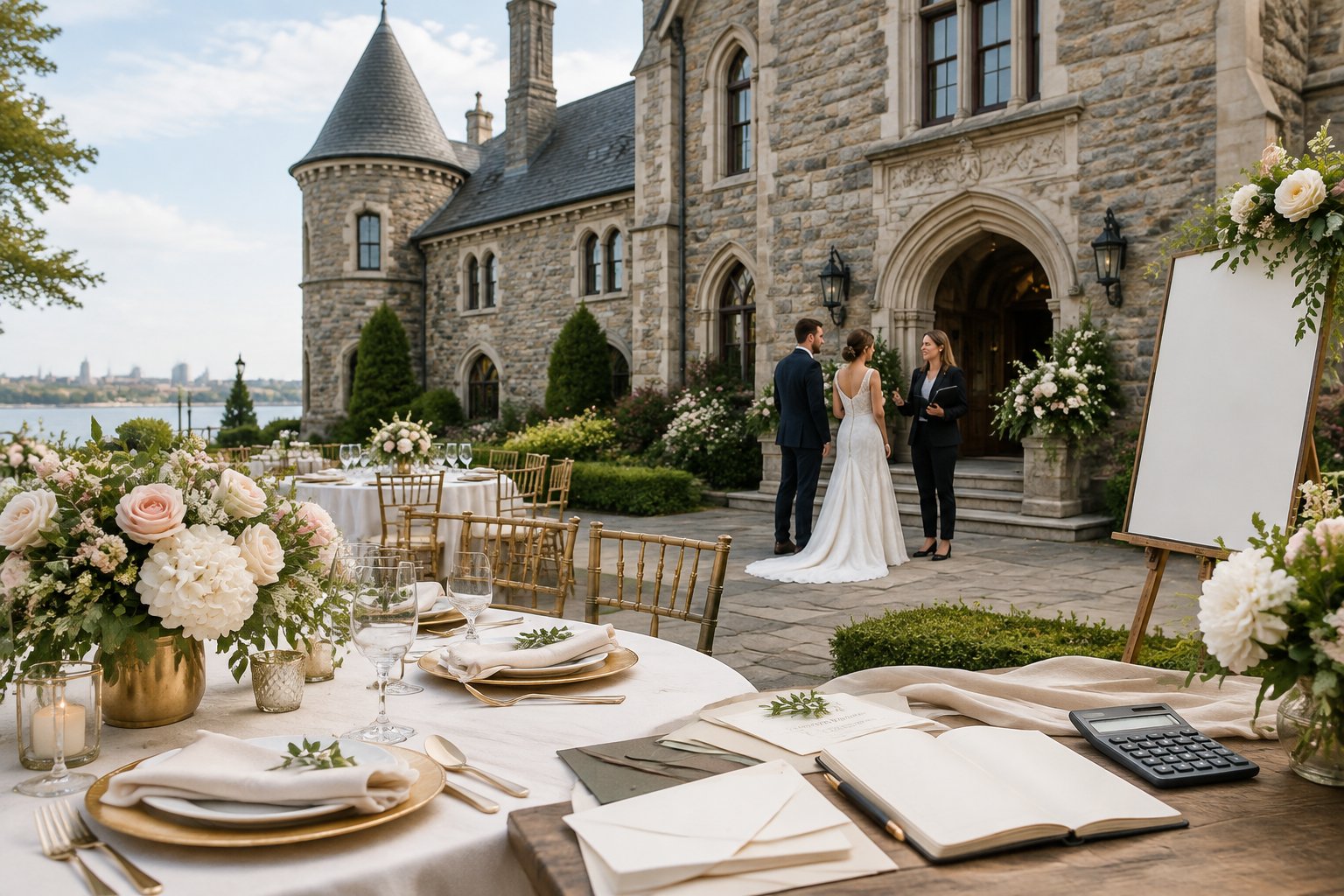
A castle-inspired wedding in Baltimore can range from a focused historic venue rental to a full estate celebration with catering, bar service, rentals, staffing, and décor. Your guest count, date, venue package, and catering plan create the largest budget changes.
Venue Fees and Minimum Spend Requirements
Ask for a written proposal that separates the site fee from required spending. The rental may include rooms, ceremony access, tables, chairs, wedding suites, setup time, rehearsal access, and cleanup time.
The Cloisters’ published venue information includes two private wedding suites, tables and chairs, rehearsal time, setup time, reception access, and cleanup time. Confirm the current package and any added charges before signing.
Ask whether the venue has a food-and-beverage minimum, guest minimum, ceremony fee, overtime rate, security charge, service fee, tax, insurance requirement, or damage deposit. Request sample totals for your expected guest count.
Catering, Bar, and Rental Costs
Catering and bar service often form the largest part of your wedding budget after the venue fee. Compare plated meals, buffet service, stations, cocktail-hour food, late-night snacks, open bars, limited bars, wine service, and nonalcoholic options.
Confirm whether you must use an approved caterer, whether outside catering is allowed, and whether the venue charges a kitchen, corkage, staffing, or cake-cutting fee. Ask who supplies china, glassware, flatware, linens, tables, chairs, and portable equipment.
A historic property might require specialty rentals for power, climate control, tenting, lighting, or sound. Put every required item into the proposal so your initial quote reflects the full event cost.
Seasonal and Day-of-Week Savings
Saturday dates during spring and fall demand close attention because popular historic venues fill early. Friday, Sunday, winter, and weekday dates can create more scheduling flexibility and may come with different rental rates or minimums.
Ask the venue to price two or three dates with the same guest count and menu. Compare the complete package, including staffing, ceremony access, setup time, and overtime.
Book early for peak seasons, especially if you want a specific photographer, caterer, planner, or entertainment team. A flexible date gives you more room to compare packages.
Questions to Ask Before Booking
A venue tour should answer practical questions about catering, event rules, access, timing, and weather plans. Take notes, request the contract, and ask the coordinator to explain every fee and restriction in plain language.
Vendor and Catering Policies
Ask whether you can select your own caterer, bar provider, planner, florist, photographer, DJ, band, rental company, and baker. Confirm approved-vendor requirements, insurance rules, delivery windows, kitchen access, staffing, and cleanup duties.
Ask who handles food service, trash removal, cake cutting, rental returns, and end-of-night breakdown. If the venue provides preferred vendors, request current menus, pricing, and service descriptions.
Curfews, Sound Limits, and Event Rules
Confirm the event start and end time, music cutoff, guest departure time, vendor breakdown deadline, and overtime rate. Ask where speakers and bands can set up, how sound is monitored, and whether outdoor music has separate limits.
Historic properties may have rules for candles, nails, tape, confetti, fog machines, open flames, hanging décor, and furniture placement. Request a written décor policy before you order rentals or floral installations.
Getting-Ready Space and Rain Plans
Ask when you can access the bridal suite and groom’s room, whether those spaces include mirrors and seating, and whether they remain private during the event. Confirm the time available for hair, makeup, portraits, and vendor setup.
Your rain plan should name the exact indoor ceremony location and explain how staff move chairs, décor, guests, and sound equipment. Ask who makes the weather call and when that decision happens.
Review heat, air conditioning, heating, restroom access, lighting, and emergency procedures. If your ceremony is outdoors, walk the backup route during the tour.
How to Create a Cohesive Historic Wedding Experience
A cohesive historic wedding connects the venue’s architecture with your ceremony design, reception details, guest transportation, and overnight plans. Choose a few materials and colors that repeat across the day so the setting feels intentional.
Decor That Complements the Architecture
Start with the building’s strongest features, such as stonework, stained glass, carved wood, wrought iron, fireplaces, staircases, or formal gardens. Use décor to frame those details instead of covering them.
A medieval-inspired wedding might use taper candles, deep jewel tones, velvet accents, heraldic stationery, and textured linens. A garden celebration can pair soft florals with natural greenery, brass details, and light fabric.
Keep table décor low enough for conversation and choose arrangements that fit the room’s scale. Ask about candle safety, hanging installations, floral cleanup, and protection for historic floors and walls. For more inspiration, explore these wedding décor ideas.
Guest Transportation and Overnight Stays
Guest logistics shape the celebration from the first invitation. Share driving directions, parking instructions, shuttle details, hotel information, and the venue’s accessibility notes with your guests well before the wedding.
Ask whether the property offers overnight rooms, private suites, or nearby lodging recommendations. The Cloisters is located at 10440 Falls Road in Lutherville, Maryland, while other Baltimore-area estates may place guests closer to city hotels or suburban accommodations.
Plan transportation for guests who will drink, older relatives, and anyone who needs step-free access. Confirm shuttle loading areas, return schedules, driver breaks, and the final departure time with your transportation company.