
Castle Wedding Venues Bowling: Indiana and Kentucky Options
Castle wedding venues near Bowling Green, Indiana, give you a storybook setting with historic architecture, private event space, and memorable options for your ceremony and reception. Clayshire Castle is the strongest fit for couples who want an intimate castle wedding near Bowling because its western central Indiana setting combines a medieval-style atmosphere with overnight lodging and a personal wedding experience.
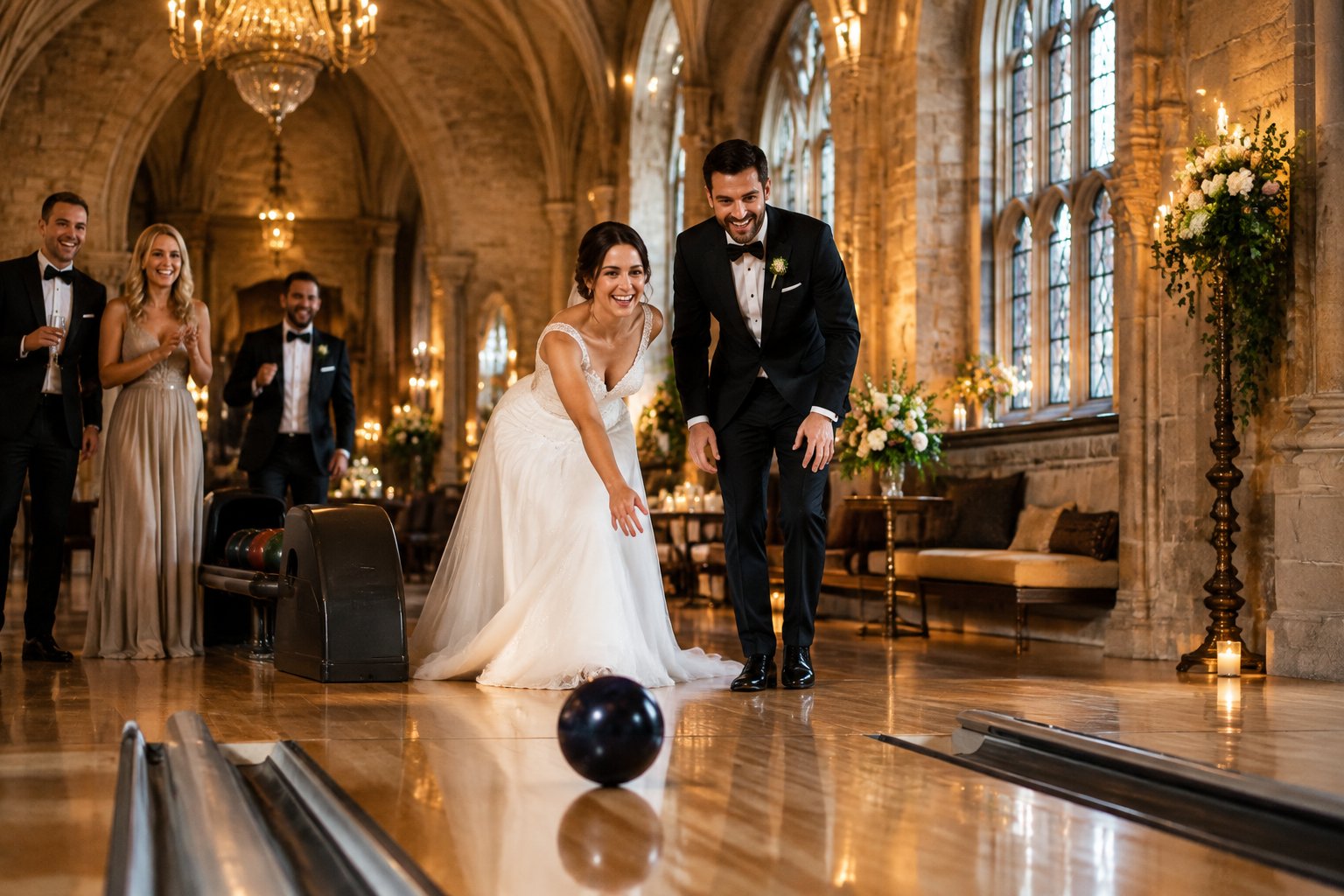
Your best alternatives include The Kentucky Castle in central Kentucky and Meyer’s Castle in Dyer, Indiana. Each offers a different balance of scale, luxury, travel distance, guest experience, and event design.
Comparing the property style, available rooms, guest accommodations, and travel plans will help you choose a wedding venue that feels beautiful and works smoothly. Start with the venue that matches your guest list and wedding weekend plans, then request current availability, package details, and a tour before you set your date.
Castle Venues Near Bowling: Which Location Fits Your Wedding?
Clayshire Castle is the closest match for a castle wedding near Bowling Green, Indiana, while The Kentucky Castle and Meyer’s Castle offer strong alternatives for couples willing to travel farther. Your choice comes down to location, guest count, atmosphere, and whether you want a small gathering or a larger event space.
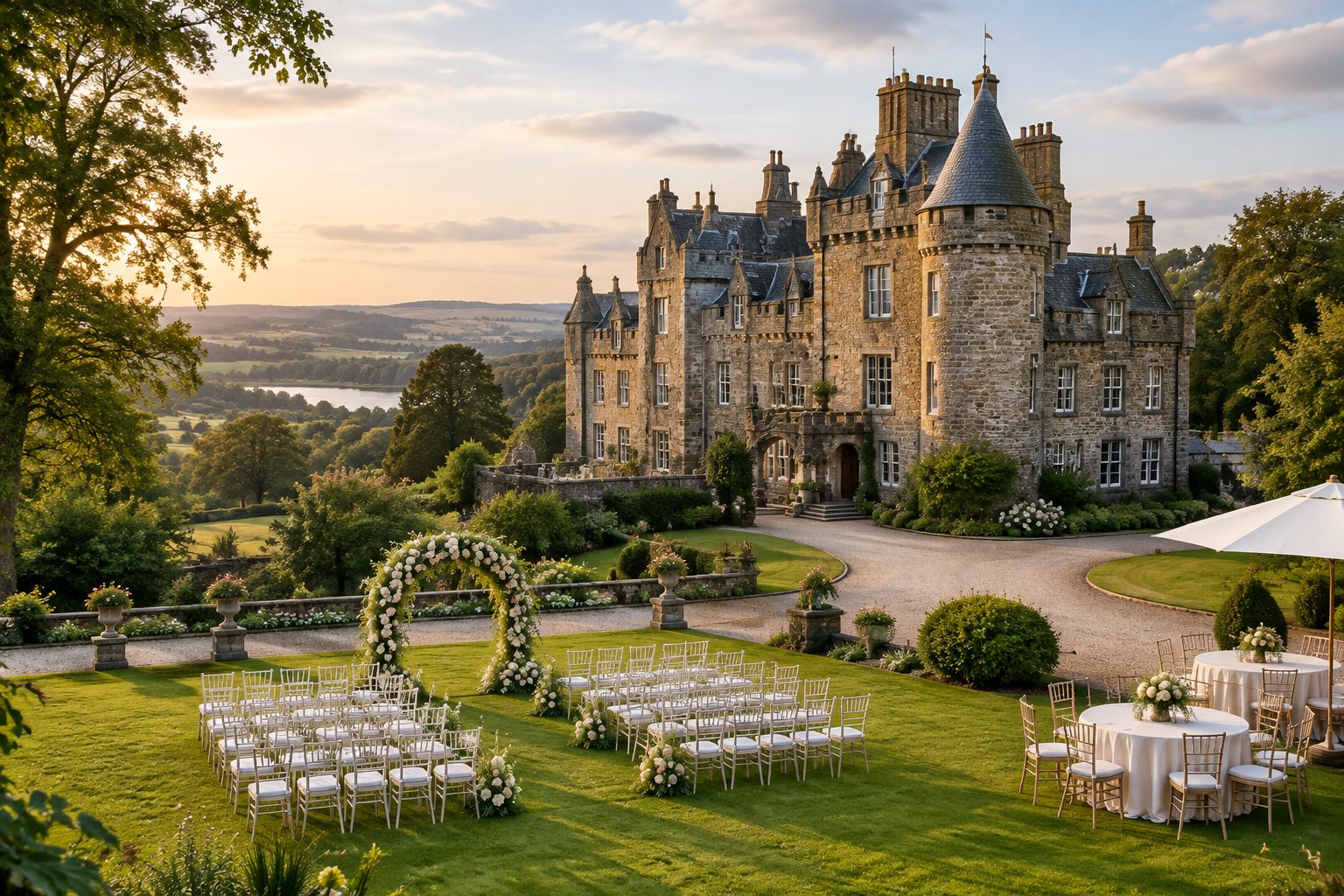
Clayshire Castle in Bowling Green, Indiana
Clayshire Castle sits in Bowling Green in western central Indiana and offers the most direct fit for your search. Its castle design supports an intimate wedding atmosphere with strong character, private gathering areas, and a setting that feels separate from a standard banquet hall.
The property works well if you want your wedding day to include time for photographs, relaxed conversations, and overnight moments with close family or friends. Ask about ceremony locations, reception layouts, food service, music rules, parking, and the number of guests who can stay on-site.
The Kentucky Castle in Central Kentucky
The Kentucky Castle gives you a polished estate setting in central Kentucky. Its grounds and formal architecture suit couples who want a refined wedding with room for a ceremony, cocktail hour, dinner, and dancing.
The property fits a larger or more structured celebration when you want elegant indoor spaces, landscaped outdoor areas, and a luxury guest experience. Confirm the current guest capacity, catering requirements, event timing, lodging options, and weather plan before booking.
Meyer’s Castle in Dyer, Indiana
Meyer’s Castle in Dyer offers a historic mansion atmosphere in northwest Indiana. Its architecture creates a formal backdrop for ceremonies, portraits, and receptions with a classic estate feel.
This option suits couples whose guests are based near the Chicago region or northern Indiana. Travel convenience can outweigh the longer drive from Bowling Green, especially when your guest list is spread across Dyer, Chicago, and nearby communities.
Alternatives Near Bowling Green, Kentucky and Nashville
If your search includes Bowling Green, Kentucky, you can also compare estate venues, historic homes, and castle-style properties across south-central Kentucky. Nashville adds more hotel access, vendor choices, and transportation options for guests who prefer a city-based wedding weekend.
Use an alternative venue when your guest count, budget, or preferred date does not fit the castle properties above. Ask each property whether it provides a full wedding package, allows outside vendors, includes tables and chairs, and offers a firm rain backup.
| Comparison point | Clayshire Castle | The Kentucky Castle | Meyer’s Castle |
|---|---|---|---|
| Location | Bowling Green, Indiana | Central Kentucky | Dyer, Indiana |
| Setting | Medieval-style castle | Luxury estate | Historic mansion |
| Best fit | Intimate weddings | Formal estate events | Northern Indiana guests |
| Lodging focus | On-site stay potential | Luxury accommodations | Ask venue |
| Guest access | Western central Indiana | Central Kentucky | Chicago-area region |
What Makes Each Castle Setting Distinct?
Clayshire Castle emphasizes intimate medieval charm, The Kentucky Castle presents a polished luxury estate, and Meyer’s Castle brings historic mansion character to your wedding day. The setting shapes your ceremony style, photographs, guest experience, and reception design before you choose any décor.
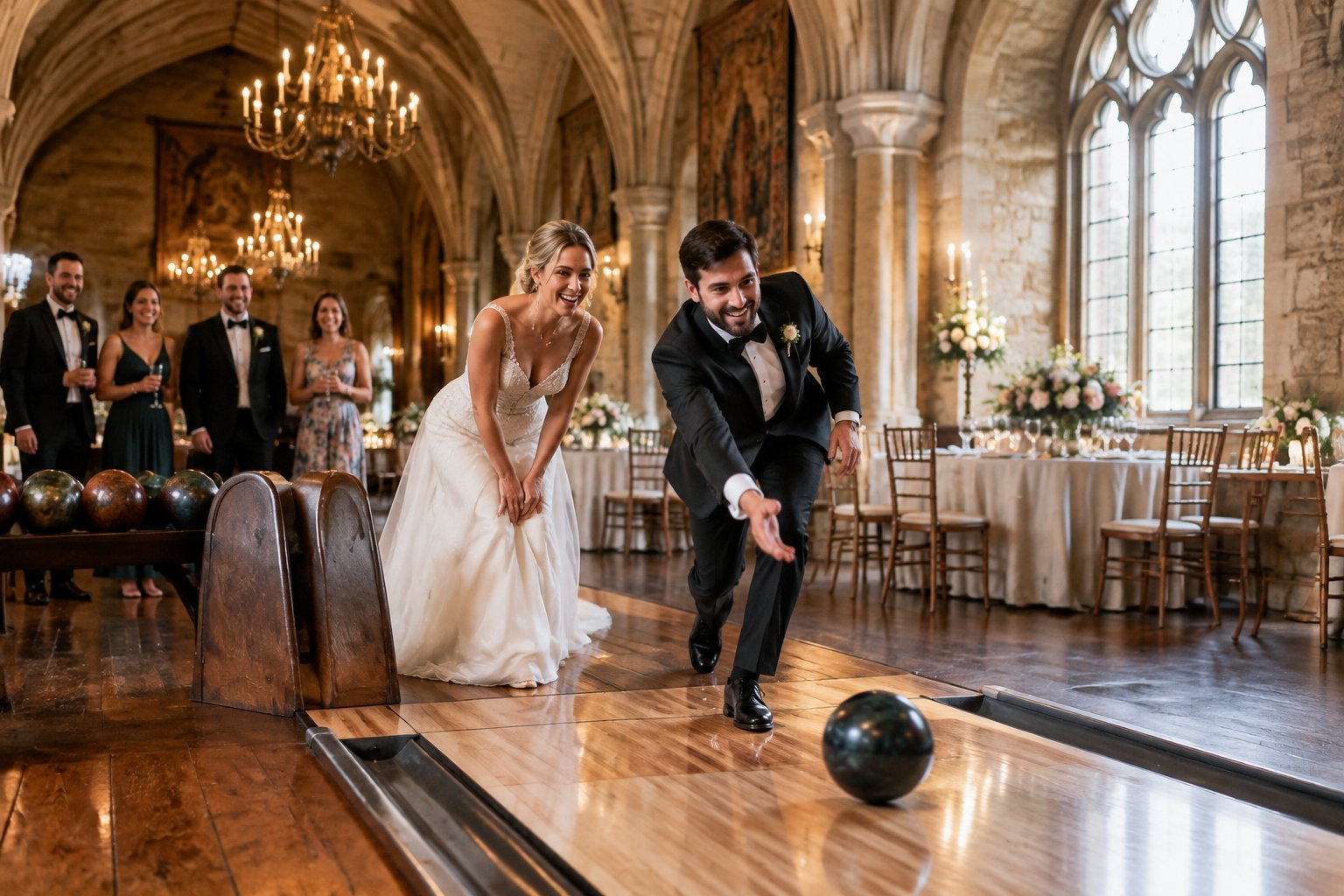
Intimate Medieval Charm at Clayshire Castle
Clayshire Castle has the feel of a medieval-style bed and breakfast, which gives your celebration a warm and personal scale. You can build a wedding weekend around the castle itself, with private time for your wedding party and guests.
A bed and breakfast setting may include luxurious accommodations and a gourmet breakfast as part of the stay experience. Ask how many rooms are available, which spaces are private, and whether breakfast service changes on your wedding morning.
The castle’s character can guide your design choices. Rich fabrics, candlelight, deep floral colors, and simple historic details can complement the architecture without competing with it.
Luxury Estate Spaces at The Kentucky Castle
The Kentucky Castle offers the feel of a grand estate with landscaped grounds, formal rooms, and a luxury event setting. Couples who want a polished celebration can use the property’s architecture as the main design feature.
Outdoor ceremonies benefit from open lawns, garden views, and strong portrait locations. Indoor spaces provide structure for dinner and dancing when weather changes. Confirm which rooms are included in your package and how guest movement works between the ceremony and reception.
A luxury estate also requires careful vendor planning. Review catering service, bar options, rental items, lighting, sound, décor limits, and event staffing before you compare package prices.
Historic Mansion Character at Meyer’s Castle
Meyer’s Castle brings the scale and detail of a historic mansion to your wedding celebration. Its rooms can support formal portraits, an elegant ceremony, and a reception with a refined estate atmosphere.
Landscaped grounds and gardens provide outdoor photo locations, while the interior architecture keeps the celebration visually rich during colder months. Ask about accessibility, guest parking, elevator access, restroom locations, and the route between ceremony and reception spaces.
Your décor plan should work with the mansion’s existing details. Neutral florals, soft lighting, and carefully placed signage can make the space feel personal while preserving its historic character.
Ceremony and Reception Spaces to Compare
The best castle wedding venue gives you a ceremony location, reception room, guest flow, and weather backup that all work together. Compare the Great Hall, greenhouse, ballroom, banquet hall, gardens, and carriage house by capacity, access, sound, and setup time.

Your ceremony and reception do not need to use the same room. A garden ceremony can lead into a ballroom dinner, while a small indoor ceremony in the Great Hall can transition into cocktails in a carriage house or courtyard.
The Great Hall for Small Celebrations
The Great Hall suits intimate weddings that need a dramatic indoor setting. Tall ceilings, historic details, and built-in character reduce the amount of décor you need.
Ask about seating layouts, aisle width, ceremony music, photography access, and the time required to reset the room for dinner. A smaller guest list can leave space for a dance floor, lounge seating, or a long head table.
Garden, Courtyard, and Greenhouse Ceremonies
Gardens and courtyards give you natural scenery and flexible ceremony designs. A greenhouse adds weather protection while keeping the outdoor feeling and bringing natural light into your vows.
Confirm the backup room, rain decision deadline, chair placement, guest paths, and sound plan. Check the walking distance for older guests and anyone using mobility equipment. Your florist and rental company also need clear rules for stakes, candles, arches, and décor installation.
Ballroom, Banquet Hall, and Rooftop Receptions
A ballroom works well for formal dinner and dancing, while a banquet hall can provide practical space for larger layouts. A rooftop reception offers a memorable view when the venue has safe access, weather protection, and an approved sound plan.
Ask for floor plans that show tables, bars, buffet stations, dance floors, entertainment, and guest pathways. Your contract should state which areas you receive, how long you have access, and whether another event shares the property.
Guest Counts, Stays, and Wedding-Weekend Events
Choose your venue by matching the guest count with available rooms, event access, and the activities you want across the wedding weekend. A castle works especially well when your guests can gather for more than the ceremony and reception.
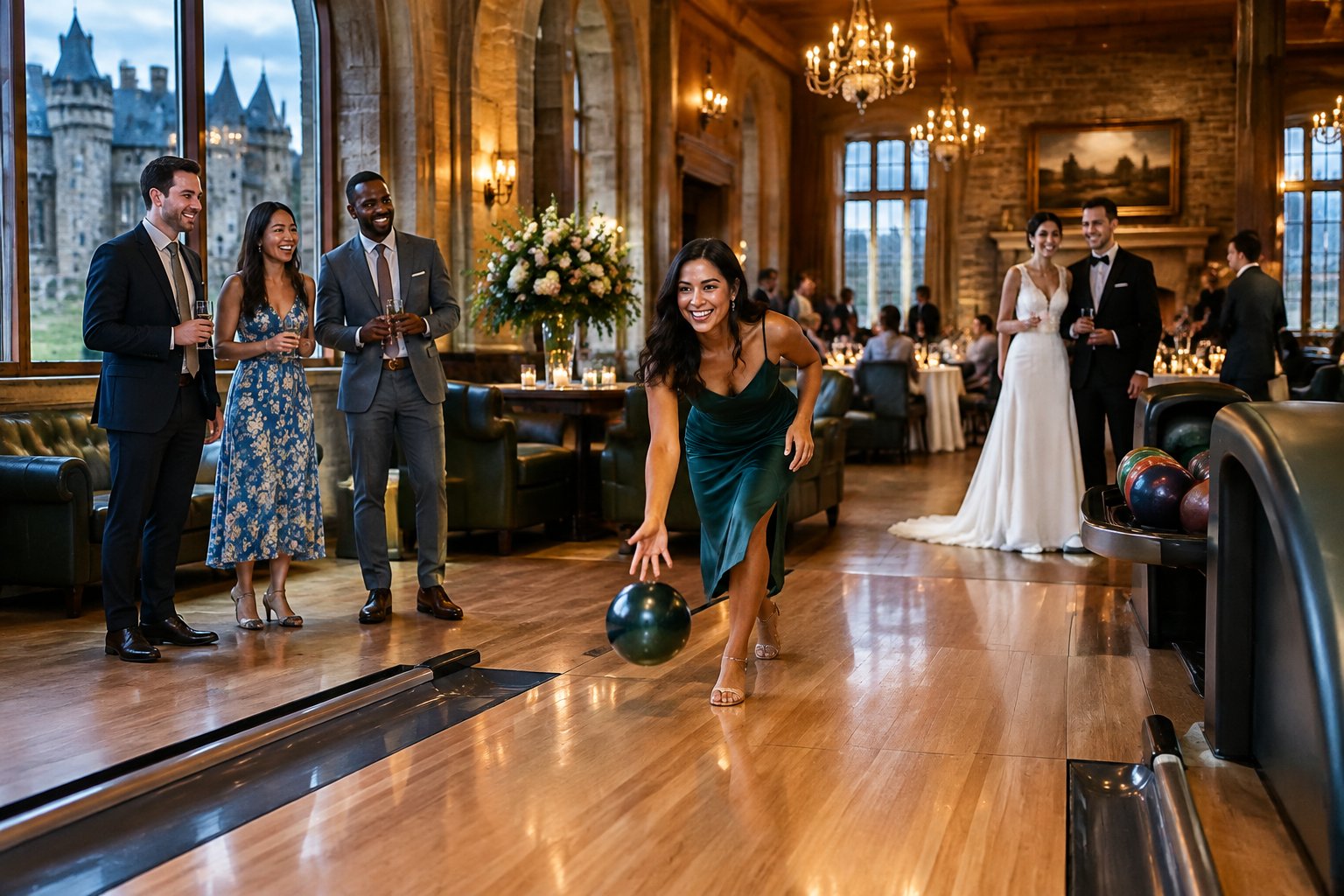
A smaller property can create closer connections, while a larger estate can support a formal dinner and a wider guest list. Confirm the maximum seated capacity, overnight room count, nearby hotels, parking, shuttle needs, and local transportation.
Choosing a Venue for Elopements or Intimate Weddings
Elopements and intimate weddings benefit from a property with a strong setting and fewer logistical demands. A castle can give you ceremony space, portrait locations, and lodging without requiring a large production.
Ask whether the venue offers elopement packages, weekday dates, short access windows, officiant referrals, photography time, and a small dinner option. A package may include the ceremony space while leaving photography, flowers, attire, and legal paperwork for you to arrange.
For more planning ideas, review these tips for designing a budget-friendly small wedding.
On-Site Accommodations and Guest Experiences
On-site lodging lets your wedding party stay close to the celebration. At a property with a working farm, garden, or historic grounds, guests can enjoy a slower weekend with time for walks, informal meals, and group activities.
Some castle properties include features such as a hedge maze or cedar hot tub, which can add interest to a welcome evening or morning after the wedding. Confirm guest access, quiet hours, check-in times, room assignments, and whether all lodging is included in the venue contract.
Create a room plan early if the property has limited capacity. Give guests nearby hotel options when on-site rooms cannot hold everyone.
Planning a Rehearsal Dinner and Post-Wedding Gathering
A rehearsal dinner can use a private dining room, courtyard, carriage house, or outdoor area. Choose a location that keeps the evening relaxed and does not interfere with ceremony setup.
A post-wedding gathering can include breakfast, a casual meal, or time in a shared guest area. Ask about food and beverage minimums, cleanup, staffing, music, and the latest permitted end time for each event.
Share a clear weekend schedule with guests. Include addresses, parking details, dress guidance, meal times, and transportation instructions.
How to Plan and Budget for a Castle Wedding
A castle wedding budget needs separate lines for the venue, catering, rentals, lodging, transportation, décor, and backup plans. Historic buildings often have special access rules, vendor requirements, and setup limits that affect the final cost.
Questions to Ask Before Booking
Ask the venue these questions before you sign:
- What dates and access hours are available?
- What is the maximum seated guest count?
- Which ceremony and reception spaces are included?
- Does the rental include tables, chairs, linens, lighting, or sound equipment?
- Do you need to use approved caterers or bar providers?
- How many guests can stay on-site?
- What is the rain plan, and does it cost extra?
- What are the rules for candles, confetti, décor, music, and amplified sound?
- Where can vendors load in and park?
- Who manages the wedding day timeline?
- What deposits, payment dates, service fees, taxes, and cancellation terms apply?
A written answer helps you compare each wedding venue on the same terms.
Comparing Inclusions, Restrictions, and Backup Plans
Compare the complete package instead of the rental fee alone. A lower venue price may leave you responsible for rentals, staffing, transportation, setup, or cleanup.
Build a side-by-side budget with these categories:
- Venue rental and event access
- Catering, cake, bar, and service charges
- Tables, chairs, linens, and dinnerware
- Florals, décor, lighting, and entertainment
- Photography, transportation, lodging, and guest activities
- Ceremony backup, weather coverage, and overtime
You can use this guide to work out your budget for a wedding before requesting proposals. Confirm every inclusion in the contract, including setup time and access to outdoor grounds.
When to Start Wedding Planning
Start wedding planning 12 to 18 months before your preferred date when you want a popular weekend, fall scenery, or a full-property stay. A shorter timeline can work for a weekday, winter, or small wedding when the venue and key vendors have open dates.
Book the venue first, then secure catering, photography, lodging, music, and transportation. Visit the property in the same season as your wedding when possible, and request a virtual tour when travel is difficult.
Before you deposit, verify the legal marriage requirements for the state where you will marry. Add the license appointment, officiant, ceremony rehearsal, vendor arrival times, and final guest count to your planning calendar.